Archived: 19 October 2026
Abstract
In 1469, Irish annals record struggles for lordship, wealth and security rather than a unified political order. Aodh Ruadh Ó Domhnaill secured hostages in Lower Connacht, allied with the newly installed Mac William Burke, and burned Claregalway and neighbouring territory during a campaign against Clanricarde, partly revenging 1467. Uí Maine faced disputed succession after Aodh Ó Cellaigh’s murder; Maguire kindreds fought destructive raids in Fermanagh; and the Whites expelled the Savages from Lecale. Death notices for a harpist, historian-hosteller and ecclesiastical coarb illuminate cultural institutions. Violence, alliance, kinship, hostages and resources shaped lordship, while ordinary people remained invisible in sources.
Read Article
Archived: 21 October 2026
Abstract
In 1403, Irish annals record shifting alliances, warfare and successions across Connacht, Breifne, Ulster and Munster. Muirchertach Baccach Ó Conchobair of Sligo joined Ó Conchobair Donn in a hosting through central Connacht, subduing Uí Maine and aiding Ulick de Burgh in Clanricarde, before dying that autumn. Uí Maine saw aristocratic deaths alongside killings. Breifne conflict brought deaths, captures and a Ó Raigillig ruler. Northern dynasties changed: Niall Ó Néill and his son died, while Oirgialla and Tyrone gained successors. Disputed annal dates complicate Ulster and Munster events. Records emphasise lordship, patronage, hospitality and religious prestige, while preserving fragmentary, partisan perspectives.
Read Article
Archived: 23 October 2026
Abstract
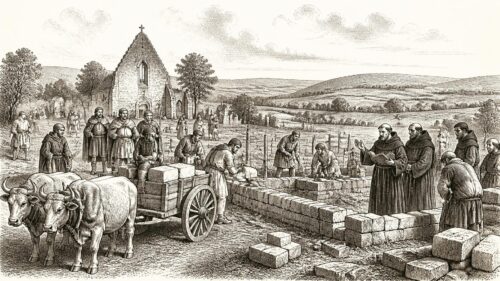
Medieval Ireland in 1353 appears through diverse, sometimes conflicting records. The Four Masters date William Buí Ó Ceallaigh’s Franciscan foundation at Kilconnell to this year, although Franciscan tradition proposes 1414 and surviving fabric reflects later patronage. The friary linked Gaelic lordship, Latin Christianity and local social life. Annals record Áed Ó Conchobair’s deposition in Connacht, other dynastic deaths and killings across the midlands and Ulster, while differing chronologies complicate dating. Pope Innocent VI reportedly settled Armagh and Dublin’s primacy dispute. Youghal received trading privileges in England and Wales. Together, these notices reveal politically fragmented yet religiously and commercially interconnected Ireland.
Read Article
Archived: 23 October 2026
Abstract
In 1343, Ireland saw shifting lordship, violence and religious investment. Toirrdelbach Ó Conchobair regained Connacht and made peace with Conchobar Mac Diarmata, while Clann Feorais and Clann Ricaird crushed Uí Maine, killing eleven Ó Ceallaigh princes. In Thomond, Diarmait Ó Briain briefly succeeded Muirchertach before Brian Bán seized power. In Tír Conaill, Aengus Ó Domhnaill displaced Niall through a broad coalition, granted land to exiles, and defeated his rival’s supporters. Deaths included nobles, churchmen and scholars. Kilronan received a new church, St Mary’s, Kilkenny, a belfry, and Boyle Abbey remained central to Mac Diarmata burials and succession during the year.
Read Article

Archived: 23 October 2026
Abstract
In 1340, Connacht lordship was contested through dynastic intervention, captivity, raiding and negotiated settlement. Toirdelbach Ó Conchobair installed a ruler in Uí Maine, but resistance killed his appointee; his imprisonment of a nephew provoked Mac Diarmata opposition and a peace at Ballymote. Breifne warfare over cattle killed Domnall Ó Ruairc, while prisoners were exchanged to restore political advantage. Other kin-group killings exposed fragile local rule. Edward III pardoned Edmund Albanach and Reymund de Burgh, seeking accommodation and military service. Cill Rónáin burned, and learned men died. Sources caution against misdating Ulster entries and a supposed Franciscan foundation in later annals.
Read Article

Archived: 23 October 2026
Abstract
In 1339, Ireland endured severe frost and snow that damaged livestock and winter crops, while warfare in Meath ruined grainlands and caused famine. Political violence accompanied hardship: Ruaidhrí Ó Cellaigh, king of Uí Maine, was killed, and Toirdhealbhach Ó Conchobhair reshaped Connacht alliances through marriage, repudiation and pressure upon Edmund Albanach Burke. Northern campaigning by Aodh Reamhar Ó Néill brought further deaths, while Tomás Mag Samhradháin was released from captivity. Despite instability, Fergal Muimhneach Ó Duibhgeannáin erected Kilronan church. In Dublin, Edward III’s administration briefly minted silver coinage, thereby linking local society to royal fiscal demands amid wider Anglo-French war.
Read Article
Archived: 24 October 2026
Abstract
In 1307, Edward II succeeded Edward I as Lord of Ireland, while existing Dublin administration continued under officials including newly appointed Exchequer treasurer Alexander de Bicknor. Richard de Havering received Dublin archbishopric temporalities but was never consecrated, and bishops died at Kilmacduagh and Elphin. At Ahascragh, Donnchad Muimhneach Ó Cellaigh of Uí Maine defeated forces associated with Roscommon, capturing the sheriff and other opponents. Prisoners were released under restitution for an earlier burning attributed to Edmund Butler, before Ó Cellaigh died. Killings among Ó Conchobair claimants underscored Connacht instability. Sources require caution because annalistic chronologies conflict over some recorded events.
Read Article

Archived: 26 September 2026
Abstract
During 1163, Muirchertach Mac Lochlainn’s high-kingship remained influential but dependent on negotiation, payments and local compliance. Meath’s rulers were reshaped through deposition and gold payment, while his son Niall’s coercive progress ended with his capture in Uí Maine after offences against communities and churches. Assassinations, deaths and cattle-raiding reflected continuing regional rivalries. Ecclesiastical leaders died, yet monastic institutions retained traditional offices alongside diocesan reform. Glendalough suffered a destructive fire, whereas Derry’s Columban community built a huge lime-kiln, signalling organised construction. Learning, agriculture, cattle wealth and Irish Sea trade underpinned society, revealing a politically fragmented but connected Ireland at this time.
Read Article
Archived: 30 October 2026
Abstract
In 785, annalistic records noted political and ecclesiastical transitions across a divided, predominantly rural Ireland. Ruaidrí mac Fáeláin, Leinster overking, died, creating opportunities later exploited by Donnchad Midi and Bran Ardchenn. Máel Dúin of Loch Gabor and Dúnchad of Uí Maine also died, while Tipraite won an otherwise unexplained battle of the Muad. Relics of Ultán were carried on circuit, demonstrating mobile saintly authority and church patronage. Deaths included abbots, learned clerics, a scribe and Abbess Ellbríg. The notices reveal interconnected royal and religious networks, although they preserve little about ordinary people, chronology, motives, warfare, or material conditions in detail.
Read Article
Archived: 30 October 2026
Abstract
In annalistic year 771, Donnchad mac Domnaill, king of Tara, led a hosting to Cnoc Báine, probably in modern County Tyrone, demonstrating authority rather than recording a confirmed victory. The annals also note killings of Conchobor and Connacht rulers Áed Aithgein of Uí Maine and Art of Aidne. The law of saints Comán and Aedán was renewed across the three Connachts, illustrating church and secular collaboration. A severe Michaelmas thunderstorm prompted widespread fasting. Deaths included ecclesiastics from Clonard and Cluain Eidnig, and Suibne, abbot of Iona. Chronological discrepancies among later annals require caution when assigning additional events to this year.
Read Article
Archived: 13 October 2026
Abstract
In 713, annalistic evidence records political and ecclesiastical transitions across Ireland and the Gaelic sea-world. Cormac, king of Munster, died in battle at Cam or Carn Feradaig, opening a succession from which Cathal son of Finguine emerged. Cú Cherca of Osraige and Sechnasach of Uí Maine also died, while other killings illustrate regional violence. Church leaders Fáilbe Bec of Clonmacnoise and Bishop Baetán died. At Iona, Dorbéne held the primacy for five months before dying on 28 October. These notices reveal overlapping local kingships, influential monastic networks, and links between Ireland, Iona, Pictland and Northumbria during a year of change.
Read Article
Archived: 3 November 2026
Abstract
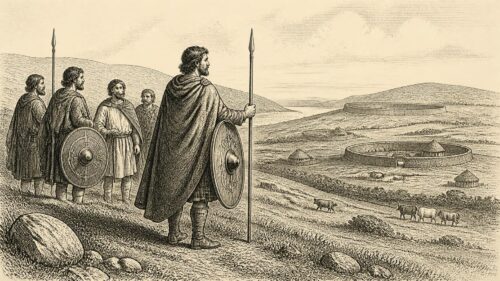
In 653 CE, the clearest Irish political event preserved by the annalistic tradition was a battle in Connacht: the battle of Airther Seóla. The Annals of Tigernach and Chronicon Scotorum record that Marcán son of Tommán, king of the Uí Maine, was killed, while Cenn Fáelad son of Colgu and Máenach son of Báithín, king of the Uí Briúin, were victorious. This is a small entry, but a consequential one. It reveals competition between powerful Connacht dynasties, the lethal stakes of regional kingship, and the way an encounter in one locality could reshape authority far beyond a battlefield. The evidence
Read Article


