
Year by Year
Explore Year by Year articles from the most modern historical year back to the oldest.
3,295 Articles Archived

Connacht Castles
Archived: 25 October 2026
In 1265, Connacht underwent rapid political and military change. King Fedlimid Ó Conchobair died and was buried at the Dominican priory in Roscommon, while his son Áed na nGall succeeded him, asserted authority through a destructive hosting into Uí Fhailge, and eliminated a dynastic rival by blinding. Áed also led the demolition of castles at Sligo, Bannada and Ráth Ard Craibe, challenging Anglo-Irish lordship, though Sligo was soon rebuilt. Ballintober Abbey burned, under unknown circumstances. Deaths and elections altered church leadership, and negotiations at Kilmaine ended in killings. Wider Anglo-Irish conflicts influenced Connacht’s unstable balance of power during this year.

Castledermot Parliament
Archived: 25 October 2026
On 18 June 1264, an assembly at Castledermot became the earliest securely documented Irish gathering to call itself a parliament. Chaired by the justiciar Richard de la Rochelle, it investigated Dublin archbishops’ claimed criminal jurisdiction against Prince Edward’s rights, illustrating contested authority rather than representation. Meanwhile Walter de Burgh’s war with the FitzGeralds devastated Connacht and exposed weakness in royal administration. Anglo-Irish leaders negotiated peace with Fedlimid Ó Conchobair at Athlone, acknowledging Gaelic power. In Armagh, Archbishop Máel Pátraic Ó Scannail built defences and welcomed Franciscans. Together, these events vividly reveal competing lordly, royal, Gaelic and ecclesiastical powers in Ireland.

Corann Castle
Archived: 25 October 2026
In 1263 Walter de Burgh received the earldom of Ulster from Lord Edward, strengthening his claims while facing persistent resistance in Connacht. His Roscommon expedition against Fedlimid Ó Conchobair failed to secure plunder and suffered losses in an ambush. De Burgh built a castle at Ath in Gail, Corann, seeking durable control of a contested district. Donn Ó Breisléin was murdered in Raphoe’s episcopal court. Deaths among bishops and monastic leaders, papal revenue demands, a notably hot summer, and northern sea connections were recorded. Conflicting annal dates caution against certainty over a Desmond expedition, whose chronology remains uncertain in sources.
Mangerton Victory
Archived: 25 October 2026
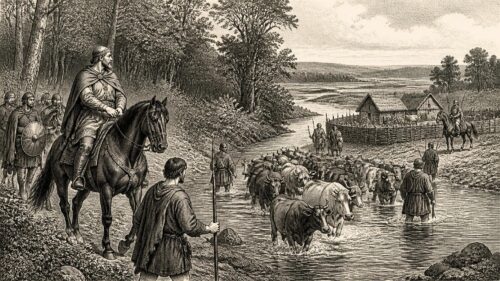
In 1262, Ireland experienced interconnected conflicts and negotiations across Connacht, Annaly, Munster and church politics. Fedlimid Ó Conchobair and his son Áed resisted forces led by Mac William de Burgh, the justiciar and John de Verdun, safeguarding cattle, devastating enemy territory and making a temporary peace. Roscommon was selected for a future royal castle. In Annaly, Gilla na Naem Ó Fergail regained lordship after local defections. Mac Carthaig defeated an expedition at Mangerton, but Cormac Mac Carthaig died. Munster endured further raids. At Drogheda, Archbishop Máel Pátraic Ó Scannail reinforced Armagh’s jurisdiction over Meath, while Dublin disputes exposed urban tensions.
Callann Battle
Archived: 25 October 2026
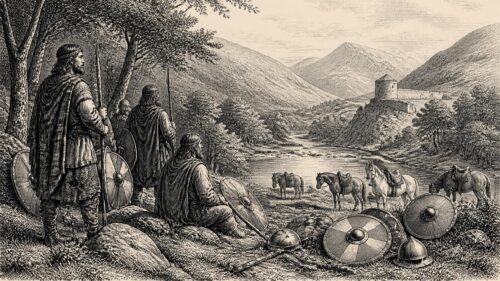
In 1261, Fínghin Mac Carthaigh defeated a major Geraldine force at Callann in Desmond, killing John fitz Thomas FitzGerald, his heir Maurice and many followers. The victory checked Geraldine expansion, but Fínghin was killed soon afterwards, leaving Desmond disputed. Annals differ over details, including dating, casualties and participants, while confirming the battle's significance. Conflict elsewhere included raids, burned settlements and fortresses, rival successions in Breifne and Tír Eógain, and struggles in Thomond and Connacht. Clerics and churches suffered violence at Derry and Ballysadare, while Raphoe's bishop was elected archbishop of Armagh. The year reveals politically fragmented, shifting power across Ireland.
Druim Derg
Archived: 25 October 2026
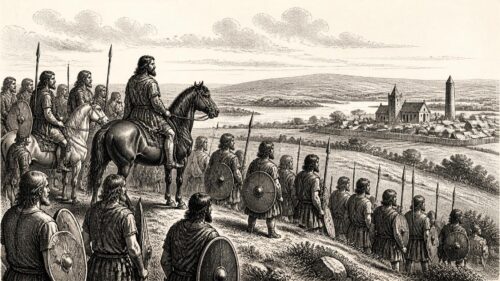
In 1260 Brian Ó Néill’s Gaelic coalition, including forces from Tír Eógain, Connacht and Meath, was defeated by northern English interests at Druim Derg near Downpatrick. Brian and many leading allies died, ending his claim to leadership of Ireland’s Gaels; Áed Buide Ó Néill succeeded in Tír Eógain. Elsewhere, Connacht resisted MacWilliam de Burgh’s raid through defensive deployment and negotiated peace, while Thomond defeated Mac Muiris’s force. A cough affected people and horses. Church offices changed hands, and Kildare’s Franciscan friary may have been founded during this period. The year revealed political fragmentation, regional resilience and religious life amid warfare.
Devenish Council
Archived: 25 October 2026
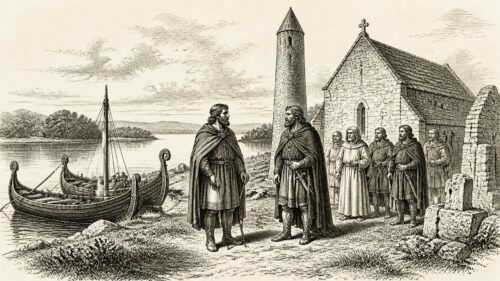
In 1259, Áed Ó Conchobair of Connacht asserted authority in Breifne by replacing rivals, taking hostages, raiding opponents and ordering blinding. At Devenish, he and Brian Ó Néill restored Domnall Ó Ruairc, demonstrating northern alliance politics and Brian’s wider influence. Áed’s marriage at Derry to Dubgall Mac Somairle’s daughter linked Connacht with the western seaways and armed support. Ulster, Thomond and Desmond saw raids, conflict and attacks affecting churches and communities. Tomaltach Ó Conchobair returned from Rome as archbishop of Tuam, while the deaths of Bishop Cormac Ó Luimlín and poet Gilla Cam marked losses to learning and ecclesiastical life.
Cáeluisce Kingship
Archived: 25 October 2026
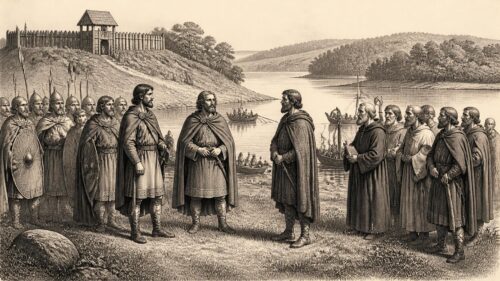
In 1258, Brian Ua Néill secured recognition at Cáeluisce from Connacht and Thomond leaders as king of the Gaels of Ireland, though this alliance neither unified Ireland nor ended regional rivalries. Hostage arrangements and conflict in Breifne exposed unstable lordship. English pressure prompted defensive destruction of ecclesiastical sites, while war in the south devastated settlements and crops. Hebridean raiders defeated Connacht’s sheriff after seizing valuable maritime cargo. Separate Gaelic-English peace talks demonstrated pragmatic local politics. Church life continued through episcopal changes, Armagh’s papal pallium, Dominican commemoration and a Franciscan foundation at Clane, amid enduring political and economic uncertainty across Ireland.
Credran Conflict
Archived: 25 October 2026
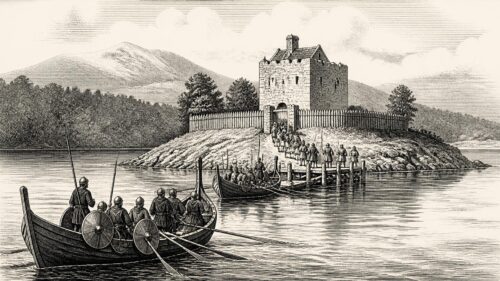
In 1257, Irish politics were shaped by local conflicts and shifting alliances between Gaelic rulers and Anglo-Irish power. Conchobar Ó Ruairc surrendered Cherry Island castle to Fedlimid Ó Conchobair, but later destroyed it after its garrison withdrew. Dynastic rivalry, including blinding and killings, exposed Connacht’s instability despite Fedlimid’s peace with colonial leaders and royal charter. Gofraid Ó Domnaill demolished Cáel Uisce castle, burned Sligo and routed Anglo-Irish forces at Credran, though he was wounded. Fighting also affected Thomond. Meanwhile, Roscommon’s Dominican church was consecrated, Abraham Ó Conalláin travelled to Rome, and churchmen remained involved in political violence and patronage there.

Magh Slecht
Archived: 25 October 2026
In 1256, the political frontier running through Connacht and Breifne was anything but fixed. The year’s fullest surviving narrative, preserved in the Annals of Connacht and the closely related Annals of Loch Cé, records a remarkable sequence of armies, negotiations, raids, hostage-taking and local feuds. Its central event was a hard-fought encounter at Magh Slecht, near the passes of Sliabh an Iarainn, where Áed Ó Conchobair and Conchobar Ó Ruairc defeated leading men of the Uí Raghallaigh. Yet the battle was not an isolated clash: it exposed the fragile alliances and overlapping claims that shaped life in the Irish midlands.
Some records do not yet have a verified historical year and are awaiting chronological placement.