
Year by Year
Explore Year by Year articles from the most modern historical year back to the oldest.
3,295 Articles Archived
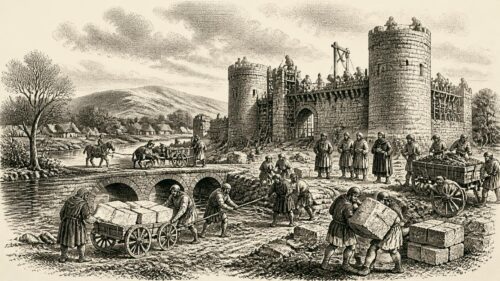
Sligo Castle
Archived: 25 October 2026
In 1245, Maurice fitz Gerald, justiciar of Ireland, built Sligo Castle with Síl Muiredaig, compelling King Fedlimid Ó Conchobair of Connacht to meet much of the cost and appropriating ecclesiastical materials. The fortress strengthened lordship over strategic north-western routes. Other castles at Áth an Chip and Caisleán Suicín reflected intensified frontier militarisation. Fedlimid joined Henry III’s Welsh campaign, gaining royal recognition despite continuing Anglo-Irish pressure. Maurice was replaced by John fitz Geoffrey. Church disputes, killings, raids and successions revealed regional instability, while Elphin’s episcopal dispute reached Pope Innocent IV at Lyons. Severe snow before Christmas disrupted travel, livelihoods and supplies.
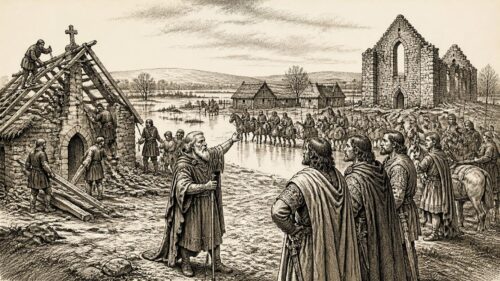
Fenagh Ransom
Archived: 25 October 2026
In 1244, Connacht experienced intertwined political, ecclesiastical and social crises. Cú Chonnacht Ó Raghallaigh blinded and emasculated the captive dynast Tadc Ó Conchobair, prompting King Fedlimid’s large retaliatory hosting into Breifne. At Fenagh, troops accidentally caused a foster-child’s death; compensation disputes ended when Magnus son of Muirchertach died during a flooded retreat, followed by payments in horses and silver measured by the Bell of the Kings. Tadc’s brothers died, while lords, clerics and poet Donnchad Mór Ó Dálaigh also perished. Tuam burned, Elphin’s episcopal election divided, and Dublin officials audited treasury accounts, illustrating Ireland’s overlapping Gaelic, ecclesiastical and Anglo-Irish authorities.

Tadhg's Betrayal
Archived: 25 October 2026
In 1243, Connacht and its borderlands saw political violence centred on Tadhg Ó Conchobair, grandson of Cathal Crobderg. Released by Cú Chonnacht Ó Raigillig, Tadhg seized Cormac Mac Diarmata and his own mother, Étáin, delivering her to Ó Raigillig as ransom. At Martinmas, Ó Raigillig treacherously recaptured Tadhg and killed his followers, worsening Connacht-Bréifne tensions. Raids by Cathal Ó Conchobair deepened conflict. Ecclesiastical notices record clerical deaths, overseas learning, and enlargement of Ardcarne church. Richard de Burgh died campaigning for Henry III in France. Annalistic confusion over Hugh de Lacy’s death requires caution, illustrating limitations of medieval chronology in sources.
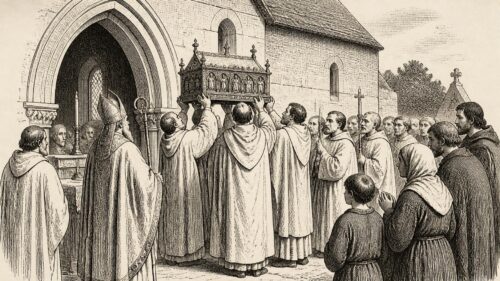
Mochta Relics
Archived: 25 October 2026
In 1242, a great chapter at Louth, attended by the Primate of Armagh and Irish Canons Regular, ceremonially raised relics of Saint Mochta, affirming religious networks and local prestige. Donnchad Cairprech Ó Briain, king of Thomond, and his son died, enabling Conchobar’s succession. Maurice FitzGerald, justiciar, and Fedlimid Ó Conchobair campaigned in Tír Chonaill, obtaining hostages before Tadhg Ó Conchobair’s capture. Brian Ó Dubhda was killed on pilgrimage, while Sligo’s hospital changed hands. Violence persisted in Connacht and Breifne. Hugh de Lacy’s death ended his personal Ulster lordship, while Armagh’s primate travelled to England. These events reveal fragmented, interconnected authority.
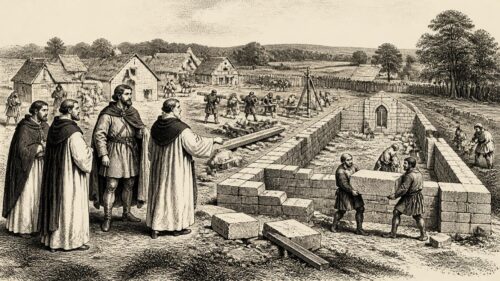
Caimeirge Battle
Archived: 25 October 2026
In 1241, Ireland’s political map did not suddenly become simpler, but decisive events in Ulster, Connacht and the midlands altered the balance of power. The most consequential was the battle of Caimeirge, where Brian Ó Néill and the newly installed Máel Sechnaill Ó Domnaill defeated and killed Domnall Mac Lochlainn, king of Tír Eoghain. In the west, Maurice FitzGerald, justiciar of Ireland, combined a damaging raid with a short-lived peace-making expedition. Meanwhile, the arrival of Albert Suerbeer, the German-born archbishop of Armagh, with papal authority over the churches associated with St Patrick made ecclesiastical jurisdiction an urgent political question.

Feidlim's Embassy
Archived: 25 October 2026
In 1240, one journey gave Irish politics an unusually direct connection with the court of King Henry III of England. Feidlim Ua Conchobair, king of Connacht, crossed the sea to present his case before the English king. The Annals of Connacht state plainly that he went to complain of the Galls and Gaels of Ireland: that is, of both the Anglo-Norman settlers and lords commonly called ‘Foreigners’ in Irish chronicles, and Irish opponents. The annalists say that Henry received him with great honour and that Feidlim returned safely, cheerful and satisfied. The brief notice does not preserve the arguments, concessions or promises made.
Lasairfina's Endowment
Archived: 25 October 2026
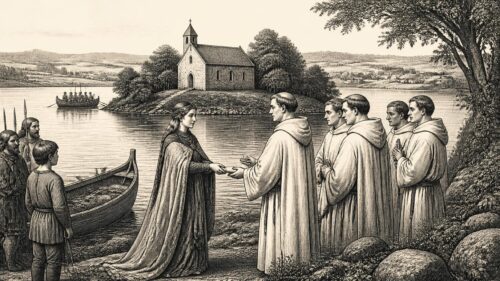
In 1239, Ireland’s fragmented politics combined warfare, lordship and religious patronage. Domnall Mac Lochlainn defeated rival forces at Carnteel, regaining Tír Eógain after Anglo-Norman intervention. Maurice FitzGerald’s forces raided around Sligo, probing Ó Domnaill territory without securing lasting conquest. In Breifne, Fergal Ó Raigillig’s killing illustrated regional and dynastic conflict, though its date is disputed. Lasairfina, daughter of Cathal Crobderg Ó Conchobair and wife of Ó Domnaill, granted land at Ros Birn to Trinity Abbey on Lough Key. Cashel confirmed Dominican Dáuíd son of Cellach as archbishop. Annalistic discrepancies caution against certainty, while revealing intertwined power, land, kinship, and church.
Annadown Tower
Archived: 25 October 2026
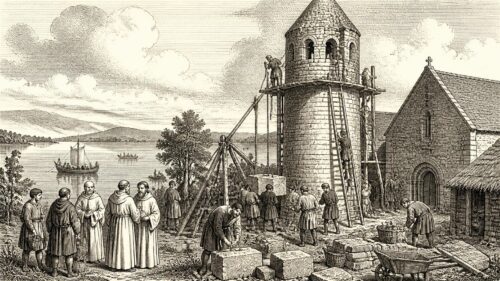
In 1238, Anglo-Irish leaders Maurice FitzGerald and Hugh de Lacy campaigned in the north, deposing Domnall Mac Lochlainn, installing an Ó Néill claimant and taking hostages from Cenél nEógain and Cenél Conaill. In Connacht, barons extended castle building after the 1235 partition, while dynastic killings, captures and raids demonstrated insecurity. A Bréifne force plundered Cluain Coirpthe, causing deaths among pursuers. Annadown’s bell-tower was built beside Lough Corrib, though its exact form remains uncertain. Archbishop Felix Ó Ruadáin died after resigning and becoming a monk in Dublin. Overall, the annals depict contested power expressed through hostages, fortifications, violence and ecclesiastical construction.
Drumrat Victory
Archived: 25 October 2026
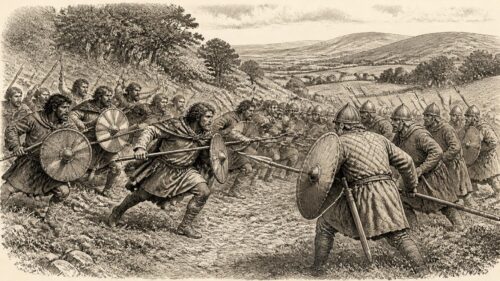
In 1237 Fedlim mac Cathail Chrobdeirg Ua Conchobair led a Connacht coalition against rival Ua Conchobair claimants, defeating troops linked to the Justiciar at Drumrat and devastating opponents’ lands. His forces briefly controlled Magh Luirg and Lough Key, where land was granted to a Holy Trinity community, while Fedlim later executed hostages. He subsequently made peace with the Justiciar, receiving the Five King’s Cantreds free of tribute, as Irish barons began castle-building in Connacht. Church reform advanced through Archbishop Máel Muire Ó Lachtáin’s Athlone synod. Clarus Mac Máelín founded a canons’ monastery on Trinity Island, while several prominent clerics died.
Rindoon Raid
Archived: 25 October 2026
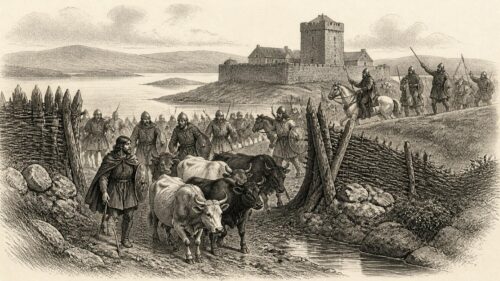
In 1236, Connacht remained unstable after Anglo-Norman conquest, as Maurice FitzGerald displaced Fedlimid Ó Conchobair, who escaped northwards. FitzGerald’s forces pillaged lands, captured women and built a stronghold, while Brian Ó Conchobair ruled with foreign support. Fedlimid returned with allies and raided Rindoon’s defended settlement for cattle, but his dispersed forces were defeated. Richard de Burgh later backed him, yet warfare devastated Tuam, Mayo and surrounding districts, including churches and their food stores. Burned sanctuaries, captivity, hunger and scarcity marked the year. Ecclesiastical authority proved ineffective against violence, although Tuam’s archbishop-elect gained English and papal confirmation. No durable settlement emerged.
Some records do not yet have a verified historical year and are awaiting chronological placement.