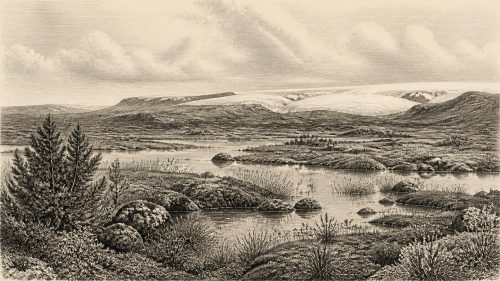
Archived: 5 October 2026
Abstract
Around 30,241 BCE, Ireland experienced fluctuating Late Pleistocene conditions rather than a datable single event. Derryvree, County Fermanagh, preserves freshwater sediments between glacial tills, indicating tundra vegetation, wet ground and open water during an ice-free interval. As the British–Irish Ice Sheet expanded, regional ice conditions varied; Irish coverage came later. Southern cave assemblages record mammals including reindeer, horse, mammoth and predators, showing biologically productive open habitats before maximum glaciation. No secure evidence proves resident Palaeolithic communities. A possibly butchered reindeer bone suggests tentative human visitation, but settlement, institutions, agriculture and practices remain undocumented. Glacial advance reshaped and obscured this landscape.
Read Article
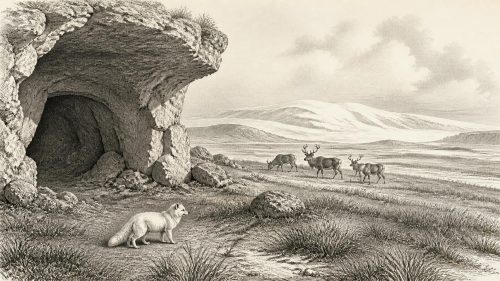
Archived: 5 October 2026
Abstract
At the notional date of 30,244 BCE, Ireland lay in the Late Pleistocene, as the British–Irish Ice Sheet expanded unevenly towards its maximum. Evidence cannot describe a single year, and glaciation subsequently destroyed or concealed much earlier material. Castlepook Cave in County Cork preserves fauna including mammoth, reindeer, giant deer, brown bear, wolf, Arctic fox and hyaena, indicating varied cold, open habitats and food webs. A possibly tool-marked reindeer bone suggests, but does not prove, human presence around 33,000 years ago. No securely dated settlements or social evidence exist. The period represents an ecological threshold before extensive glaciation reshaped Ireland.
Read Article
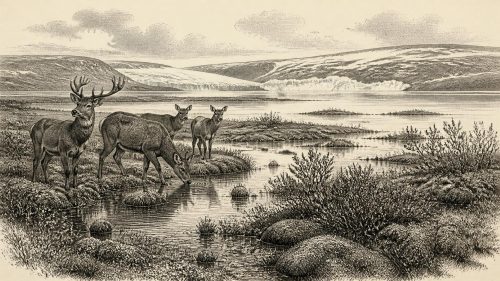
Archived: 5 October 2026
Abstract
Approximately 30,246 BCE, Ireland experienced unstable Late Pleistocene conditions, with fluctuating ice margins, low sea levels and altered connections to Britain. Derryvree, County Fermanagh, preserves a wetland sequence between glacial advances, indicating cold, treeless freshwater vegetation, but not conditions across all Ireland. Waterford cave finds date red deer to a relevant pre-Last Glacial Maximum interval, demonstrating occasional large herbivore presence in the south-east. Castlepook Cave records diverse cold-stage fauna, although deposits are time-averaged. Possible tool marks on a reindeer bone suggest human visits, not settlement. No evidence supports communities, farming, politics or culture. Fragmentary records reveal a dynamic Ice-Age landscape.
Read Article
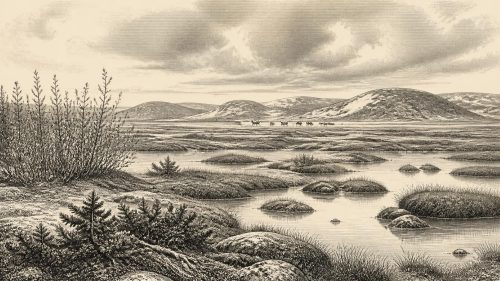
Archived: 5 October 2026
Abstract
Thirty thousand two hundred and forty-eight BCE is a date not a recoverable Irish year. Derryvree, County Fermanagh, preserves freshwater organic deposits between glacial tills, dated to an ice-free interval around this period, demonstrating environmental change rather than island-wide deglaciation. Its plants and insects indicate cold, open tundra-like terrain. Castlepook Cave, County Cork, records a pre-Last Glacial Maximum fauna including mammoth, reindeer, giant deer, hyaena and bear, linking Ireland ecologically with Britain and continental Europe. A cut-marked reindeer bone suggests human presence, but no settlement evidence exists. The period is therefore an environmental history of climate, ice margins and fauna.
Read Article
Archived: 5 October 2026
Abstract
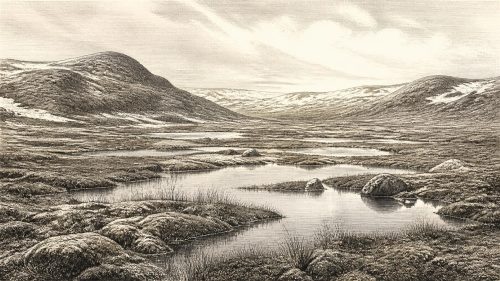
Around 30,249 BCE, Ireland lay within the fluctuating MIS 3 cold stage, although the date can only be treated as a broad chronological label. At Derryvree, County Fermanagh, freshwater silts and organic deposits between two tills record a treeless tundra wetland during an interval between glacial advances. Mosses, sedges and aquatic life indicate harsh but locally ice-free, waterlogged conditions. Ice was expanding towards the Last Glacial Maximum, repeatedly reshaping landscapes and obscuring evidence. Southern caves preserve cold-adapted mammals, including reindeer and mammoth, while a possibly butchered reindeer bone suggests, but cannot prove, early human activity. No settlement history is recoverable.
Read Article

Archived: 5 October 2026
Abstract
Around 30,250 BCE, Ireland lay within the climatically unstable Late Pleistocene, not a datable historical year. Expanding ice, lower sea levels and regional contrasts shaped an intermittently ice-free landscape. At Derryvree, County Fermanagh, freshwater deposits between glacial tills preserve mosses, sedges, insects and other evidence of cold, open wetland conditions before renewed glaciation. Southern cave deposits, especially Castlepook, record diverse Ice Age fauna, including reindeer, mammoth, giant deer, bear, wolf and hyaena, accumulated over extended periods. A possibly tool-marked reindeer bone suggests, but does not prove, human visitation. No secure settlement, institutions, beliefs or continuous human occupation are known today.
Read Article
Archived: 5 October 2026
Abstract
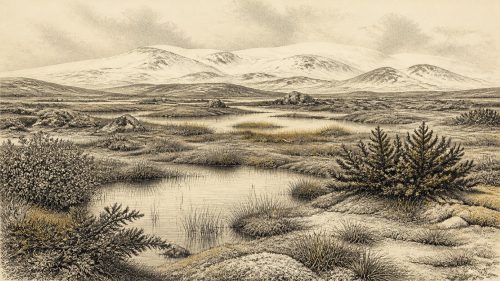
About 30,253 BCE, Ireland lay within a fluctuating Late Pleistocene landscape rather than a dateable historical year. At Derryvree, County Fermanagh, freshwater silts between glacial tills record a locally ice-free cold wetland, dated broadly to 36,900–31,700 cal BP. Plant, pollen and insect remains indicate open tundra-like ground with mosses, sedges, juniper, pools and sparse shrubs. Crag Cave demonstrates episodic groundwater infiltration, while Castlepook fauna attest to cold-adapted mammals but mixed deposits complicate chronology. No secure evidence confirms human settlement. A possibly cut-marked reindeer bone suggests tentative Upper Palaeolithic visits. These fragmentary records reveal regional climatic instability, approaching glaciation, and uncertainty.
Read Article

Archived: 5 October 2026
Abstract
Thirty thousand years BCE is a modern label rather than a recorded Irish date. Derryvree, County Fermanagh, preserves freshwater organic sediments between glacial tills, radiocarbon dated broadly to a long Late Pleistocene interval encompassing this period. Its plants and insects reveal cold, treeless tundra wetland with mosses, sedges and shallow pools during an ice-free phase. Greenagho and Crag Cave likewise demonstrate climatic variability. Ice was developing unevenly before its later maximum, reshaping landscapes and obscuring evidence. Castlepook Cave’s fauna records cold-stage mammals; a possibly butchered reindeer bone suggests debated human activity. Permanent settlement, society and political history remain entirely unproven.
Read Article

Archived: 5 October 2026
Abstract
Labelled 30,257 BCE, this interval cannot be reconstructed as an annual Irish history. Derryvree’s buried freshwater sediments in County Fermanagh, dated broadly to 34,950–29,750 BCE, record a cold, largely treeless tundra-like landscape with mosses, sedges, hardy plants and shallow water, between glacial episodes. Castlepook Cave in Cork preserves time-averaged remains of mammoth, reindeer, giant deer and carnivores, demonstrating ecological connections but not a single contemporary fauna. A possibly tool-marked reindeer bone suggests fleeting human activity, yet no settlement, polity or culture can be established. Changing ice and sea levels shaped access; later glaciation erased much evidence, necessitating cautious environmental interpretation.
Read Article

Archived: 5 October 2026
Abstract
Around 30,259 BCE, Ireland lay within the climatically unstable Late Pleistocene, but precise annual dating is impossible. At Derryvree, County Fermanagh, freshwater organic sediments between glacial tills preserve evidence of a temporary wetland during Marine Isotope Stage 3. Sedges, mosses, aquatic plants and insects indicate cold, open, tundra-like ground with seasonal pools, not woodland. Castlepook Cave fauna, including mammoth, reindeer, giant deer and predators, demonstrates varied Pleistocene ecosystems, though not their presence at Derryvree simultaneously. A possibly tool-marked reindeer bone may signal an early human visit, but proves neither settlement nor occupation. Later ice expansion reshaped and erased these landscapes.
Read Article

Archived: 5 October 2026
Abstract
At 30,260 BCE, Ireland lay in a volatile later MIS 3 glacial environment, approaching maximum ice cover but not uniformly frozen. Changing ice margins, sea levels and climates created open tundra, wetlands and hazardous routes for animals and possible people. Castlepook Cave in County Cork preserves a long-accumulated MIS 3 fauna, including mammoth, giant deer, reindeer, hyena and wolf, reflecting carnivore activity rather than a single occupation. Its dates span millennia, preventing reconstruction. An incised reindeer femur may record stone-tool butchery around 31,000 BCE, suggesting fleeting Upper Palaeolithic human presence, but no settlement, tools, hearths or social history is evidenced.
Read Article

Archived: 5 October 2026
Abstract
30,263 BCE is a modern label rather than a datable Irish event. During the Midlandian, before the Last Glacial Maximum, Ireland's shifting landscape alternated between ice, periglacial terrain and freshwater habitats. At Derryvree, County Fermanagh, organic muds between tills record an ice-free interval, probably within 35,000–30,000 BCE, with tundra vegetation, mosses, sedges and cold-tolerant herbs. Castlepook Cave, County Cork, preserves mixed remains of mammoth, reindeer, hyaena and other fauna, demonstrating wider Pleistocene connections but not a contemporary animal community. A possibly cut reindeer bone suggests intermittent human visitation, yet no secure evidence confirms permanent settlement, cultural practices, polities or events.
Read Article

Archived: 5 October 2026
Abstract
Around 30,264 BCE, Ireland lay within cold conditions of Marine Isotope Stage 3, near the expansion of the British–Irish Ice Sheet. Evidence cannot support annual events or named societies. At Derryvree, County Fermanagh, organic freshwater sediments between glacial tills record an ice-free interval with wetlands, sedges, mosses and cold-adapted insects, though dates remain broad and local. Other Fermanagh deposits indicate similar non-glacial habitats. Castlepook Cave fauna demonstrate intermittent presence of mammoths, reindeer and predators, but not a contemporary ecosystem. A marked reindeer bone may indicate human butchery, yet remains uncorroborated. Environmental change, advancing ice and fragmentary evidence define the period.
Read Article

Archived: 4 October 2026
Abstract
Around 30,265 BCE, Ireland lay within the climatically unstable Late Pleistocene, although no event can be securely dated precisely to that year. At Derryvree, County Fermanagh, freshwater sediments, preserved between glacial tills, record a locally ice-free tundra wetland sometime roughly 34,950–29,750 BCE. Mosses, sedges, herbs and aquatic species indicate treeless, periglacial conditions. Other deposits confirm changing regional ice limits. Sea levels and routes varied as the British–Irish Ice Sheet developed before its later maximum. Castlepook Cave’s cold-adapted fauna includes a reindeer bone possibly cut by humans, suggesting but not proving early human activity. Evidence reveals environments, not settlements or societies.
Read Article
Archived: 4 October 2026
Abstract
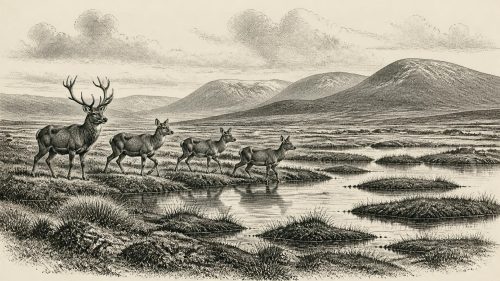
Around 32,215 years ago, Ireland lay in the climatically unstable Late Pleistocene, before the Last Glacial Maximum. Evidence from bones, sediments, plants, insects and cave deposits provides ranges rather than precise annual events. Waterford caves contain pre-maximum red-deer remains, while Derryvree, County Fermanagh, preserves a cold, treeless wetland between glacial advances. Southern caves record diverse mammals, though deposits are mixed and imperfectly dated. Castlepook Cave’s marked reindeer femur may indicate brief human handling, but cannot prove settlement. Lower sea levels altered coasts without establishing a land bridge. Ireland supported life amid advancing and retreating ice, but human presence remains uncertain.
Read Article
Archived: 4 October 2026
Abstract
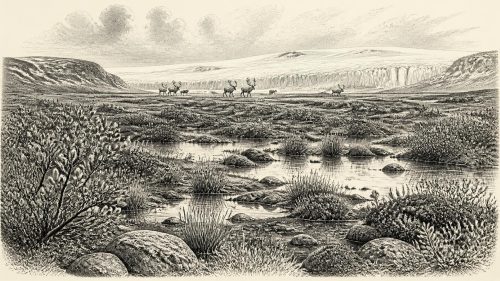
30,267 BCE is not a recoverable Irish year but falls within a broad Marine Isotope Stage 3 interval. At Derryvree, County Fermanagh, freshwater organic sediments between glacial tills, radiocarbon dated to about 30,500 BP, record an ice-free tundra basin with sedges, mosses, aquatic plants and sparse arctic-alpine vegetation. Later ice advance reshaped the region, though Ireland was not uniformly glaciated. Southern cave assemblages, notably Castlepook, attest cold-adapted mammals, including reindeer and mammoth, across a wider timespan. A possibly tool-marked reindeer bone suggests an unconfirmed human visit, but no evidence supports settlement, polities, or sustained occupation. The period’s history is environmental.
Read Article
Archived: 4 October 2026
Abstract
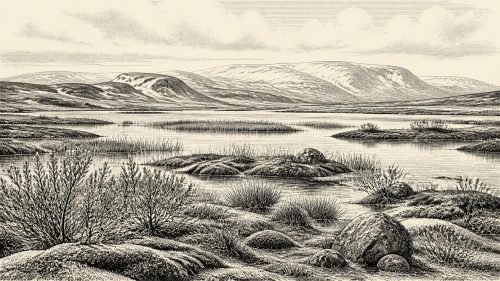
About 30,268 BCE, Ireland lay within the climatically unstable Late Pleistocene, but evidence cannot identify a specific year or island-wide conditions. At Derryvree, County Fermanagh, sediments between two tills record an interval of freshwater, wet tundra vegetation and periglacial conditions between glacial advances. Growing British–Irish ice reshaped landscapes unevenly, making simple claims about ice cover, coastlines or movement routes unreliable. Castlepook Cave, County Cork, preserves a chronologically mixed Ice-Age fauna including mammoth, reindeer, giant deer and predators. No secure archaeological evidence proves resident humans; a possibly cut-marked reindeer bone suggests only a tentative, brief Upper Palaeolithic visit during this period.
Read Article
Archived: 4 October 2026
Abstract
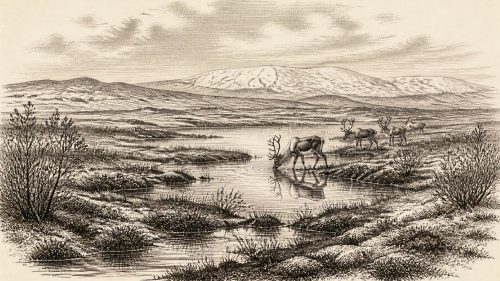
30,269 BCE cannot identify a discrete Irish event, but falls within Marine Isotope Stage 3, before maximum expansion of the British-Irish Ice Sheet. Derryvree, County Fermanagh, preserves freshwater sediments between glacial tills, dated broadly to 34,950–29,750 BCE, indicating treeless periglacial wetlands with bogbean, milfoil, mosses, insects and tundra vegetation. Later ice sealed this local archive. Castlepook Cave, County Cork, yielded reindeer, mammoth, giant deer and hyaena remains, showing varied cold-stage fauna. A cut-marked reindeer femur may indicate Upper Palaeolithic butchery, but proves neither settlement nor continuous occupation. Evidence depicts a changing, fragmented landscape, requiring caution about human presence at all.
Read Article
Archived: 4 October 2026
Abstract
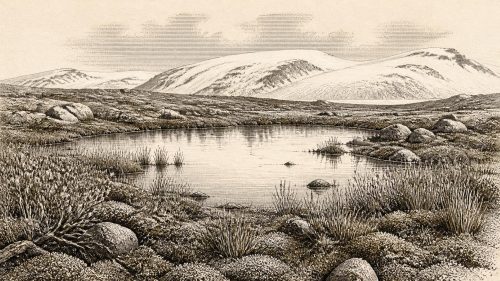
Around 30,270 BCE, Ireland’s past is reconstructed from fragmentary environmental evidence rather than historical events. At Derryvree, County Fermanagh, freshwater silts and organic deposits, preserved between glacial tills, indicate an ice-free interval within a cold, treeless periglacial landscape. Mosses, sedges, herbs and aquatic plants marked wetland and tundra-like habitats, although conditions cannot be extrapolated across Ireland. Dynamic ice growth and retreat reshaped land, drainage and preservation. Castlepook Cave, County Cork, produced MIS 3 fauna including mammoth, reindeer and hyaena, and a possibly tool-marked reindeer bone, suggesting but not proving brief human activity. No permanent population or specific event is demonstrated.
Read Article

Archived: 4 October 2026
Abstract
Around 30,271 BCE, Ireland has no recoverable year-specific history, only environmental evidence from the Late Pleistocene. At Derryvree, County Fermanagh, freshwater organic sediments between two glacial tills indicate a temporary wet tundra landscape, dated broadly to roughly 34,950–29,750 BCE. Plants, insects and sediments reveal cold, treeless conditions with pools, sedges and mosses, contradicting ideas of continuous ice cover in many areas. Castlepook Cave's mixed faunal remains show that mammals, including reindeer, mammoth and hyaena, reached Ireland during Ice Age intervals. Possible tool damage on a reindeer bone suggests, but cannot confirm, brief human visits. Growing ice later obscured earlier traces.
Read Article
Archived: 4 October 2026
Abstract
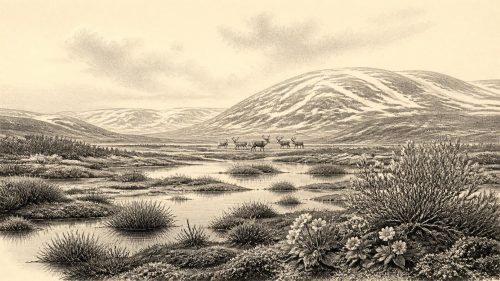
Although 30,272 BCE cannot identify a precise Irish event, it frames a late Marine Isotope Stage 3 environment. At Derryvree in Fermanagh, freshwater wetland sediments between glacial tills preserve evidence of treeless tundra, cold-adapted plants and locally ice-free conditions before renewed glaciation. A radiocarbon result indicates a broad earlier interval, not a date-stamped scene. Castlepook Cave in Cork produced remains of reindeer, mammoth, giant deer and predators, though mixed contexts prevent a single chronological reconstruction. A possibly tool-marked reindeer bone suggests human butchery, but no secure settlement evidence exists. Growing ice reshaped Ireland, eroding traces of earlier landscapes and occupations.
Read Article
Archived: 4 October 2026
Abstract
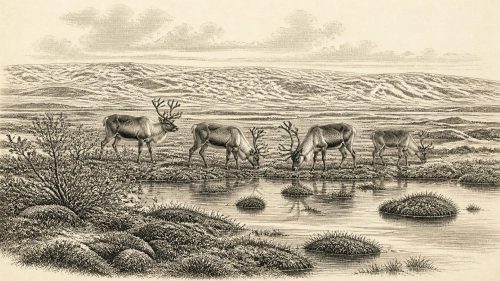
About 30,273 BCE, Ireland lay within the variable Late Pleistocene MIS 3 period, not a datable historical event. At Derryvree near Maguiresbridge, freshwater silts beneath till record a locally ice-free interval between glacial advances, with tundra vegetation, wetlands and severe periglacial conditions. Greenagho confirms regional climatic complexity. Castlepook Cave in Cork yielded diverse MIS 3 mammals, including reindeer, mammoth and hyaena, though deposits are mixed and dates require caution. A cut-marked reindeer bone may indicate human activity, but no secure contemporary settlement exists. Ireland was a changing Ice Age landscape, with uncertain animal and human access routes across north-west Europe.
Read Article
Archived: 4 October 2026
Abstract
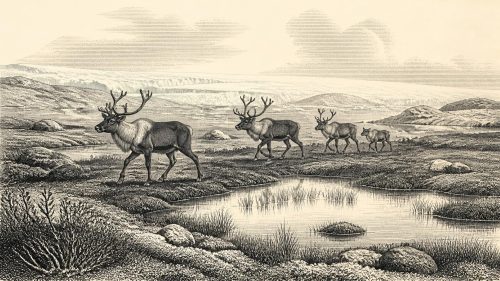
30,274 BCE is a modern label for a broad later Pleistocene interval, not a precisely dated Irish year. At Derryvree, County Fermanagh, radiocarbon-dated freshwater sediments between tills record a cold, treeless wetland with tundra plants, insects and temporary local ice-free conditions before renewed glaciation. Castlepook Cave, County Cork, preserves diverse fauna including mammoth, reindeer, hyaena and wolf, demonstrating links with Britain and Europe. A marked reindeer femur may indicate Upper Palaeolithic butchery, but cannot prove settlement or continuous occupation. Ireland experienced fluctuating ice, habitats and animal movements; evidence supports no polities, farming, trade, beliefs or secure human communities at all.
Read Article

Archived: 4 October 2026
Abstract
About 30,278 BCE, Ireland’s history can only be reconstructed from environmental evidence, not annual records. At Derryvree, County Fermanagh, organic silts between glacial tills reveal an ice-free interval of cold, treeless, waterlogged tundra, demonstrating fluctuating glaciation. Castlepook Cave, County Cork, preserves a long accumulation of Ice Age fauna, including mammoth, reindeer, giant deer, bear, hyaena and wolf, though not a single contemporaneous community. A marked reindeer bone may indicate human butchery, but cannot prove settlement or sustained occupation. Expanding ice sheets and lower sea levels reshaped coasts and routes. The evidence portrays a climatically unstable, resource-rich but uncertain Pleistocene Ireland.
Read Article

Archived: 4 October 2026
Abstract
Thirty thousand two hundred and seventy-nine BCE is a modern label, not a securely datable Irish event. Derryvree, County Fermanagh, preserves organic freshwater sediments between two glacial tills, demonstrating an ice-free interval during late Marine Isotope Stage 3. Plants and insects indicate a cold, treeless wetland. Other deposits confirm episodic, mobile glaciation, preceding the Last Glacial Maximum. Castlepook Cave, County Cork, records cold-stage fauna, including mammoth, reindeer and hyaena; a possibly cut-marked reindeer bone may indicate a brief human visit. However, no settlement, society or precise landscape can be reconstructed. Glacial erosion and fragmentary archives chiefly reveal fluctuating environmental conditions.
Read Article

Archived: 4 October 2026
Abstract
Around 30,280 BCE, Ireland was a dynamic Late Pleistocene landscape, not a documented historical society. Derryvree, County Fermanagh, preserves organic freshwater deposits between tills, radiocarbon-dated broadly to 34,950–29,750 BCE. Its plants and insects indicate treeless, periglacial tundra wetlands, with sedges, mosses, herbs and shallow water, during an ice-free local interval. Castlepook Cave, County Cork, contains animal remains accumulated over millennia, including reindeer, mammoth, giant deer, predators and cold-adapted small mammals. A marked reindeer femur may indicate human carcass processing, but cannot establish settlement, hunting, community, culture or a precise date. Evidence chiefly reveals changing ice, environments and wildlife in Ireland.
Read Article
Archived: 4 October 2026
Abstract
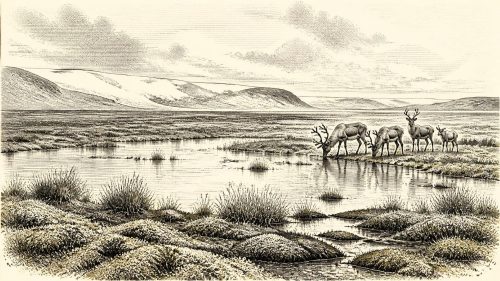
Ireland around 30,281 BCE lay within an unstable Late Pleistocene cold phase, not a date permitting annual historical precision. At Derryvree, County Fermanagh, freshwater sediments and organic deposits between two tills show that a local wetland developed during an interval between glacier advances. Radiocarbon evidence places this episode broadly within a calibrated range encompassing the notional year. Treeless vegetation, shifting drainage and cold-adapted fauna characterised varied regional environments. Ice was expanding towards later maximum extent, but Ireland was not demonstrably uniformly ice-covered. Cave finds suggest possible fleeting human visits, yet no settlement is proven. Evidence records environmental change, not societies.
Read Article

Archived: 4 October 2026
Abstract
Around 30,283 BCE, Ireland lay within unstable Marine Isotope Stage 3, as the British–Irish Ice Sheet expanded. Derryvree, County Fermanagh, preserves freshwater silts and organic deposits between glacial tills, demonstrating a cold, open, tundra-like wetland with hardy plants during an ice-free or ice-marginal interval. Radiocarbon calibration permits only a broad date range, not annual precision. Castlepook Cave, County Cork, records mammoth, reindeer, giant deer and predators, indicating varied cold-stage fauna. A possibly cut-marked reindeer bone may suggest an early human visit, but remains unconfirmed. No evidence supports permanent settlement, society or events; environmental change dominates this period across the island.
Read Article
Archived: 4 October 2026
Abstract
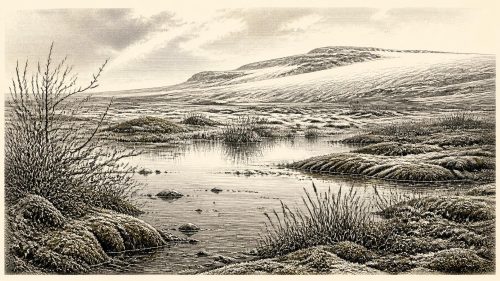
Around 30,284 BCE, Ireland cannot be described through a precise annual chronology, but environmental evidence illuminates a Late Pleistocene landscape. At Derryvree, County Fermanagh, freshwater organic deposits between glacial tills demonstrate a locally ice-free tundra wetland, with sedges, mosses, herbs and bogbean, during an unstable climatic interval. Cave evidence from Kerry indicates episodic unfrozen conditions, while Castlepook Cave, County Cork, records cold-adapted fauna including reindeer, mammoth and predators. A possibly cut-marked reindeer bone suggests, but does not confirm, human presence. Before the Last Glacial Maximum, Ireland was a shifting mosaic of water, open vegetation, animals and advancing ice across regions.
Read Article
Archived: 4 October 2026
Abstract
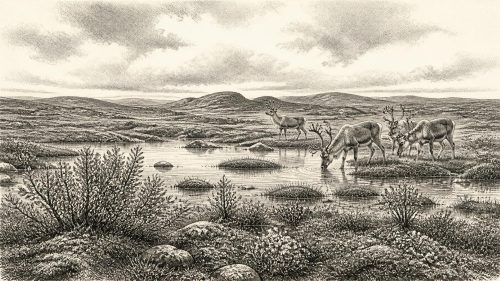
Around 30,285 BCE, Ireland was a cold, changing Late Pleistocene landscape, rather than a place documented by calendar years or historical communities. At Derryvree, near Maguiresbridge, freshwater sediments between glacial tills record an ice-free interval with shallow pools, sedges, mosses, herbs and treeless periglacial vegetation. Later ice advances buried and reshaped this environment. Castlepook Cave fauna, including mammoth, reindeer, giant deer, predators and Arctic species, demonstrates intermittent animal connections with north-west Europe, but not a single contemporary ecosystem. A possibly cut-marked reindeer bone suggests brief early human activity, yet permanent settlement, tools, hearths and social organisation remain still entirely unproven.
Read Article




