
Archived: 6 October 2026
Abstract
Thirty-thousand years BCE is best understood as a broad Late Pleistocene horizon, not a date for a recorded Irish event. During Marine Isotope Stage 3, Ireland experienced unstable climates, fluctuating ice and altered coastlines. Derryvree, County Fermanagh, preserves treeless wetland sediments between glacial tills, indicating cold, open habitats during an ice-free interval. Crag Cave flowstones in Kerry show liquid-water infiltration around 32,100 years ago, suggesting locally above-freezing annual conditions. Southern caves contain cold-stage fauna, including mammoth and reindeer. A possibly butchered reindeer bone at Castlepook hints at human activity, but permanent settlement remains unproven before later extensive glaciation across Ireland.
Read Article

Archived: 6 October 2026
Abstract
Around 32,125 cal BP, rather than a precisely knowable 30,176 BCE, Ireland experienced unstable late MIS 3 conditions. Crag Cave stalagmites ceased growing, indicating colder, drier or frozen local ground. As the British-Irish Ice Sheet expanded, Ireland remained regionally varied, with lower seas and shifting routes rather than uniform ice cover or a permanent land bridge. Open habitats supported reindeer, mammoth, giant deer, hare, lemmings, wolves and hyaenas, evidenced especially at Castlepook Cave. A possibly stone-cut reindeer bone may indicate brief Upper Palaeolithic carcass processing, but proves neither settlement nor continuous occupation. Environmental archives document climate, fauna, hydrology and ice.
Read Article

Archived: 3 October 2026
Abstract
About 30,338 BCE, Ireland lay within the unstable Late Pleistocene, not a precisely recoverable calendar year. Derryvree, County Fermanagh, preserves freshwater wetland sediments dated broadly to this period, indicating open, cold, treeless terrain of sedges, mosses, pools and tundra plants. Episodic calcite growth in County Kerry’s Crag Cave shows that southwest Ireland periodically retained circulating water during milder phases. Advancing ice later buried or destroyed landscapes, while Castlepook Cave fauna records mammoth, reindeer and carnivores. A marked reindeer bone may indicate human processing, but proves neither settlement nor culture. Evidence supports a regionally varied Ice Age environment, not year-specific events.
Read Article
Archived: 29 September 2026
Abstract
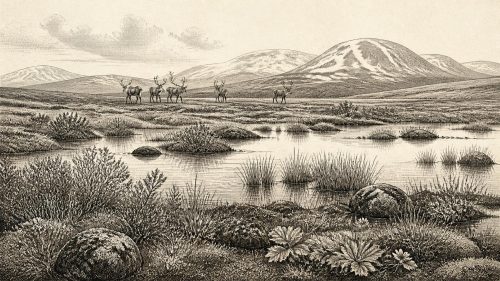
Thirty thousand years before the present, Ireland cannot be described through a recoverable historical year, but through uncertain environmental ranges. Derryvree, County Fermanagh, preserves freshwater sediments between glacial tills, indicating an ice-free tundra wetland with cold-adapted vegetation during an interstadial phase. Crag Cave mineral deposits suggest south-western Ireland responded to abrupt climatic ameliorations. Cave fauna, especially at Castlepook, records mammoth, reindeer, giant deer, predators and other Ice Age animals, though remains accumulated over long periods. A possibly cut-marked reindeer bone raises, but does not prove, human presence. Ireland remained a changing, intermittently fully habitable landscape before the Last Glacial Maximum.
Read Article
Archived: 28 September 2026
Abstract
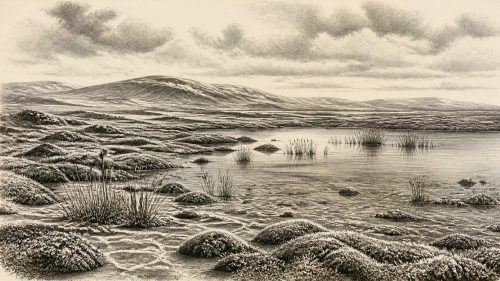
Around 30,541 BCE, Ireland lay within an unstable later-Pleistocene cold stage, before the Last Glacial Maximum, rather than a landscape describable through annual history. Derryvree, County Fermanagh, preserves freshwater sediments between glacial tills, indicating locally ice-free, treeless tundra with wetland plants during an environmental interval. Cave fauna demonstrate changing access for cold-adapted and large mammals, although deposits span different dates. Crag Cave stalagmites record episodic milder conditions permitting water circulation. Possible butchery marks on a Castlepook reindeer bone raise, but do not prove, Upper Palaeolithic human activity. Evidence reveals climatic variation, not societies, events or precise calendar chronology at all.
Read Article
Archived: 27 September 2026
Abstract
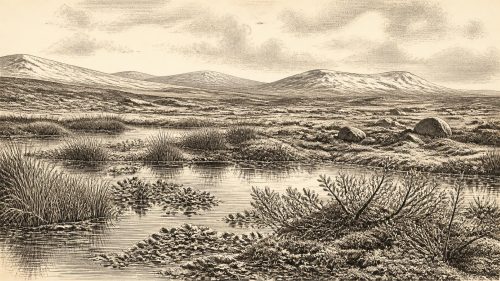
30,572 BCE is a modern label within a broad Late Pleistocene range, not a recorded Irish year. Derryvree, County Fermanagh, preserves freshwater sediments between glacial tills, indicating a cold, treeless, periglacial wetland during an ice-free interval, later buried by renewed ice. Its radiocarbon dates cannot identify conditions in any single year. Crag Cave speleothems show intermittent milder phases in south-west Ireland, while southern caves contain Marine Isotope Stage 3 animal remains, including giant deer and hyaena. Possible human modification of a Castlepook reindeer bone remains uncertain. No secure evidence demonstrates permanent settlement, polities, culture, farming, trade or sustained human occupation.
Read Article

Archived: 23 September 2026
Abstract
Around 30,830 BCE, Ireland lay within the climatically unstable Late Pleistocene MIS 3, not a precisely dated historical year. At Derryvree, County Fermanagh, freshwater sediments between glacial tills record a severe tundra-like environment of sedges, mosses and seasonal wetlands. Crag Cave speleothems indicate intermittent milder, wetter episodes. Castlepook Cave, Cork, preserved cold-stage fauna, including mammoth, reindeer, giant deer, bears, wolves and hyaenas, although its disturbed deposits cannot date species together. A marked reindeer femur may indicate Upper Palaeolithic butchery, but provides no secure evidence of settlement. Subsequent glaciation later buried or erased much of this fragmentary ecological record across Ireland.
Read Article
Archived: 20 September 2026
Abstract
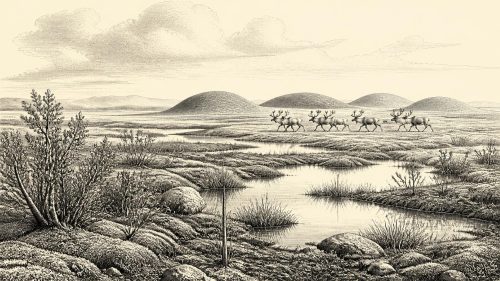
Around 31,042 BCE, Ireland lay within a fluctuating late Ice Age environment rather than a fixed ice sheet. Derryvree sediments in Fermanagh record treeless, waterlogged tundra wetlands between glacial advances, while Crag Cave stalagmites in Kerry indicate episodically milder conditions allowing calcite growth. Castlepook Cave, Cork, preserves diverse cold-stage fauna, including reindeer, mammoth, hyaena and lemmings, though cave deposits mix material from different times. A marked reindeer femur may indicate human butchery about 33,000 years ago, but cannot prove settlement. Later ice, sea-level change and early excavations obscured much evidence, leaving environmental possibility rather than documented society. Certainty remains limited.
Read Article

Archived: 20 September 2026
Abstract
Around 31,063 BCE, Ireland lay within the climatically unstable Marine Isotope Stage 3. No evidence identifies events in that precise year, and dates require broad calibrated ranges. Inter-till sediments at Derryvree, County Fermanagh, show episodic ice-free conditions, freshwater pools and treeless tundra vegetation. Crag Cave, County Kerry, preserves speleothem growth indicating intermittent liquid water and unfrozen ground. Castlepook Cave, County Cork, yielded diverse cold-climate fauna, although its bones do not prove human settlement. A possible cut-marked reindeer bone remains uncertain evidence of human activity. Expanding ice increasingly constrained habitats, while Ireland’s record survives chiefly in sediments, calcite and animal remains.
Read Article
Archived: 19 September 2026
Abstract
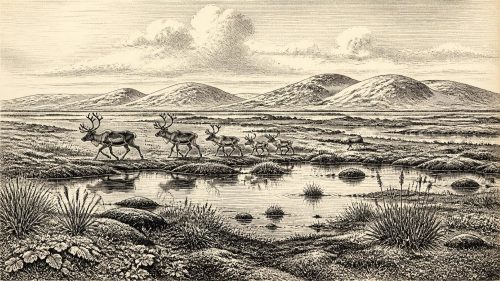
31,196 BCE is not recoverable as a discrete Irish year, but falls within a Late Pleistocene interval of climatic instability. Derryvree, County Fermanagh, preserves an ice-free phase between glaciations, with freshwater sediments recording open, treeless tundra wetland. Flowstone at Crag Cave indicates groundwater and locally non-glacial conditions in south-west Ireland during wider transition towards renewed ice-sheet expansion. Castlepook Cave documents diverse cold-adapted fauna, although its deposits combine episodes and processes. A marked reindeer femur may indicate Upper Palaeolithic butchery, yet cannot demonstrate settlement. Evidence supports changing habitats, animal movements and possible brief human presence, rather than events or known societies.
Read Article

Archived: 18 September 2026
Abstract
31,243 BCE is not a recoverable Irish year but an interval within Marine Isotope Stage 3, when climate and ice limits changed. Later glaciation destroyed evidence, leaving environmental archives rather than social history. Derryvree sediments, sealed between tills, indicate cold, open tundra-like wetlands during an interstadial interval. Crag Cave speleothems show episodes of infiltration, implying local thaws and absence of continuous ice or permafrost. Southern cave fauna confirms Pleistocene mammals, though deposits are mixed across time. A cut-marked Castlepook reindeer bone may suggest human presence, but cannot establish settlement, culture or occupation. Evidence therefore depicts a fragmented, dynamic Ice-Age landscape.
Read Article
Archived: 18 September 2026
Abstract
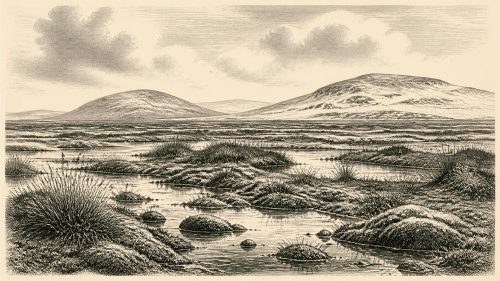
31,249 BCE is a modern label for a broad MIS 3 horizon, not a precise Irish event. Ireland experienced unstable cold-stage conditions, with shifting ice, permafrost, meltwater and sparse vegetation before the Last Glacial Maximum. Derryvree’s sediments preserve a treeless freshwater wetland between glacial advances, while Crag Cave calcite indicates episodic thaw and water infiltration in south-west Ireland. Castlepook Cave fauna show cold-adapted mammals, including reindeer, mammoth and hyena, reached the island. A marked reindeer femur may indicate early human butchery, but remains unconfirmed. Changing coastlines allowed ecological connections, though routes remain uncertain; political or cultural history is largely unrecoverable.
Read Article

Archived: 18 September 2026
Abstract
At 31,325 BCE, Ireland was a climatically unstable Late Pleistocene fringe, not a landscape uniformly covered by ice. Derryvree, County Fermanagh, preserves sediments indicating cold, treeless tundra wetlands with freshwater ecosystems before later glaciation. Crag Cave, County Kerry, records intermittent calcite growth, showing milder MIS 3 episodes when liquid water circulated underground. Castlepook Cave, County Cork, contains a complex fauna including mammoth, reindeer, hyaena and other species, demonstrating habitable open environments. A cut-marked reindeer bone may indicate Upper Palaeolithic butchery, but lacks associated artefacts or occupation evidence. No political or settled human society can be inferred; environmental change remains record.
Read Article
Archived: 18 September 2026
Abstract
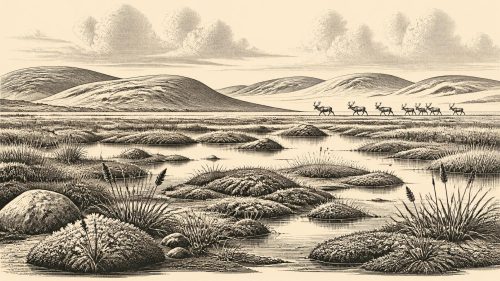
31,331 BCE is best understood as part of later Marine Isotope Stage 3, not a recoverable year in Irish history. Derryvree sediments in Fermanagh record a cold, treeless freshwater wetland between glacial advances, supporting plants, insects and seasonal animal life. Crag Cave speleothems in Kerry indicate episodic milder conditions before cave-water deposition ceased around 32,100 years ago as climate cooled. Ice growth, lowered sea levels and shifting coastlines produced uneven regional environments. Castlepook Cave preserves cold-stage fauna and a contested possible cut-marked reindeer bone, but no secure evidence of human occupation. Ireland’s record is chiefly environmental, fragmented by later glaciation.
Read Article
Archived: 18 September 2026
Abstract
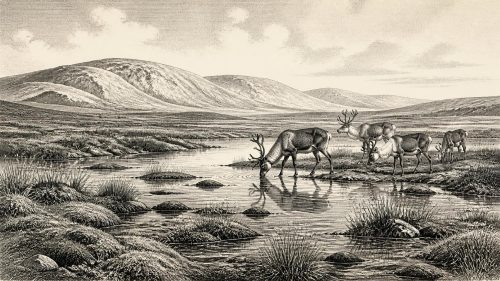
31,343 BCE denotes an imprecise point during Marine Isotope Stage 3, when Ireland’s climate and ice cover changed rapidly. Derryvree, County Fermanagh, preserves sediments between glacial tills, showing a locally ice-free, cold wetland with tundra vegetation, insects and freshwater life. Castlepook Cave, County Cork, contains cold-adapted fauna; a marked reindeer femur may indicate human butchery, but cannot prove settlement or continuous occupation. No evidence supports Irish politics, farming, trade, religion or society at this date. Crag Cave speleothem growth in Kerry demonstrates episodic liquid water and milder intervals. Ireland was a harsh landscape, reconstructed from fragmentary environmental and archaeological evidence.
Read Article

Archived: 17 September 2026
Abstract
31,380 BCE is not a recoverable Irish historical year but a broad Late Pleistocene MIS 3 horizon. At Derryvree, County Fermanagh, organic deposits between glacial tills, including BIRM-166, indicate an ice-free interval with cold, open freshwater tundra environments, though radiocarbon calibration prevents precise dating. Crag Cave, Kerry, records milder episodes allowing calcite growth. Castlepook Cave, Cork, preserves diverse Ice Age fauna, demonstrating varied cold-climate ecosystems. A reportedly butchered reindeer bone may signal early human visitation, but remains disputed and cannot establish settlement or continuity. Subsequent expansion of the British–Irish Ice Sheet transformed and obscured this fragile environmental record in Ireland.
Read Article
Archived: 17 September 2026
Abstract
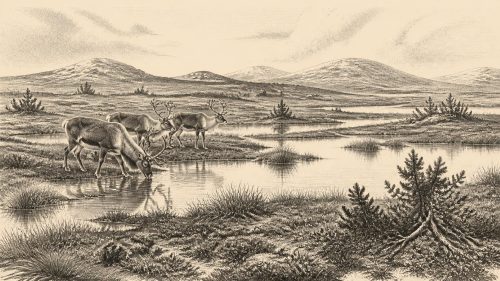
Around 31,385 BCE, Ireland lay within Marine Isotope Stage 3, an unstable phase of the last Ice Age rather than a precisely datable historical moment. Derryvree, County Fermanagh, preserves freshwater sediments between glacial tills, indicating cold, open, tundra-like wetland during an ice-free interval. Calcite growth in Kerry’s Crag Cave demonstrates episodic conditions permitting liquid water, while ice sheets remained dynamic elsewhere. Southern caves yielded mammoth, reindeer and hyaena remains, showing links to wider European fauna. A cut-marked Castlepook reindeer bone may indicate early human activity in Ireland, but disturbed context and absent settlements preclude claims of permanent occupation or society.
Read Article

Archived: 17 September 2026
Abstract
31,408 BCE is a modern nominal date, not a recoverable Irish year. During climatically unstable Marine Isotope Stage 3, Ireland contained varying ice, tundra wetlands and occasional milder conditions. Derryvree, County Fermanagh, preserves freshwater sediments indicating treeless, seasonal, periglacial habitat with plants, insects and pools before later glaciation. Crag Cave calcite shows intermittent above-freezing water circulation in south-west Ireland. Castlepook Cave’s fauna includes reindeer, mammoth, giant deer, carnivores and hyena, although deposits span millennia. A possibly stone-cut reindeer bone may indicate human butchery, but cannot prove occupation. No securely dated settlements, tools, institutions or practices are known; evidence remains fragmentary.
Read Article

Archived: 17 September 2026
Abstract
31,454 BCE is a modern label for later Marine Isotope Stage 3, not a dateable Irish event. Buried sediments at Derryvree, Fermanagh, indicate an ice-free interval between glacial advances, with treeless tundra, wetlands and cold-adapted life. Crag Cave, Kerry, preserves dripstone formed during episodic milder conditions, confirming climatic instability. Castlepook Cave, Cork, contains reindeer, mammoth, hyaena and other fauna accumulated over long periods, demonstrating links with north-west European ecosystems. A cut-marked reindeer bone may indicate Upper Palaeolithic human activity, but cannot prove settlement. Evidence reveals a changing Ice-Age landscape, not societies, monuments or historical communities across a fluctuating glacial margin.
Read Article

Archived: 16 September 2026
Abstract
Around 31,541 BCE, Ireland cannot be described through a precise historical year, but archaeological evidence indicates fluctuating Late Pleistocene conditions. Derryvree, County Fermanagh, preserves an ice-free freshwater wetland beneath tills, with treeless tundra vegetation. Castlepook Cave, County Cork, yielded cold-adapted fauna including mammoth, reindeer and hyaena, demonstrating intermittent ecological links with Europe, though its dating and deposition are complex. A possibly cut-marked reindeer bone suggests transient human contact but not settlement. Crag Cave calcite shows episodes of liquid water and unfrozen ground. Expanding ice later transformed and obscured these varied, vulnerable landscapes during the approach to the Last Glacial Maximum.
Read Article
Archived: 16 September 2026
Abstract
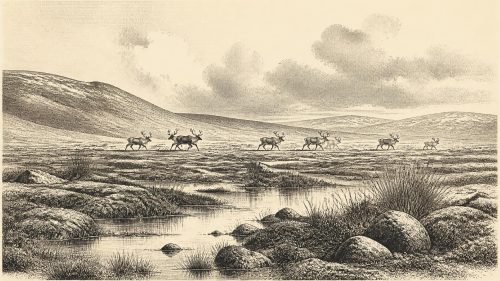
Around 31,562 BCE, Ireland was part of a climatically unstable Late Pleistocene landscape, not a documented historical year. Derryvree sediments in Fermanagh indicate cold, open tundra and freshwater wetlands during an ice-free or less-glaciated interval. Crag Cave speleothems in Kerry record episodic liquid water, showing warmer interstadials amid severe conditions. Southern cave faunas included reindeer, horse, mammoth, giant deer and hyaena, demonstrating habitats for herbivores and predators. A marked Castlepook reindeer bone may indicate human butchery, but lacks secure archaeological context and cannot prove settlement. Subsequent ice-sheet growth reshaped and buried landscapes, leaving a fragmentary record requiring cautious interpretation today.
Read Article

Archived: 16 September 2026
Abstract
About 31,571 BCE is a modern approximation, not a recorded Irish date, indicating a fluctuating MIS 3 glacial environment. Derryvree sediments in Fermanagh demonstrate an ice-free freshwater interval between glacial advances, supporting cold, open wetland vegetation. Crag Cave calcite records milder interstadials, when groundwater circulated, amid temperature swings exceeding 10°C. Castlepook Cave's mixed fauna, including reindeer, mammoth and hyaena, confirms intermittent animal occupation of exposed grazing landscapes. A possibly tool-marked reindeer bone may indicate brief human presence, but lacks secure context. Later ice destroyed evidence; no settlements, polity, economy, ritual or culture can be established with confidence from present evidence.
Read Article

Archived: 15 September 2026
Abstract
Around 31,652 BCE, Ireland lay within the climatically unstable Late Pleistocene, not a recorded historical world. Evidence is sparse and cannot demonstrate settlement, institutions or fixed events. Derryvree sediments indicate open tundra-like vegetation, wetlands and fluctuating conditions, while Crag Cave speleothems show intermittent liquid water in south-west Ireland during milder phases. Castlepook Cave fauna confirms repeated arrivals of mammals, including reindeer, mammoth, hyaena and bear, across changing routes. A marked reindeer bone may indicate human butchery about 33,000 years ago, but remains inconclusive. Ireland was a cold, shifting landscape, intermittently habitable for plants and animals, and possibly visited by people.
Read Article

Archived: 15 September 2026
Abstract
The nominal date 31,694 BCE cannot describe an event, but denotes a broadly dated MIS 3 interval of climatic instability. Ireland was a changing glacial frontier, with shifting ice, water and open terrain. Derryvree sediments record cold, treeless freshwater tundra between glacial advances; Crag Cave indicates episodic milder conditions. Castlepook Cave preserves diverse Ice Age fauna, though bones accumulated over time and are not contemporaneous. An incised reindeer femur may indicate stone-tool butchery and Ireland’s earliest human presence, but lacks secure contextual evidence. The article concludes that mobile hunter-gatherers may have visited, without proof of settlement, continuity or social details.
Read Article
Archived: 15 September 2026
Abstract
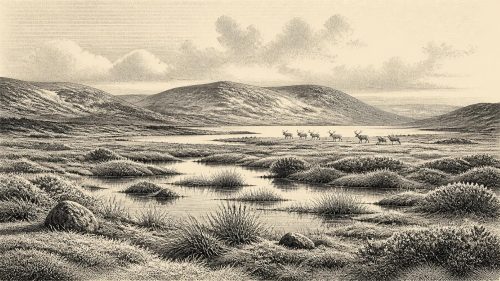
Around 31,708 BCE, Ireland was part of a climatically unstable Late Pleistocene landscape, not a place with a recoverable annual history. Derryvree sediments in Fermanagh indicate cold, open, waterlogged tundra-like habitats with mosses, sedges and northern insects during a broad period encompassing this date. Ice margins, sea levels and vegetation shifted repeatedly before the Last Glacial Maximum. Crag Cave stalagmites record intermittent milder phases, while southern caves preserve varied cold-stage mammals. Castlepook’s marked reindeer bone may indicate human processing, but lacks secure archaeological context. Evidence supports transient animal habitats and possible brief human visits, not settlement, society or political events.
Read Article

Archived: 14 September 2026
Abstract
Around 31,756 BCE, Ireland formed an unstable Ice Age frontier during Marine Isotope Stage 3, rather than a precisely datable historical setting. Derryvree sediments in Fermanagh record wet, largely treeless tundra between glacial advances. Castlepook Cave in Cork contains mixed remains of mammoth, reindeer, giant deer and predators, demonstrating a cold-climate fauna over millennia. A marked reindeer bone may indicate brief human butchery, but proves neither settlement nor sustained occupation. Crag Cave calcite shows intermittent thaws, linked to North Atlantic climate shifts. As conditions deteriorated, advancing ice later reshaped landscapes and destroyed, buried or disturbed much earlier evidence of prehistory.
Read Article

Archived: 14 September 2026
Abstract
Around 31,764 BCE, Ireland was a climatically unstable Late Pleistocene landscape rather than a documented historical society. Derryvree deposits in County Fermanagh reveal freshwater pools, patchy tundra vegetation and periglacial conditions during a broadly dated interval encompassing this label. Crag Cave speleothems in Kerry show intermittent warmer phases when liquid water penetrated limestone. Cave fauna, including reindeer, giant deer, mammoth, bears, wolves and hyaenas, indicates intermittently habitable open country. A marked reindeer bone from Castlepook may suggest human handling, but cannot prove settlement. No evidence supports communities, politics, religion, trade or permanent occupation. Later glaciation obscured much of this record.
Read Article

Archived: 14 September 2026
Abstract
During later Marine Isotope Stage 3, around 31,776 BCE, Ireland experienced cold, unstable conditions as the British-Irish Ice Sheet developed, though southern areas retained habitable, intermittently ice-free environments. Crag Cave calcite growth indicates liquid water and absence of permanent local freezing during some episodes. Lower sea levels altered connections with Britain and Europe, enabling diverse mammals, including reindeer, mammoth and hyaena, to reach Ireland. A marked reindeer femur from Castlepook Cave may record human butchery about 33,000 years ago, but poor context prevents firm conclusions. Evidence supports environmental change and possible brief visits, not established human settlement, society or culture.
Read Article

Archived: 14 September 2026
Abstract
Circa 31,800 BCE, Ireland lay within the climatically unstable Marine Isotope Stage 3, not a precisely datable historical year. Calibrated evidence from Derryvree, County Fermanagh, records freshwater tundra sediments, including bogbean, between glacial tills, showing locally ice-free, periglacial conditions before later ice expansion. Cave and speleothem records indicate shifting cold environments and intermittent habitats for mammoth, reindeer, giant deer, carnivores and other fauna. A cut-marked Castlepook reindeer bone may suggest a brief Upper Palaeolithic visit, but disturbed context prevents confirmation. No secure evidence supports permanent human settlement, society, culture or political life. Ireland remained an ecologically demanding Ice Age fringe.
Read Article

Archived: 9 September 2026
Abstract
Around 31,873 BCE, Ireland lay within the unstable MIS 3 phase of the last Ice Age, not a precisely recoverable calendar year. Ice, sea levels, rivers and vegetation changed repeatedly as conditions alternated between milder interstadials and severe stadials. Fermanagh sediments indicate treeless, cold freshwater wetlands with mosses, sedges and northern insects, while southern caves preserve remains of reindeer, giant deer, bears, hyaenas, foxes and hares. Crag Cave speleothems record episodic milder conditions permitting calcite growth. Human presence remains unproven: a possibly cut-marked Castlepook reindeer bone suggests a contested brief visit, whereas later secure evidence does not establish permanent settlement.
Read Article




