War

Showing results 11–20 of 34


Boers Defended

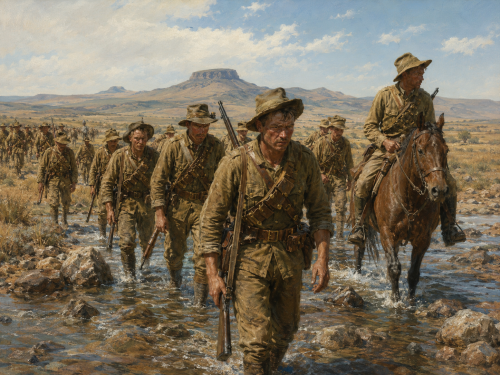
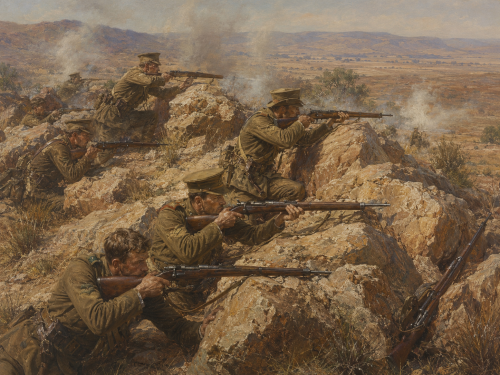
Nationalists throughout Limerick are following a forceful parliamentary protest against Britain’s continuing war in South Africa, where Irish representatives have declared their sympathy for the Boer republics. John Redmond told the House of Commons today that Ireland opposed the conflict and regarded the Transvaal and Orange Free State as small nations defending their independence against imperial power. The declaration carries particular weight in Limerick, where nationalist feeling exists beside the reality that local men serve in British uniform. Families may therefore condemn the Government’s policy while remaining deeply concerned for Irish soldiers facing death and injury overseas.
Read Article
Cheering Crowds

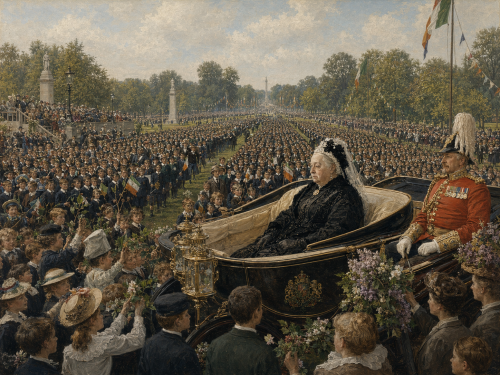
Large crowds have lined the route of Queen Victoria’s procession from Kingstown towards Dublin, creating one of the most striking public spectacles witnessed during her final visit to Ireland. The royal carriage passed through heavily decorated streets while spectators filled pavements, windows and temporary viewing places. Reports reaching Limerick describe sustained cheering as the procession moved towards the capital and the Viceregal Lodge in Phoenix Park. The gathering revealed more than official organisation alone. Public curiosity drew thousands outdoors, while loyalist residents and supporters of the Union treated the Queen’s arrival as an opportunity to demonstrate attachment to the Crown and British Empire.
Read Article

Battalion Arrives

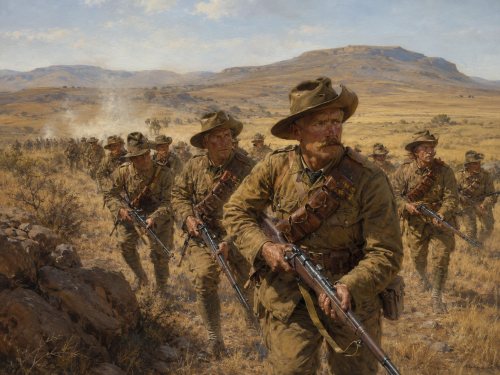
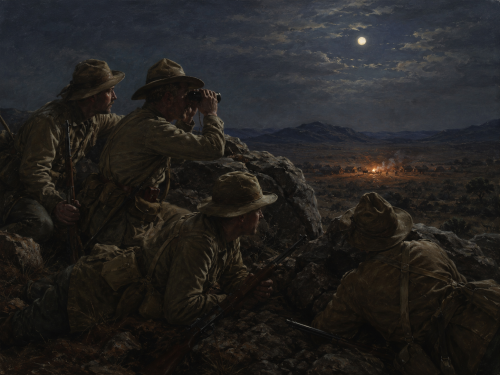
The 1st Battalion of the Royal Irish Regiment reached the Cape aboard the troopship Gascon on 7 January, completing a voyage that had begun on 14 December. Its arrival formed part of Britain’s accelerating military reinforcement of South Africa after the serious reverses suffered during the opening months of the war. The soldiers disembarked into an unfamiliar summer climate after spending more than three weeks at sea, carrying rifles, uniforms, personal kit and the expectations of a campaign whose duration remained uncertain. Their landing transformed the battalion from a home-based regiment into an active component of Britain’s expanding field army.
Read Article

Drogheda Muster

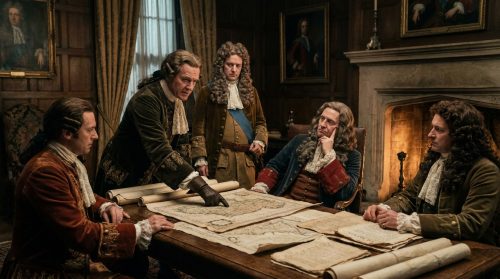
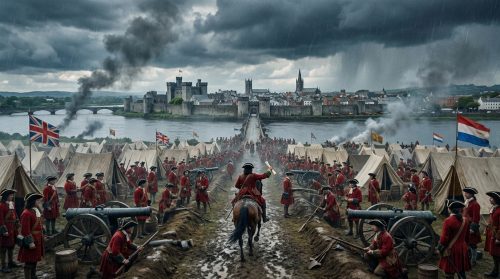
Limerick entered the military calculations of the Jacobite leadership during the first half of September 1689, as Marshal Schomberg’s Williamite army advanced southwards through Ulster. French commander Conrad de Rosen regarded Dublin and Drogheda as dangerously exposed and favoured concentrating the Irish forces behind the Shannon, with Athlone and Limerick forming the principal defensive centres. The proposal revealed how rapidly Limerick had become important to the survival of James II’s cause. Richard Talbot, Duke of Tyrconnell, opposed an immediate abandonment of the eastern approaches and supported assembling the available Jacobite regiments around Drogheda to confront the advancing enemy.
Read Article

Patriotic Children

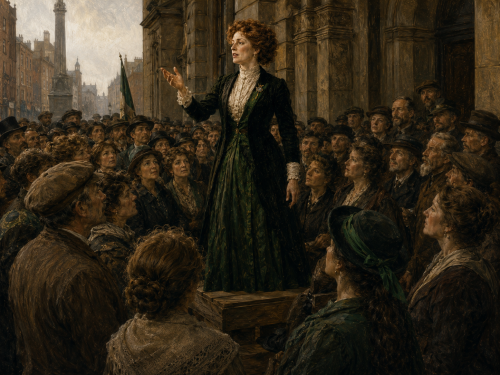
Nationalist women have organised a vast Patriotic Children’s Treat in Dublin as a direct challenge to the royal celebration arranged for school pupils during Queen Victoria’s April visit. Led by Maud Gonne, the women gathered children whose families had rejected or avoided the Phoenix Park festivities and offered them a separate day of food, music, recreation and national instruction. The event demonstrates that women excluded from formal political power can still influence public opinion through community organisation. Limerick nationalists will follow the gathering closely, recognising its attempt to place Irish identity rather than imperial loyalty before the country’s children.
Read Article

Boer Rallies

Public support for the Boer republics has taken a prominent civic form in Limerick as the Corporation moves to confer the freedom of the city upon Paul Kruger, former president of the South African Republic. The decision reflects a wider succession of meetings, resolutions and demonstrations held in Irish towns against Britain’s war in South Africa. Nationalist audiences have repeatedly identified the Boers as a small people defending their independence against imperial conquest. In Limerick, the argument carries particular force, although many local families remain deeply concerned for Irish soldiers serving with British regiments overseas.
Read Article
Shamrock Resolve

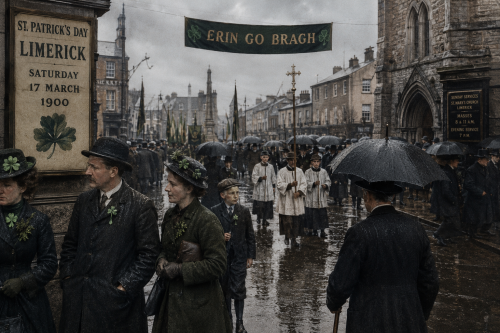
Limerick observed St Patrick’s Day on Saturday, 17 March 1900, beneath dark skies, persistent rain and an unwelcome chill. The difficult weather reduced the comfort of those moving through the city but did not erase the feast from public life. Residents attended religious services, wore shamrock and gathered wherever music, companionship and shelter could be found. The occasion belonged less to the organised civic spectacle familiar in later generations than to churches, families, neighbourhoods and voluntary associations. Its importance lay in the determination to honour Ireland’s patron saint despite conditions that might otherwise have emptied the streets.
Read Article
Surrender Refused

Limerick formally entered a state of siege on 9 August 1690 when William III’s army moved from its camp near Cahirconlish and established itself before the city. William sent a summons demanding surrender to Alexandre de Rainier de Droué, Marquis de Boisseleau, the French officer entrusted with commanding the Jacobite infantry within Limerick. The decision placed the city’s inhabitants, soldiers and defences at the centre of the war following the Boyne. William expected the remaining Jacobite resistance to collapse, but Limerick’s position behind the Shannon and the presence of a substantial garrison offered the defenders a final opportunity to continue the campaign.
Read Article
Headlines Divided

Dublin newspapers published extensive political and military coverage on 25 January 1900, placing Ireland’s internal nationalist divisions beside the continuing conflict in South Africa. Reports on the recent Mansion House conference examined attempts to reunite the parliamentary factions separated since the fall of Charles Stewart Parnell. In adjoining columns, readers encountered military dispatches, troop movements and casualty information from a war involving thousands of Irish soldiers. The combination revealed the conflicting pressures shaping Irish public life: demands for national political unity existed alongside intense concern for men serving throughout the British Army and widespread nationalist sympathy for Britain’s Boer opponents.
Read Article
Roberts Arrives

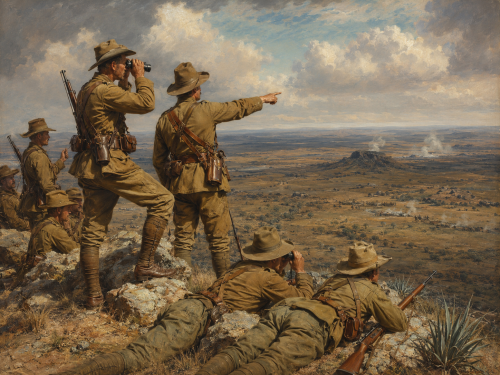
Field Marshal Lord Roberts arrived at Cape Town on 10 January 1900 and assumed supreme command of British forces in South Africa. He travelled aboard the Dunottar Castle with Lord Kitchener, who became his chief of staff. Their appointment followed the defeats of “Black Week,” when British reverses at Stormberg, Magersfontein and Colenso exposed serious weaknesses in command, intelligence and battlefield preparation. Roberts received a formal welcome at the harbour, but the ceremony could not conceal the gravity of his task. British garrisons remained besieged, casualties were rising and reinforcements arriving from across the Empire required organisation.
Read Article
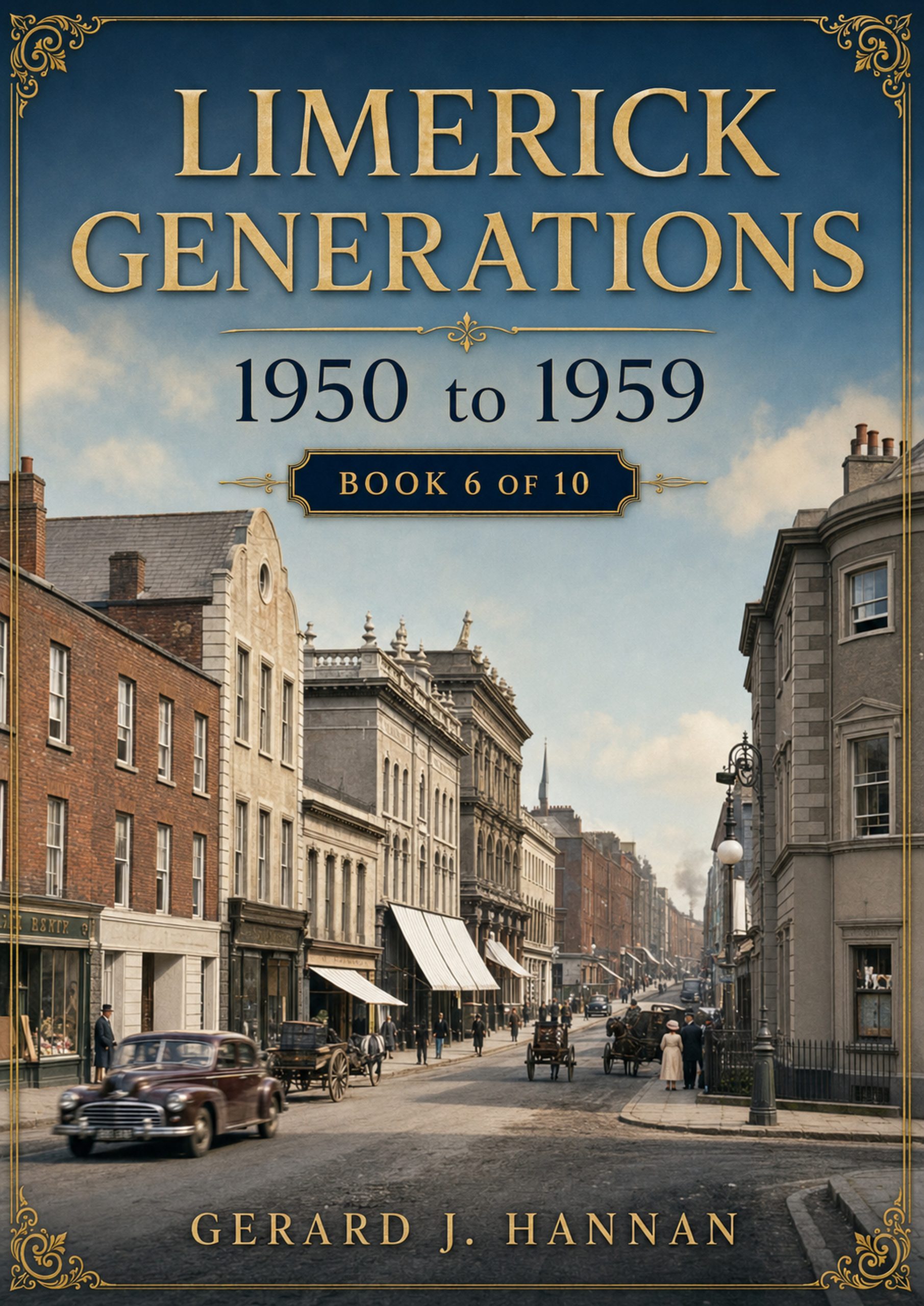
Gerard J. Hannan

Books By Gerard J. Hannan

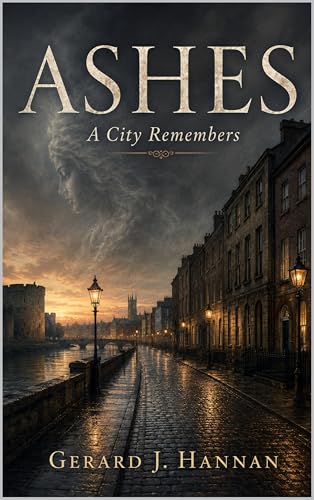
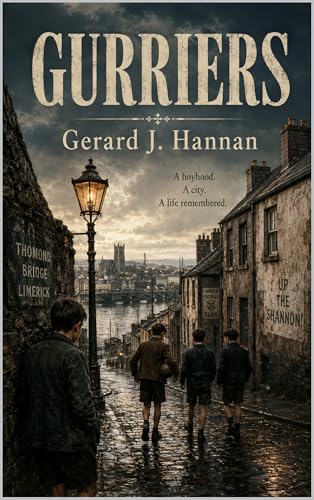
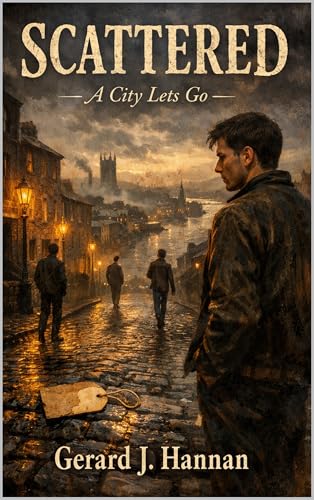
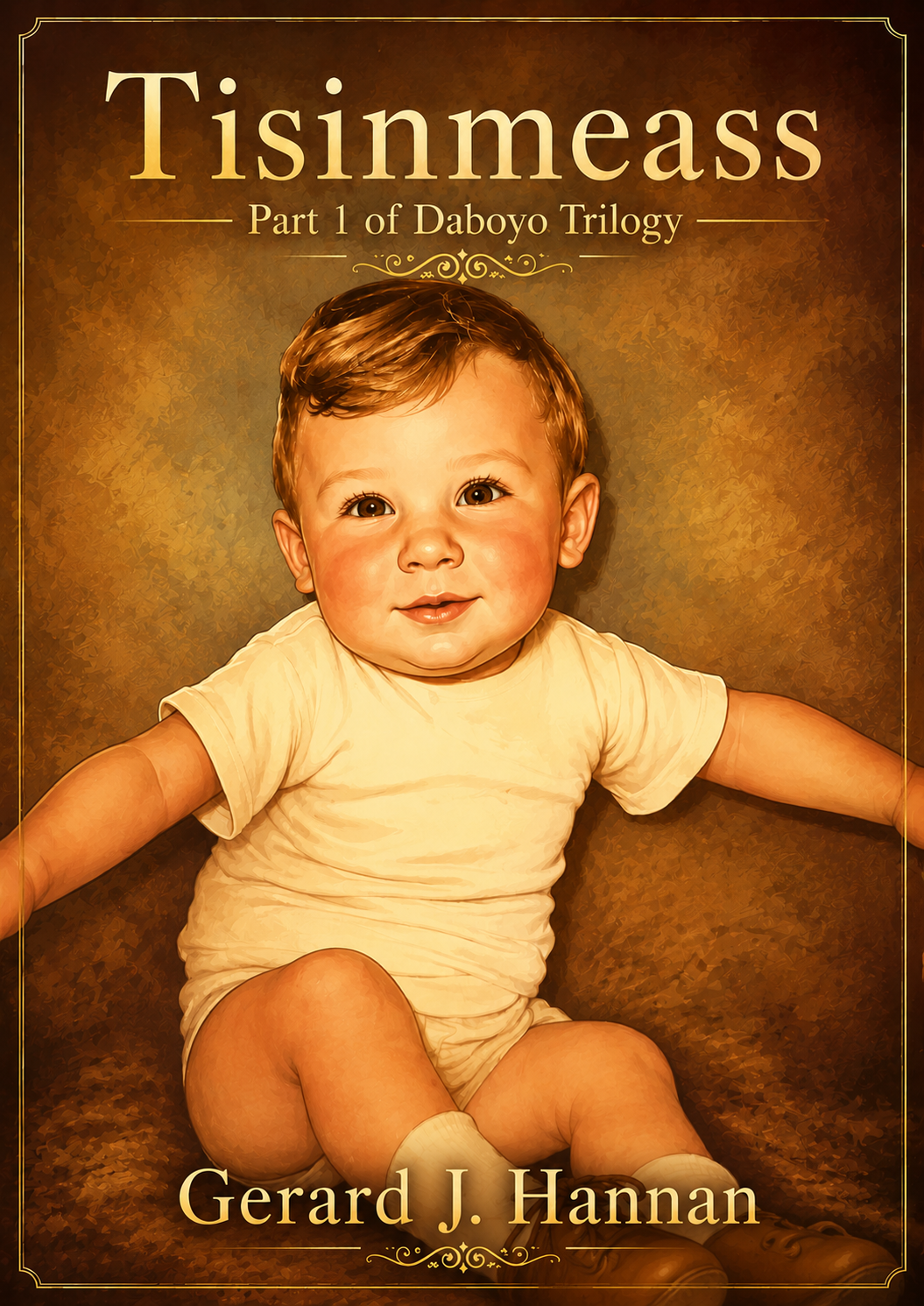
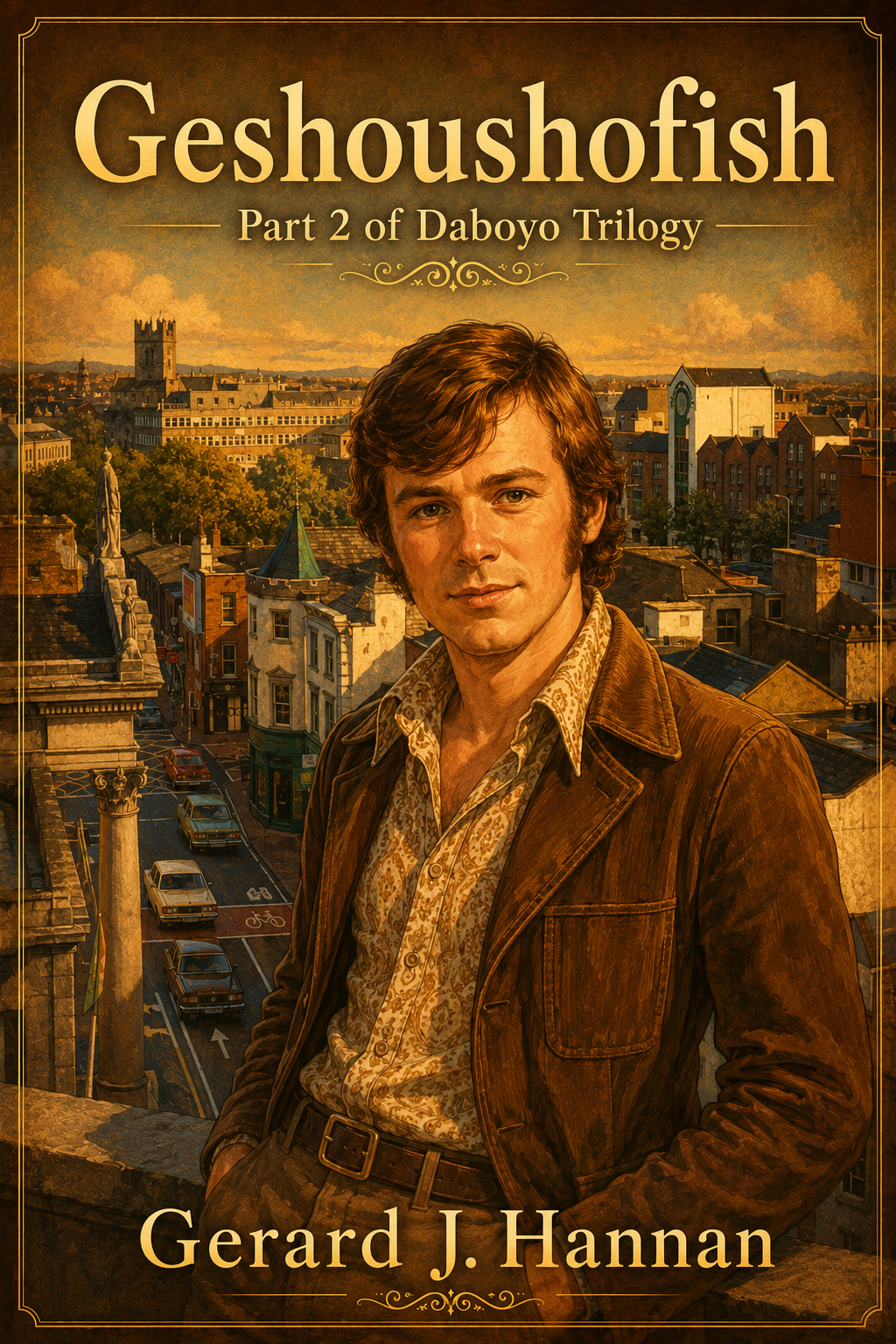
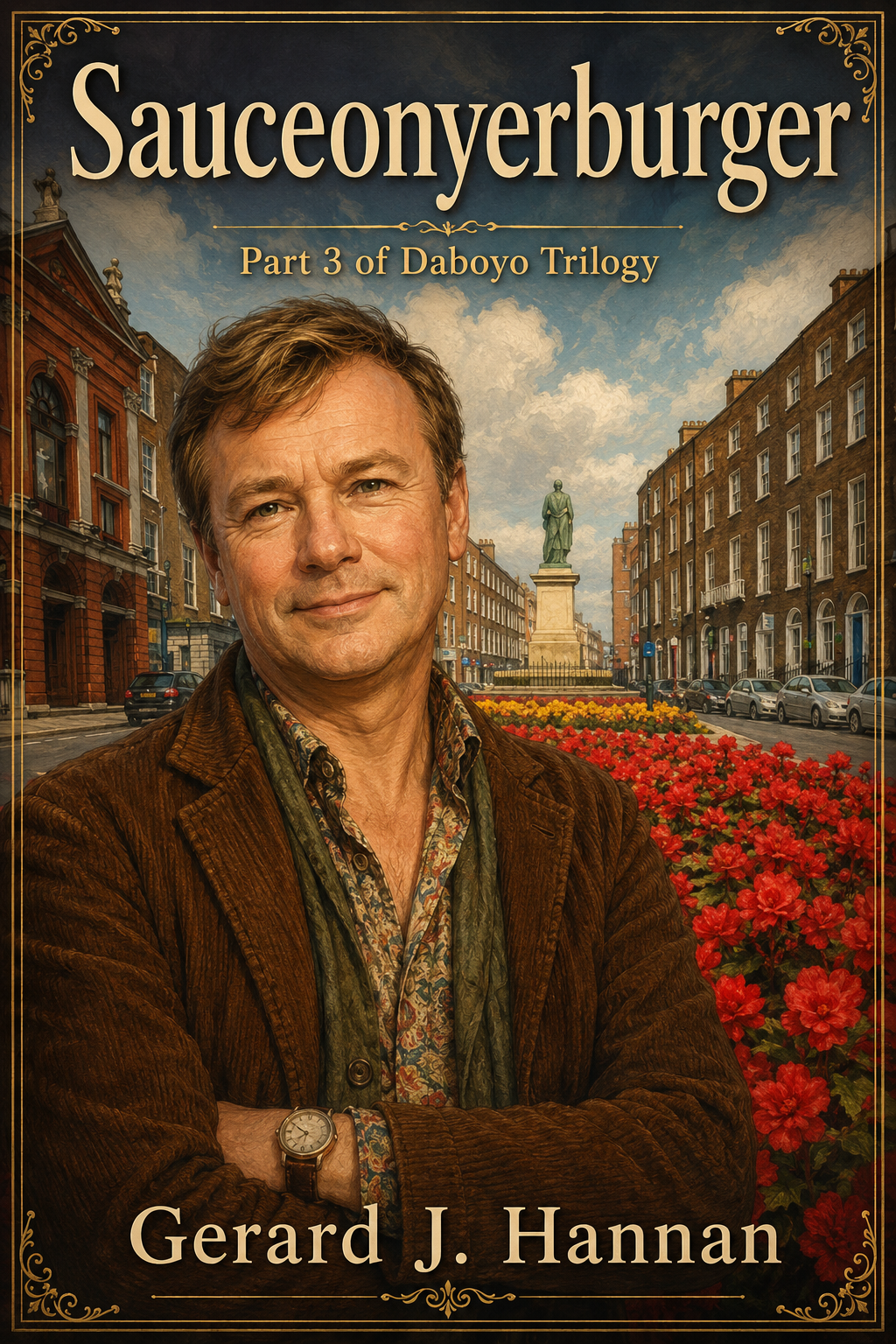
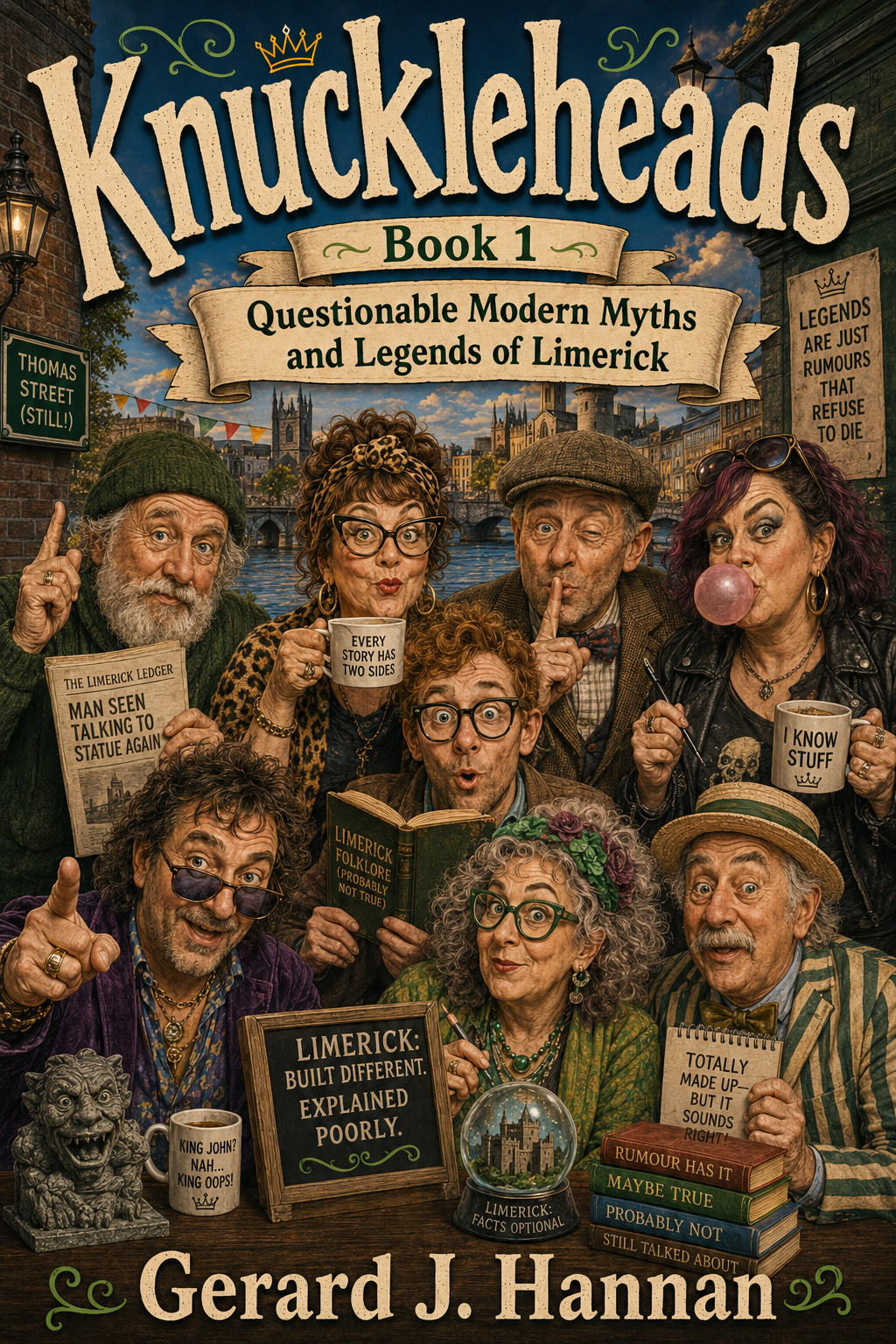
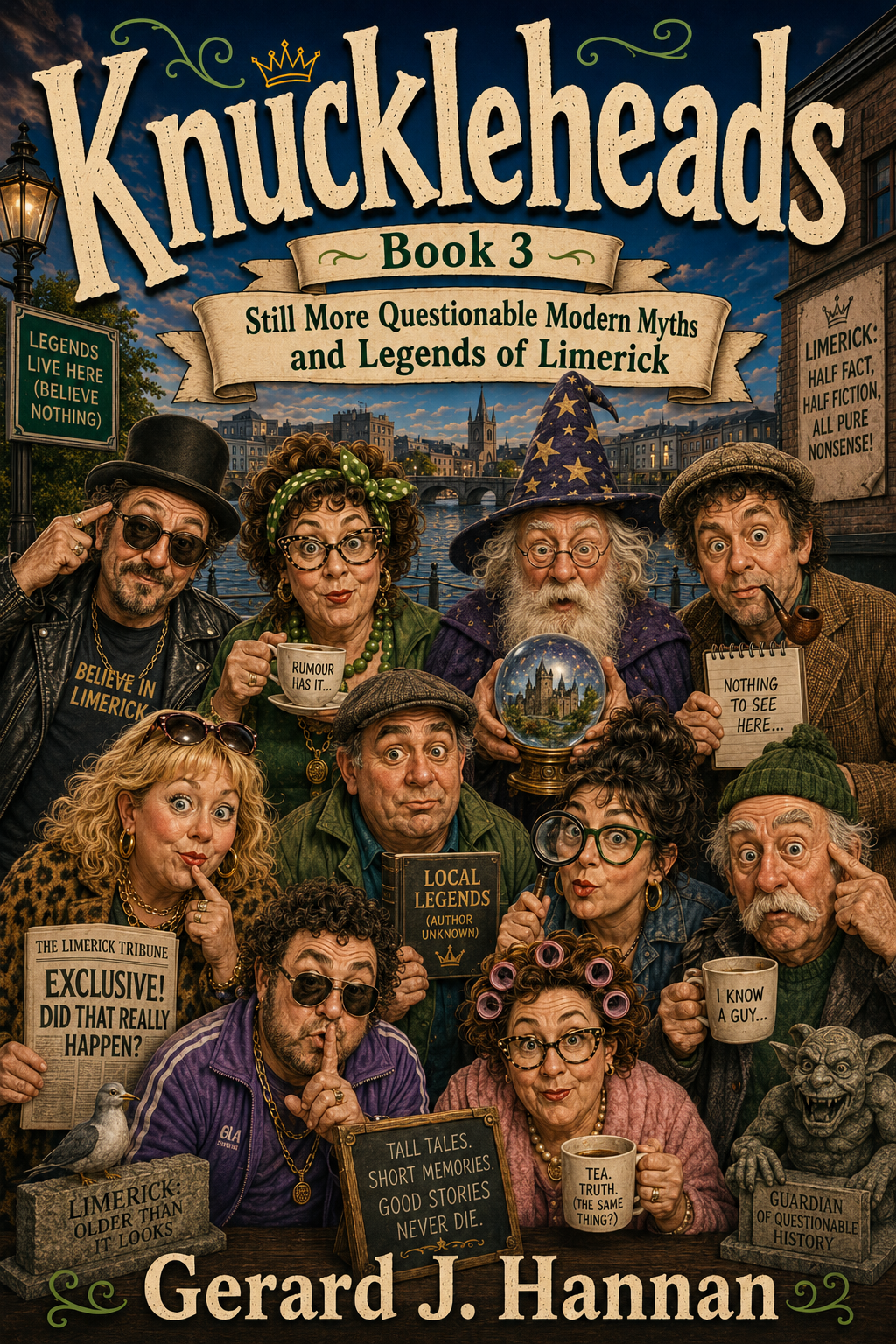
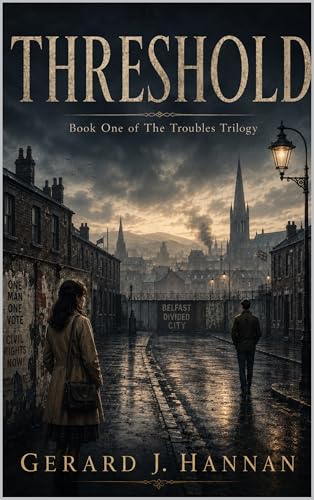
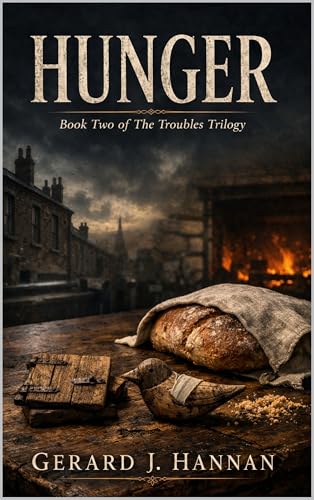
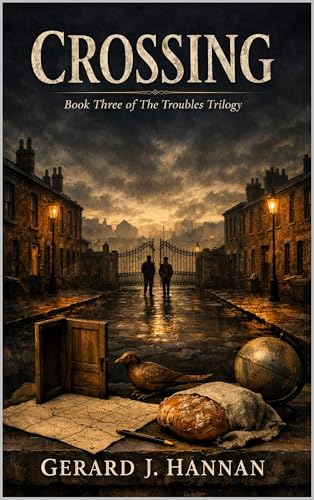
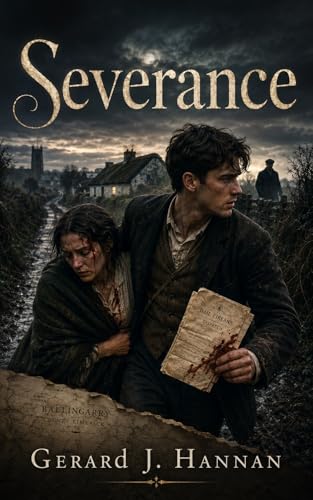
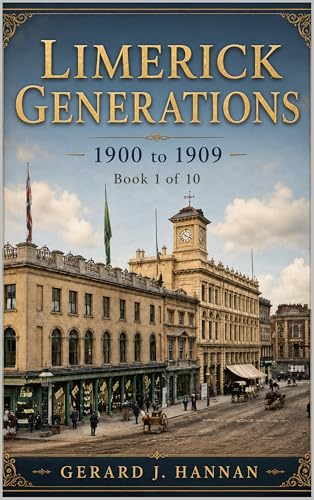
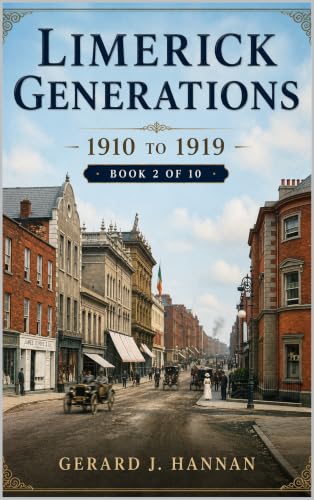
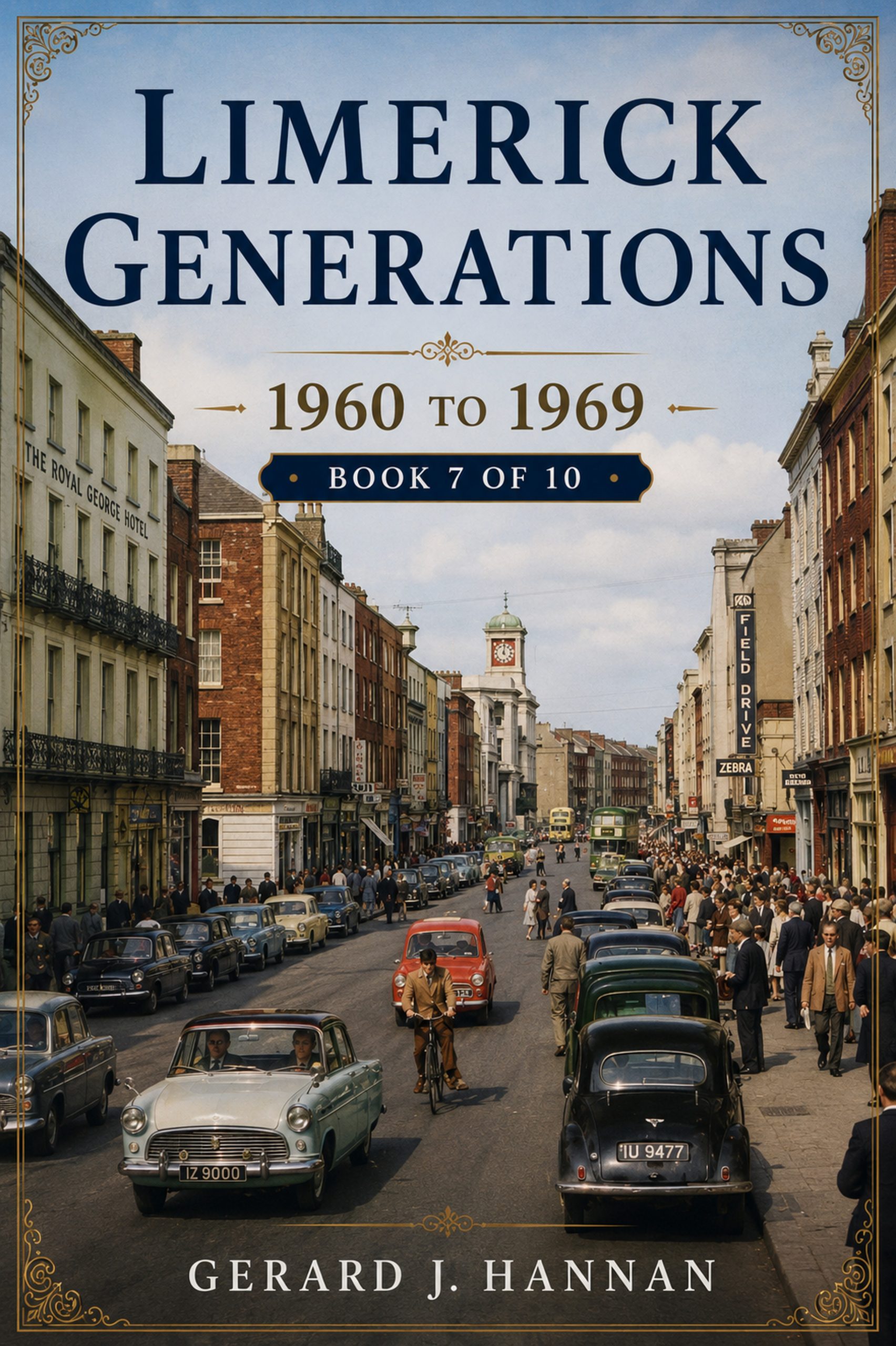
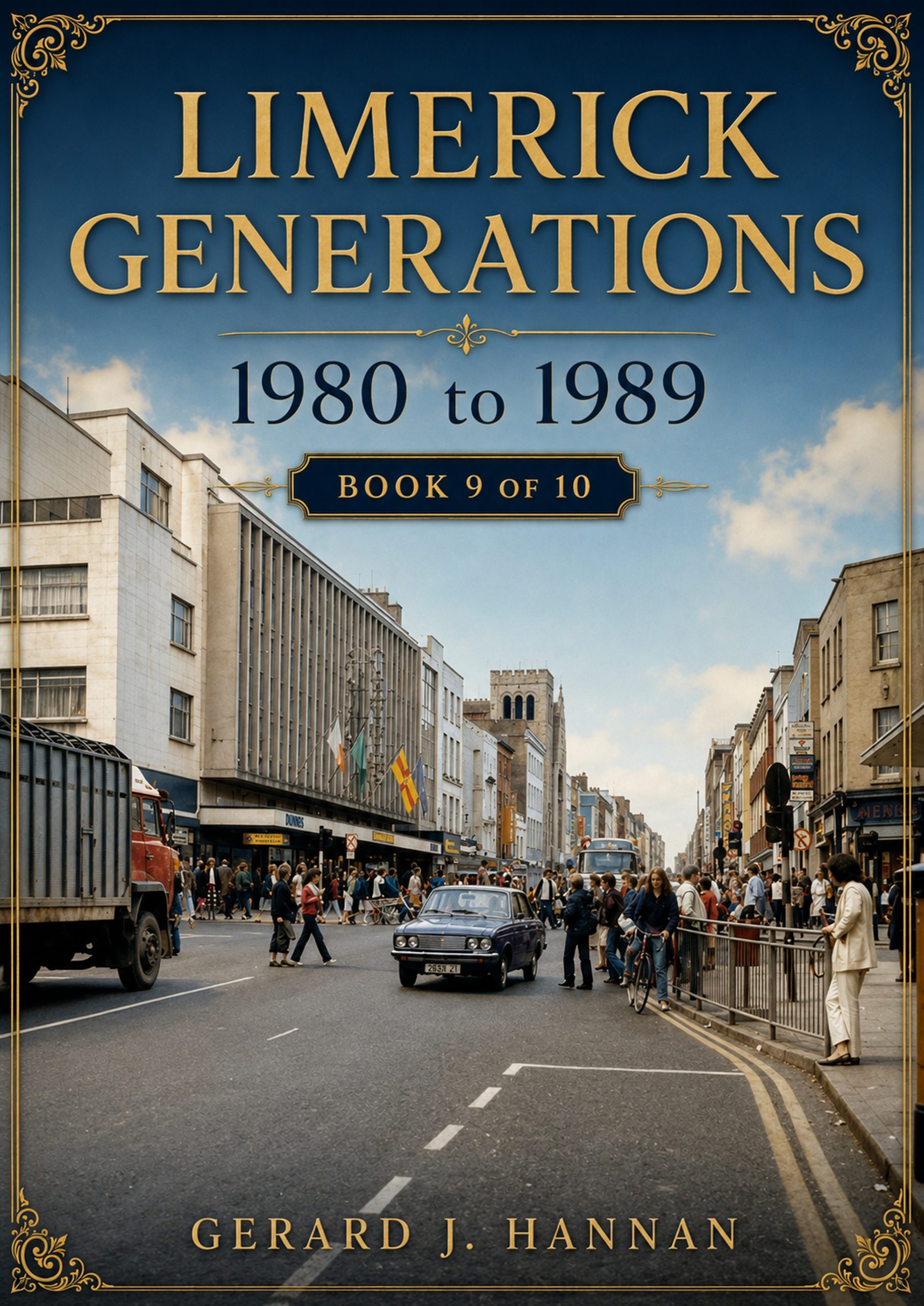
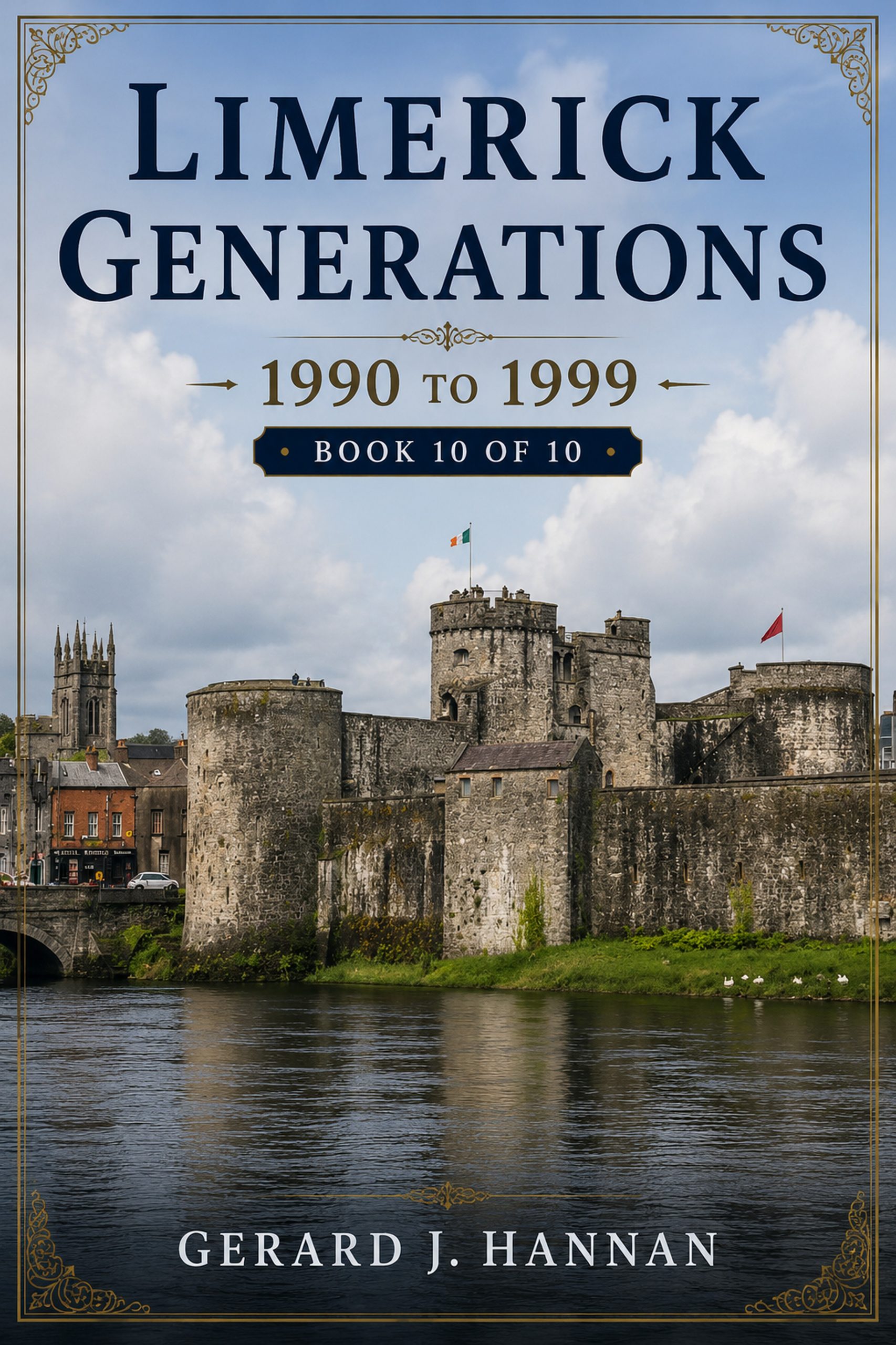
Explore Gerard J. Hannan’s published and forthcoming books, spanning historical fiction, Limerick humour, family sagas and detailed studies of local and modern Irish history. Each title offers a distinctive story, subject or perspective, reflecting his interest in people, memory, identity, conflict and social change. From comic observations rooted in Limerick life to ambitious novels shaped by major historical events, the collection presents a varied and expanding body of work. Every book is accompanied by its cover, full description and publication details, with a direct Amazon link included wherever an edition is currently available for readers to purchase or discover more.

View All Books