Archived: 25 October 2026
Abstract
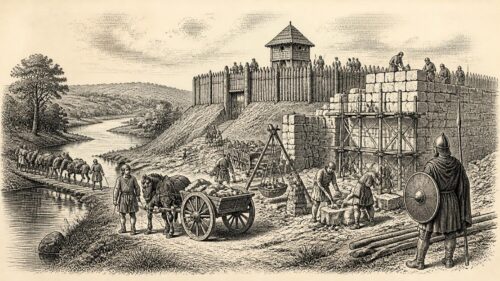
In 1252, Crown authority in Ireland was asserted through fortification, campaigning and monetary reform, amid persistent regional conflict. Maurice FitzGerald built castles at Cáel Uisce and Moycova, the latter under oversight, while Henry III ordered fortification and expansion at Annaghdown. Justiciar John FitzGeoffrey’s expedition secured Brian Ó Néill’s submission and his brother Ruaidrí as hostage, though rivalry divided both colonial forces and Irish lordships. Annals recorded raids, killings and deaths, alongside Máelmaedóc Ó Beolláin’s death at Drumcliff. A winter wind preceded exceptional drought and early harvest. New Dublin coinage strengthened royal control, but personal alliances, cattle and churches remained central.
Read Article

Archived: 26 September 2026
Abstract
In 1205, Ireland remained a patchwork of Gaelic kingdoms, Anglo-Norman lordships, church jurisdictions and Irish Sea alliances. Severe winter weather disrupted rural life. King John created Hugh de Lacy earl of Ulster, but John de Courcy’s Manx-backed invasion showed the region remained contested. In Connacht, William de Burgh’s disappearance reduced pressure on Cathal Crobderg, who negotiated an emerging tributary accommodation with the Crown. Theobald fitz Walter founded Woney Abbey in Limerick, while annals recorded ecclesiastical appointments, local deaths and violence. These events demonstrate that authority depended on negotiation, warfare, kinship, patronage and maritime connections, with ordinary communities bearing political disruption.
Read Article

Archived: 26 September 2026
Abstract
In 1194, Domnall Mór Ua Briain’s death destabilised Munster, where his son Muirchertach’s accession was undermined by capture and blinding, while other Ua Briain and Mac Carthaig kin suffered killings, raids and betrayal. Ecclesiastical authority featured in the death of Killaloe’s bishop and the killing at Cashel despite legatine protection. Elsewhere, resistance expelled foreigners from Uí Fhinntain, Cú Mide Ua Flainn was killed, and Gillibert Mac Goisdelb’s Erne expedition failed. Across the Irish Sea, Richard I’s defeat of John enabled Walter de Lacy to regain Meath, demonstrating how Angevin politics reshaped Irish lordships amid local conflict, rivalry and uncertain authority.
Read Article

Archived: 26 September 2026
Abstract
In 1193, Ireland’s competing Gaelic and Anglo-Norman lordships were reshaped by conflict, patronage and local alliances. Annals record killings among northern, Munster and Leinster rulers, violence by John de Courcy’s followers, and uncertain reports of a castle at Brí Uis authorised against Domhnall Mac Carthaigh. Affrica, wife of de Courcy, founded the Cistercian Grey Abbey on Strangford Lough, linking Ulster to Cumbria and the Irish Sea world. Prince John endowed Crumlin church for St Patrick’s, while Derbfhorgaill died at Mellifont. Inchcleraun was plundered, though sources disagree over the raiders, illustrating fragmented authority and contested evidence across the island's varied regions.
Read Article

Archived: 26 September 2026
Abstract
In 1165, Muirchertach Mac Lochlainn asserted northern supremacy through warfare, hostage-taking and negotiated settlements. After Ulaid revolted, he devastated the province, expelled Eochaid Mac Duinn Sléibe, installed Donn Sléibe, and later restored Eochaid at Armagh under harsh terms including hostages, treasure and territorial concessions. Elsewhere, Ruaidrí Ua Conchobair expanded Connacht’s influence through raids, grants and southern submissions, while dynastic conflict unsettled Munster and Osraige. Dublin ships joined Henry II’s Welsh expedition, illustrating Irish Sea connections. Churches mediated politics, reform continued, severe snow affected rural life, and manuscript learning flourished. Mac Lochlainn’s apparent triumph remained precarious, foreshadowing his collapse in 1166.
Read Article
Archived: 26 September 2026
Abstract
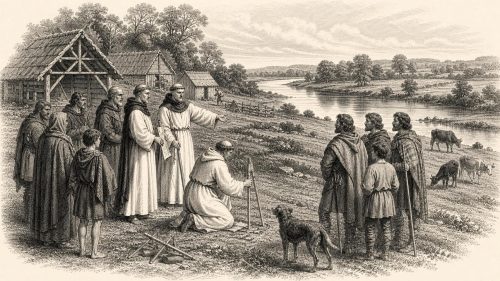
In 1147, Ireland remained politically fragmented despite Tairdelbach Ua Conchobair’s contested high-kingship. Muirchertach Mac Lochlainn, allied with Donnchad Ua Cerbaill, defeated Ulaid at Dundrum, devastated Lecale and took hostages, signalling northern expansion. At Athlone, Tethba forces defeated Ua Conchobair’s son and Uí Maine, while local killings exposed wider instability. Murchad Ua Máelsechlainn founded Bective Abbey, Mellifont’s first Cistercian daughter house, linking reform, patronage and royal politics. Malachy and other bishops mediated Tadc Ua Briain’s release; churches suffered fire and storm damage. Chronicles also noted the Second Crusade, clerical deaths and an exceptional nationwide harvest, contrasting abundance with warfare and plunder.
Read Article

Archived: 26 September 2026
Abstract
In 1109, rival Irish overkings Muirchertach Ua Briain and Domnall Ua Lochlainn mobilised major coalitions, while Murchad Ua Máel Sechlainn of Mide, allied to Ua Briain, raided Bréifne. The invaders seized cattle, captives and booty but failed to secure hostages; Aed Ua Ruairc retaliated, and Ardbraccan was burnt. Cellach of Armagh prevented confrontation between the principal armies at Sliab Fuait, arranging a one-year truce. Ua Lochlainn subsequently compelled Ulaid submission through hostages, amid continuing local feuds. Annals also note clerical deaths, church learning, severe weather, fasting, plentiful apples, crop-destroying mice, and vulnerability to warfare and environmental disruption throughout the island.
Read Article

Archived: 26 September 2026
Abstract
In 1104, Ireland remained unsettled after Domnall Ua Lochlainn’s victory over Muirchertach Ua Briain’s coalition at Mag Coba. Domnall strengthened northern influence, possibly taking Ulaid hostages and raiding towards Tara, although later sources make dating uncertain. Muirchertach reportedly retaliated in Mag Muirthemne by destroying crops, illustrating warfare’s economic damage. Ulaid defeated Dál Araide, while local rulers died through accidents, feud and conflict. Ecclesiastical life continued through bishops’ and scholars’ deaths, church roofing at Clonmacnoise, manuscript culture, and gradual reform. Ports, agriculture, tribute, alliances and hostage-taking underpinned shifting regional power; no ruler permanently controlled Ireland across its competing kingdoms at all.
Read Article

Archived: 26 September 2026
Abstract
In 1103, Ireland remained divided between Muirchertach Ua Briain, dominant in the south, and Domnall Ua Lochlainn of Ailech. Muirchertach led a coalition from several kingdoms, including Dublin, against the Ulaid and Domnall, but divided his forces after campaigning near Armagh. On 5 August Domnall defeated the remaining coalition at Mag Coba, killing regional kings and nobles and capturing royal insignia. The victory checked southern ambitions without ending Muirchertach’s power. Later that month Ulaid killed Norway’s King Magnus Barelegs, ending his Irish expansion. Annals also note churchmen, learning, scholarship, rural life, economies, Dublin trade, local conflicts, and a rare birth.
Read Article

Archived: 26 September 2026
Abstract
In 1102, Ireland experienced negotiated truces rather than unity, as Muirchertach Ua Briain and Domnall Ua Lochlainn balanced competing claims to national authority. Armagh held hostages securing their one-year agreement, although raids and killings continued across Ulster, Connacht, Bréifne and Meath. Muirchertach also confronted Magnus Barelegs’ fleet before forging a marriage alliance with Magnus’s son Sigurd, and linked his dynasty to Norman rebel Arnulf de Montgomery. Churches served as guarantors, learning centres and targets for attack. Rural communities bore warfare’s economic burden, while ports sustained Irish Sea trade. These fragile personal settlements reorganised conflict, preceding renewed campaigns thereafter in 1103.
Read Article

Archived: 26 September 2026
Abstract
In 1030, Ireland remained divided among competing dynasties after Brian Bórama and Máel Sechnaill’s deaths. Annals record the killing of Tadc Ua Conchobair of Connacht, conflict and devastation in Mide, and northern rivalry culminating in Ruaidrí Ua Canannáin’s death. Flaithbertach Ua Néill travelled to Rome, while Tadc of Uí Cheinnselaig died on pilgrimage at Glendalough. Gormlaith’s death linked Leinster, Dublin and Munster dynasties. Ecclesiastical leaders, including successors of Ciarán, Tigernach and Comgall, died, alongside chief poet Cú Mara. Relic profanation, church attacks, maritime loss and a solar eclipse illustrate religion, learning, violence and observation shaping everyday political life across Ireland.
Read Article
Archived: 27 October 2026
Abstract
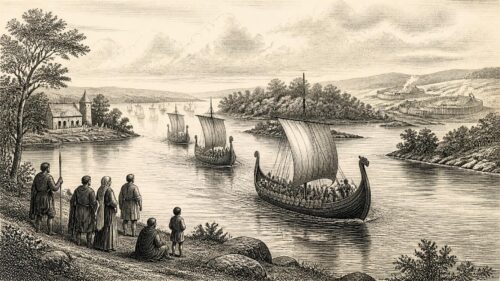
In 924, Ireland’s waterways became theatres of prolonged violence. The most securely associated annalistic record, the Annals of Ulster entry conventionally cited as U924, describes a foreign naval force operating on Lough Erne, raiding its islands and the districts around the lake before withdrawing only in the following summer. Other entries place raiders in Strangford Lough, report a catastrophic wreck at the entrance to Dundrum Bay, and record an unsuccessful expedition sent from Dublin towards Limerick. Taken together, these notices show an island in which ships could bring danger far inland, but also one in which Viking leaders competed sharply
Read Article
Archived: 28 October 2026
Abstract
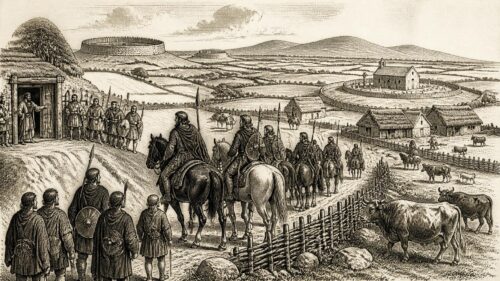
In 906 Flann Sinna, king of Tara, led a major campaign into Munster, apparently with Cerball of Leinster, ravaging territory described as stretching from Gabrán to Limerick. Annalistic evidence confirms the expedition but provides no precise route, battles, captures or settlement. The raid demonstrated Tara’s capacity to project force, while exposing the contested nature of Irish overlordship. Munster, led by Cormac of Cashel, remained powerful and retaliated in 907; conflict culminated in Cormac’s defeat and death in 908. Deaths of northern rulers, Ciarmac of Uí Fhidgeinte, and Bangor’s abbot Indrechtach also marked the year, illustrating intertwined political and ecclesiastical change.
Read Article
Archived: 28 October 2026
Abstract
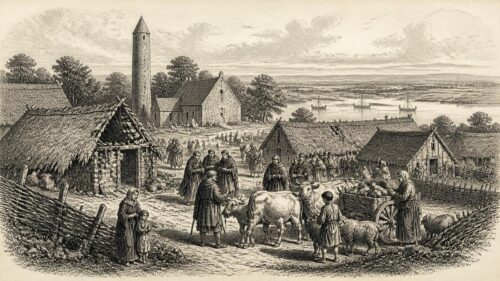
In 886, Irish annals record political violence, raiding and destruction across several regions. In Ulaid, Éiremón son of Áed, one of two kings, was killed by Eolóir, probably a Scandinavian-connected leader; Fiachna son of Ainfíth subsequently died at the hands of his own associates. At Kildare, heathen raiders plundered the church settlement, taking 280 people, including vice-abbot Suibne, and its wealth to ships. The captives included the ecclesiastical community, not only clergy. Dún Tidill in Ara was also destroyed. These fragmentary records reveal divided kingship, maritime networks, ecclesiastical vulnerability and the limits of annalistic evidence amid farming, worship and learning.
Read Article
Archived: 28 October 2026
Abstract
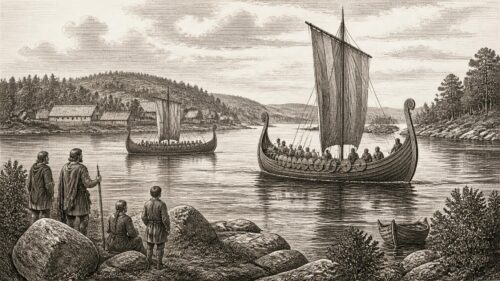
A Year of Flight and Rival FleetsIn 877, Ireland stood at the centre of a volatile Irish Sea world. The most striking notice for the year is not an Irish battle or royal assembly, but the arrival of an overseas king in flight: Rhodri son of Merfyn, ruler of the Britons, came to Ireland to escape the Dubgaill, or “dark foreigners”. The wording of the Irish annals is brief, but its implications are considerable. A king from Gwynedd and the wider Welsh political sphere could seek safety across the sea, while Scandinavian rivalries reached from Dublin and northern Ireland into
Read Article
Archived: 29 October 2026
Abstract
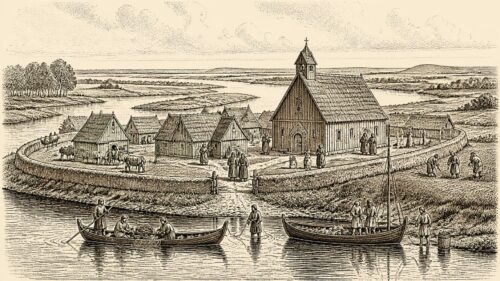
In 833, Ireland’s major churches functioned as religious centres, estates, communications hubs and political assets amid rivalry between provincial kings. Conchobar of Tara died, and Niall Caille of Cenél nÉogain succeeded him, defeating foreigners near Derry with Murchad. Feidlimid of Cashel attacked Clonmacnoise and Durrow, killing community members and burning church lands, probably targeting rival patronage networks rather than destroying churches. Kildare suffered bloodshed, while Lismore was burned amid uncertain local conflict. Viking raiders plundered Clondalkin, Druim Inasclainn and Loch Bricrenn, though Irish forces resisted. Deaths of Connacht and western Munster rulers further unsettled alliances, illustrating a connected, contested landscape.
Read Article
Archived: 30 October 2026
Abstract
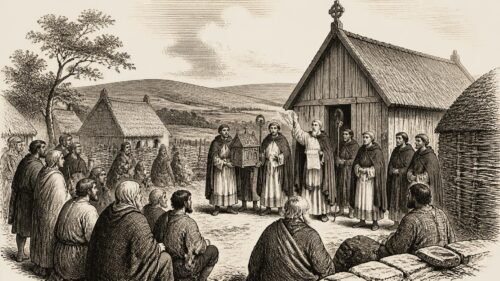
In 767, reconstructed from chronologically problematic annalistic entries, Ireland’s surviving record highlights political violence, ecclesiastical succession and sacred law. Murchad son of Flaithbertach, king of Cenél Conaill, was killed, weakening a northern Uí Néill lineage already eclipsed by Cenél nÉogain under Tara’s king, Niall Frossach. Cellach son of Cairpre died at a robber’s hands, while Flathgus son of Fiachra was treacherously slain. The annals also record abbots’ deaths, demonstrating churches’ religious, economic and political importance. Patrick’s law, probably a proclamation of Cáin Phátraic linked to Armagh and royal authority, asserted a moral order, though its provisions and enforcement remain unknown.
Read Article
Archived: 13 October 2026
Abstract
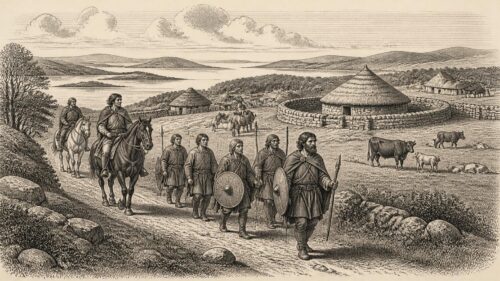
Annals for 707 record political, ecclesiastical and environmental developments in a divided, rural Ireland. Indrechtach mac Dúnchado, overking of Connacht, was killed by northern Uí Néill leaders and allies, demonstrating continuing rivalry without proving conquest. Congal Cennmagair, king of Tara, led a host against Leinster, though no outcome is known. Dúnchad became superior of Iona, reinforcing the monastery’s Irish Sea importance, while Bishop Coibdenach of Ardstraw died and Béc of Bairche undertook religious pilgrimage. Two northern tremors occurred in December. These sparse notices illuminate interconnected kingship, church networks, mobility and agrarian society, while leaving everyday conditions largely unrecorded to historians.
Read Article
Archived: 2 November 2026
Abstract
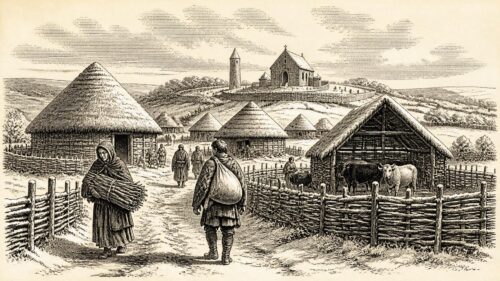
In 669 CE, Ireland’s surviving annalistic tradition preserves a brief but unusually revealing cluster of notices: a great snowfall and famine; the deaths of leading churchmen; the passing of Máel Fothartaig, king of Uí Thuirtri; and the killing of Máel Dúin son of Máenach. These are sparse records, not a continuous narrative, and they must be handled carefully. The early Irish annals have notorious chronological offsets between manuscripts and modern calendar years. Yet the severe snow and famine are placed under a heading explicitly equated with AD 669 in the Annals of Ulster, while Cumméne Find’s death is conventionally dated
Read Article
Archived: 2 November 2026
Abstract
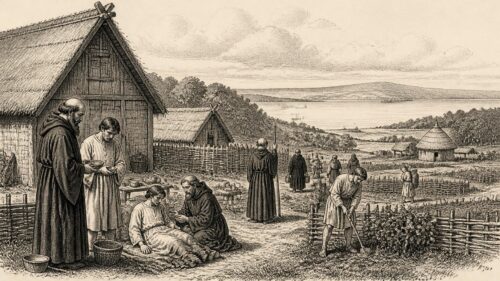
In 667 CE, Ireland was still living through the human consequences of a great mortality that had begun several years earlier. The clearest annalistic entry assigned to this year records a plague in which four abbots of Bangor—Berach, Cuimíne, Colum and Aedán—died. It also records fighting at Áine between the Araid and the Uí Fhidgeinti, in which Eógan son of Crunnmael was killed, and the slaying of Bran Finn, king of the Déisi of Munster. These brief notices are unusually revealing: disease could strike centres of authority as well as households; local warfare continued amid loss; and Ireland remained a
Read Article
Archived: 3 November 2026
Abstract
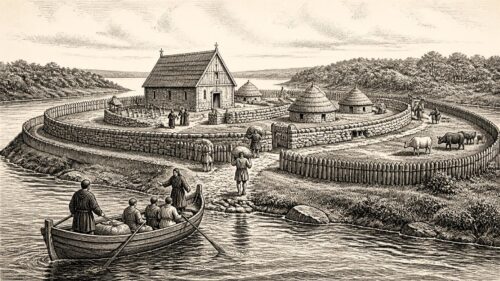
In 643, Irish annals recorded disputed succession after the death of Domnall mac Áedo, a prominent northern Uí Néill ruler. Sources variously named his nephews Cellach and Conall Cáel as successors or described shared authority with Diarmait and Blathmac of the southern Uí Néill. Chronological differences place these events around 642–643, but all reflect uncertainty over wider kingship. Regional conflict, including the battle of Cenn Con, demonstrated the independence of Munster dynasties. The death of Bishop Crónán of Naendruim also illustrates the political and economic importance of churches. Ireland remained a network of competing kingdoms, kin groups and ecclesiastical communities.
Read Article





