Archived: 27 October 2026
Abstract
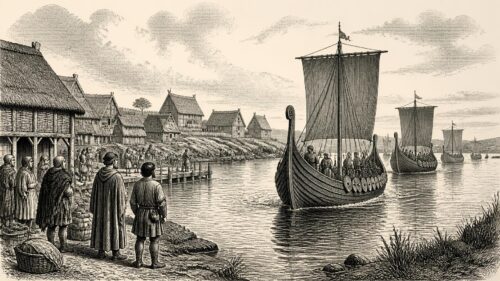
For Ireland, 937 is best understood through a small but unusually revealing cluster of annalistic notices. The record does not offer a single national narrative: it reports deaths, killings and a storm in several provinces, while also preserving Ireland’s connection to one of the most consequential battles of tenth-century Britain. Its most striking Irish political notice is the death of Conaing son of Niall, described in the Annals of Ulster as rígdamna Érenn, ‘heir designate of Ireland’. The phrase did not mean that a settled succession would automatically follow. Rather, it signalled that Conaing stood within the narrow, competitive circle
Read Article
Archived: 27 October 2026
Abstract
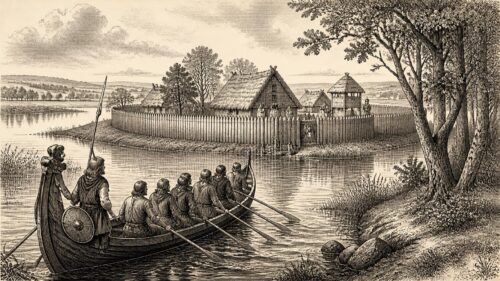
In 935, Amlaíb mac Gofraid, king of Dublin, demonstrated Scandinavian power by sacking Lagore and Knowth in Brega during one week, threatening inland centres. He sought dominance among Irish Scandinavian settlements, reportedly capturing a Limerick rival and installing Haraldr there. Norsemen killed Cinaed mac Cairpre, chief of Uí Chennselaig, with many followers in Leinster. Annals record deaths of abbots and church leaders, underlining monasteries’ political and economic roles, while a notice of abundant oak mast reflects dependence on woodland resources and pig forage. Differing annalistic chronologies complicate dating, but collectively these events reveal interconnected violence, lordship, ecclesiastical succession, and subsistence.
Read Article
Archived: 27 October 2026
Abstract
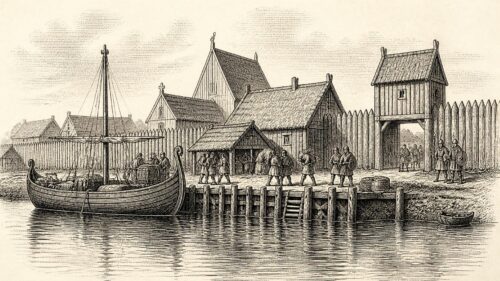
In 934, Gofraid, grandson of Ímar and Hiberno-Scandinavian king of Dublin, died painfully from illness, ending a rule connected with Dublin, York and the Irish Sea. The annals offer no details of his disease or succession, but his son Amlaíb succeeded him, inheriting a strategic trading and military centre. Elsewhere, Dubgilla son of Robacán, chief of Uí Chormaic, was killed in unexplained circumstances. Limerick’s foreigners raided deeply into Connacht, reaching Mag Luirg and Badhgna. Ireland remained politically fragmented: Dublin and Limerick pursued separate interests, while Irish dynasties, regional rulers and church institutions managed competing power, violence and succession across society.
Read Article
Archived: 27 October 2026
Abstract
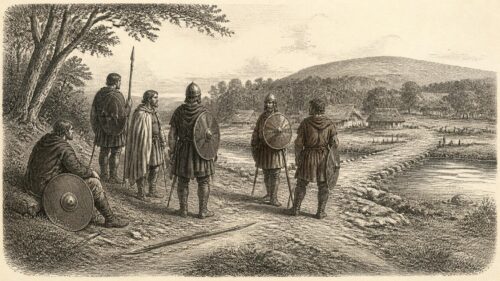
In 927, the Annals of Inisfallen record a Munster and Limerick Scandinavian victory over Waterford’s foreigners at Cell Mo-Chellóc, probably Kilmallock, demonstrating shifting alliances among Irish kingdoms and Viking settlements. They also note the death of Máel Brigte, abbot of Armagh and Iona, whose dual leadership united ecclesiastical federations. Other annals, chronologically offset, describe Dublin’s instability under Gofraid, Sitriuc’s death, and a bloodless confrontation at Tailtiu, reflecting contested Uí Néill authority. Later sources report churchmen, pilgrimage and raids, but their dating is uncertain. Together, the evidence depicts interconnected warfare, religious prestige, travel and political rivalry across Ireland and Irish Sea.
Read Article
Archived: 27 October 2026
Abstract
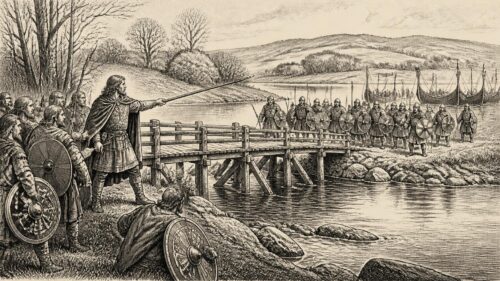
In 926, annalistic sources record Scandinavian raids and Irish responses across a politically fragmented Ireland. Foreigners from Strangford Lough sacked Dún Sobairche, while southern traditions report attacks on Kildare. Muirchertach son of Niall defeated raiders at Snám Aignech and later routed Alpthann son of Gofraid’s fleet-derived force near Dundalk, killing Alpthann and besieging survivors until Dublin’s king Gofraid intervened. These successes enhanced Muirchertach’s northern standing but did not end Scandinavian power or establish national unity. Elsewhere, Fergus of Lurg was killed by Bréifne, Colmán of Clonmacnoise and Clonard died, and Waterford’s fleet moved to Loch Gair in a notable redeployment.
Read Article
Archived: 27 October 2026
Abstract
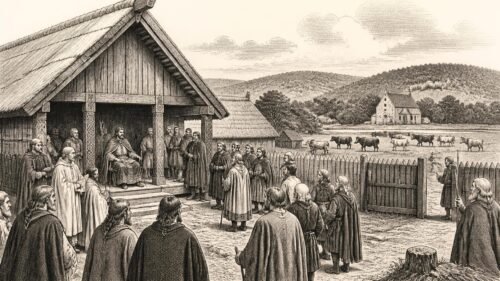
In 925, Connacht underwent a decisive dynastic change after Cathal son of Conchobar, king since about 900, died in penitence. His son Domnall and other leading men were treacherously killed by their kinsman Tadc, who assumed the kingship and founded a durable ruling line. Annalistic chronology requires caution, but modern scholarship dates these events to 925. Elsewhere, Dubgall, king of Ulaid, was killed by his own people, while Lorcán, king of Brega, died in old age. These events exposed fragile regional kingship beneath Tara’s limited overlordship, amid church influence, rural continuity, Dublin’s maritime power, and competing dynastic interests across Ireland.
Read Article
Archived: 27 October 2026
Abstract
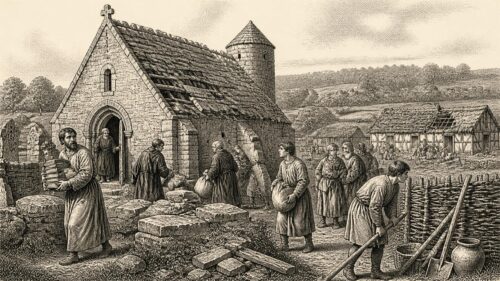
Accounts conventionally dated to 920 depict Ireland under political, military and ecclesiastical pressure. Donnchad Donn, newly king of Tara, won a notable but imprecisely located victory over Scandinavian-associated forces, strengthening a contested claim to overlordship. Sitriuc Cáech left Dublin, signalling a change in leadership rather than the settlement’s collapse. Foreigners attacked Cenannas (Kells), damaging its stone church, killing many people and burning Tuilén’s church. In Munster, Cormac son of Cuilennán, bishop, abbot, king of the Déisi and counsellor, was killed by Uí Fhothaid Aiched. The notices, chronologically uncertain in detail, reveal intertwined warfare, regional kingship, church wealth and maritime power.
Read Article
Archived: 27 October 2026
Abstract
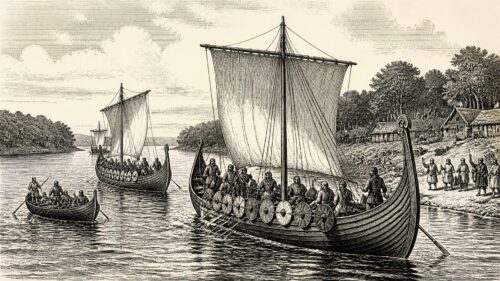
In 918, Ragnall ua Ímair, king of the dark foreigners, left Waterford Harbour with jarls Oitir and Gragabai, joining an Irish-Sea campaign that culminated in the inconclusive battle of Corbridge on the Tyne. Their force showed the Uí Ímair dynasty’s links between Ireland and Britain. In Ireland, Niall Glúndub of Tara continued warfare with Dublin’s Sitriuc Cáech, while Máel Mithig of Brega unsuccessfully sought Scandinavian assistance. Annals also recorded deaths of church leaders, scholar Dainél and Kildare’s abbess Muirenn. Evidence reveals political instability, maritime connections and ecclesiastical continuity, but records no harvest, famine or everyday events. Annalistic dating remains uncertain.
Read Article
Archived: 27 October 2026
Abstract
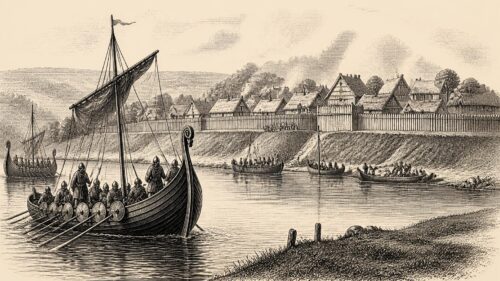
In 917, amid severe frost, animal mortality and portents recorded by annalists, related Scandinavian fleets led by Sitriuc and Ragnall ua Ímair returned to Ireland. Munster forces inflicted notable defeats, while high king Niall Glúndub campaigned in Mag Femen, fighting the invaders on 22 August without destroying them. Niall sought Leinster’s aid, but Sitriuc routed its army at Cenn Fuait, killing King Ugaire, lesser rulers and a leading bishop. The victory shattered Leinster’s leadership; Kildare was subsequently plundered. Sitriuc then forcibly seized Dublin, restoring Uí Ímair power and establishing a durable maritime, military and economic centre on Ireland’s eastern seaboard.
Read Article
Archived: 28 October 2026
Abstract
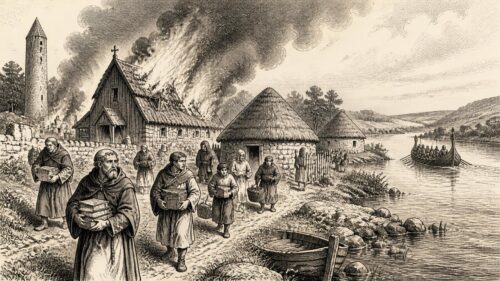
In 883, Les Mór (Lismore), an important Munster monastery on the Blackwater, was burned by an unnamed son of Ímar, illustrating the reach of Scandinavian dynastic violence beyond coastal centres. The annals provide no details of casualties, damage or motive, but the attack threatened a community dependent on religious prestige, land, stores and local support. Elsewhere, Eochucán of Ulaid was killed, Aengus, heir designate of the North, was beheaded, and rulers in Brega and Meath died or were slain. Deaths of bishops at Armagh and Lusca also mattered. These fragmentary records depict contested local kingship, interconnected Irish-Scandinavian politics, and insecurity.
Read Article
Archived: 28 October 2026
Abstract
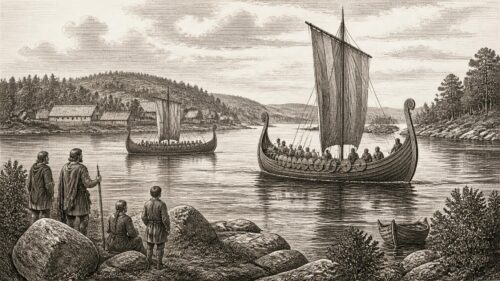
A Year of Flight and Rival FleetsIn 877, Ireland stood at the centre of a volatile Irish Sea world. The most striking notice for the year is not an Irish battle or royal assembly, but the arrival of an overseas king in flight: Rhodri son of Merfyn, ruler of the Britons, came to Ireland to escape the Dubgaill, or “dark foreigners”. The wording of the Irish annals is brief, but its implications are considerable. A king from Gwynedd and the wider Welsh political sphere could seek safety across the sea, while Scandinavian rivalries reached from Dublin and northern Ireland into
Read Article
Archived: 28 October 2026
Abstract
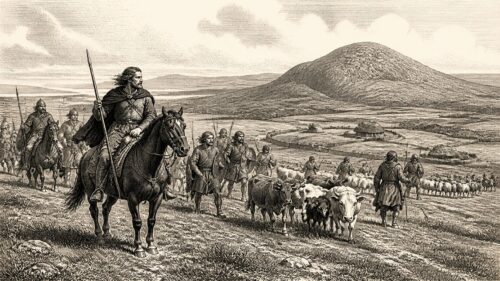
In 875, Muiredach son of Bran led Leinster’s army on a rapid destructive raid to Sliab Monduirn in the Armagh region, demonstrating provincial rivalry without proving a specific target. Annals also record deaths of prominent churchmen at Clonmacnoise, Kildare, Ferns, Tallaght, Lusk and Glendalough, whose offices combined religious leadership, learning, property and political connections. Across the Irish Sea, Picts suffered heavily against the Dubgaill, while Oistín, son of Dublin-associated Viking ruler Amlaíb, was killed. These fragmentary notices reveal interconnected warfare, ecclesiastical succession and maritime Scandinavian power, rather than a unified Ireland or detailed national narrative. The evidence cautions against invention.
Read Article
Archived: 28 October 2026
Abstract
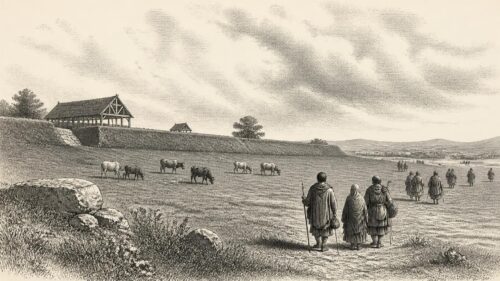
In 873, amid uncertain annalistic dating, Ireland experienced political change across local kingdoms and the Irish Sea world. Ímar, pre-eminent Norse ruler associated with Dublin, died, weakening but not ending Scandinavian influence; his dynasty remained important. Irish kings Dúnchad of Cashel and Cerball of Osraige raided Connacht, while Dublin forces plundered Munster. Lethlabar of Dál nAraide died, reshaping succession and rivalry in Ulaid. Several lesser rulers and church leaders also died. Most notably, Tailtiu’s great assembly failed to convene without adequate cause, apparently exposing Áed Findliath’s weakened royal authority. These events reveal resilient communities, enduring institutions, and fragmented, competitive power.
Read Article
Archived: 28 October 2026
Abstract
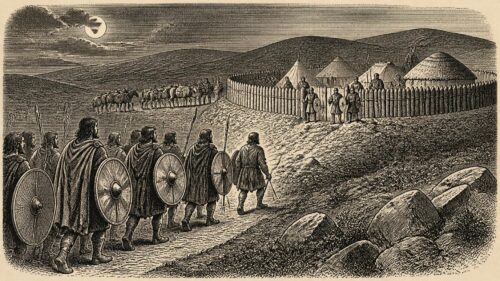
In 870, Áed Findliath, king of Tara, invaded Leinster from the Dublin region, allied with his brother-in-law Cerball of Osraige and Cennétig of Loíches. Leinster’s king Muiredach led resistance, attacking Cerball’s camp at Dún Bolg by night. Despite losses, including Cennétig’s son, the attackers retreated, leaving the wider struggle unresolved and no recorded tribute or hostages. Annals also record deaths of prominent abbots, bishops and anchorites, notably at Clonard and Kildare, illustrating ecclesiastical influence. Meanwhile Dublin’s Norse rulers Amlaíb and Ímar besieged and plundered Dumbarton Rock, demonstrating Ireland’s political and military connections across the Irish Sea during this eventful year.
Read Article
Archived: 28 October 2026
Abstract
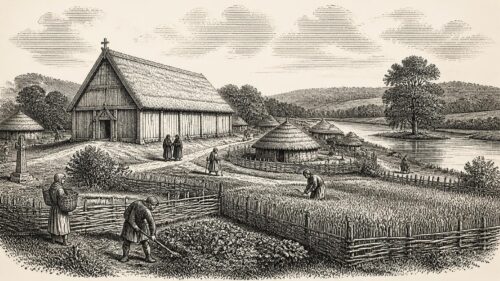
Ireland’s history for 869 is defined by chronological uncertainty. Annalistic material aligned with AD 869 is conventionally discussed under 870, requiring caution over events including Suairlech’s death at Clonard. Áed Findliath, king of Tara, was consolidating authority after his 868 victory over opponents from Brega, Leinster and Scandinavian groups. Ireland remained tense, with Leinster, Osraige and Dublin poised for conflict. Clonard, a major religious and political centre, faced the impending loss of its influential bishop-abbot. Violence, including Amlaíb’s assault on Armagh, exposed ecclesiastical vulnerability. The following year’s Leinster campaign illuminates pressures building, while Dublin’s Scandinavian power shaped alliances and rivalries.
Read Article
Archived: 28 October 2026
Abstract
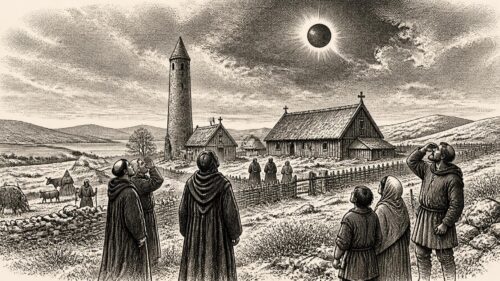
In 865 Irish annals recorded a solar eclipse on 1 January, confirmed by modern astronomy, and a lunar eclipse later that month, providing an unusually secure chronological anchor. Obituaries reveal ecclesiastical networks linking Kildare, Iona, Tallaght and Pictland: Cellach, abbot of Kildare and Iona, died among the Picts. Political instability appeared in the killing of Tadc, king of Uí Chennselaig, by his brothers and supporters, and the death of Tigernach of Loch Gabhair. Áed Findliath’s wider authority remained limited. Norse Dublin shaped the background, but Clondalkin’s burning is securely dated to 867, illustrating annalistic chronological problems within a fragmented polity.
Read Article
Archived: 28 October 2026
Abstract
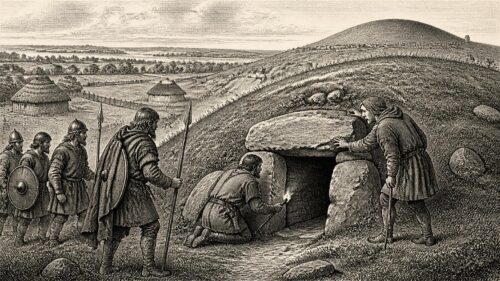
In 863, Scandinavian rulers Amlaíb, Ímar and Auisle, allied with Lorcán of Mide, plundered Flann son of Conaing’s Brega lands and searched named souterrains at Cnogba, Dubad and elsewhere. The unprecedented searches exposed underground refuges as stores or shelters within the contested Boyne landscape. The year also saw Norsemen kill Muirecán of Nás, reshaping Leinster politics, while Muiredach, prior of Armagh and king of the Airthir, died in dynastic violence. Later Fragmentary Annals report Cerball of Osraige defeating foreigners and recovering booty. Together, these notices portray shifting Irish-Scandinavian alliances, politically entangled churches, and insecurity reaching concealed spaces broadly across Ireland.
Read Article
Archived: 1 November 2026
Abstract
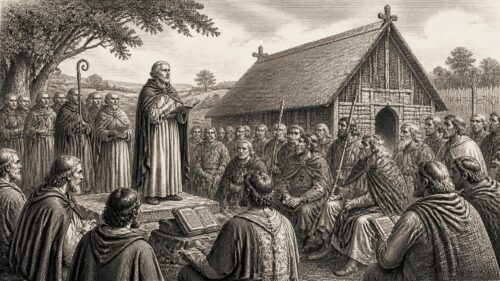
In 697 CE, the most consequential Irish development securely associated with the year was Adomnán of Iona’s promulgation of the Cáin Adomnáin, the ‘Law of Adomnán’, at Birr in what is now County Offaly. The Irish annals record tersely that Adomnán came to Ireland and gave the Lex Innocentium, or Law of Innocents, to the people. Behind that spare notice lies an unusually ambitious attempt to regulate the conduct of war across a politically divided island and, in principle, across the Irish Sea. A Year with a Chronological Caveat Early Irish annals do not always align neatly with modern calendar
Read Article

Archived: 17 September 2026
Abstract
31,452 BCE is a modern label for a fluctuating Late Pleistocene environment, not a documented Irish year. Lower sea levels altered connections, but shifting ice, waterways and terrain restricted movement. Sediments at Fermanagh and marine evidence in the west show that some regions were ice-free or open before the Last Glacial Maximum. Treeless tundra-steppe, wetlands and severe seasonal cold supported cold-adapted fauna. Castlepook Cave in Cork preserves mammal remains, including reindeer. A possibly cut-marked reindeer femur suggests brief Upper Palaeolithic human contact, but cannot establish settlement. Ireland was a changing northern landscape, later glaciation having erased or buried much evidence.
Read Article





