Archived: 24 October 2026
Abstract
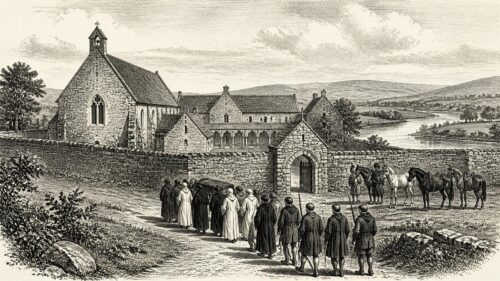
Richard de Burgh, the Red Earl of Ulster and lord of Connacht, died at Athassel on 29 July 1326, ending a powerful four-decade lordship. His fourteen-year-old grandson William inherited vast but vulnerable estates, exposing Ulster and Connacht to guardians, rivals and local conflict. Munster saw fighting between Maurice FitzGerald of Desmond and Arnold le Poer, temporarily restrained by Justiciar John Darcy. Royal administration continued through travelling chancery business and financial enforcement. Local records note Ímar Mag Ragnaill’s killing and the succession at Elphin. Meanwhile, English political crisis unsettled Ireland, making 1326 a pivotal year of insecure lordship and contested authority.
Read Article

Archived: 24 October 2026
Abstract
In 1325, Domhnall Ó Néill, king of Tír Eógain, died at Loch Laoghaire, and his son Cú Uladh was murdered by rival kinsmen, precipitating a disputed succession eventually favouring Henry Ó Néill of Clandeboye. Intra-dynastic violence also affected Fermanagh and Thomond. Maurice fitz Thomas FitzGerald’s seizure of Bunratty Castle exposed contested Anglo-Irish authority and required intervention by justiciar John Darcy. Meanwhile, an audit at Westminster uncovered forged Irish exchequer accounts associated with Archbishop Alexander Bicknor, leading to confiscation of his temporal property. Together, these events reveal unstable, personal lordship, constrained royal power, and fragile administration across medieval Ireland at once.
Read Article
Archived: 24 October 2026
Abstract
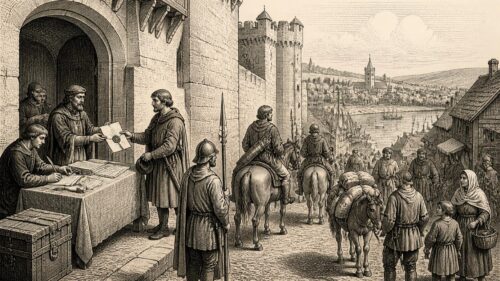
In 1323, Ireland’s importance lay in its connections with wider Plantagenet politics rather than a single decisive event. A Scottish truce cancelled planned paid military service by leading Anglo-Irish magnates, leaving local rivalries intact. Roger Mortimer’s escape from the Tower raised fears for his Irish estates and supporters, prompting Chancellor Roger Outlaw’s warning mission to Edward II. The king appointed John Darcy justiciar in November, although John de Bermingham remained in office until Darcy’s arrival in 1324. Legislation addressed official abuses, requisitioning, trade, fees and pardons. Meanwhile, Cistercian authorities condemned national exclusion in Irish monasteries, revealing ethnic and institutional tensions.
Read Article
Archived: 24 October 2026
Abstract
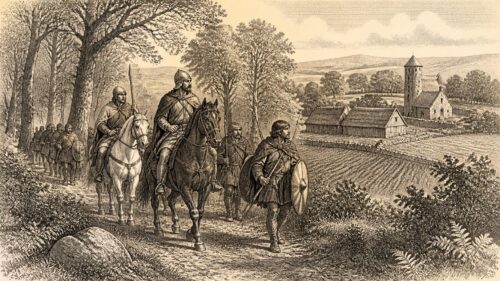
In 1322 Ireland was divided among royal, settler, ecclesiastical and Gaelic powers, while Edward II demanded troops, supplies and revenue for war against Scotland. John de Bermingham organised the Irish levy, leaving William de Bermingham deputy justiciar. On 29 September, O'Nolan forces killed Andrew Bermingham, Nicholas de la Launde and others in the unstable Leinster frontier. Dynastic murders, capture and plunder in Annaly, Connacht and the midlands revealed competition within Gaelic lordships. Obituaries recorded the deaths of Ardagh's bishop and legal scholar Andrias Mag Mailin. Uneven, sometimes misdated annals portray military, political and economic pressures rather than a nationwide crisis.
Read Article

Archived: 24 October 2026
Abstract
In 1318, defeats at Dysert O’Dea and Faughart reshaped Ireland without bringing peace. Richard de Clare’s death ended his family’s attempt to dominate Thomond, enabling Gaelic rulers to regain regional control. Edward Bruce’s death near Dundalk ended the Scottish-backed invasion, though it exposed weaknesses within English lordship. Warfare intensified the Great Famine’s effects: requisitioning, ruined crops, disease, disrupted trade and severe weather produced acute hardship. Political alliances crossed Gaelic, settler and Scottish communities, reflecting local interests rather than national divisions. Connacht remained unstable amid dynastic conflict. Alexander de Bicknor arrived as Dublin’s archbishop and justiciar, inheriting a weakened, impoverished lordship.
Read Article
Archived: 24 October 2026
Abstract
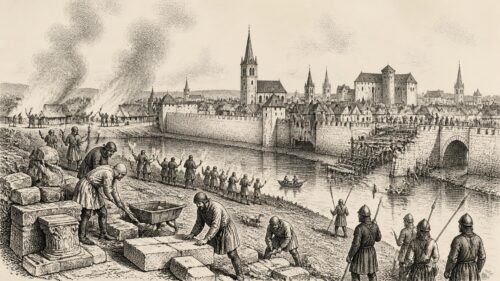
In 1317, at the height of the Bruce invasion, Robert Bruce joined his brother Edward in Ireland and marched through Meath towards Dublin. Fearing siege, Dublin’s citizens burnt western suburbs, demolished the Liffey bridge and religious buildings for defensive stone, and detained the earl of Ulster. The Bruces bypassed the fortified city, campaigned unsuccessfully in Munster, and retreated north; Robert departed in May. Famine, worsened by military requisitioning, afflicted Ireland amid warfare, dynastic struggles and castle destruction. Connacht changed kings, while learned legal culture suffered a loss. Irish leaders’ Remonstrance to Pope John XXII sought support, but Edward’s kingship endured.
Read Article

Archived: 24 October 2026
Abstract
In 1314, Ireland experienced instability across Gaelic lordships and the English administration rather than a single national turning point. Ruaidhrí Ó Conchobair defeated the O’Reillys at Drumlane, while killings within leading families, including Matha Mac Tigernáin’s murder by his foster-son, exposed contested authority. Bishop Matha Mac Duibne died, and Niall Ó Néill, heir to Cenél nÉogain, was lost. Theobald de Verdon governed the lordship as Edward II sought Irish money and soldiers for war. Robert Bruce’s victory at Bannockburn altered Irish Sea strategy, encouraging later ambitions without causing Edward Bruce’s 1315 invasion. Famine was not attested in Ireland during 1314.
Read Article
Archived: 24 October 2026
Abstract
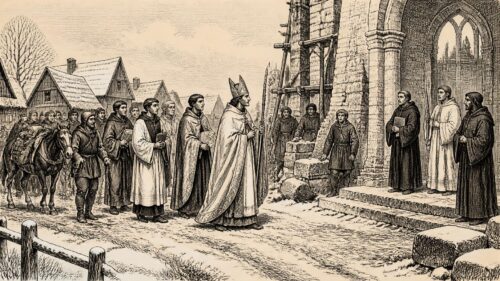
In 1312, ecclesiastical and governmental transitions highlighted tensions within Ireland’s lordship. William de Bermingham’s death created a vacancy at Tuam, where Máel Sechlain Mac Áeda, formerly bishop of Elphin, was formally translated on 19 December, strengthening Gaelic representation in a major metropolitan see. Religious life continued through developments at Boyle and episcopal deaths in Connacht. In Louth, a de Verdon rising defeated royal forces near Ardee, exposing fragile crown authority. Edmund Butler replaced John Wogan as keeper in August and administered Dublin while campaigning in Wicklow. These institutional changes preceded, but did not initiate, the crises of 1315 and afterwards.
Read Article
Archived: 24 October 2026
Abstract
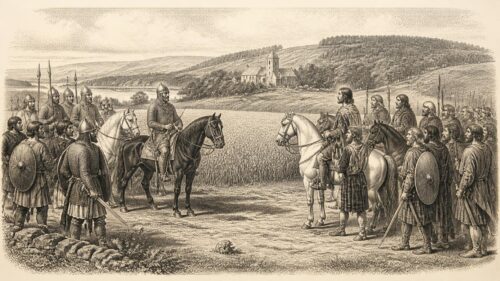
In 1309, Áed mac Éogain Ó Conchobair, king of Connacht, was killed at Coill an Chlocháin by Áed Brefnech, triggering wider conflict among rival dynasties and allies. Elite casualties included legal scholar Gilla na Naem Mac Aodhagáin, illustrating the political importance of learned service. Competing claimants sought submissions, tribute, royal jewels and military support, while raids damaged grain and monasteries served strategic roles. Elsewhere, violence involved Leinster magnates and Thomond rivals; Cathal Ó Conchobair became bishop of Elphin. Roger Mortimer and Joan de Geneville assumed Meath's lordship, while Dublin received murage for bridge-tower repairs, revealing Ireland's interconnected local politics clearly.
Read Article
Archived: 24 October 2026
Abstract
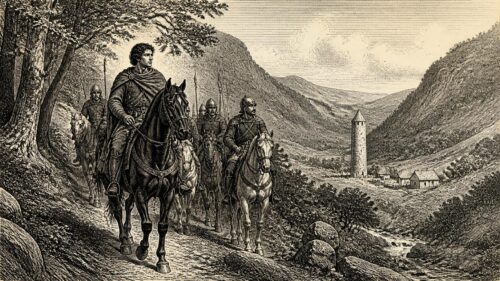
In 1308, John Wogan’s defeat at Glenmalure exposed the vulnerability of royal power near Dublin, although administration continued. Piers Gaveston, Edward II’s controversial favourite, arrived as king’s lieutenant, combining political exile with military responsibility. Later campaigns against Wicklow opponents, including the Ó Byrnes, sought to restore authority through coercion and infrastructure. In Connacht, raids, broken peace agreements and failed hostages involved Ó Conchobair branches, Mac Diarmata, Ó Dubda and Anglo-Irish forces, demonstrating unstable alliances and dynastic violence. Stormy weather damaged people and cattle, while lightning struck Roscommon’s Dominican friary. The year revealed an uneven landscape where powers constrained royal government.
Read Article
Archived: 24 October 2026
Abstract
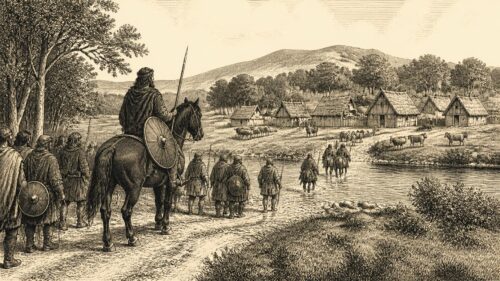
In 1307, Edward II succeeded Edward I as Lord of Ireland, while existing Dublin administration continued under officials including newly appointed Exchequer treasurer Alexander de Bicknor. Richard de Havering received Dublin archbishopric temporalities but was never consecrated, and bishops died at Kilmacduagh and Elphin. At Ahascragh, Donnchad Muimhneach Ó Cellaigh of Uí Maine defeated forces associated with Roscommon, capturing the sheriff and other opponents. Prisoners were released under restitution for an earlier burning attributed to Edmund Butler, before Ó Cellaigh died. Killings among Ó Conchobair claimants underscored Connacht instability. Sources require caution because annalistic chronologies conflict over some recorded events.
Read Article





