Archived: 17 October 2026
Abstract
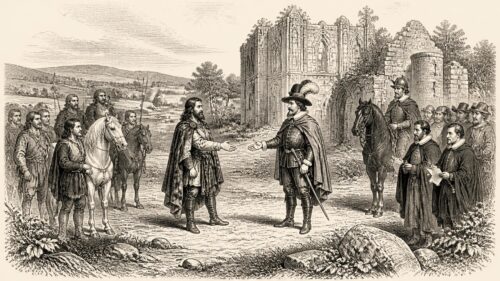
In 1603, Hugh O’Neill’s submission at Mellifont formally ended the Nine Years’ War, as James I succeeded Elizabeth I. O’Neill retained lands and title but surrendered key Gaelic powers, while Ulster faced recovery from severe military devastation and local rivalries. Southern and western Catholic towns, expecting religious toleration, resisted Protestant worship and delayed James’s proclamation; Crown forces compelled their submission without renewed general war. Royal patents in Ulster strengthened selected local lords directly under the Crown, weakening traditional overlordship. Trinity College’s expanding library reflected developing Protestant institutions. Peace ended major warfare but left land, religion, authority and political allegiance unresolved.
Read Article
Archived: 17 October 2026
Abstract
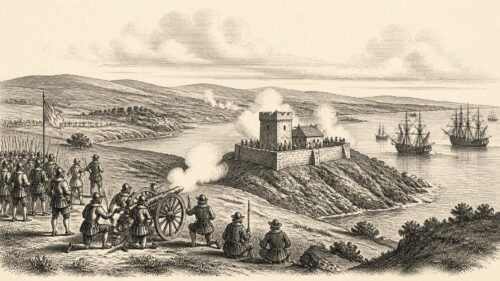
In 1602, the Nine Years’ War moved towards crown victory after Kinsale’s surrender removed Spain’s main force, though resistance persisted. Hugh Roe O’Donnell sailed to Spain seeking aid, but died there in August, weakening the Irish confederacy. In Munster, Sir George Carew besieged, captured and demolished Dunboy Castle, ending its role as a potential Spanish foothold and O’Sullivan Beare stronghold. In Ulster, Mountjoy used garrisons, allied forces and systematic destruction of crops and livestock to impose famine. Royal advances shattered Gaelic lordships; Ruaidhrí O’Donnell submitted in December, while Hugh O’Neill continued fighting until 1603. The conflict remained unresolved that winter.
Read Article
Archived: 17 October 2026
Abstract
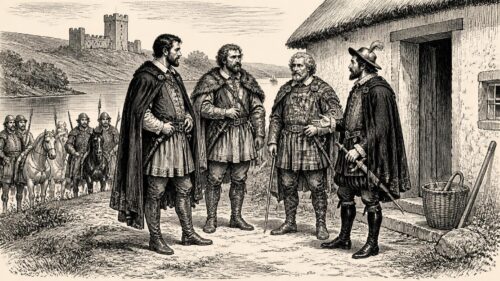
In 1596, attempts to settle the Ulster conflict through pardons and limited autonomy failed as Hugh O’Neill and Hugh Roe O’Donnell linked territorial claims with Catholic liberty. Spanish envoy Alonso de Cobos met them at Lifford, prompting an appeal to Philip II for troops and a Habsburg ruler, and tying Irish resistance to European war. In Connacht, Norreys’s large expedition stalled beside the River Robe when provisions ran out, revealing the importance of supply and alliances. Succession disputes, raids, coercive administration and religious tensions widened disorder across Ireland. Changes in Connacht’s government and continued local rivalries failed to restore stability.
Read Article
Archived: 17 October 2026
Abstract
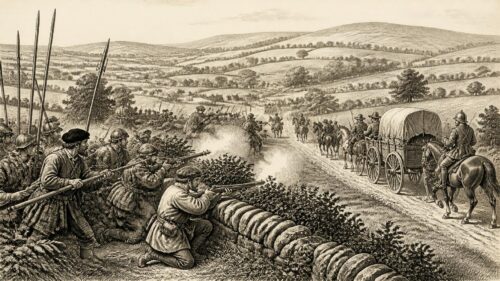
In 1595, the Nine Years’ War became an open challenge to Elizabeth I’s rule as Hugh O’Neill and Hugh Roe O’Donnell expanded resistance across Ulster and beyond. After the Blackwater fort’s seizure, Crown attempts to sustain exposed garrisons faltered. At Clontibret, O’Neill’s forces badly mauled Sir Henry Bagenal’s returning convoy through disciplined firearms, fieldworks and mobile warfare, though they did not destroy it. O’Donnell’s campaigns destabilised Connacht, using raids, hostages and alliances to extend influence. Fighting also ravaged Wicklow and civilian communities. Despite negotiation and continued Crown control of towns, 1595 established a broader, organised and destructive conflict in Ireland.
Read Article

Archived: 17 October 2026
Abstract
In 1592 Hugh Roe O’Donnell escaped Dublin Castle, where he had been held to restrain Ulster alliances, and returned to Tír Chonaill. Supported by his mother Iníon Dubh, Scottish connections and Hugh O’Neill, he became The O’Donnell, resisted garrisons and negotiated a fragile submission at Dundalk. His revival intensified conflicts within Ulster and exposed limits of crown authority. In Dublin, Elizabeth I chartered the College of the Holy and Undivided Trinity on the former All Hallows priory, to educate Protestant clergy and officials. Meanwhile, Catholic diplomacy with Spain heightened anxieties. These developments foreshadowed wider political, religious and military confrontation ahead.
Read Article

Archived: 17 October 2026
Abstract
In 1590, Hugh Roe MacMahon’s execution after a manipulated Monaghan trial signalled the Tudor government’s determination to replace Gaelic lordship with courts, garrisons and Crown-controlled landholding. Sir Richard Bingham’s campaigns in Connacht and Breifne secured hostages, devastated O’Rourke territory and established a strategic fort, though resistance revived. In Tyrconnell, Donnell O’Donnell’s death at Doire Leathan strengthened Hugh Roe’s eventual claim while he remained imprisoned. Sorley Boy MacDonnell died, prompting renewed territorial conflict, and Hugh O’Neill eliminated a dynastic rival. Despite warfare, learned culture and commercial development persisted. Ireland remained politically fragmented, as Crown expansion encountered resilient local powers across Ireland.
Read Article
Archived: 17 October 2026
Abstract
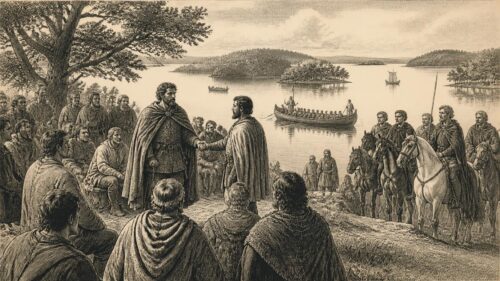
In 1589, Cú Chonnacht Óg Maguire’s death triggered a Fermanagh succession contest, resolved at Sciath Ghabhra when Donnell O’Donnell backed his son Hugh, reinforcing north-western alliances. MacMahon succession rivalry in Monaghan invited intervention by Lord Deputy Sir William Fitzwilliam, while Hugh O’Neill consolidated his position. In Connacht, opposition to Sir Richard Bingham’s Composition produced raids, government defeat, reprisals, an inquiry, Bingham’s acquittal and renewed campaigning. Munster commissioners assessed the incomplete plantation of confiscated Desmond lands. Ecclesiastical appointments and annalistic obituaries reflected enduring Catholic, Gaelic learned and social traditions. Together, these events exposed conflicts over lordship, land, royal administration and authority.
Read Article




