
c.1930
64 archived items
January 1 item
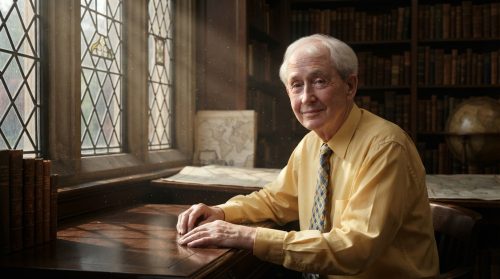
Frank McCourt
Frank McCourt was born in New York in 1930 but grew up amid severe poverty in Limerick, whose streets and hardships shaped his writing. After returning to America, he served in the United States Army and became a teacher in New York. His memoir Angela’s Ashes transformed memories of childhood hardship into an internationally successful narrative, winning the Pulitzer Prize and National Book Critics Circle prize. He continued his life story in ’Tis and Teacher Man, describing emigration, education and classroom experiences. McCourt’s vivid storytelling brought worldwide attention to twentieth-century Limerick while provoking discussion about memory, poverty, family and representation.
View ImageFebruary 2 items

Univer
Frank McCourt was born in New York in 1930 but grew up amid severe poverty in Limerick, whose streets and hardships shaped his writing. After returning to America, he served in the United States Army and became a teacher in New York. His memoir Angela’s Ashes transformed memories of childhood hardship into an internationally successful narrative, winning the Pulitzer Prize and National Book Critics Circle prize. He continued his life story in ’Tis and Teacher Man, describing emigration, education and classroom experiences. McCourt’s vivid storytelling brought worldwide attention to twentieth-century Limerick while provoking discussion about memory, poverty, family and representation.
View Image
Univer
Frank McCourt was born in New York in 1930 but grew up amid severe poverty in Limerick, whose streets and hardships shaped his writing. After returning to America, he served in the United States Army and became a teacher in New York. His memoir Angela’s Ashes transformed memories of childhood hardship into an internationally successful narrative, winning the Pulitzer Prize and National Book Critics Circle prize. He continued his life story in ’Tis and Teacher Man, describing emigration, education and classroom experiences. McCourt’s vivid storytelling brought worldwide attention to twentieth-century Limerick while provoking discussion about memory, poverty, family and representation.
View ImageMarch 1 item

Frank McCourt
Frank McCourt was born in New York in 1930 but grew up amid severe poverty in Limerick, whose streets and hardships shaped his writing. After returning to America, he served in the United States Army and became a teacher in New York. His memoir Angela’s Ashes transformed memories of childhood hardship into an internationally successful narrative, winning the Pulitzer Prize and National Book Critics Circle prize. He continued his life story in ’Tis and Teacher Man, describing emigration, education and classroom experiences. McCourt’s vivid storytelling brought worldwide attention to twentieth-century Limerick while provoking discussion about memory, poverty, family and representation.
View ImageApril 1 item

Hall
Frank McCourt was born in New York in 1930 but grew up amid severe poverty in Limerick, whose streets and hardships shaped his writing. After returning to America, he served in the United States Army and became a teacher in New York. His memoir Angela’s Ashes transformed memories of childhood hardship into an internationally successful narrative, winning the Pulitzer Prize and National Book Critics Circle prize. He continued his life story in ’Tis and Teacher Man, describing emigration, education and classroom experiences. McCourt’s vivid storytelling brought worldwide attention to twentieth-century Limerick while provoking discussion about memory, poverty, family and representation.
View ImageMay 1 item

Warmly
Frank McCourt was born in New York in 1930 but grew up amid severe poverty in Limerick, whose streets and hardships shaped his writing. After returning to America, he served in the United States Army and became a teacher in New York. His memoir Angela’s Ashes transformed memories of childhood hardship into an internationally successful narrative, winning the Pulitzer Prize and National Book Critics Circle prize. He continued his life story in ’Tis and Teacher Man, describing emigration, education and classroom experiences. McCourt’s vivid storytelling brought worldwide attention to twentieth-century Limerick while provoking discussion about memory, poverty, family and representation.
View ImageJune 1 item
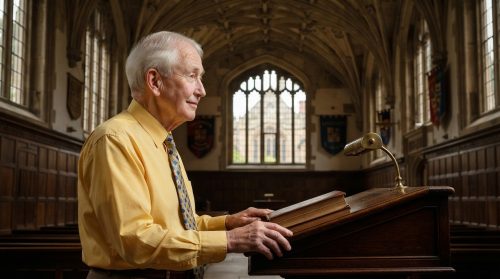
Frank McCourt
Frank McCourt was born in New York in 1930 but grew up amid severe poverty in Limerick, whose streets and hardships shaped his writing. After returning to America, he served in the United States Army and became a teacher in New York. His memoir Angela’s Ashes transformed memories of childhood hardship into an internationally successful narrative, winning the Pulitzer Prize and National Book Critics Circle prize. He continued his life story in ’Tis and Teacher Man, describing emigration, education and classroom experiences. McCourt’s vivid storytelling brought worldwide attention to twentieth-century Limerick while provoking discussion about memory, poverty, family and representation.
View ImageJuly 2 items

Frank McCourt
Frank McCourt was born in New York in 1930 but grew up amid severe poverty in Limerick, whose streets and hardships shaped his writing. After returning to America, he served in the United States Army and became a teacher in New York. His memoir Angela’s Ashes transformed memories of childhood hardship into an internationally successful narrative, winning the Pulitzer Prize and National Book Critics Circle prize. He continued his life story in ’Tis and Teacher Man, describing emigration, education and classroom experiences. McCourt’s vivid storytelling brought worldwide attention to twentieth-century Limerick while provoking discussion about memory, poverty, family and representation.
View Image
Frank McCourt
Frank McCourt was born in New York in 1930 but grew up amid severe poverty in Limerick, whose streets and hardships shaped his writing. After returning to America, he served in the United States Army and became a teacher in New York. His memoir Angela’s Ashes transformed memories of childhood hardship into an internationally successful narrative, winning the Pulitzer Prize and National Book Critics Circle prize. He continued his life story in ’Tis and Teacher Man, describing emigration, education and classroom experiences. McCourt’s vivid storytelling brought worldwide attention to twentieth-century Limerick while provoking discussion about memory, poverty, family and representation.
View ImageAugust 2 items
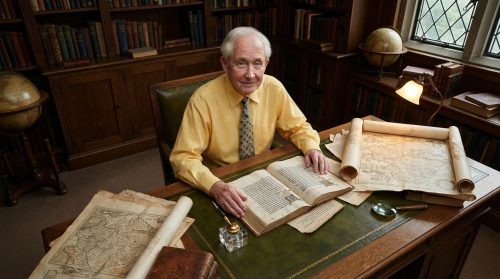
Frank McCourt
Frank McCourt was born in New York in 1930 but grew up amid severe poverty in Limerick, whose streets and hardships shaped his writing. After returning to America, he served in the United States Army and became a teacher in New York. His memoir Angela’s Ashes transformed memories of childhood hardship into an internationally successful narrative, winning the Pulitzer Prize and National Book Critics Circle prize. He continued his life story in ’Tis and Teacher Man, describing emigration, education and classroom experiences. McCourt’s vivid storytelling brought worldwide attention to twentieth-century Limerick while provoking discussion about memory, poverty, family and representation.
View Image
Limerick Storyteller
Frank McCourt was born in Brooklyn, New York, on 19 August 1930, the eldest surviving child of Irish immigrant parents Angela Sheehan and Malachy McCourt. During the Great Depression, the family returned to Ireland, eventually settling in Limerick, where unemployment, illness, overcrowding and hunger shaped his childhood. The McCourts lived in poor housing, including homes on Roden Lane, while Frank attended local schools and worked small jobs to help his family. These experiences later became the foundation of his writing, although he transformed remembered events through humour, dialogue and carefully constructed scenes rather than presenting a detached historical record alone.
View ArticleSeptember 0 items
No published items are currently assigned to this period.
October 1 item

Limerick Legend
Richard Harris was born in Limerick on 1 October 1930, one of nine children in a milling family. Educated at Crescent College, he displayed promise as a rugby player and hoped to pursue the sport. Tuberculosis interrupted those ambitions and required a lengthy period of recovery, during which reading and theatre became important to him. After regaining his health, Harris travelled to London and studied acting at the London Academy of Music and Dramatic Art. His powerful voice, physical confidence and emotional intensity soon distinguished him, preparing the foundations for an extraordinary international career across stage, cinema, music and literature.
View ArticleNovember 0 items
No published items are currently assigned to this period.
December 0 items
No published items are currently assigned to this period.
Month Unspecified52 items

Clover Meats
Origins of Clover Meats are rooted in nineteenth century Limerick where Shaw’s bacon works operated on Mulgrave Street serving local and export markets. Shaw’s expanded into tinned and cured meats and was formally recorded as Clover Meats Limited on 1 September 1930. The works formed part of the city district known as Pigtown where butchers, pig buyers and curing houses clustered beside the Shannon. Large scale slaughtering and curing shaped daily life with factory horns, cart traffic and close networks of supply from County Limerick farmers. Families relied on the wages and skills generated by the pork and bacon economy.
View Article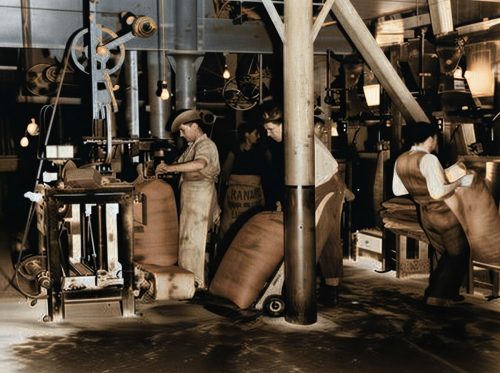
Ranks Mills
Ranks Mills became central to Limerick’s industrial life after Joseph Rank’s company acquired Goodbody’s existing flour works and redeveloped the Dock Road site in 1930. The new complex combined modern roller milling technology with large concrete silos and riverside receiving facilities for imported wheat and grain shipments. Its scale altered the city skyline and expanded dockside employment, drawing labour from Thomondgate and surrounding districts into regular wage labour. The development linked older milling traditions on the Lock Mills site to twentieth century corporate manufacturing and transformed working rhythms, seasonal hiring practices and civic identity and local oral histories attest regularly.
View Article