Mellifont and the Towns
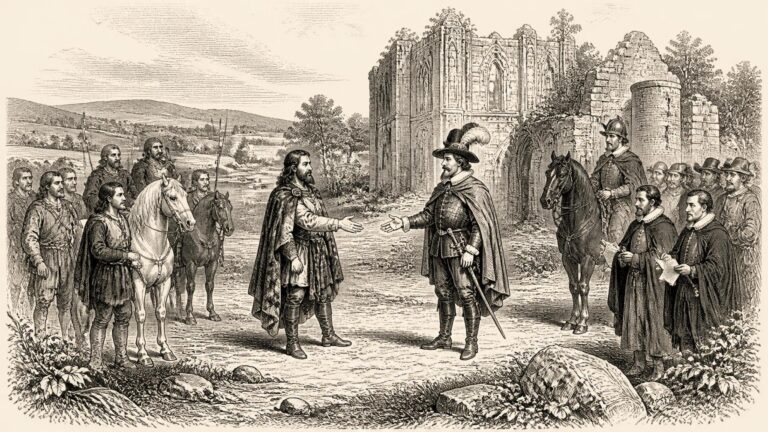
On 30 March, Hugh O’Neill submitted to Lord Deputy Charles Blount, Lord Mountjoy, at Mellifont Abbey. The meeting is conventionally treated as the end of the Nine Years’ War, the long conflict in which O’Neill, Hugh Roe O’Donnell and their allies had contested the extension of English royal power across Ireland. It was not simply an abject capitulation. Mountjoy negotiated because continued war was expensive and hazardous, while O’Neill still possessed considerable standing among the people and lesser lords of Ulster. The settlement gave the earl a pardon and restored him to a substantial landed position, but only on terms that struck at the foundations of his Gaelic authority. He abandoned the title ‘The O’Neill’, renounced foreign alliances and surrendered his traditional superiority over dependent lesser lordships, the uirríthe.