land reform

Explore articles and images connected with land reform. These results bring together relevant people, places, events and experiences preserved throughout Limerick Archives.

Showing results 1–10 of 16


Purchase Delayed

Tenant purchase continues under the existing Irish Land Acts, allowing some farmers to replace rent payments with annual instalments towards ownership of their holdings. The principle has won broad support among tenants who believe possession of the soil would provide greater independence, security and confidence in improving their farms. Yet the number of completed sales remains insufficient to satisfy many rural communities. In County Limerick, farmers continue to wait upon negotiations between landlords, tenants, the Irish Land Commission and the Treasury, while political organisers argue that a reform intended to settle the land question is proceeding far too slowly.
Read Article

Reunion Talks

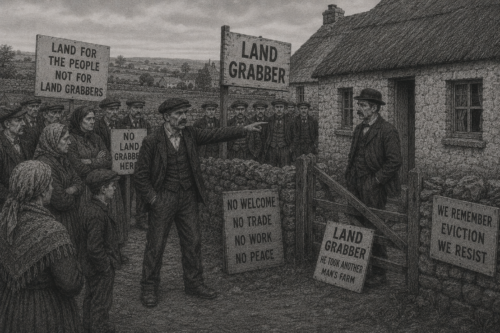
John Redmond’s Parnellite followers entered formal discussions with their former anti-Parnellite opponents as pressure mounted to end nearly a decade of nationalist division. Redmond had led the minority that remained loyal to Charles Stewart Parnell after the Irish Parliamentary Party split in December 1890. The larger anti-Parnellite body was principally associated with John Dillon, while Timothy Healy commanded another influential grouping. Their separate organisations had competed for authority, funds and electoral support throughout the 1890s, weakening the parliamentary movement and leaving constitutional nationalism without the concentrated leadership it had possessed under Parnell.
Read Article

Land Grabbers

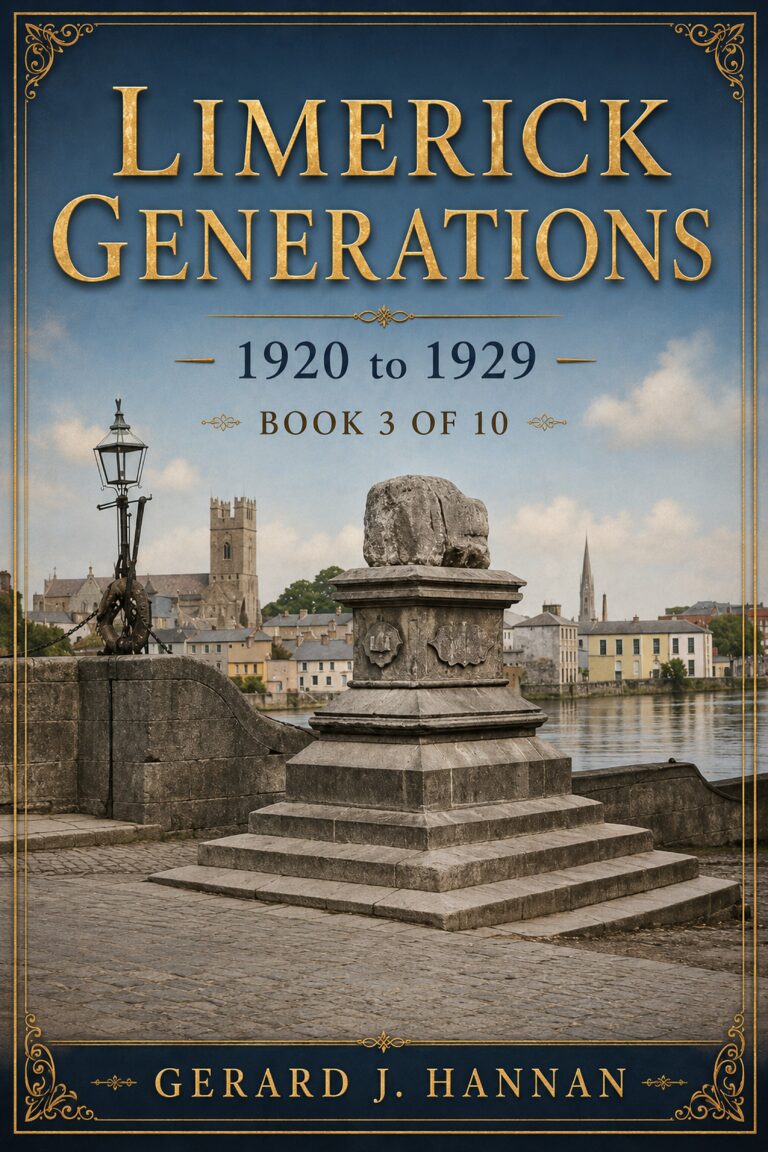
The hostile term “land grabber” continues to be directed against tenants who enter farms from which earlier occupiers have been evicted or otherwise displaced. Across rural Ireland, such men may possess legal agreements with landlords, yet neighbours frequently regard their occupation as a betrayal of the former tenant and the wider land campaign. The description carries consequences extending beyond political criticism. Those branded with it may face public condemnation, social isolation and organised pressure intended to make the disputed holding difficult to retain. In County Limerick, the label remains inseparable from memories of eviction, rent conflict and agrarian resistance.
Read Article

British Absence

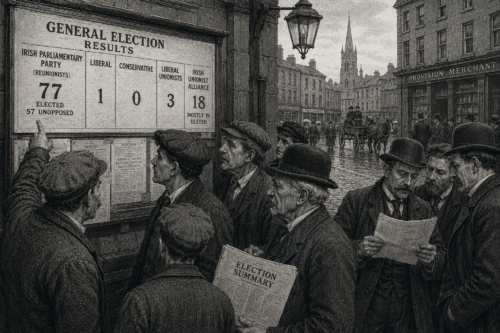
The completed general election has again demonstrated the weakness of the principal British political parties throughout nationalist Ireland. John Redmond’s reunited Irish Parliamentary Party has taken seventy-seven of Ireland’s 103 seats, while candidates standing directly for the British Liberal and Conservative parties made little impression across the south, west and much of the midlands. In Limerick, voters returned nationalist representatives without any prospect of an ordinary contest between the parties governing and opposing at Westminster. Irish political organisation remains shaped principally by the constitutional struggle between nationalism and unionism rather than by the divisions governing electoral life in Great Britain.
Read Article

League Endorsed

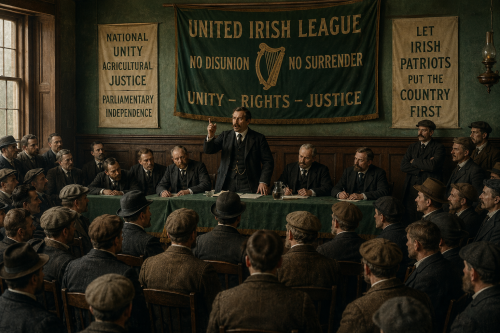
The United Irish League’s campaign for nationalist unity received an important endorsement from parliamentary representatives gathered at Dublin’s Mansion House on 17 January. By appearing together and advancing negotiations for reunion, members of the rival nationalist factions acknowledged the popular demand that had grown around the League since its establishment by William O’Brien in 1898. The organisation had begun chiefly as a campaign for land reform and the enlargement of uneconomic holdings, but its branches increasingly called upon politicians to end the quarrels created by the fall of Charles Stewart Parnell and restore a united parliamentary movement.
Read Article

Branches Demand

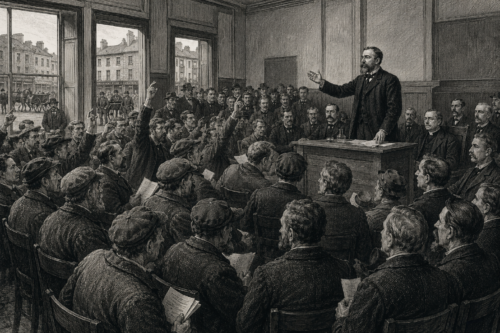
United Irish League branches pressed nationalist MPs to place national unity above personal disagreement as the organisation expanded during 1899. Founded at Westport in January 1898, the League combined agrarian agitation with a campaign to reconstruct the divided parliamentary movement. Local meetings and resolutions allowed tenant farmers, organisers and constituency workers to express impatience with leaders whose rivalries had weakened Irish representation since the fall of Charles Stewart Parnell. Branches possessed no constitutional power to command MPs, but their subscriptions, electoral labour and influence over candidate selection gave their appeals a force that Westminster politicians could not safely dismiss.
Read Article

Western Hardship

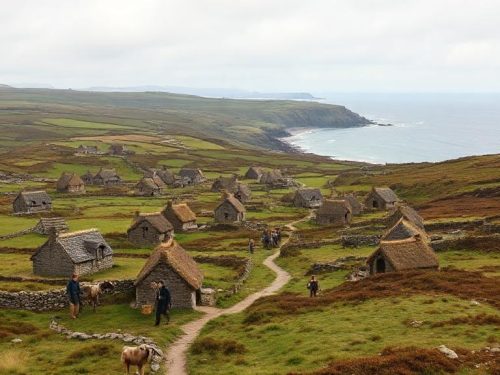
Congestion, fragmented holdings and poor soil continue to govern the lives of thousands of families throughout western Ireland. In large districts of Galway, Mayo, Roscommon, Donegal, Kerry and western Cork, households depend upon small and scattered plots that cannot reliably support those working them. A family may cultivate several separate strips divided by neighbours’ land, bog or rocky ground, making improvement difficult and wasting valuable time. Similar hardship is familiar in poorer coastal and upland parts of Munster, where limited employment and uncertain harvests leave communities dependent upon fishing, seasonal labour, credit and remittances from relatives abroad.
Read Article

National Programme

The reunited Irish Parliamenme Rule, land reform and the restoration of an Irish legislature responsible for domestic affairs. The programme places constitutional self-government and the condition of tenant farmers at the centre of nationalist politics following years of damaging division. In Limerick city and county, supporters are expected to welcome a policy connecting representation at Westminster with demands concerning land purchase, evicted tenants and overcrowded rural holdings. The agreement gives John Redmond’s leadership a defined political purpose while allowing the United Irish League to organise popular support through local branches, conventions and public meetings.
Read Article

Tenant Payments

Judge Richard Adams delivered an important ruling during the Limerick Quarter Sessions concerning the fixing of fair rents on Irish agricultural holdings. He declared that money already paid by a tenant to obtain possession of a farm should be taken into account when the judicial rent was assessed. Such payments commonly represented the purchase of the outgoing tenant’s interest, goodwill or tenant-right rather than money paid directly to the landlord. Adams’s statement recognised that an incoming occupier might have invested a substantial sum before paying a single year’s rent and that this financial burden formed part of the true circumstances of the tenancy.
Read Article
Reunion Advances

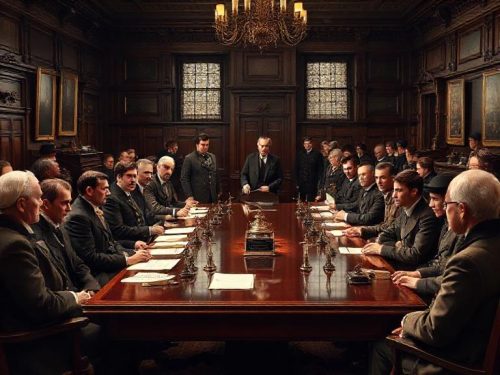
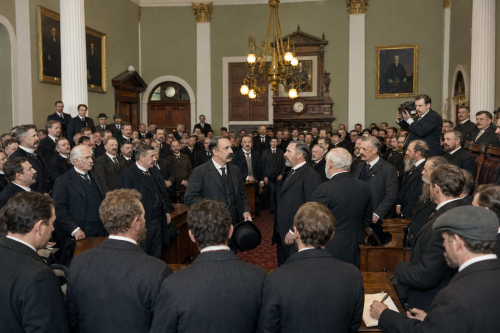
Negotiations to reunite Ireland’s divided nationalist parliamentarians advanced formally during the Mansion House conference held on 17 January. Representatives associated with the rival factions created by the fall of Charles Stewart Parnell met in Dublin to consider practical terms for restoring a single parliamentary organisation. Nearly a decade of internal conflict had weakened nationalist influence at Westminster and exhausted many supporters throughout Ireland. The conference did not instantly remove the personal distrust, political grievances and competing ambitions that had accumulated since 1890, but it transformed informal appeals for reconciliation into a structured negotiation between recognised representatives of the opposing groups.
Read Article
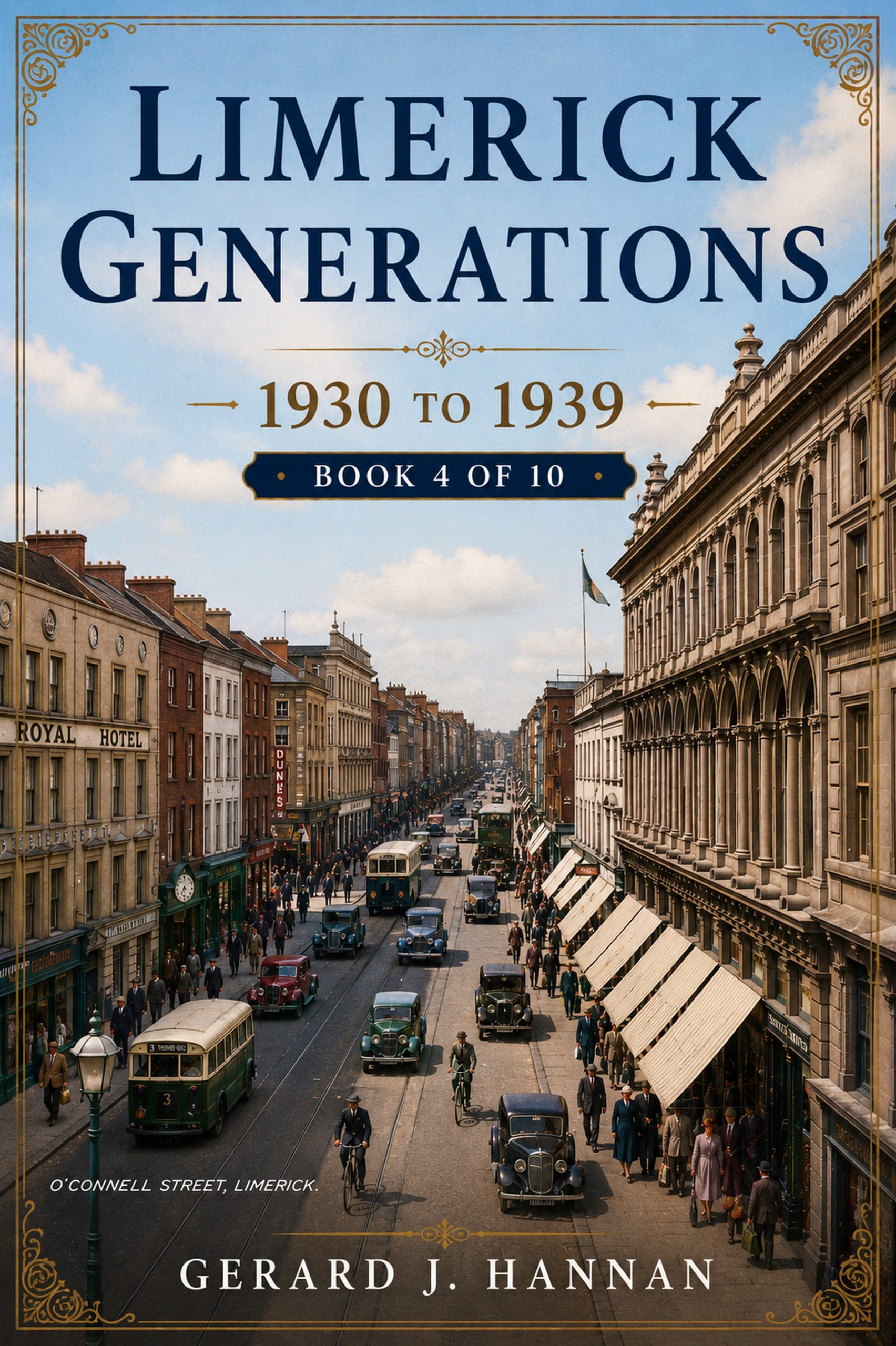
Gerard J. Hannan

Books By Gerard J. Hannan

Explore Gerard J. Hannan’s published and forthcoming books, spanning historical fiction, Limerick humour, family sagas and detailed studies of local and modern Irish history. Each title offers a distinctive story, subject or perspective, reflecting his interest in people, memory, identity, conflict and social change. From comic observations rooted in Limerick life to ambitious novels shaped by major historical events, the collection presents a varied and expanding body of work. Every book is accompanied by its cover, full description and publication details, with a direct Amazon link included wherever an edition is currently available for readers to purchase or discover more.

View All Books