
c.1830s
The 1830s section gathers all articles and images assigned to this period within Emerald Archives. Together, these records show how developments within Limerick interacted with political, economic, social and cultural changes across Ireland and the wider world. They reveal how public decisions, employment, transport, trade, conflict, migration, technology, religion and changing customs reached ordinary homes and communities. Some evidence records major events, while other material preserves quieter details of streets, workplaces and family life. As additional records are published and classified, this decade will expand automatically, providing a fuller picture of Limerick experience during these important years for future visitors.
1830 45 items
Path Leading
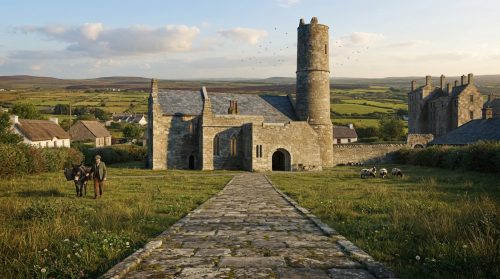
This adapted image is based on Thomas Newenham’s 1830 engraving of Kilmallock Dominican Priory, one of County Limerick’s most important medieval monuments. Founded in 1291 by the Fitzgerald family, the priory, also known as St Saviour’s, stands beside the River Loobagh within historic Kilmallock. Newenham’s original view appeared in Picturesque Views of the Antiquities of Ireland and recorded the ruins during the nineteenth century. This modern adaptation respectfully reimagines that historic scene while preserving the character, architecture and atmosphere of the original composition. The priory’s tower, east window and weathered stonework remain enduring symbols of Kilmallock’s rich medieval heritage today.
View Image
Stone Church
This adapted image is based on Thomas Newenham’s 1830 engraving of Kilmallock Dominican Priory, one of County Limerick’s most important medieval monuments. Founded in 1291 by the Fitzgerald family, the priory, also known as St Saviour’s, stands beside the River Loobagh within historic Kilmallock. Newenham’s original view appeared in Picturesque Views of the Antiquities of Ireland and recorded the ruins during the nineteenth century. This modern adaptation respectfully reimagines that historic scene while preserving the character, architecture and atmosphere of the original composition. The priory’s tower, east window and weathered stonework remain enduring symbols of Kilmallock’s rich medieval heritage today.
View Image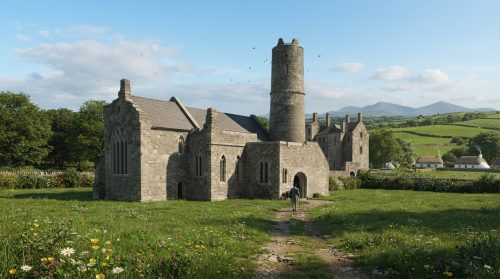
Stone Church
This adapted image is based on Thomas Newenham’s 1830 engraving of Kilmallock Dominican Priory, one of County Limerick’s most important medieval monuments. Founded in 1291 by the Fitzgerald family, the priory, also known as St Saviour’s, stands beside the River Loobagh within historic Kilmallock. Newenham’s original view appeared in Picturesque Views of the Antiquities of Ireland and recorded the ruins during the nineteenth century. This modern adaptation respectfully reimagines that historic scene while preserving the character, architecture and atmosphere of the original composition. The priory’s tower, east window and weathered stonework remain enduring symbols of Kilmallock’s rich medieval heritage today.
View Image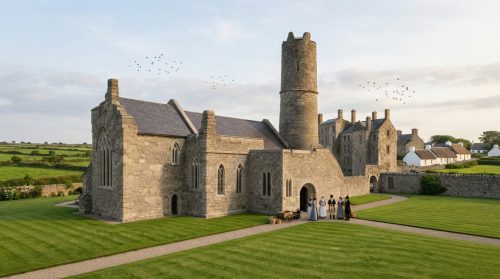
Stone Church
This adapted image is based on Thomas Newenham’s 1830 engraving of Kilmallock Dominican Priory, one of County Limerick’s most important medieval monuments. Founded in 1291 by the Fitzgerald family, the priory, also known as St Saviour’s, stands beside the River Loobagh within historic Kilmallock. Newenham’s original view appeared in Picturesque Views of the Antiquities of Ireland and recorded the ruins during the nineteenth century. This modern adaptation respectfully reimagines that historic scene while preserving the character, architecture and atmosphere of the original composition. The priory’s tower, east window and weathered stonework remain enduring symbols of Kilmallock’s rich medieval heritage today.
View Image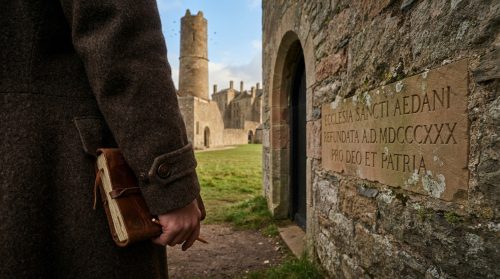
Viewing Stone
This adapted image is based on Thomas Newenham’s 1830 engraving of Kilmallock Dominican Priory, one of County Limerick’s most important medieval monuments. Founded in 1291 by the Fitzgerald family, the priory, also known as St Saviour’s, stands beside the River Loobagh within historic Kilmallock. Newenham’s original view appeared in Picturesque Views of the Antiquities of Ireland and recorded the ruins during the nineteenth century. This modern adaptation respectfully reimagines that historic scene while preserving the character, architecture and atmosphere of the original composition. The priory’s tower, east window and weathered stonework remain enduring symbols of Kilmallock’s rich medieval heritage today.
View Image
Stone Church
This adapted image is based on Thomas Newenham’s 1830 engraving of Kilmallock Dominican Priory, one of County Limerick’s most important medieval monuments. Founded in 1291 by the Fitzgerald family, the priory, also known as St Saviour’s, stands beside the River Loobagh within historic Kilmallock. Newenham’s original view appeared in Picturesque Views of the Antiquities of Ireland and recorded the ruins during the nineteenth century. This modern adaptation respectfully reimagines that historic scene while preserving the character, architecture and atmosphere of the original composition. The priory’s tower, east window and weathered stonework remain enduring symbols of Kilmallock’s rich medieval heritage today.
View Image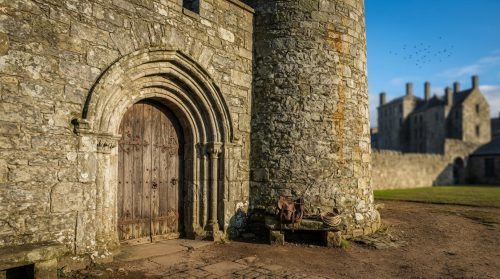
Irish Church
This adapted image is based on Thomas Newenham’s 1830 engraving of Kilmallock Dominican Priory, one of County Limerick’s most important medieval monuments. Founded in 1291 by the Fitzgerald family, the priory, also known as St Saviour’s, stands beside the River Loobagh within historic Kilmallock. Newenham’s original view appeared in Picturesque Views of the Antiquities of Ireland and recorded the ruins during the nineteenth century. This modern adaptation respectfully reimagines that historic scene while preserving the character, architecture and atmosphere of the original composition. The priory’s tower, east window and weathered stonework remain enduring symbols of Kilmallock’s rich medieval heritage today.
View Image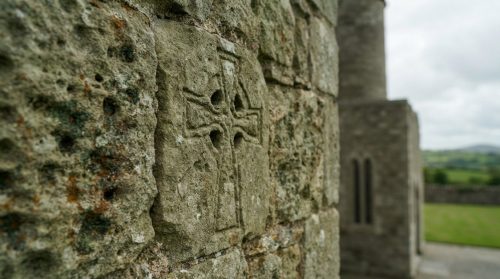
Carved Stone
This adapted image is based on Thomas Newenham’s 1830 engraving of Kilmallock Dominican Priory, one of County Limerick’s most important medieval monuments. Founded in 1291 by the Fitzgerald family, the priory, also known as St Saviour’s, stands beside the River Loobagh within historic Kilmallock. Newenham’s original view appeared in Picturesque Views of the Antiquities of Ireland and recorded the ruins during the nineteenth century. This modern adaptation respectfully reimagines that historic scene while preserving the character, architecture and atmosphere of the original composition. The priory’s tower, east window and weathered stonework remain enduring symbols of Kilmallock’s rich medieval heritage today.
View Image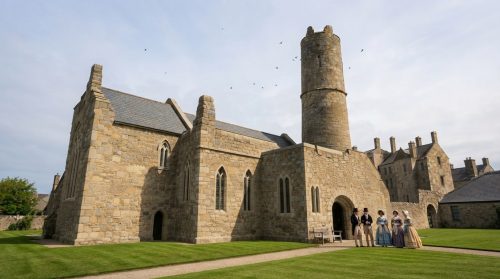
Visitors Viewing
This adapted image is based on Thomas Newenham’s 1830 engraving of Kilmallock Dominican Priory, one of County Limerick’s most important medieval monuments. Founded in 1291 by the Fitzgerald family, the priory, also known as St Saviour’s, stands beside the River Loobagh within historic Kilmallock. Newenham’s original view appeared in Picturesque Views of the Antiquities of Ireland and recorded the ruins during the nineteenth century. This modern adaptation respectfully reimagines that historic scene while preserving the character, architecture and atmosphere of the original composition. The priory’s tower, east window and weathered stonework remain enduring symbols of Kilmallock’s rich medieval heritage today.
View Image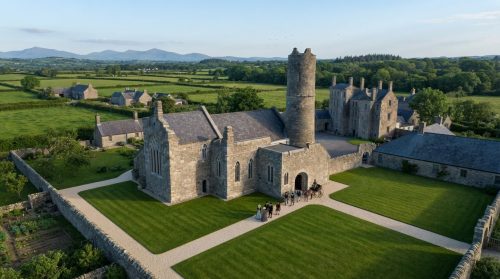
Walking Church
This adapted image is based on Thomas Newenham’s 1830 engraving of Kilmallock Dominican Priory, one of County Limerick’s most important medieval monuments. Founded in 1291 by the Fitzgerald family, the priory, also known as St Saviour’s, stands beside the River Loobagh within historic Kilmallock. Newenham’s original view appeared in Picturesque Views of the Antiquities of Ireland and recorded the ruins during the nineteenth century. This modern adaptation respectfully reimagines that historic scene while preserving the character, architecture and atmosphere of the original composition. The priory’s tower, east window and weathered stonework remain enduring symbols of Kilmallock’s rich medieval heritage today.
View Image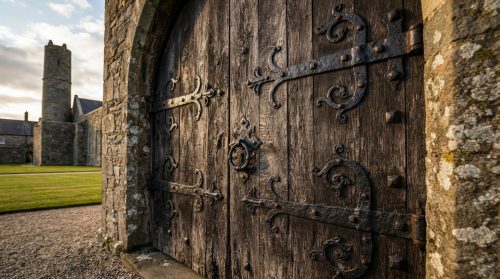
Church Doors
This adapted image is based on Thomas Newenham’s 1830 engraving of Kilmallock Dominican Priory, one of County Limerick’s most important medieval monuments. Founded in 1291 by the Fitzgerald family, the priory, also known as St Saviour’s, stands beside the River Loobagh within historic Kilmallock. Newenham’s original view appeared in Picturesque Views of the Antiquities of Ireland and recorded the ruins during the nineteenth century. This modern adaptation respectfully reimagines that historic scene while preserving the character, architecture and atmosphere of the original composition. The priory’s tower, east window and weathered stonework remain enduring symbols of Kilmallock’s rich medieval heritage today.
View Image
Stone Gargoyle
This adapted image is based on Thomas Newenham’s 1830 engraving of Kilmallock Dominican Priory, one of County Limerick’s most important medieval monuments. Founded in 1291 by the Fitzgerald family, the priory, also known as St Saviour’s, stands beside the River Loobagh within historic Kilmallock. Newenham’s original view appeared in Picturesque Views of the Antiquities of Ireland and recorded the ruins during the nineteenth century. This modern adaptation respectfully reimagines that historic scene while preserving the character, architecture and atmosphere of the original composition. The priory’s tower, east window and weathered stonework remain enduring symbols of Kilmallock’s rich medieval heritage today.
View Image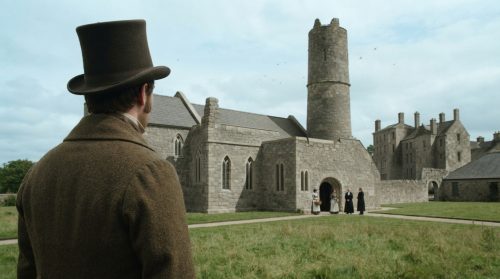
Looking Stone
This adapted image is based on Thomas Newenham’s 1830 engraving of Kilmallock Dominican Priory, one of County Limerick’s most important medieval monuments. Founded in 1291 by the Fitzgerald family, the priory, also known as St Saviour’s, stands beside the River Loobagh within historic Kilmallock. Newenham’s original view appeared in Picturesque Views of the Antiquities of Ireland and recorded the ruins during the nineteenth century. This modern adaptation respectfully reimagines that historic scene while preserving the character, architecture and atmosphere of the original composition. The priory’s tower, east window and weathered stonework remain enduring symbols of Kilmallock’s rich medieval heritage today.
View Image
Panoramic Ireland
This adapted image is based on Thomas Newenham’s 1830 engraving of Kilmallock Dominican Priory, one of County Limerick’s most important medieval monuments. Founded in 1291 by the Fitzgerald family, the priory, also known as St Saviour’s, stands beside the River Loobagh within historic Kilmallock. Newenham’s original view appeared in Picturesque Views of the Antiquities of Ireland and recorded the ruins during the nineteenth century. This modern adaptation respectfully reimagines that historic scene while preserving the character, architecture and atmosphere of the original composition. The priory’s tower, east window and weathered stonework remain enduring symbols of Kilmallock’s rich medieval heritage today.
View Image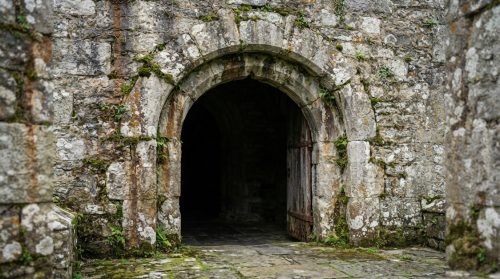
Limestone Textures
This adapted image is based on Thomas Newenham’s 1830 engraving of Kilmallock Dominican Priory, one of County Limerick’s most important medieval monuments. Founded in 1291 by the Fitzgerald family, the priory, also known as St Saviour’s, stands beside the River Loobagh within historic Kilmallock. Newenham’s original view appeared in Picturesque Views of the Antiquities of Ireland and recorded the ruins during the nineteenth century. This modern adaptation respectfully reimagines that historic scene while preserving the character, architecture and atmosphere of the original composition. The priory’s tower, east window and weathered stonework remain enduring symbols of Kilmallock’s rich medieval heritage today.
View Image1831 8 items
Buildings
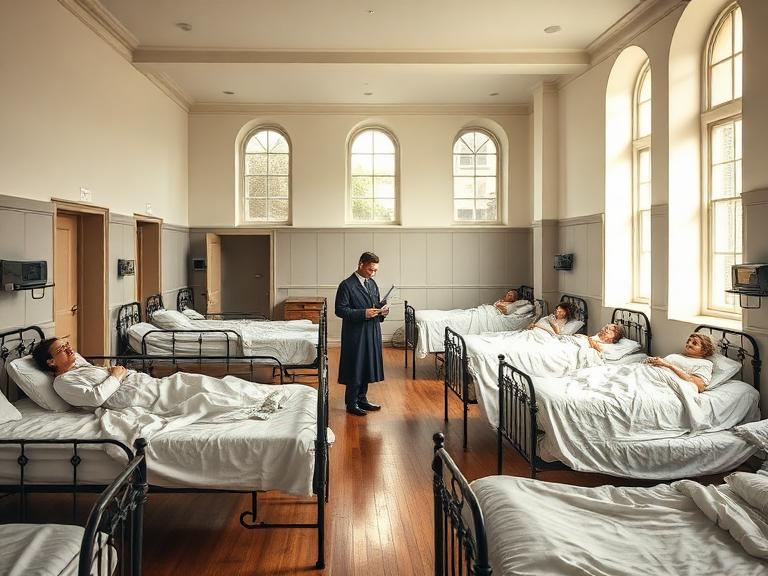
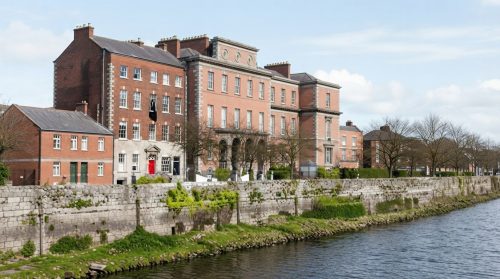
Barringtons Hospital, overlooking George’s Quay in Limerick, was founded in 1829 by Sir Joseph Barrington and his sons to provide free medical care to the poor, regardless of background or religion. Designed by architect Frederick Darley, the imposing Georgian building featured a raised podium, arcaded portico and commanding riverside presence. It opened to patients on 5 November 1831 and served generations as a charitable public infirmary. After closing as a state hospital in 1988, the landmark was purchased by surgeon Paul O’Byrne in 1991, restored and reopened as a modern private acute hospital serving Limerick and the wider Mid-West region.
View Image
Ed
Barringtons Hospital, overlooking George’s Quay in Limerick, was founded in 1829 by Sir Joseph Barrington and his sons to provide free medical care to the poor, regardless of background or religion. Designed by architect Frederick Darley, the imposing Georgian building featured a raised podium, arcaded portico and commanding riverside presence. It opened to patients on 5 November 1831 and served generations as a charitable public infirmary. After closing as a state hospital in 1988, the landmark was purchased by surgeon Paul O’Byrne in 1991, restored and reopened as a modern private acute hospital serving Limerick and the wider Mid-West region.
View Image
Buildings
Barringtons Hospital, overlooking George’s Quay in Limerick, was founded in 1829 by Sir Joseph Barrington and his sons to provide free medical care to the poor, regardless of background or religion. Designed by architect Frederick Darley, the imposing Georgian building featured a raised podium, arcaded portico and commanding riverside presence. It opened to patients on 5 November 1831 and served generations as a charitable public infirmary. After closing as a state hospital in 1988, the landmark was purchased by surgeon Paul O’Byrne in 1991, restored and reopened as a modern private acute hospital serving Limerick and the wider Mid-West region.
View Image
Ed
Barringtons Hospital, overlooking George’s Quay in Limerick, was founded in 1829 by Sir Joseph Barrington and his sons to provide free medical care to the poor, regardless of background or religion. Designed by architect Frederick Darley, the imposing Georgian building featured a raised podium, arcaded portico and commanding riverside presence. It opened to patients on 5 November 1831 and served generations as a charitable public infirmary. After closing as a state hospital in 1988, the landmark was purchased by surgeon Paul O’Byrne in 1991, restored and reopened as a modern private acute hospital serving Limerick and the wider Mid-West region.
View Image
Riverbank
Barringtons Hospital, overlooking George’s Quay in Limerick, was founded in 1829 by Sir Joseph Barrington and his sons to provide free medical care to the poor, regardless of background or religion. Designed by architect Frederick Darley, the imposing Georgian building featured a raised podium, arcaded portico and commanding riverside presence. It opened to patients on 5 November 1831 and served generations as a charitable public infirmary. After closing as a state hospital in 1988, the landmark was purchased by surgeon Paul O’Byrne in 1991, restored and reopened as a modern private acute hospital serving Limerick and the wider Mid-West region.
View Image
Ed
Barringtons Hospital, overlooking George’s Quay in Limerick, was founded in 1829 by Sir Joseph Barrington and his sons to provide free medical care to the poor, regardless of background or religion. Designed by architect Frederick Darley, the imposing Georgian building featured a raised podium, arcaded portico and commanding riverside presence. It opened to patients on 5 November 1831 and served generations as a charitable public infirmary. After closing as a state hospital in 1988, the landmark was purchased by surgeon Paul O’Byrne in 1991, restored and reopened as a modern private acute hospital serving Limerick and the wider Mid-West region.
View Image
Origin
Barringtons Hospital, overlooking George’s Quay in Limerick, was founded in 1829 by Sir Joseph Barrington and his sons to provide free medical care to the poor, regardless of background or religion. Designed by architect Frederick Darley, the imposing Georgian building featured a raised podium, arcaded portico and commanding riverside presence. It opened to patients on 5 November 1831 and served generations as a charitable public infirmary. After closing as a state hospital in 1988, the landmark was purchased by surgeon Paul O’Byrne in 1991, restored and reopened as a modern private acute hospital serving Limerick and the wider Mid-West region.
View Image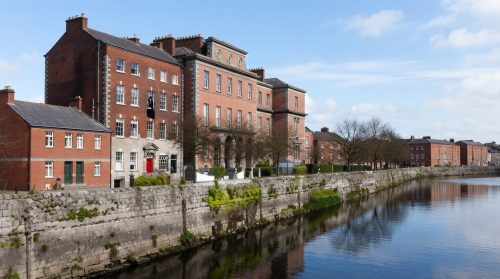
Riverbank
Barringtons Hospital, overlooking George’s Quay in Limerick, was founded in 1829 by Sir Joseph Barrington and his sons to provide free medical care to the poor, regardless of background or religion. Designed by architect Frederick Darley, the imposing Georgian building featured a raised podium, arcaded portico and commanding riverside presence. It opened to patients on 5 November 1831 and served generations as a charitable public infirmary. After closing as a state hospital in 1988, the landmark was purchased by surgeon Paul O’Byrne in 1991, restored and reopened as a modern private acute hospital serving Limerick and the wider Mid-West region.
View Image1832 0 items
No published items are currently assigned to this period.
1833 0 items
No published items are currently assigned to this period.
1834 0 items
No published items are currently assigned to this period.
1835 60 items
Dromoland Castle
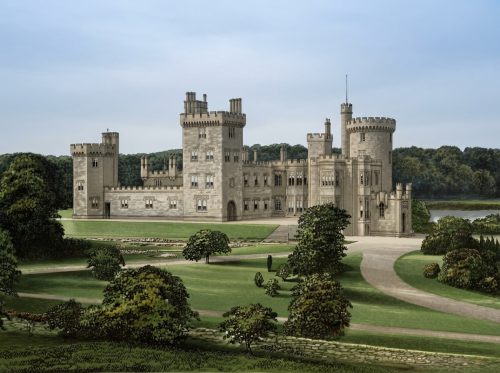
Dromoland Castle stands near Newmarket-on-Fergus in County Clare, combining centuries of aristocratic history with striking nineteenth-century architecture. Long associated with the O’Brien family, descendants of Brian Boru, the estate became one of Ireland’s most celebrated country residences. The present Gothic Revival castle was completed in 1835 to designs by James and George Pain, featuring castellated towers, imposing façades and extensive landscaped grounds. Sold in 1962 to American businessman Bernard McDonough, Dromoland was subsequently transformed into a luxury hotel and resort. Today, its historic setting, grand interiors, golf course and 500-acre estate attract visitors from Ireland and around the world annually.
View Image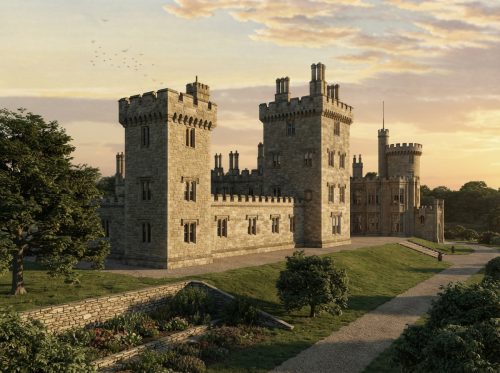
Dromoland Castle
Dromoland Castle stands near Newmarket-on-Fergus in County Clare, combining centuries of aristocratic history with striking nineteenth-century architecture. Long associated with the O’Brien family, descendants of Brian Boru, the estate became one of Ireland’s most celebrated country residences. The present Gothic Revival castle was completed in 1835 to designs by James and George Pain, featuring castellated towers, imposing façades and extensive landscaped grounds. Sold in 1962 to American businessman Bernard McDonough, Dromoland was subsequently transformed into a luxury hotel and resort. Today, its historic setting, grand interiors, golf course and 500-acre estate attract visitors from Ireland and around the world annually.
View Image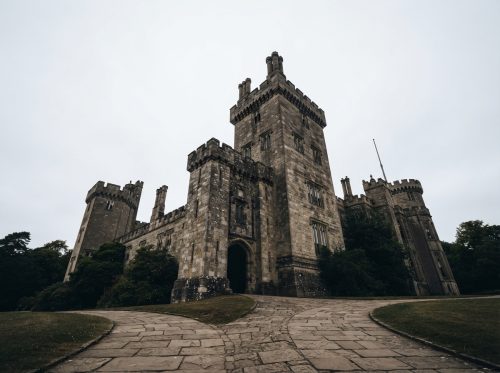
Dromoland Castle
Dromoland Castle stands near Newmarket-on-Fergus in County Clare, combining centuries of aristocratic history with striking nineteenth-century architecture. Long associated with the O’Brien family, descendants of Brian Boru, the estate became one of Ireland’s most celebrated country residences. The present Gothic Revival castle was completed in 1835 to designs by James and George Pain, featuring castellated towers, imposing façades and extensive landscaped grounds. Sold in 1962 to American businessman Bernard McDonough, Dromoland was subsequently transformed into a luxury hotel and resort. Today, its historic setting, grand interiors, golf course and 500-acre estate attract visitors from Ireland and around the world annually.
View Image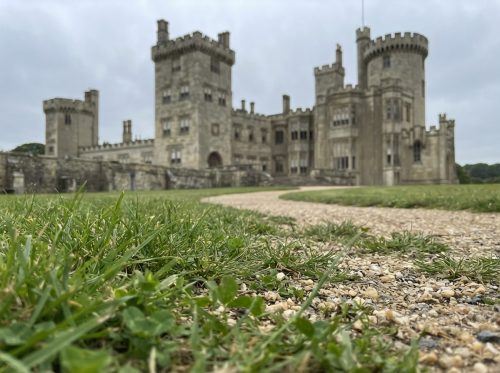
Dromoland Castle
Dromoland Castle stands near Newmarket-on-Fergus in County Clare, combining centuries of aristocratic history with striking nineteenth-century architecture. Long associated with the O’Brien family, descendants of Brian Boru, the estate became one of Ireland’s most celebrated country residences. The present Gothic Revival castle was completed in 1835 to designs by James and George Pain, featuring castellated towers, imposing façades and extensive landscaped grounds. Sold in 1962 to American businessman Bernard McDonough, Dromoland was subsequently transformed into a luxury hotel and resort. Today, its historic setting, grand interiors, golf course and 500-acre estate attract visitors from Ireland and around the world annually.
View Image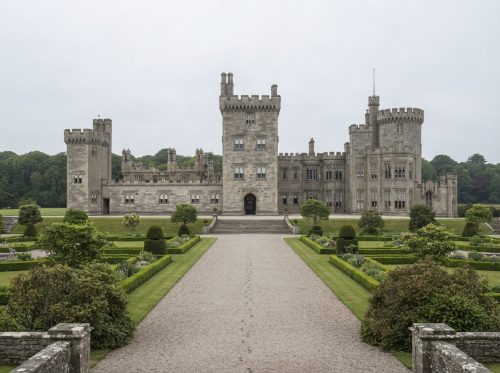
Dromoland Castle
Dromoland Castle stands near Newmarket-on-Fergus in County Clare, combining centuries of aristocratic history with striking nineteenth-century architecture. Long associated with the O’Brien family, descendants of Brian Boru, the estate became one of Ireland’s most celebrated country residences. The present Gothic Revival castle was completed in 1835 to designs by James and George Pain, featuring castellated towers, imposing façades and extensive landscaped grounds. Sold in 1962 to American businessman Bernard McDonough, Dromoland was subsequently transformed into a luxury hotel and resort. Today, its historic setting, grand interiors, golf course and 500-acre estate attract visitors from Ireland and around the world annually.
View Image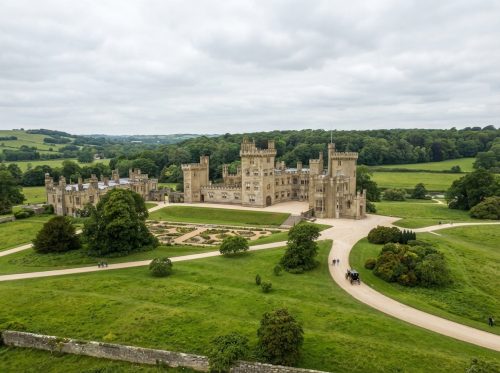
Dromoland Castle
Dromoland Castle stands near Newmarket-on-Fergus in County Clare, combining centuries of aristocratic history with striking nineteenth-century architecture. Long associated with the O’Brien family, descendants of Brian Boru, the estate became one of Ireland’s most celebrated country residences. The present Gothic Revival castle was completed in 1835 to designs by James and George Pain, featuring castellated towers, imposing façades and extensive landscaped grounds. Sold in 1962 to American businessman Bernard McDonough, Dromoland was subsequently transformed into a luxury hotel and resort. Today, its historic setting, grand interiors, golf course and 500-acre estate attract visitors from Ireland and around the world annually.
View Image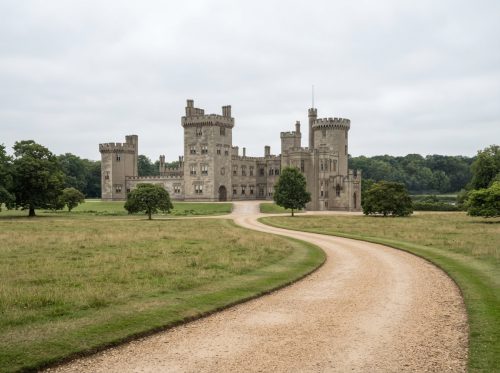
Dromoland Castle
Dromoland Castle stands near Newmarket-on-Fergus in County Clare, combining centuries of aristocratic history with striking nineteenth-century architecture. Long associated with the O’Brien family, descendants of Brian Boru, the estate became one of Ireland’s most celebrated country residences. The present Gothic Revival castle was completed in 1835 to designs by James and George Pain, featuring castellated towers, imposing façades and extensive landscaped grounds. Sold in 1962 to American businessman Bernard McDonough, Dromoland was subsequently transformed into a luxury hotel and resort. Today, its historic setting, grand interiors, golf course and 500-acre estate attract visitors from Ireland and around the world annually.
View Image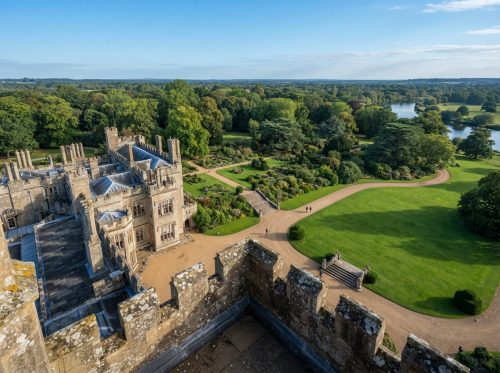
Dromoland Castle
Dromoland Castle stands near Newmarket-on-Fergus in County Clare, combining centuries of aristocratic history with striking nineteenth-century architecture. Long associated with the O’Brien family, descendants of Brian Boru, the estate became one of Ireland’s most celebrated country residences. The present Gothic Revival castle was completed in 1835 to designs by James and George Pain, featuring castellated towers, imposing façades and extensive landscaped grounds. Sold in 1962 to American businessman Bernard McDonough, Dromoland was subsequently transformed into a luxury hotel and resort. Today, its historic setting, grand interiors, golf course and 500-acre estate attract visitors from Ireland and around the world annually.
View Image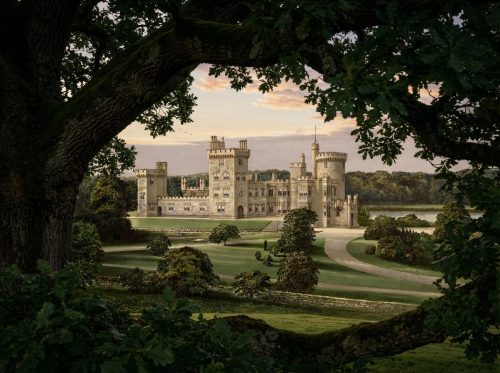
Dromoland Castle
Dromoland Castle stands near Newmarket-on-Fergus in County Clare, combining centuries of aristocratic history with striking nineteenth-century architecture. Long associated with the O’Brien family, descendants of Brian Boru, the estate became one of Ireland’s most celebrated country residences. The present Gothic Revival castle was completed in 1835 to designs by James and George Pain, featuring castellated towers, imposing façades and extensive landscaped grounds. Sold in 1962 to American businessman Bernard McDonough, Dromoland was subsequently transformed into a luxury hotel and resort. Today, its historic setting, grand interiors, golf course and 500-acre estate attract visitors from Ireland and around the world annually.
View Image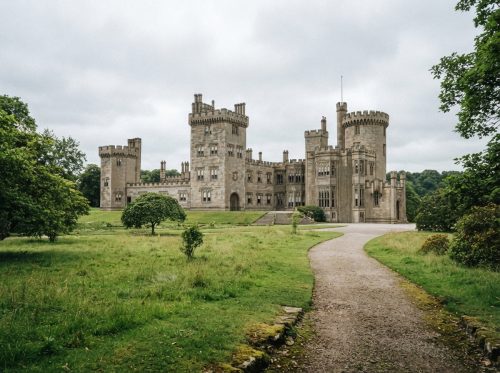
Dromoland Castle
Dromoland Castle stands near Newmarket-on-Fergus in County Clare, combining centuries of aristocratic history with striking nineteenth-century architecture. Long associated with the O’Brien family, descendants of Brian Boru, the estate became one of Ireland’s most celebrated country residences. The present Gothic Revival castle was completed in 1835 to designs by James and George Pain, featuring castellated towers, imposing façades and extensive landscaped grounds. Sold in 1962 to American businessman Bernard McDonough, Dromoland was subsequently transformed into a luxury hotel and resort. Today, its historic setting, grand interiors, golf course and 500-acre estate attract visitors from Ireland and around the world annually.
View Image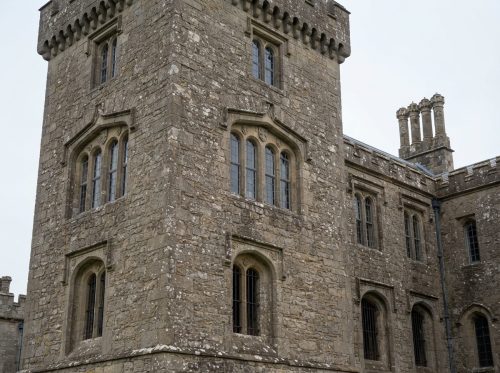
Dromoland Castle
Dromoland Castle stands near Newmarket-on-Fergus in County Clare, combining centuries of aristocratic history with striking nineteenth-century architecture. Long associated with the O’Brien family, descendants of Brian Boru, the estate became one of Ireland’s most celebrated country residences. The present Gothic Revival castle was completed in 1835 to designs by James and George Pain, featuring castellated towers, imposing façades and extensive landscaped grounds. Sold in 1962 to American businessman Bernard McDonough, Dromoland was subsequently transformed into a luxury hotel and resort. Today, its historic setting, grand interiors, golf course and 500-acre estate attract visitors from Ireland and around the world annually.
View Image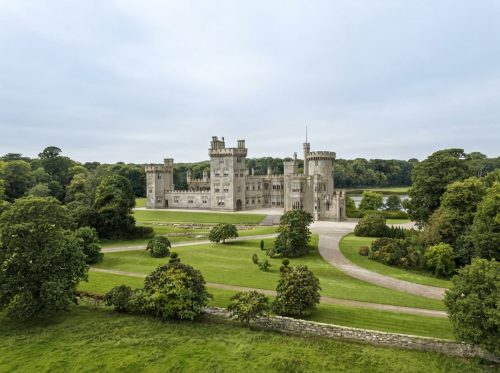
Dromoland Castle
Dromoland Castle stands near Newmarket-on-Fergus in County Clare, combining centuries of aristocratic history with striking nineteenth-century architecture. Long associated with the O’Brien family, descendants of Brian Boru, the estate became one of Ireland’s most celebrated country residences. The present Gothic Revival castle was completed in 1835 to designs by James and George Pain, featuring castellated towers, imposing façades and extensive landscaped grounds. Sold in 1962 to American businessman Bernard McDonough, Dromoland was subsequently transformed into a luxury hotel and resort. Today, its historic setting, grand interiors, golf course and 500-acre estate attract visitors from Ireland and around the world annually.
View Image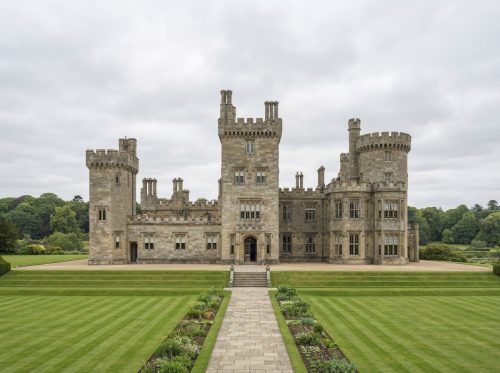
Dromoland Castle
Dromoland Castle stands near Newmarket-on-Fergus in County Clare, combining centuries of aristocratic history with striking nineteenth-century architecture. Long associated with the O’Brien family, descendants of Brian Boru, the estate became one of Ireland’s most celebrated country residences. The present Gothic Revival castle was completed in 1835 to designs by James and George Pain, featuring castellated towers, imposing façades and extensive landscaped grounds. Sold in 1962 to American businessman Bernard McDonough, Dromoland was subsequently transformed into a luxury hotel and resort. Today, its historic setting, grand interiors, golf course and 500-acre estate attract visitors from Ireland and around the world annually.
View Image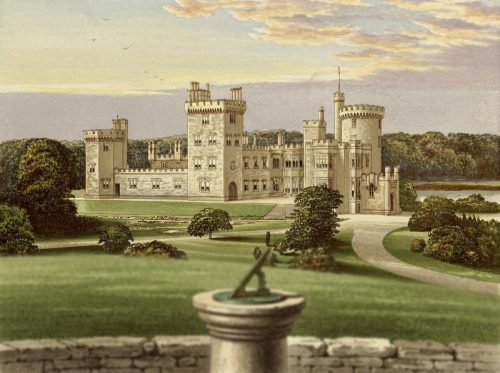
Dromoland Castle
Dromoland Castle stands near Newmarket-on-Fergus in County Clare, combining centuries of aristocratic history with striking nineteenth-century architecture. Long associated with the O’Brien family, descendants of Brian Boru, the estate became one of Ireland’s most celebrated country residences. The present Gothic Revival castle was completed in 1835 to designs by James and George Pain, featuring castellated towers, imposing façades and extensive landscaped grounds. Sold in 1962 to American businessman Bernard McDonough, Dromoland was subsequently transformed into a luxury hotel and resort. Today, its historic setting, grand interiors, golf course and 500-acre estate attract visitors from Ireland and around the world annually.
View Image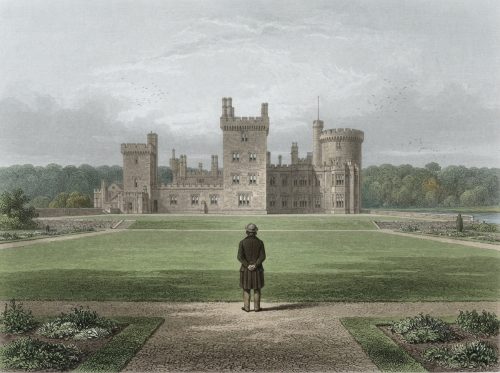
Dromoland Castle
Dromoland Castle stands near Newmarket-on-Fergus in County Clare, combining centuries of aristocratic history with striking nineteenth-century architecture. Long associated with the O’Brien family, descendants of Brian Boru, the estate became one of Ireland’s most celebrated country residences. The present Gothic Revival castle was completed in 1835 to designs by James and George Pain, featuring castellated towers, imposing façades and extensive landscaped grounds. Sold in 1962 to American businessman Bernard McDonough, Dromoland was subsequently transformed into a luxury hotel and resort. Today, its historic setting, grand interiors, golf course and 500-acre estate attract visitors from Ireland and around the world annually.
View Image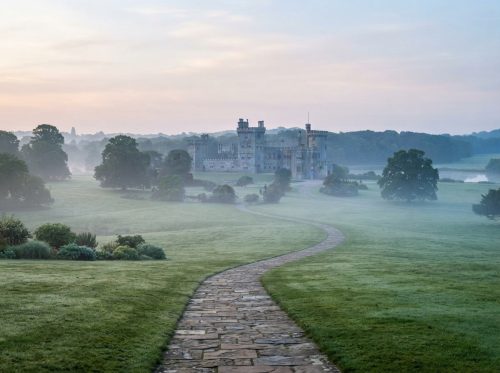
Dromoland Castle
Dromoland Castle stands near Newmarket-on-Fergus in County Clare, combining centuries of aristocratic history with striking nineteenth-century architecture. Long associated with the O’Brien family, descendants of Brian Boru, the estate became one of Ireland’s most celebrated country residences. The present Gothic Revival castle was completed in 1835 to designs by James and George Pain, featuring castellated towers, imposing façades and extensive landscaped grounds. Sold in 1962 to American businessman Bernard McDonough, Dromoland was subsequently transformed into a luxury hotel and resort. Today, its historic setting, grand interiors, golf course and 500-acre estate attract visitors from Ireland and around the world annually.
View Image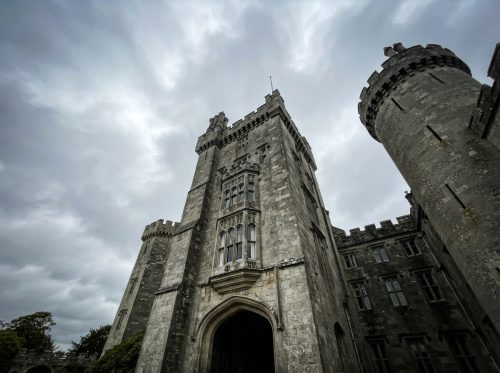
Dromoland Castle
Dromoland Castle stands near Newmarket-on-Fergus in County Clare, combining centuries of aristocratic history with striking nineteenth-century architecture. Long associated with the O’Brien family, descendants of Brian Boru, the estate became one of Ireland’s most celebrated country residences. The present Gothic Revival castle was completed in 1835 to designs by James and George Pain, featuring castellated towers, imposing façades and extensive landscaped grounds. Sold in 1962 to American businessman Bernard McDonough, Dromoland was subsequently transformed into a luxury hotel and resort. Today, its historic setting, grand interiors, golf course and 500-acre estate attract visitors from Ireland and around the world annually.
View Image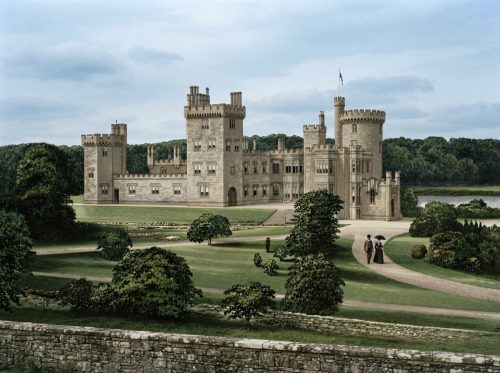
Dromoland Castle
Dromoland Castle stands near Newmarket-on-Fergus in County Clare, combining centuries of aristocratic history with striking nineteenth-century architecture. Long associated with the O’Brien family, descendants of Brian Boru, the estate became one of Ireland’s most celebrated country residences. The present Gothic Revival castle was completed in 1835 to designs by James and George Pain, featuring castellated towers, imposing façades and extensive landscaped grounds. Sold in 1962 to American businessman Bernard McDonough, Dromoland was subsequently transformed into a luxury hotel and resort. Today, its historic setting, grand interiors, golf course and 500-acre estate attract visitors from Ireland and around the world annually.
View Image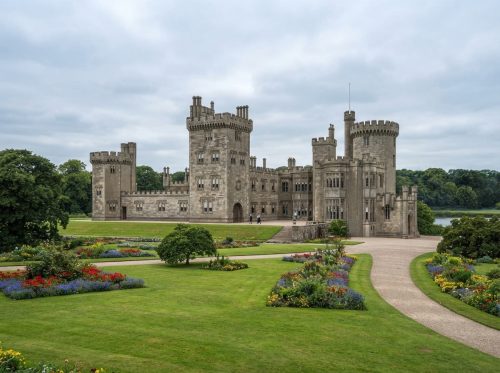
Dromoland Castle
Dromoland Castle stands near Newmarket-on-Fergus in County Clare, combining centuries of aristocratic history with striking nineteenth-century architecture. Long associated with the O’Brien family, descendants of Brian Boru, the estate became one of Ireland’s most celebrated country residences. The present Gothic Revival castle was completed in 1835 to designs by James and George Pain, featuring castellated towers, imposing façades and extensive landscaped grounds. Sold in 1962 to American businessman Bernard McDonough, Dromoland was subsequently transformed into a luxury hotel and resort. Today, its historic setting, grand interiors, golf course and 500-acre estate attract visitors from Ireland and around the world annually.
View Image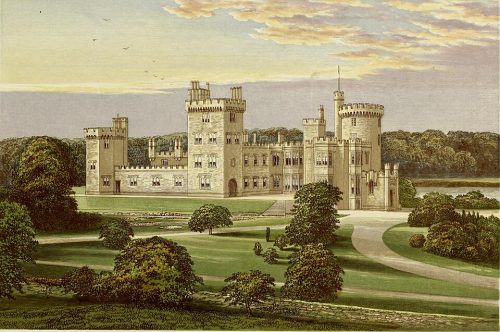
Dromoland Castle
Dromoland Castle stands near Newmarket-on-Fergus in County Clare, combining centuries of aristocratic history with striking nineteenth-century architecture. Long associated with the O’Brien family, descendants of Brian Boru, the estate became one of Ireland’s most celebrated country residences. The present Gothic Revival castle was completed in 1835 to designs by James and George Pain, featuring castellated towers, imposing façades and extensive landscaped grounds. Sold in 1962 to American businessman Bernard McDonough, Dromoland was subsequently transformed into a luxury hotel and resort. Today, its historic setting, grand interiors, golf course and 500-acre estate attract visitors from Ireland and around the world annually.
View Image1836 0 items
No published items are currently assigned to this period.
1837 0 items
No published items are currently assigned to this period.
1838 0 items
No published items are currently assigned to this period.
1839 0 items
No published items are currently assigned to this period.