
c.1970s
The 1970s brought Limerick European connection but also inflation, industrial uncertainty and political tension. Ireland’s entry into the European Economic Community in 1973 created new markets and supports, especially for agriculture, while exposing businesses to competition. Oil crises raised transport, heating and production costs, placing pressure on household budgets. New suburbs, roads and public services changed the city’s shape, although unemployment and inadequate housing persisted. The Troubles influenced security, politics and public discussion, even as daily life continued through schools, workplaces, sport and entertainment. Television expanded shared experience, and local cultural activity strengthened a distinctive Limerick identity during unsettled years.
1970 58 items
Limerick Diplomacy
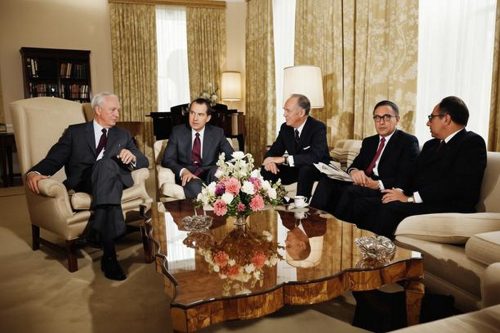
In October 1970, Kilfrush House near Knocklong, County Limerick, briefly became a centre of American presidential diplomacy. President Richard Nixon stayed at the estate during his Irish visit, accompanied by officials including Henry Kissinger and Secretary of State William P. Rogers. Discussions there focused on the Vietnam peace negotiations and the administration’s efforts to bring the conflict to an end. Nixon was preparing a major peace initiative that would be announced shortly afterwards. For two days, a quiet Limerick country house stood at the heart of international affairs, linking rural Ireland directly with one of the era’s defining global crises.
View Image
Limerick Diplomacy
In October 1970, Kilfrush House near Knocklong, County Limerick, briefly became a centre of American presidential diplomacy. President Richard Nixon stayed at the estate during his Irish visit, accompanied by officials including Henry Kissinger and Secretary of State William P. Rogers. Discussions there focused on the Vietnam peace negotiations and the administration’s efforts to bring the conflict to an end. Nixon was preparing a major peace initiative that would be announced shortly afterwards. For two days, a quiet Limerick country house stood at the heart of international affairs, linking rural Ireland directly with one of the era’s defining global crises.
View Image
Limerick Diplomacy
In October 1970, Kilfrush House near Knocklong, County Limerick, briefly became a centre of American presidential diplomacy. President Richard Nixon stayed at the estate during his Irish visit, accompanied by officials including Henry Kissinger and Secretary of State William P. Rogers. Discussions there focused on the Vietnam peace negotiations and the administration’s efforts to bring the conflict to an end. Nixon was preparing a major peace initiative that would be announced shortly afterwards. For two days, a quiet Limerick country house stood at the heart of international affairs, linking rural Ireland directly with one of the era’s defining global crises.
View Image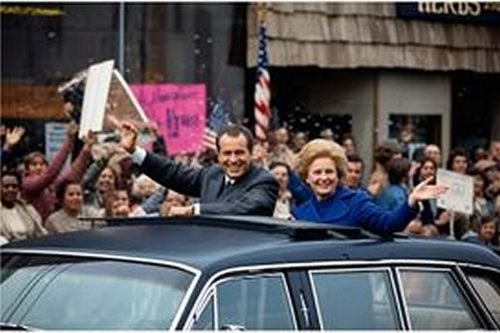
Limerick Diplomacy
In October 1970, Kilfrush House near Knocklong, County Limerick, briefly became a centre of American presidential diplomacy. President Richard Nixon stayed at the estate during his Irish visit, accompanied by officials including Henry Kissinger and Secretary of State William P. Rogers. Discussions there focused on the Vietnam peace negotiations and the administration’s efforts to bring the conflict to an end. Nixon was preparing a major peace initiative that would be announced shortly afterwards. For two days, a quiet Limerick country house stood at the heart of international affairs, linking rural Ireland directly with one of the era’s defining global crises.
View Image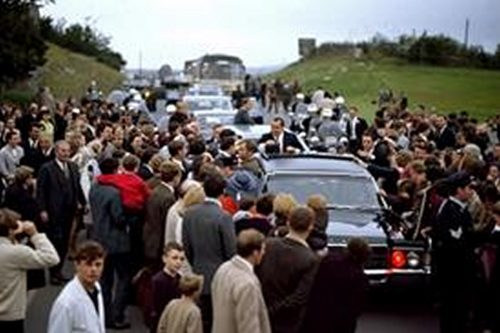
Limerick Diplomacy
In October 1970, Kilfrush House near Knocklong, County Limerick, briefly became a centre of American presidential diplomacy. President Richard Nixon stayed at the estate during his Irish visit, accompanied by officials including Henry Kissinger and Secretary of State William P. Rogers. Discussions there focused on the Vietnam peace negotiations and the administration’s efforts to bring the conflict to an end. Nixon was preparing a major peace initiative that would be announced shortly afterwards. For two days, a quiet Limerick country house stood at the heart of international affairs, linking rural Ireland directly with one of the era’s defining global crises.
View Image
Limerick Diplomacy
In October 1970, Kilfrush House near Knocklong, County Limerick, briefly became a centre of American presidential diplomacy. President Richard Nixon stayed at the estate during his Irish visit, accompanied by officials including Henry Kissinger and Secretary of State William P. Rogers. Discussions there focused on the Vietnam peace negotiations and the administration’s efforts to bring the conflict to an end. Nixon was preparing a major peace initiative that would be announced shortly afterwards. For two days, a quiet Limerick country house stood at the heart of international affairs, linking rural Ireland directly with one of the era’s defining global crises.
View Image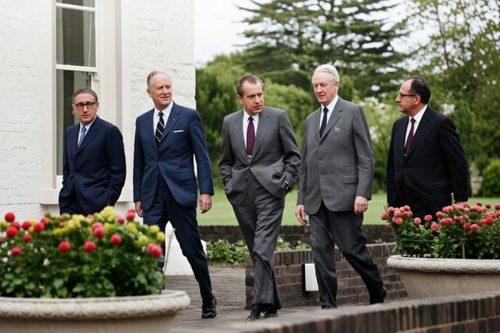
Limerick Diplomacy
In October 1970, Kilfrush House near Knocklong, County Limerick, briefly became a centre of American presidential diplomacy. President Richard Nixon stayed at the estate during his Irish visit, accompanied by officials including Henry Kissinger and Secretary of State William P. Rogers. Discussions there focused on the Vietnam peace negotiations and the administration’s efforts to bring the conflict to an end. Nixon was preparing a major peace initiative that would be announced shortly afterwards. For two days, a quiet Limerick country house stood at the heart of international affairs, linking rural Ireland directly with one of the era’s defining global crises.
View Image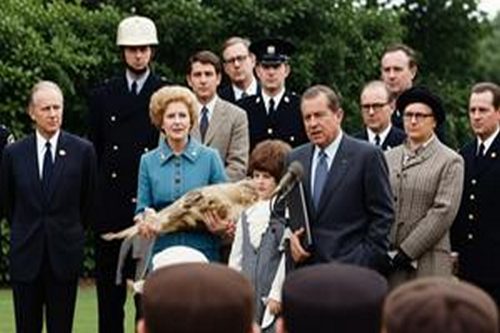
Limerick Diplomacy
In October 1970, Kilfrush House near Knocklong, County Limerick, briefly became a centre of American presidential diplomacy. President Richard Nixon stayed at the estate during his Irish visit, accompanied by officials including Henry Kissinger and Secretary of State William P. Rogers. Discussions there focused on the Vietnam peace negotiations and the administration’s efforts to bring the conflict to an end. Nixon was preparing a major peace initiative that would be announced shortly afterwards. For two days, a quiet Limerick country house stood at the heart of international affairs, linking rural Ireland directly with one of the era’s defining global crises.
View Image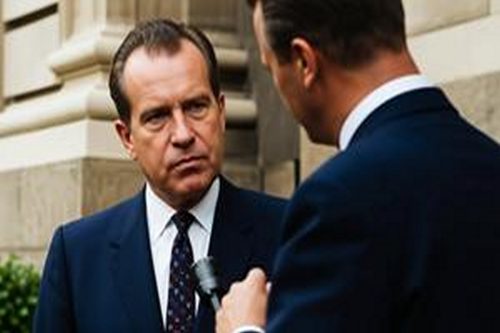
Limerick Diplomacy
In October 1970, Kilfrush House near Knocklong, County Limerick, briefly became a centre of American presidential diplomacy. President Richard Nixon stayed at the estate during his Irish visit, accompanied by officials including Henry Kissinger and Secretary of State William P. Rogers. Discussions there focused on the Vietnam peace negotiations and the administration’s efforts to bring the conflict to an end. Nixon was preparing a major peace initiative that would be announced shortly afterwards. For two days, a quiet Limerick country house stood at the heart of international affairs, linking rural Ireland directly with one of the era’s defining global crises.
View Image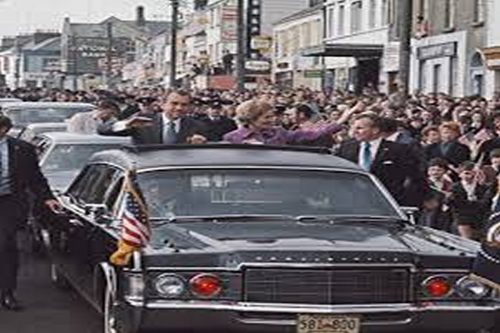
Limerick Diplomacy
In October 1970, Kilfrush House near Knocklong, County Limerick, briefly became a centre of American presidential diplomacy. President Richard Nixon stayed at the estate during his Irish visit, accompanied by officials including Henry Kissinger and Secretary of State William P. Rogers. Discussions there focused on the Vietnam peace negotiations and the administration’s efforts to bring the conflict to an end. Nixon was preparing a major peace initiative that would be announced shortly afterwards. For two days, a quiet Limerick country house stood at the heart of international affairs, linking rural Ireland directly with one of the era’s defining global crises.
View Image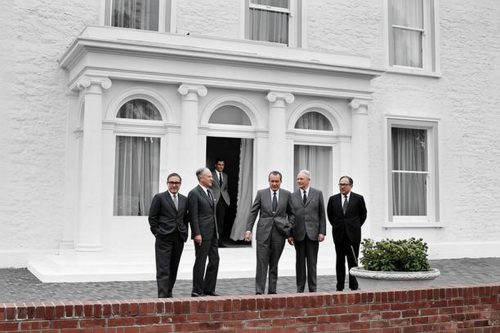
Limerick Diplomacy
In October 1970, Kilfrush House near Knocklong, County Limerick, briefly became a centre of American presidential diplomacy. President Richard Nixon stayed at the estate during his Irish visit, accompanied by officials including Henry Kissinger and Secretary of State William P. Rogers. Discussions there focused on the Vietnam peace negotiations and the administration’s efforts to bring the conflict to an end. Nixon was preparing a major peace initiative that would be announced shortly afterwards. For two days, a quiet Limerick country house stood at the heart of international affairs, linking rural Ireland directly with one of the era’s defining global crises.
View Image
Limerick Diplomacy
In October 1970, Kilfrush House near Knocklong, County Limerick, briefly became a centre of American presidential diplomacy. President Richard Nixon stayed at the estate during his Irish visit, accompanied by officials including Henry Kissinger and Secretary of State William P. Rogers. Discussions there focused on the Vietnam peace negotiations and the administration’s efforts to bring the conflict to an end. Nixon was preparing a major peace initiative that would be announced shortly afterwards. For two days, a quiet Limerick country house stood at the heart of international affairs, linking rural Ireland directly with one of the era’s defining global crises.
View Image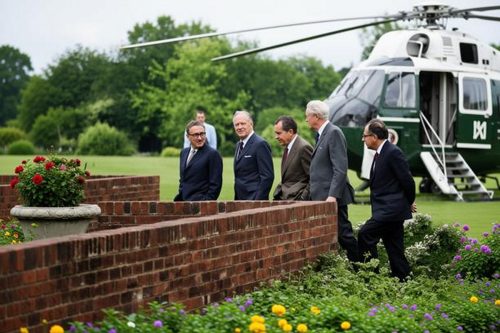
Limerick Diplomacy
In October 1970, Kilfrush House near Knocklong, County Limerick, briefly became a centre of American presidential diplomacy. President Richard Nixon stayed at the estate during his Irish visit, accompanied by officials including Henry Kissinger and Secretary of State William P. Rogers. Discussions there focused on the Vietnam peace negotiations and the administration’s efforts to bring the conflict to an end. Nixon was preparing a major peace initiative that would be announced shortly afterwards. For two days, a quiet Limerick country house stood at the heart of international affairs, linking rural Ireland directly with one of the era’s defining global crises.
View Image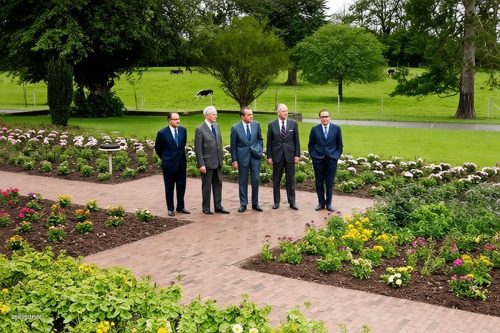
Limerick Diplomacy
In October 1970, Kilfrush House near Knocklong, County Limerick, briefly became a centre of American presidential diplomacy. President Richard Nixon stayed at the estate during his Irish visit, accompanied by officials including Henry Kissinger and Secretary of State William P. Rogers. Discussions there focused on the Vietnam peace negotiations and the administration’s efforts to bring the conflict to an end. Nixon was preparing a major peace initiative that would be announced shortly afterwards. For two days, a quiet Limerick country house stood at the heart of international affairs, linking rural Ireland directly with one of the era’s defining global crises.
View Image1971 2 items

Limerick Voice
Dolores O’Riordan was born in Ballybricken, County Limerick, on 6 September 1971 and grew up in a large musical family. Her distinctive voice developed through church singing, local performance and an instinctive connection with Irish vocal traditions. In 1990, she joined brothers Noel and Mike Hogan and drummer Fergal Lawler in the group that became The Cranberries. Her audition song, later developed into Linger, immediately revealed an unusual combination of fragility, strength and melodic imagination. Within three years, the band had achieved international success, carrying O’Riordan’s unmistakable Limerick accent and emotionally direct songwriting onto the world stage with remarkable confidence.
View Article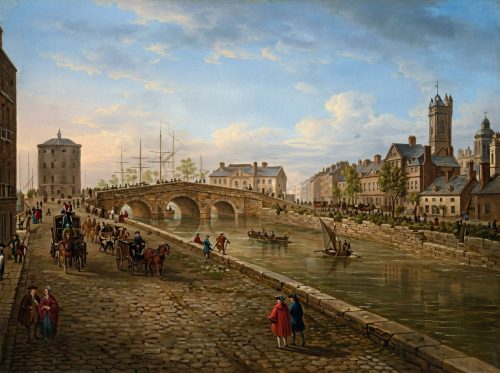
Limerick Fame
Limerick’s most visible attractions sit on the Shannon and within the medieval island of the old town. King John’s Castle, rebuilt and reinterpreted across centuries, dominates the north bank while the Treaty Stone marks a contested moment from 1691 beside Thomond Bridge. Visitors and residents point to narrow lanes, churches and merchant streets that grew around the castle and quays. The city waterfront and bridges shape townscape and local memory. These places host civic ceremonies, commemorations and everyday trade, where markets, processions and river traffic have long converged to make Limerick recognisable to generations of residents and visiting families alike.
View Article1972 1 item
O’Mara Meats
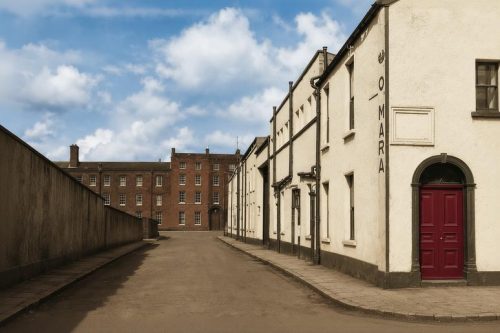
O’Mara Meats began as a modest curing business in Limerick in the early nineteenth century when James O’Mara established operations employing local curers and butchers. The works were sited in the city district known locally as Pigtown, concentrated around Roches Street, Anne Street and the old meat market. From household and small workshop origins the company expanded through the later nineteenth century, investing in larger curing sheds, salt houses, packing rooms and ice storage. It served Limerick’s growing urban market and developed trade routes that sent Limerick ham and bacon beyond the city limits to Britain and other markets abroad.
View Article1973 0 items
No published items are currently assigned to this period.
1974 0 items
No published items are currently assigned to this period.
1975 1 item
Ferenka Annacotty
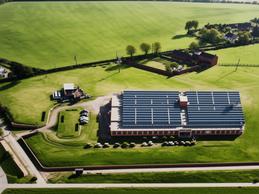
Ferenka was a steel‑cord factory established at Annacotty on the outskirts of Limerick city in the late 1960s and opened for production in 1970. The plant was built to manufacture tyre reinforcing wire and related products for domestic and export markets and formed part of a wider programme of industrial investment in County Limerick. The company employed many local workers and drew staff from Limerick and surrounding towns. Its physical complex occupied a riverside site beside the Mulkear and a new road access linked the works to the regional transport network and to nearby housing estates and local suppliers regularly.
View Article1976 0 items
No published items are currently assigned to this period.
1977 27 items

Abbey Regatta
This image captures the Abbey Regatta on the Abbey River in Limerick City in 1977. The celebrated event brought colour, excitement and community pride to the riverside, drawing crowds to watch local fishermen, sandmen and river families compete in traditional races. Events included rowing contests, paddle races and the famous Veteran Pole, demanding balance, strength and remarkable skill. Families such as the Clancys, McNamaras, Shannys and Hayeses were closely associated with the river and its traditions. Although old occupations gradually declined, the regatta remained a cherished expression of neighbourhood identity, friendship, local spirit and Limerick’s enduring maritime heritage and legacy.
View Image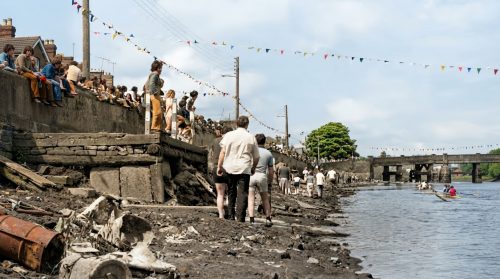
Abbey Regatta
This image captures the Abbey Regatta on the Abbey River in Limerick City in 1977. The celebrated event brought colour, excitement and community pride to the riverside, drawing crowds to watch local fishermen, sandmen and river families compete in traditional races. Events included rowing contests, paddle races and the famous Veteran Pole, demanding balance, strength and remarkable skill. Families such as the Clancys, McNamaras, Shannys and Hayeses were closely associated with the river and its traditions. Although old occupations gradually declined, the regatta remained a cherished expression of neighbourhood identity, friendship, local spirit and Limerick’s enduring maritime heritage and legacy.
View Image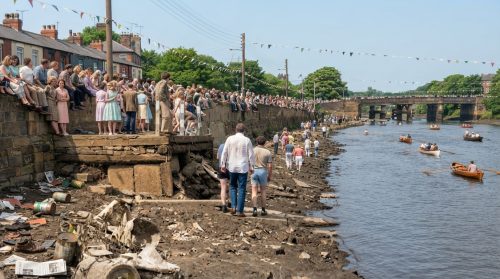
Abbey Regatta
This image captures the Abbey Regatta on the Abbey River in Limerick City in 1977. The celebrated event brought colour, excitement and community pride to the riverside, drawing crowds to watch local fishermen, sandmen and river families compete in traditional races. Events included rowing contests, paddle races and the famous Veteran Pole, demanding balance, strength and remarkable skill. Families such as the Clancys, McNamaras, Shannys and Hayeses were closely associated with the river and its traditions. Although old occupations gradually declined, the regatta remained a cherished expression of neighbourhood identity, friendship, local spirit and Limerick’s enduring maritime heritage and legacy.
View Image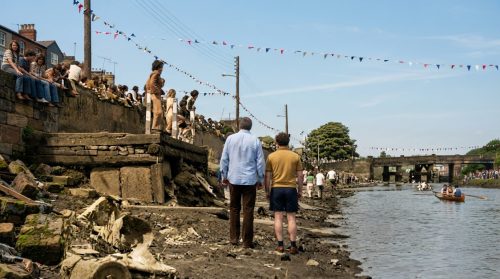
Abbey Regatta
This image captures the Abbey Regatta on the Abbey River in Limerick City in 1977. The celebrated event brought colour, excitement and community pride to the riverside, drawing crowds to watch local fishermen, sandmen and river families compete in traditional races. Events included rowing contests, paddle races and the famous Veteran Pole, demanding balance, strength and remarkable skill. Families such as the Clancys, McNamaras, Shannys and Hayeses were closely associated with the river and its traditions. Although old occupations gradually declined, the regatta remained a cherished expression of neighbourhood identity, friendship, local spirit and Limerick’s enduring maritime heritage and legacy.
View Image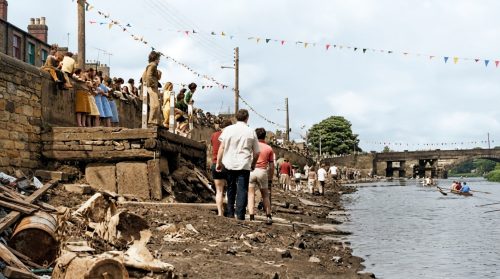
Abbey Regatta
This image captures the Abbey Regatta on the Abbey River in Limerick City in 1977. The celebrated event brought colour, excitement and community pride to the riverside, drawing crowds to watch local fishermen, sandmen and river families compete in traditional races. Events included rowing contests, paddle races and the famous Veteran Pole, demanding balance, strength and remarkable skill. Families such as the Clancys, McNamaras, Shannys and Hayeses were closely associated with the river and its traditions. Although old occupations gradually declined, the regatta remained a cherished expression of neighbourhood identity, friendship, local spirit and Limerick’s enduring maritime heritage and legacy.
View Image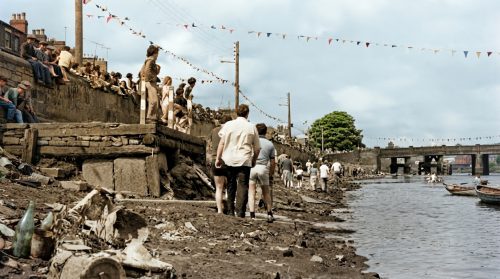
Abbey Regatta
This image captures the Abbey Regatta on the Abbey River in Limerick City in 1977. The celebrated event brought colour, excitement and community pride to the riverside, drawing crowds to watch local fishermen, sandmen and river families compete in traditional races. Events included rowing contests, paddle races and the famous Veteran Pole, demanding balance, strength and remarkable skill. Families such as the Clancys, McNamaras, Shannys and Hayeses were closely associated with the river and its traditions. Although old occupations gradually declined, the regatta remained a cherished expression of neighbourhood identity, friendship, local spirit and Limerick’s enduring maritime heritage and legacy.
View Image
Abbey Regatta
This image captures the Abbey Regatta on the Abbey River in Limerick City in 1977. The celebrated event brought colour, excitement and community pride to the riverside, drawing crowds to watch local fishermen, sandmen and river families compete in traditional races. Events included rowing contests, paddle races and the famous Veteran Pole, demanding balance, strength and remarkable skill. Families such as the Clancys, McNamaras, Shannys and Hayeses were closely associated with the river and its traditions. Although old occupations gradually declined, the regatta remained a cherished expression of neighbourhood identity, friendship, local spirit and Limerick’s enduring maritime heritage and legacy.
View Image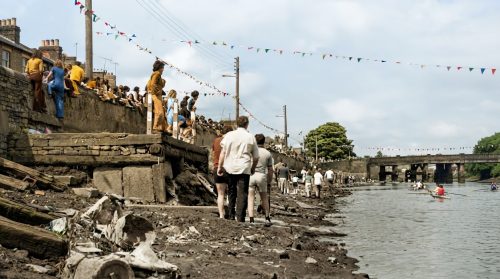
Abbey Regatta
This image captures the Abbey Regatta on the Abbey River in Limerick City in 1977. The celebrated event brought colour, excitement and community pride to the riverside, drawing crowds to watch local fishermen, sandmen and river families compete in traditional races. Events included rowing contests, paddle races and the famous Veteran Pole, demanding balance, strength and remarkable skill. Families such as the Clancys, McNamaras, Shannys and Hayeses were closely associated with the river and its traditions. Although old occupations gradually declined, the regatta remained a cherished expression of neighbourhood identity, friendship, local spirit and Limerick’s enduring maritime heritage and legacy.
View Image
Abbey Regatta
This image captures the Abbey Regatta on the Abbey River in Limerick City in 1977. The celebrated event brought colour, excitement and community pride to the riverside, drawing crowds to watch local fishermen, sandmen and river families compete in traditional races. Events included rowing contests, paddle races and the famous Veteran Pole, demanding balance, strength and remarkable skill. Families such as the Clancys, McNamaras, Shannys and Hayeses were closely associated with the river and its traditions. Although old occupations gradually declined, the regatta remained a cherished expression of neighbourhood identity, friendship, local spirit and Limerick’s enduring maritime heritage and legacy.
View Image1978 0 items
No published items are currently assigned to this period.
1979 0 items
No published items are currently assigned to this period.