
Fatal Journey(c.1640s)
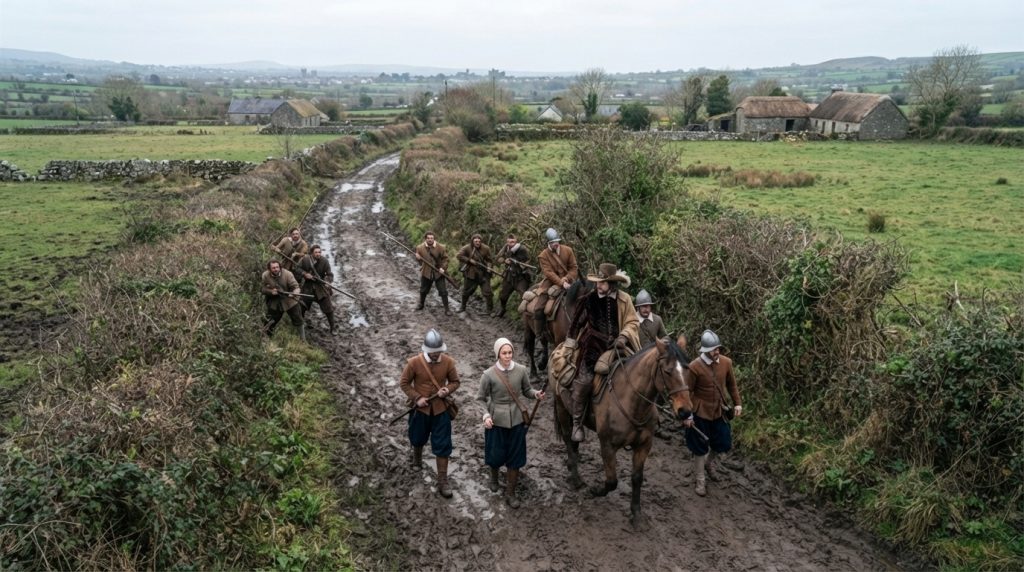
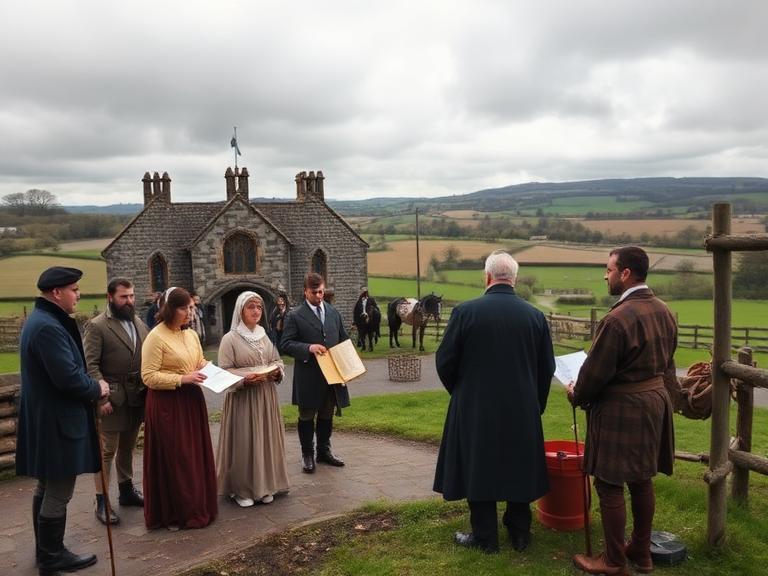
County Limerick’s experience of the Irish Rebellion of 1641 can also be traced through the death of Sir John Dowdall, husband of Lady Elizabeth Dowdall of Kilfinny Castle. According to the article, he was ambushed in 1641 while travelling to defend Newcastle West, a moment that linked the fate of one household to the wider collapse of order across west Limerick. His death mattered because it removed the head of the Kilfinny estate just as violence was spreading. It left Elizabeth confronting siege conditions, widowhood and estate defence simultaneously, sharpening the significance of subsequent events at the castle in 1642.
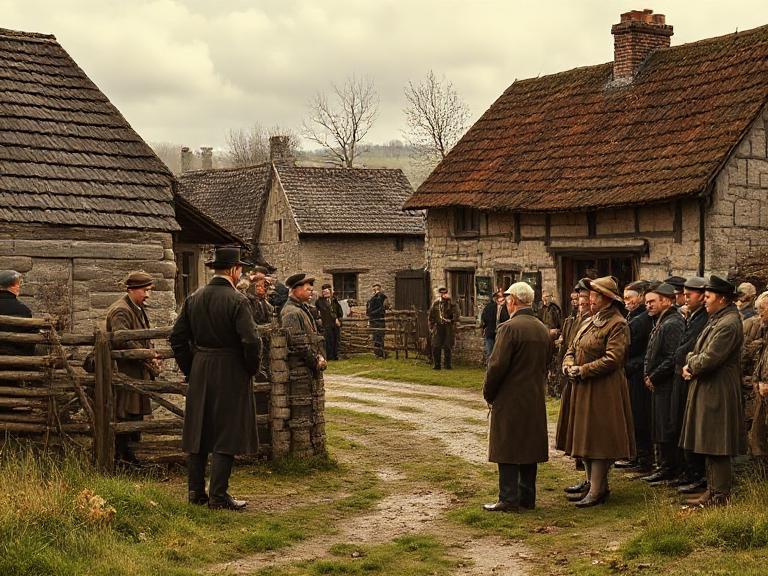
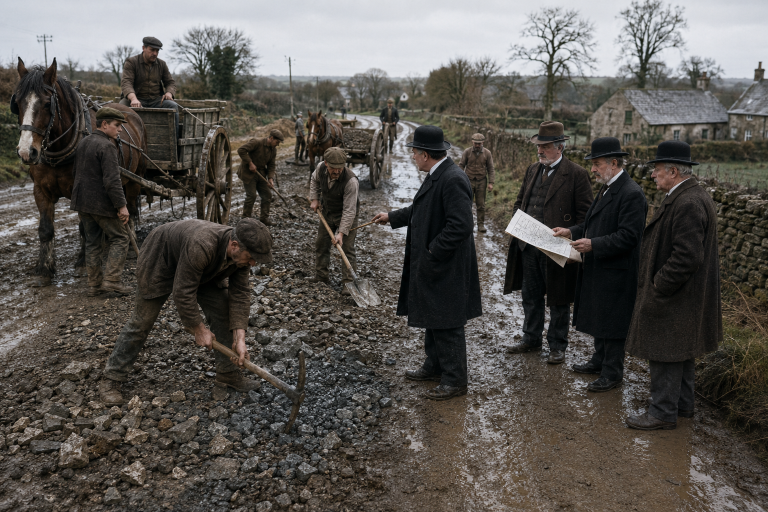
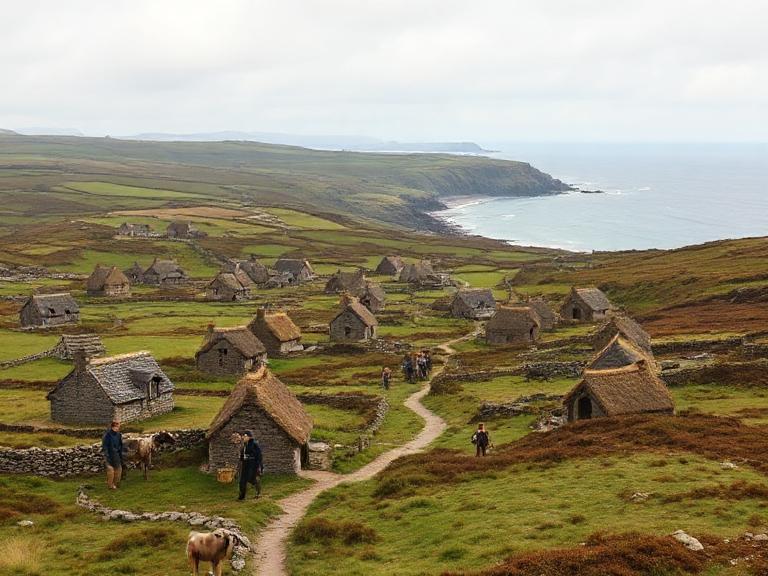
In seventeenth-century Munster, local security depended heavily on personal networks, fortified houses and the readiness of landholders to protect nearby settlements. When rebellion erupted in late 1641, roads became dangerous, news travelled imperfectly and communities were forced to respond before stronger military forces could intervene. Newcastle West was one such strategic centre in Limerick, and any attempt to relieve or support it involved peril. Sir John Dowdall’s journey therefore belonged to a broader pattern in which gentlemen, tenants and dependants moved through unstable territory carrying messages, raising assistance or joining defensive efforts. The province’s unsettled condition made travel potentially fatal.
Although the article gives only a brief account, the circumstances are revealing. Sir John was travelling to defend Newcastle West when he was ambushed and killed in 1641. That statement places him among those local gentry who attempted active intervention rather than withdrawal. It also suggests the dangerous fluidity of the conflict, where armed encounters could occur before a destination was ever reached. Sir John’s death came shortly before the defence of Kilfinny by his wife. In practical terms, his absence altered command, inheritance and responsibility within the household. It explains why Lady Dowdall emerged as defender and witness afterwards.
For people in Limerick, the killing of Sir John Dowdall illustrated how rebellion disrupted authority and endangered movement between settlements. A journey intended to strengthen Newcastle West instead deepened the vulnerability of Kilfinny and its dependants. Local households could lose protection not only through siege, but through ambush on the roads linking one district to another. The event also highlights the interdependence of places within County Limerick. What happened near Newcastle West directly affected a castle elsewhere, helping to shape the leadership assumed there. In that sense, Sir John’s death belongs to a wider story of insecurity, communication and survival.
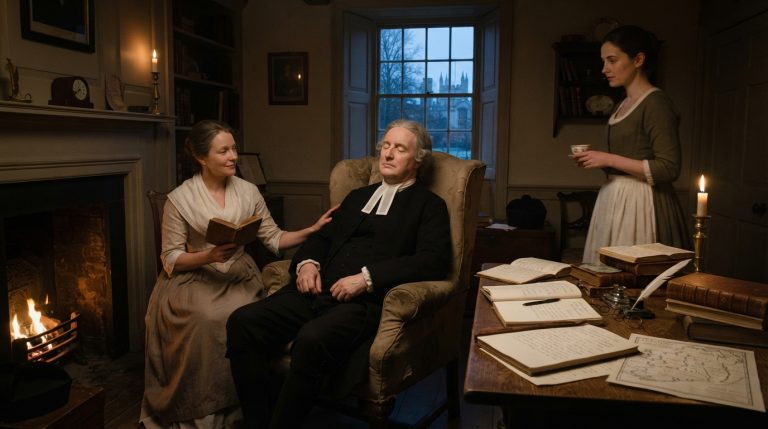
Sir John Dowdall is often overshadowed by the more narrated experience of Lady Elizabeth Dowdall, yet his death remains essential to understanding the Limerick story. It marks the point at which one family’s fortunes were irrevocably changed by rebellion and helps explain the circumstances in which Elizabeth’s later writings were produced. Because the surviving article preserves only a concise notice of his fate, the event appears almost in passing. Even so, that detail carries weight. It connects Newcastle West, Kilfinny Castle and the wider county in a chain of consequence, reminding us how history can hinge upon one interrupted journey.
Primary Sources
- Dame Elizabeth Dowdall, sworn deposition concerning Kilfinny Castle, property losses and events during the rebellion, 3 October 1642, Trinity College Dublin, 1641 Depositions, IE TCD MS 829, folios 138r–139v, identifier 829138r082.
- Lady Elizabeth Dowdall, handwritten first-person narration of her defence of Kilfeney Castle, County Limerick, 1642; transcribed in John T. Gilbert, editor, History of the Irish Confederation and the War in Ireland, 1641–1643, Volume II, 1882, pages 69–73. Original manuscript location requires further verification.
- Walter James and Thomas Atkins, depositions concerning losses and the siege of Newcastle, County Limerick, 4 April 1643, Trinity College Dublin, 1641 Depositions, IE TCD MS 829, folios 327r–328v, identifier 829327r213.
- Peirs Creagh fitz Andrew, sworn examination concerning events in County and City Limerick during the rebellion, 22 November 1652, Trinity College Dublin, 1641 Depositions, IE TCD MS 829, folios 355r–356v, identifier 829355r232.
- Civil Survey of Ireland, 1654–1656, County Limerick returns relating to Kilfinny and Newcastle West, including lands in the barony of Connello. Relevant manuscript entry and archival reference require further verification.