Limerick Voice(c.1970s)
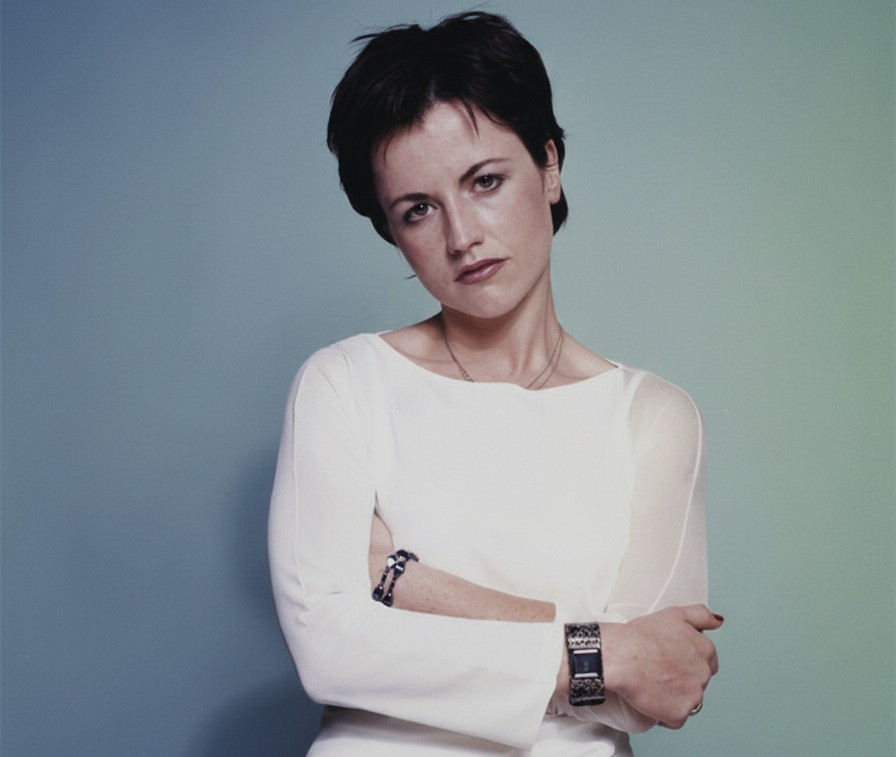
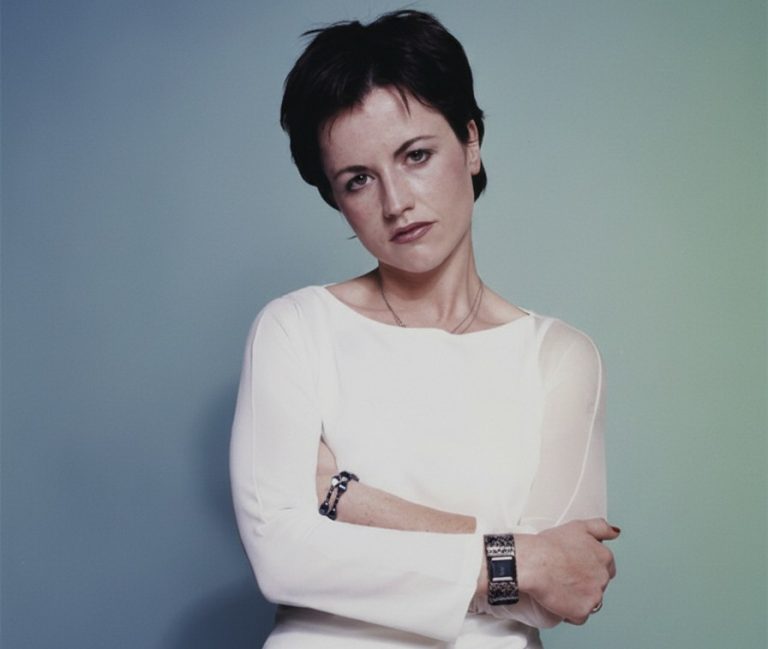
Dolores O’Riordan was born in Ballybricken, County Limerick, on 6 September 1971 and grew up in a large musical family. Her distinctive voice developed through church singing, local performance and an instinctive connection with Irish vocal traditions. In 1990, she joined brothers Noel and Mike Hogan and drummer Fergal Lawler in the group that became The Cranberries. Her audition song, later developed into Linger, immediately revealed an unusual combination of fragility, strength and melodic imagination. Within three years, the band had achieved international success, carrying O’Riordan’s unmistakable Limerick accent and emotionally direct songwriting onto the world stage with remarkable confidence.
The Cranberries’ debut album, Everybody Else Is Doing It, So Why Can’t We?, appeared in 1993 and established their dreamy blend of jangling guitars, folk textures and ethereal vocals. Songs such as Dreams and Linger demonstrated O’Riordan’s ability to move from intimacy to soaring intensity without losing clarity or emotional control. The album’s unexpected global success made the band one of Ireland’s most important musical exports. Rather than imitate American or English singers, O’Riordan retained the rhythms and pronunciations of her native accent. That decision gave the recordings a distinctive identity and helped Irishness become central to their international appeal.
No Need to Argue, released in 1994, expanded the band’s sound and secured O’Riordan’s place among the defining rock voices of the decade. Zombie transformed anger over violence in Northern Ireland into a fierce, unforgettable protest song driven by distorted guitars and commanding vocals. Her performance combined rock aggression with techniques resembling Irish keening, yodelling and sudden glottal breaks. The accompanying video, in which she appeared painted gold before a cross, became one of the era’s most recognisable images. The album balanced political urgency with grief, heartbreak and reflection, proving that commercial success could coexist with personal artistic expression worldwide.
O’Riordan continued reshaping her music throughout the Cranberries’ later albums. To the Faithful Departed brought a heavier and more confrontational sound in 1996, while Bury the Hatchet returned in 1999 with brighter melodies and polished pop-rock arrangements. After the group paused, she pursued a solo career through Are You Listening? in 2007 and No Baggage in 2009, exploring grief, family, spirituality and personal recovery. She later joined Andy Rourke and Ole Koretsky in D.A.R.K., whose album Science Agrees appeared in 2016. These projects demonstrated her willingness to experiment beyond the sound that had first made her internationally famous across time.
Dolores O’Riordan died unexpectedly in London on 15 January 2018, aged forty-six. Before her death, she had recorded vocals for songs intended for another Cranberries album. Her bandmates completed the music and released In the End in 2019 as their final studio record and a tribute to her artistry. The album received a Grammy nomination, confirming the enduring strength of her work. O’Riordan’s influence rests not only on record sales or famous songs, but on the emotional honesty of her singing. She turned accent, vulnerability, anger and ancient Irish vocal memory into a modern sound recognised across generations worldwide today.
Primary Sources
- Everybody Else Is Doing It, So Why Can’t We?, The Cranberries, Island Records, 1993. The original album contains Dreams and Linger and documents the band’s early ethereal folk-rock sound.
- No Need to Argue, The Cranberries, Island Records, 1994. The original recording includes Zombie and demonstrates O’Riordan’s politically charged songwriting and powerful vocal delivery.
- Zombie, official music video, directed by Samuel Bayer, 1994. The original film features O’Riordan painted gold and provides direct evidence of the song’s visual and political symbolism.
- Are You Listening?, Dolores O’Riordan, Sanctuary Records, 2007. Her debut solo album directly documents the darker and more experimental direction of her independent work.
- Science Agrees, D.A.R.K., Cooking Vinyl, 2016. The original album records O’Riordan’s electronic-rock collaboration with Andy Rourke and Ole Koretsky.