Archived: 17 September 2026
Abstract
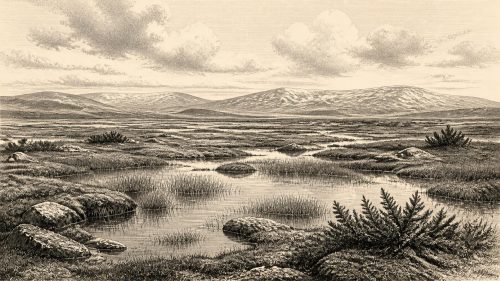
31,462 BCE is a notional date within the later Middle Midlandian, not a precisely datable Irish event. Derryvree, County Fermanagh, preserves freshwater sediments between glacial tills, indicating a cold, treeless, sedge-rich wetland with liquid water and seasonal tundra conditions during an ice-free or ice-distal interval. Ireland’s ice margins varied regionally before the later Last Glacial Maximum. Cave fauna, especially at Castlepook, records mammoth, reindeer, giant deer, predators and Arctic species, showing ecological links with north-western Europe. A possibly tool-marked reindeer bone suggests, but does not confirm, early human visits. No evidence supports settlement, polities, farming or culture; evidence is fragmentary.
Read Article
Archived: 17 September 2026
Abstract
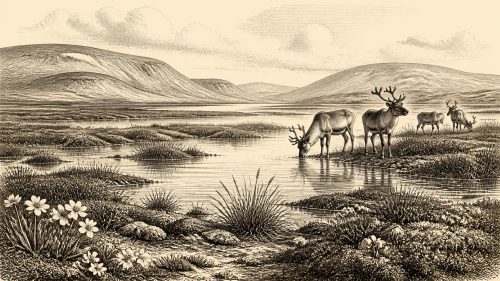
Although 31,464 BCE is a modern notional date, evidence places Ireland within the climatically unstable Marine Isotope Stage 3. At Derryvree, County Fermanagh, freshwater organic sediments between glacial tills record a temporary ice-free, cold, treeless wetland, demonstrating local environmental change rather than island-wide conditions. Castlepook Cave, County Cork, preserves pre-Last Glacial Maximum remains of mammoth, giant deer, reindeer, bear and hyaena, indicating intermittent animal dispersal across changing landscapes. A marked reindeer bone may suggest brief human activity, but no settlement or occupation is proven. Ireland had no polities, farming or trade, and remained environmentally dynamic, intermittently habitable and archaeologically uncertain.
Read Article

Archived: 17 September 2026
Abstract
31,465 BCE is an imprecise label for a broad late Marine Isotope Stage 3 interval. At Derryvree, County Fermanagh, freshwater sediments and organic remains between glacial tills demonstrate a local ice-free episode, with treeless, wet tundra conditions, sometime roughly 34,950–29,750 BCE. Castlepook Cave, County Cork, preserves diverse cold-climate fauna, including mammoth, reindeer and hyaena, although deposits span separate episodes. A cut-marked reindeer femur may indicate a brief human visit around 33,000 years ago, but proves neither settlement nor occupation. Dynamic ice, shifting coasts and uncertain routes shaped connectivity. Ireland intermittently supported north-west European Ice Age ecosystems, while evidence remains fragmentary.
Read Article

Archived: 17 September 2026
Abstract
Around 31,466 BCE, Ireland was in the later Marine Isotope Stage 3, increasingly cold but not yet wholly covered by the British–Irish Ice Sheet. At Derryvree, County Fermanagh, freshwater sediments between tills, dated broadly to 33,500 calendar years BP, preserve treeless wetland plants and invertebrates, demonstrating local vegetated, unfrozen habitats. Castlepook Cave, County Cork, contains varied cold-stage fauna, including mammoth, reindeer, giant deer and hyena, though deposits span different periods. A marked reindeer femur may indicate brief Upper Palaeolithic butchery, but secure settlement evidence is absent. Glacial erosion explains much archaeological loss; Ireland remained an unstable Ice Age landscape overall.
Read Article

Archived: 17 September 2026
Abstract
Around 31,468 BCE, Ireland lay within the climatically unstable later Marine Isotope Stage 3, not a historically identifiable year. Castlepook Cave in County Cork preserves faunal evidence for cold, open habitats, including mammoth, reindeer, giant deer, bear, wolf, Arctic fox and spotted hyaena. These remains show episodic links with wider Pleistocene Europe, though cave deposits accumulated through varied processes. A marked reindeer femur may record human butchery, potentially indicating a brief visit by mobile foragers, but lacks secure archaeological context. Derryvree wetland sediments in Fermanagh document treeless periglacial vegetation between glacial phases. Evidence supports neither permanent ice cover nor settlement.
Read Article

Archived: 17 September 2026
Abstract
31,469 BCE is a modern label within an uncertain MIS 3 interval, not a recoverable Irish date. At Derryvree, Fermanagh, freshwater sediments between glacial tills, broadly dated to 34,950–29,750 BCE, preserve evidence of locally ice-free, periglacial wetlands. Mosses, sedges, dwarf willow, aquatic plants and cold-adapted insects indicate open tundra-like terrain with pools, frost and seasonal thaw. Crag Cave records milder phases in south-west Ireland, while Castlepook Cave fauna confirms cold-stage mammals, including mammoth and reindeer. A marked reindeer bone may indicate human butchery, but cannot prove occupation. Ireland’s environment remained dynamic, regionally varied and increasingly affected by expanding ice sheets.
Read Article
Archived: 17 September 2026
Abstract
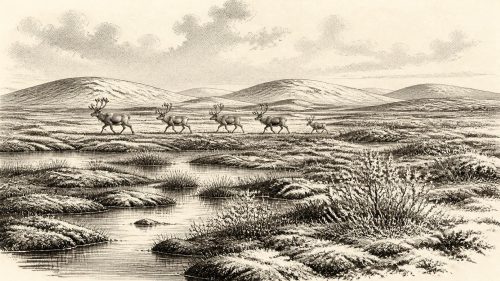
31,475 BCE is a modern label for an unrecorded MIS 3 interval, when Ireland experienced fluctuating cold conditions before the Last Glacial Maximum. Derryvree, County Fermanagh, preserves freshwater sediments between tills, indicating treeless, waterlogged tundra supporting mosses, sedges, aquatic plants and insects. Castlepook Cave, County Cork, contains MIS 3 fauna including reindeer, mammoth, giant deer and predators, demonstrating connections with north-west Europe despite uncertain routes. A marked reindeer bone may indicate human butchery, but its context is disputed and proves neither settlement nor society. Later glaciation transformed landscapes and destroyed evidence, leaving a fragmentary record of wetlands, animals and visitors.
Read Article
Archived: 17 September 2026
Abstract
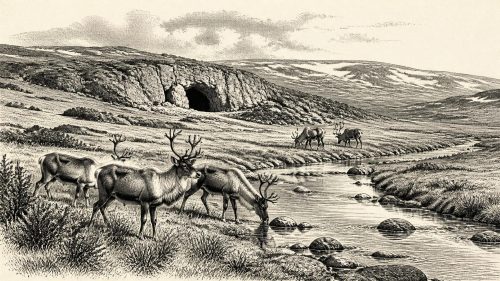
31,476 BCE is an imprecise modern label for a fluctuating Late Pleistocene interval in Ireland, within Marine Isotope Stage 3. Environmental evidence, including Derryvree freshwater deposits, cave calcite and glacial landforms, indicates alternating cold and milder conditions, varied habitats, advancing ice and uncertain routes from Britain. Castlepook Cave in County Cork produced cold-stage fauna and a reindeer femur bearing a possible stone-tool cut mark, dated around 31,000 BC. If anthropogenic, it suggests brief Upper Palaeolithic human activity. However, disturbed cave contexts, absent tools, hearths and human remains preclude claims for settlement or population. The femur remains important but contested evidence.
Read Article
Archived: 17 September 2026
Abstract
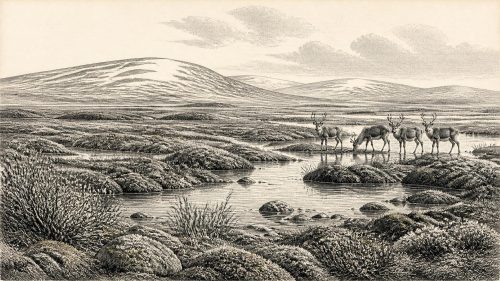
At roughly 33,400 years before present, Ireland lay within the climatically unstable later Last Glacial Period. Evidence is fragmentary, but Derryvree, County Fermanagh, preserves freshwater wetland sediments, indicating open tundra-like ground, mosses, sedges, shrubs, pools and insects between glacial advances. Southern caves document presence of reindeer, mammoth, horse, giant deer, carnivores and other cold-adapted fauna. Ice cover and access varied before the Last Glacial Maximum. A marked reindeer femur from Castlepook Cave may indicate Upper Palaeolithic butchery, although human settlement remains unproven. Lower seas altered routes, without demonstrating a land bridge. Climate, ice, fauna and visits shaped Ireland’s Ice-Age environment.
Read Article
Archived: 17 September 2026
Abstract
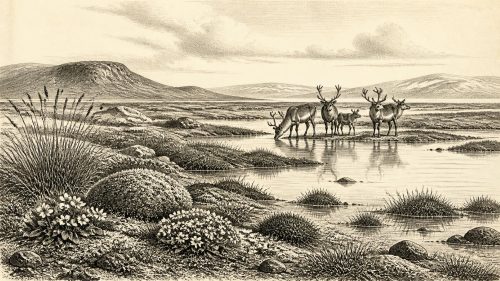
Around 31,482 BCE, Ireland has no recoverable written or event history, but environmental evidence indicates varied Late Pleistocene conditions. At Derryvree, County Fermanagh, freshwater sediments between tills, dated broadly to 36,900–31,700 cal BP, preserve tundra plants, mosses, insects and wetland habitats during an ice-free interval. Climate fluctuated sharply as the Irish Ice Sheet expanded towards its later maximum. Castlepook Cave, County Cork, contains time-averaged remains of mammoth, reindeer, giant deer, predators and fauna. A cut-marked reindeer bone may indicate human butchery, but disturbed deposits and absent artefacts leave this unconfirmed. The evidence depicts dynamic, biologically active landscapes, not settled society.
Read Article

Archived: 17 September 2026
Abstract
Around 31,483 BCE, Ireland lay within the climatically unstable Late Pleistocene, but evidence cannot define a single year or permanent human population. At Derryvree, County Fermanagh, freshwater sediments between glacial tills record an ice-free interval, broadly dated to 34,950–29,750 BCE, with cold, treeless wetlands, mosses, sedges and diverse local habitats. Cave formations and faunas indicate fluctuating conditions and episodic animal movements, including reindeer, mammoth, giant deer, bears and hyaenas. A marked reindeer bone from Castlepook Cave may indicate Upper Palaeolithic human processing, but remains unconfirmed. Ireland’s record documents shifting ice, environments and ecological opportunities, not settlements, politics or sustained occupation.
Read Article

Archived: 17 September 2026
Abstract
Around 31,484 BCE, Ireland lay within the unstable cold conditions of Marine Isotope Stage 3, not a recoverable historical year. Derryvree, County Fermanagh, preserves freshwater silts between glacial tills, indicating open tundra wetlands supporting sedges, arctic-alpine plants, insects and grazing animals during an ice-free interval. Castlepook Cave, County Cork, contains varied fauna, including mammoth, reindeer and predators, although poorly recorded deposits complicate interpretation. A cut-marked reindeer femur may indicate human butchery, but cannot prove settlement. Later ice advances reshaped landscapes and destroyed evidence, leaving Ireland’s possible Upper Palaeolithic presence uncertain and intermittent. No evidence supports communities, farming, or continuous occupation.
Read Article

Archived: 17 September 2026
Abstract
Around 31,486 BCE, Ireland cannot be described through conventional history, as no calendar, writing, polity or dated events existed. Derryvree, County Fermanagh, preserves freshwater sediments between glacial tills, broadly dated to the later 30,000s–early 30,000s calibrated BP. Fossil plants and insects reveal open, wet tundra with mosses, sedges, dwarf willow, mountain avens and bogbean during an ice-free interval. Climatic instability and growing glaciers preceded the Last Glacial Maximum. Cave remains indicate diverse cold-adapted fauna, but accumulated over long periods. A cut-marked Castlepook reindeer bone may suggest transient human presence, yet cannot establish settlement. Evidence supports cautious environmental reconstruction, not history.
Read Article

Archived: 17 September 2026
Abstract
The label 31,488 BCE denotes a broad late-MIS-3 interval rather than a recoverable Irish event, as deep radiocarbon dates carry substantial uncertainty. Ireland’s political and human history is unknown; surviving evidence is environmental. Patchy deposits indicate cold conditions, open tundra wetlands and varied ice cover before maximum glaciation. Cave remains, especially from Castlepook, show mammoth, reindeer and cold-adapted fauna, although old excavations and dating methods require reassessment. A possibly cut-marked reindeer bone raises the prospect of brief Upper Palaeolithic human activity, but proves neither its date nor permanent occupation. These fragments reveal ecological opportunity in landscapes later erased by ice.
Read Article

Archived: 17 September 2026
Abstract
Around 31,489 BCE, Ireland’s history is recoverable only through broad environmental evidence, not annual events or human communities. Derryvree, County Fermanagh, preserves freshwater silts between glacial tills, dated broadly to MIS 3. Its Dryas, mosses, bogbean, herb pollen and insects indicate cold, wet, treeless tundra-like terrain. Ireland experienced unstable climates, changing coasts and growing ice sheets, though not universal glaciation. Castlepook Cave fauna demonstrates mammals including mammoth, reindeer, giant deer, bear and hyaena, but accumulated remains cannot date coexistence precisely. A marked reindeer bone may indicate human processing, yet sustained occupation remains unproven. These archives document transformation before extensive glaciation.
Read Article
Archived: 17 September 2026
Abstract
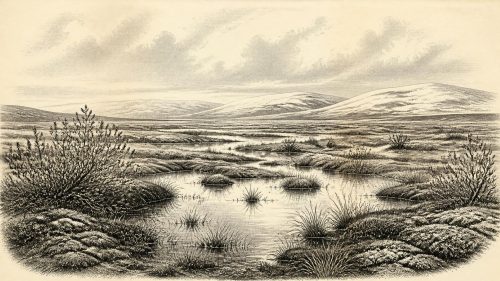
The modern label 31,492 BCE denotes no recoverable Irish event but falls near the younger end of Derryvree’s calibrated freshwater sequence in County Fermanagh. Organic silts between glacial tills, dated broadly to 36,900–31,700 calibrated years BP, record an ice-free interval of cold, open wetland containing grasses, sedges, herbs, juniper, dwarf willow, mosses, aquatic plants and insects. They demonstrate local environmental change, not uniform island conditions. Lower sea levels and fluctuating ice shaped a varied Irish Sea landscape. Cave fauna indicates wider mammoth-steppe connections. A possibly cutmarked Castlepook reindeer bone suggests, but cannot prove, early human activity; no settlement is attested.
Read Article
Archived: 17 September 2026
Abstract
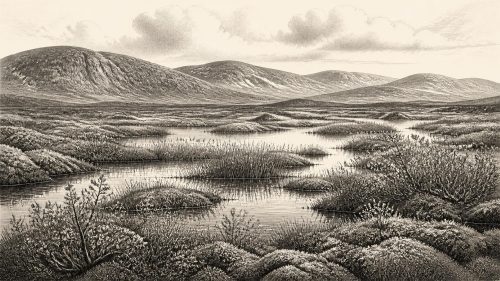
31,493 BCE is a notional chronological marker within the climatically unstable Late Pleistocene, not a precisely recoverable Irish year. Ireland experienced alternating glacial and milder phases, while later ice largely erased early evidence. At Derryvree, County Fermanagh, organic sediments between tills record an ice-free freshwater tundra landscape, with wetlands, sedges, mosses and cold-adapted plants. Crag Cave indicates intermittent warmer conditions during MIS 3. Castlepook Cave's cold-stage fauna includes a reindeer bone possibly cut by humans, suggesting, but not proving, early visitation. No secure settlements, tools, burials or evidence of permanent population exist. Ireland's past remains environmental, fragmentary and cautiously interpreted.
Read Article

Archived: 17 September 2026
Abstract
At 31,494 BCE, Ireland lay within the climatically unstable Late Pleistocene MIS 3. Derryvree’s dated freshwater sediments show that parts of north-central Ireland remained ice-free, supporting treeless tundra wetlands, before later glaciation. Castlepook Cave in Cork preserved bones of reindeer, mammoth, giant deer, hyaena and other Ice Age fauna, although its deposits span long periods and are partly disturbed. A marked reindeer femur may indicate human butchery about 33,000 years ago, but requires confirmation and cannot establish settlement. No evidence supports contemporaneous polities, agriculture, villages or culture. Changing sea levels and uncertain routes connected an ecologically diverse, archaeologically elusive island.
Read Article

Archived: 17 September 2026
Abstract
31,495 BCE is a modern label for roughly 33,500 years ago, during late Marine Isotope Stage 3, rather than a datable Irish event. Ireland was approaching, but had not reached, maximum glaciation; parts remained ice-free, supporting open tundra-grassland environments and large mammals. Castlepook Cave near Doneraile preserves mixed Pleistocene remains including mammoth, reindeer, giant deer, bear, wolf and Ireland’s sole spotted hyaena. A marked reindeer femur may record stone-tool butchery and Upper Palaeolithic visitors, but cannot prove settlement or occupation. Cave deposits and dates are uncertain. Secure human evidence is later, from a butchered bear bone around 12,800 years ago.
Read Article
Archived: 17 September 2026
Abstract
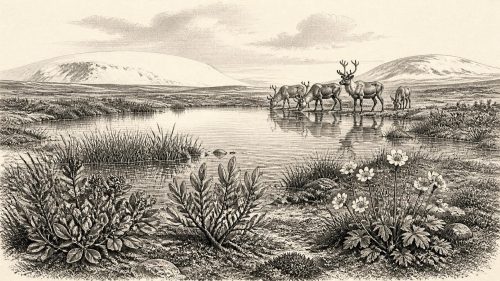
Around 31,496 BCE, Ireland’s history is reconstructed from environmental evidence rather than recorded events. At Derryvree, County Fermanagh, freshwater silts between glacial tills preserve bogbean, dwarf willow and other cold-adapted plants, indicating temporary wetlands within open tundra-steppe conditions. Castlepook Cave, County Cork, yielded remains of reindeer, mammoth, giant deer and predators, though accumulated deposits cannot prove contemporaneous fauna. A cut-marked reindeer bone may indicate an exceptionally early human visit, but cannot establish settlement or population continuity. Ireland’s climate, ice cover, coastlines and possible access routes were changing. The evidence depicts a productive yet precarious landscape before more extensive later glaciation.
Read Article
Archived: 17 September 2026
Abstract
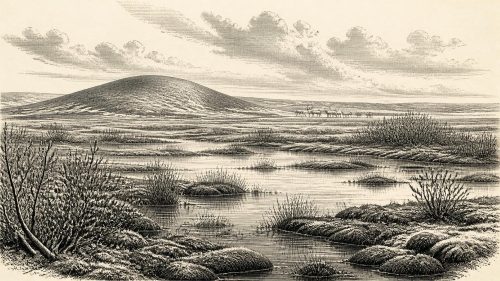
31,499 BCE is best understood as a broad later Marine Isotope Stage 3 interval, not a datable Irish year. Ireland experienced unstable Ice Age conditions, with shifting ice margins, lowered seas and locally varied open, tundra-like habitats. At Derryvree, Fermanagh, freshwater organic sediments between tills preserve evidence of sedges, mosses, herbs, shrubs and pools during an ice-free episode. Crag Cave calcite indicates intermittent milder conditions. Castlepook Cave documents reindeer, mammoth, giant deer and predators. A cut-marked reindeer bone may suggest human activity, but lacks secure context. Evidence supports dynamic environments and mobile fauna, not settlement, society or certain historical events.
Read Article

Archived: 17 September 2026
Abstract
Around 31,500 BCE, Ireland lay within the fluctuating cold conditions of Marine Isotope Stage 3, not a historically identifiable year. At Derryvree, County Fermanagh, freshwater sediments dated broadly to this period preserve tundra-like plants and wetland evidence between glacial deposits, demonstrating a local ice-free or ice-marginal interval. Castlepook Cave, County Cork, contains MIS 3 fauna, including a reindeer femur dated about 31,000 BCE with a possible stone-tool butchery mark. This may indicate a brief human visit, but cannot prove settlement. Ireland’s ice, water, fauna and climate changed regionally; no secure evidence exists for communities, ritual, trade, dwellings or sustained population.
Read Article
Archived: 17 September 2026
Abstract
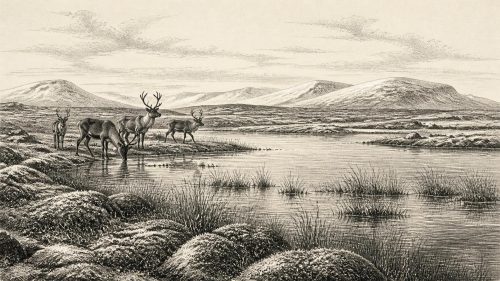
Around 31,503 BCE, Ireland’s history is reconstructed from environmental evidence rather than annual chronology. At Derryvree, County Fermanagh, the BIRM-166 organic silt bed, dated broadly to 36,900–31,700 calendar years BP, records an ice-free freshwater wetland between glacial advances. Its plants and animal traces indicate cold, largely treeless tundra with pools and saturated ground. Castlepook Cave, County Cork, preserves mixed remains of mammoth, reindeer, giant deer, bears, wolves and hyaenas, reflecting changing populations over millennia. A possibly cut-marked reindeer bone may indicate brief human visits, but no secure settlement evidence exists. Later ice both preserved and destroyed Ireland’s sparse Pleistocene record.
Read Article

Archived: 17 September 2026
Abstract
Around 31,504 BCE, Ireland lay within the climatically unstable Late Pleistocene MIS 3 phase, before the Last Glacial Maximum. Derryvree, County Fermanagh, preserves freshwater sediments between glacial tills, demonstrating a local ice-free interval with treeless tundra, wetland plants and shallow pools. Cave finds in southern Ireland indicate cold-adapted fauna, including reindeer, mammoth, giant deer and hyaena, although deposits span long periods and dating remains uncertain. A marked reindeer bone from Castlepook may suggest human activity, but cannot prove settlement or permanent occupation. Evidence records changing environments and occasional animal access, not calendar-year events, political communities, trade or established human societies.
Read Article

Archived: 17 September 2026
Abstract
At roughly 33,455 calibrated years BP, Ireland lay within the climatically unstable Marine Isotope Stage 3, when shifting ice, lower seas and altered coastlines created a cold, changing landscape. Later glaciation and submergence have erased much evidence, but Castlepook Cave in County Cork preserves Pleistocene fauna, including reindeer, mammoth, horse, giant deer and predators, demonstrating that parts of Ireland supported open-country ecosystems. A deeply incised reindeer femur may record fresh-bone processing with a stone tool and thus a brief Upper Palaeolithic human visit. However, uncertain dating and disturbed deposits preclude claims for settlement, hunting, identity or political and social institutions.
Read Article
Archived: 17 September 2026
Abstract
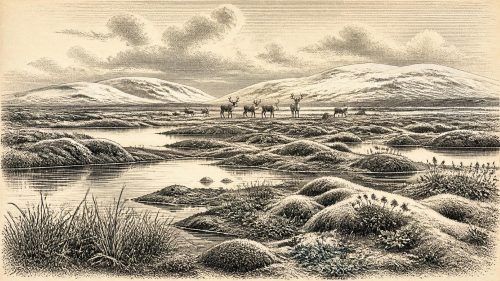
Around 31,507 BCE, Ireland was a climatically unstable Late Pleistocene landscape, not a documented historical year. At Derryvree near Maguiresbridge, freshwater organic sediments between glacial tills preserve pollen, plants and insects indicating treeless, cold wetland with pools, sedges, herbs, mosses and juniper during an ice-free interval. Castlepook Cave in Cork records diverse MIS 3 fauna, including mammoth, reindeer, hyaena and predators, although dates and deposits remain chronologically complex. The British–Irish Ice Sheet expanded unevenly, reshaping habitats and routes. A possibly cut-marked reindeer bone may suggest human visitation, but no settlement evidence exists. Surviving evidence instead documents an uncertain ecological frontier.
Read Article

Archived: 17 September 2026
Abstract
Although 31,508 BCE falls within a broad calibrated MIS 3 range, it is not a precisely dated Irish event. Geological and palaeoenvironmental evidence, rather than written or archaeological records, describes a cold, variable landscape reshaped by later glaciation. Derryvree, County Fermanagh, preserves freshwater wetland deposits indicating treeless tundra vegetation between ice advances. Southern caves, notably Castlepook, contain reindeer, mammoth, giant deer and predators, demonstrating recurring cold-adapted fauna. Human presence remains unproven: no secure occupation dates to this period, while a possibly cut-marked reindeer bone is inconclusive. Ireland was changing open landscape, certainly used by animals and potentially visited by people.
Read Article

Archived: 17 September 2026
Abstract
About 31,509 BCE is an archaeological horizon, not a recorded Irish date. At Derryvree, County Fermanagh, organic silts beneath glacial till, broadly dated to 36,900–31,700 calibrated BP, preserve an ice-free periglacial wetland of sedges, grasses, mosses, juniper, dwarf willow and bogbean. Castlepook Cave, County Cork, documents a diverse Marine Isotope Stage 3 fauna, including reindeer, mammoth, giant deer, predators and lemmings. A possible stone-tool mark on a reindeer bone may indicate exceptionally early human butchery, but proves neither settlement nor sustained occupation. Subsequent ice-sheet expansion transformed habitats, while changing seas and terrain complicated animal and potential human movement across Ireland.
Read Article

Archived: 17 September 2026
Abstract
31,510 BCE is a modern label for an imprecisely dated Late Pleistocene interval, rather than a recoverable Irish event. During Marine Isotope Stage 3, Ireland experienced severe, fluctuating cold before the later maximum of the Irish Ice Sheet; glaciers and postglacial seas destroyed or concealed much evidence. Derryvree, County Fermanagh, preserves a cold, treeless wetland ecosystem dating broadly to this period. Castlepook Cave, County Cork, yielded fauna including reindeer and a femur with a possible stone-tool incision. This may indicate Upper Palaeolithic human activity, but cannot prove settlement, hunting, or population continuity. No political, cultural or religious history is recoverable.
Read Article

Archived: 17 September 2026
Abstract
Around 31,512 BCE, Ireland was a fluctuating, cold MIS 3 landscape rather than a uniformly ice-covered wilderness. Dating cannot identify events in a precise calendar year, and evidence is fragmentary after glacial erosion. Freshwater deposits at Derryvree, Fermanagh, show locally open tundra wetlands with hardy vegetation between 36,900 and 31,700 years ago. Castlepook Cave, Cork, preserves diverse fauna including reindeer, mammoth, giant deer, predators and smaller cold-adapted animals. Cutmarks on a reindeer femur, dated about 33,000 years ago, may record Ireland’s earliest human butchery. They suggest brief mobile hunter visits, not settlement, while routes, cultural identity and continuity remain unknown.
Read Article

