
Archived: 7 October 2026
Abstract
About 32,000 years before present, Ireland was a cold, unstable Marine Isotope Stage 3 landscape, increasingly affected by the expanding British–Irish Ice Sheet. Open grassland, steppe and tundra-like habitats supported mobile large mammals, although coasts, ice margins and sea routes remained variable. Castlepook Cave in County Cork, Ireland’s richest pre-Last Glacial Maximum vertebrate archive, preserves time-mixed remains including mammoth, reindeer, giant deer, bear and hyena. Its disturbed deposits cannot prove simultaneous species or human hunting. A possibly cut-marked reindeer bone may indicate a brief human visit, but no secure settlement exists. Growing ice later reshaped terrain and obscured earlier evidence.
Read Article

Archived: 7 October 2026
Abstract
Labelled 30,130 BCE, this period falls in late Marine Isotope Stage 3, as Ireland moved towards, but had not reached, maximum glaciation. Conditions were cold, open and changing, with lower seas and unstable ice margins linking Ireland ecologically to north-west Europe. Castlepook Cave, County Cork, preserves Ireland’s principal pre-maximum vertebrate archive, including mammoth, giant deer, reindeer, bear, hyena, lemmings, Arctic fox and wolf. Its mixed, disturbed deposits cannot date all species together, though modern redating has revised ages older. The evidence indicates mobile Ice Age fauna in patchy tundra-like habitats, not human settlement. Secure human activity appears 12,800 years ago.
Read Article
Archived: 7 October 2026
Abstract
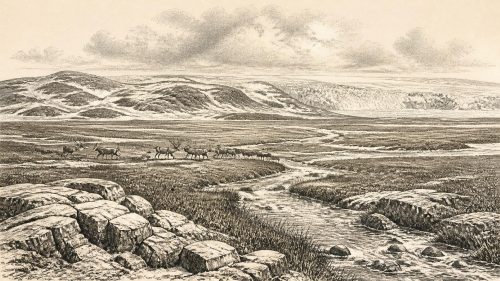
Around 30,140 BCE, Ireland faced severe climatic deterioration as the British–Irish Ice Sheet expanded, although local conditions varied. Later glaciation and changing seas destroyed or obscured much evidence, preventing precise reconstruction. Exposed areas supported treeless tundra, grassland and sparse scrub inhabited by mammoth, reindeer, giant deer, predators and smaller cold-adapted animals. Castlepook Cave in County Cork preserves important faunal remains and a debated cut-marked reindeer bone, possibly indicating brief Upper Palaeolithic human activity. However, no settlement, tools, human remains or cultural assemblage confirms permanent occupation. Travel routes remained uncertain and hazardous. Ireland’s environment is better documented than its possible visitors.
Read Article

Archived: 7 October 2026
Abstract
Around 30,145 BCE, Ireland was a cold, unstable Late Pleistocene landscape approaching maximum glaciation, not a dated historical moment. Marine Isotope Stage 3 evidence, especially from Castlepook Cave, records reindeer, giant deer, mammoth, predators, lemmings and fauna, although bones accumulated across millennia and cannot represent one community. Revised radiocarbon dating confirms southern Irish animals before the Last Glacial Maximum. A marked reindeer femur may show Upper Palaeolithic butchery, suggesting brief human visits. It does not prove settlement, society or continuity of occupation. Changing coasts, ice and erosion obscure access routes and camps. Evidence supports uncertainty rather than a prehistoric chronicle.
Read Article

Archived: 7 October 2026
Abstract
Around 30,151 BCE, Ireland lay within the unstable, cold Marine Isotope Stage 3, before maximum glaciation. Evidence is sparse because later ice reshaped landscapes. Derryvree, County Fermanagh, preserves freshwater silts indicating treeless tundra wetland, with sedges, mosses, herbs and Arctic-alpine plants. Castlepook Cave, County Cork, contains a diverse Late Pleistocene fauna, including reindeer, mammoth, giant deer, predators and cold-adapted small mammals. A reindeer femur may bear a stone-tool cut mark, suggesting possible Upper Palaeolithic visitation, but not permanent settlement. Lower sea levels altered routes, though connections remain uncertain. The period reveals a varied Ice Age Ireland; human evidence remains contested.
Read Article

Archived: 6 October 2026
Abstract
Around 30,180 BCE, Ireland was a changing Pleistocene margin rather than a definable historical society. Dynamic ice sheets, periglacial conditions, low sea levels and unstable routes shaped an exposed, seasonally harsh landscape. Derryvree, County Fermanagh, preserves a locally ice-free wetland episode, whose plants and insects indicate treeless tundra, shallow water and sparse vegetation. Cave finds show that reindeer, red deer, mammoth, bears, wolves, hyaenas and smaller cold-adapted animals reached Ireland during favourable intervals; a Waterford red-deer date overlaps this horizon. A possibly cut-marked Castlepook reindeer bone suggests, but cannot prove, human visits. No evidence supports settlements, farming, institutions or occupation.
Read Article

Archived: 6 October 2026
Abstract
Around 30,186 BCE, Ireland experienced unstable Late Pleistocene conditions as ice expanded and sea levels fell. Castlepook Cave near Doneraile, County Cork, preserves major evidence: bones of mammoth, giant deer, reindeer, bear and spotted hyaena, accumulated across many millennia rather than one period. These animals indicate intermittent connections with north-west Europe and cold, open habitats, though not a single reconstructed ecosystem. Hyaena activity explains much bone damage and deposition. A marked reindeer femur may show human butchery, but remains unproven. No secure evidence exists for settlement, tools, houses, burials, farming, trade or political communities. Environmental change dominates this prehistoric horizon.
Read Article

Archived: 6 October 2026
Abstract
Around 32,000 calibrated years before present, Ireland was entering a severe glacial phase during unstable North Atlantic climatic conditions. Expanding sectors of the British–Irish Ice Sheet increasingly reshaped habitats, coastlines and landscapes, although ice advance varied regionally. Cave remains at Castlepook, County Cork, demonstrate an Ice Age fauna including reindeer, mammoth, hyaena and lemmings, indicating cold, open environments. A possibly cut-marked reindeer bone offers tentative evidence of human activity around 33,000 years ago, but cannot prove settlement, culture or continuity. Glacial erosion and later sea-level rise destroyed much evidence. Ireland’s history at this date remains indirect, fragmentary and necessarily uncertain.
Read Article
Archived: 5 October 2026
Abstract
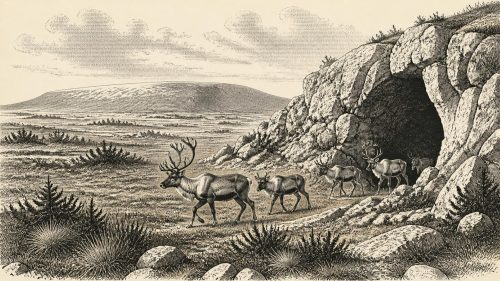
Thirty thousand years BCE is an artificial chronological label, not a recorded Irish event. During Marine Isotope Stage 3, Ireland experienced fluctuating cold conditions before the Last Glacial Maximum, supporting varied, locally productive open habitats amid ice, wetlands and periglacial terrain. Castlepook Cave in County Cork preserves Ireland’s richest pre-maximum vertebrate record, though its mixed, disturbed deposits span millennia and cannot reconstruct a single fauna. Mammoth, reindeer, giant deer, carnivores and smaller cold-adapted animals indicate changing ecosystems; Fermanagh plant remains document wetlands. A possibly tool-marked reindeer bone suggests an early human visit, but settlement remains unproven. Evidence remains highly fragmentary.
Read Article
Archived: 5 October 2026
Abstract
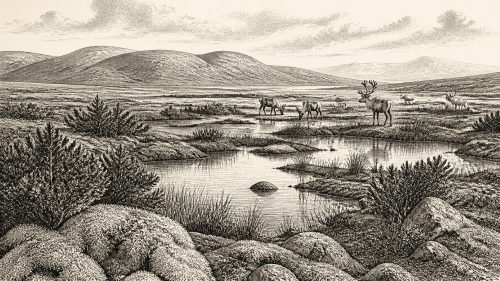
Ireland around 32,200 calibrated years before present lay within an unstable cold phase of the Midlandian glaciation, not a historically datable year. At Derryvree, County Fermanagh, freshwater sediments between tills record temporary ice-free conditions: treeless tundra and muskeg with grasses, sedges, juniper, mosses, wet hollows and pools. Cave deposits, notably Castlepook in County Cork, preserve remains of reindeer, mammoth, giant deer and other Ice Age animals, demonstrating ecological links with Europe. A possibly cut-marked reindeer bone hints at human visitation, but no secure settlement, tools or human remains exist. Evidence therefore supports environmental reconstruction, not political, social or cultural history.
Read Article
Archived: 5 October 2026
Abstract
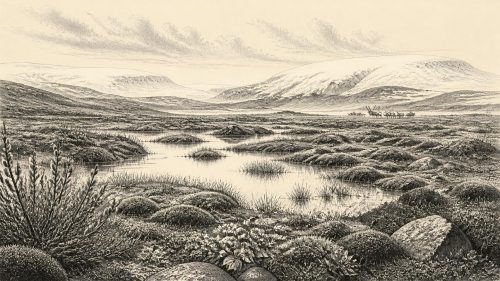
30,231 BCE cannot be treated as a Irish year, but lies within the later Pleistocene, Marine Isotope Stage 3. At Derryvree, County Fermanagh, sediments between glacial tills preserve evidence of a cold, treeless freshwater wetland, with mosses, sedges, insects and hardy plants, during an interval between ice advances. Ireland’s pre-Last Glacial Maximum environment was varied, not uniformly ice-covered, and altered coastlines offered uncertain animal routes. Cave remains indicate cold-adapted mammals, including reindeer and giant deer, reached Ireland. A possible cut-marked reindeer bone suggests human activity, but no secure settlement evidence exists. The period is understood through fragmentary records, not events.
Read Article

Archived: 5 October 2026
Abstract
Around 30,233 BCE, Ireland’s history is reconstructed from environmental evidence rather than records. At Derryvree, County Fermanagh, freshwater organic deposits between glacial tills show a cold, open wetland interval between ice advances. Mosses, sedges, bogbean and aquatic plants indicate shallow water and seasonal life, not forest. Castlepook Cave, County Cork, preserves remains of cold-stage animals, including reindeer, giant deer, mammoth and predators, although these accumulated over long periods. A possibly cut-marked reindeer bone suggests an early human visit, but not settlement. Lower sea levels altered access routes. No evidence supports agriculture, polity, religion or permanent communities; ice repeatedly reshaped Ireland.
Read Article
Archived: 4 October 2026
Abstract
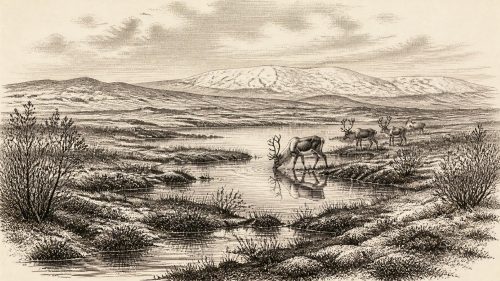
30,269 BCE cannot identify a discrete Irish event, but falls within Marine Isotope Stage 3, before maximum expansion of the British-Irish Ice Sheet. Derryvree, County Fermanagh, preserves freshwater sediments between glacial tills, dated broadly to 34,950–29,750 BCE, indicating treeless periglacial wetlands with bogbean, milfoil, mosses, insects and tundra vegetation. Later ice sealed this local archive. Castlepook Cave, County Cork, yielded reindeer, mammoth, giant deer and hyaena remains, showing varied cold-stage fauna. A cut-marked reindeer femur may indicate Upper Palaeolithic butchery, but proves neither settlement nor continuous occupation. Evidence depicts a changing, fragmented landscape, requiring caution about human presence at all.
Read Article
Archived: 3 October 2026
Abstract
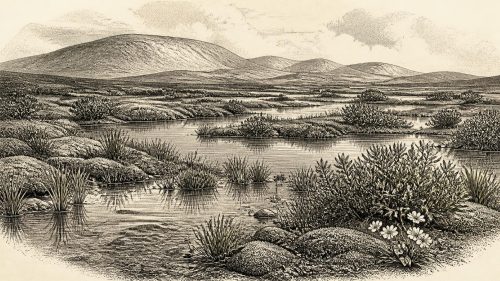
30,313 BCE is a filing date, not a recoverable Irish year. Evidence from Derryvree near Maguiresbridge, County Fermanagh, records organic freshwater sediments sealed between glacial tills, indicating an ice-free, cold tundra wetland during a broadly dated Late Pleistocene interval. Plants and insects suggest sedges, grasses, dwarf willow and mossy pools under severe periglacial conditions. Cave remains from Castlepook, County Cork, demonstrate Ice Age fauna, although disturbed deposits prevent a wildlife picture. A marked reindeer bone may indicate fleeting human activity, but no settlement is established. Later ice-sheet expansion reshaped Ireland and erased evidence. The period reveals fluctuating environments, not civilisation.
Read Article
Archived: 3 October 2026
Abstract
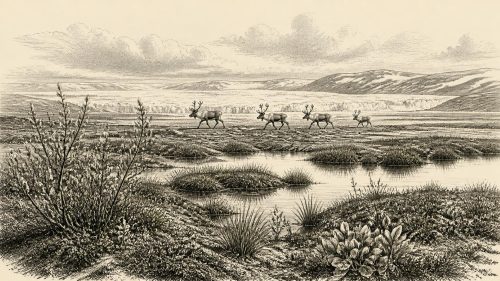
30,337 BCE is a modern label within MIS 3, not a year identifiable in Irish history. At Derryvree, County Fermanagh, organic sediments between tills, broadly dated to 36,900–31,700 calibrated years BP, record an ice-free freshwater wetland with cold, treeless vegetation. Castlepook Cave, County Cork, preserves mixed fauna accumulated over millennia, including reindeer, mammoth, giant deer and cold-adapted carnivores, demonstrating ecological links with north-west Europe. Ireland preceded the Last Glacial Maximum, when ice expanded widely. A possibly cut-marked reindeer femur suggests human presence but cannot prove settlement. Evidence supports a shifting, sparsely vegetated landscape, while human activity and routes remain uncertain.
Read Article
Archived: 2 October 2026
Abstract
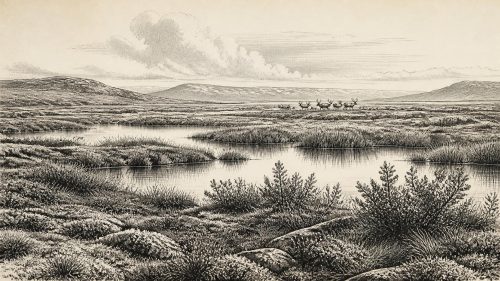
30,362 BCE is a modern label rather than a recoverable Irish historical year. During Marine Isotope Stage 3, Ireland experienced unstable cold conditions before the Last Glacial Maximum, with regional variations in ice cover, vegetation and access. At Derryvree, Fermanagh, freshwater sediments between tills indicate an ice-free interval supporting treeless wetland plants, insects and shallow pools. Castlepook Cave, Cork, preserves Late Pleistocene fauna including reindeer and mammals, though deposits are imperfectly dated and mixed. A cut-marked reindeer femur may indicate brief human carcass processing, but cannot establish settlement or society. Evidence chiefly records changing environments, animals and possible human activity.
Read Article
Archived: 2 October 2026
Abstract
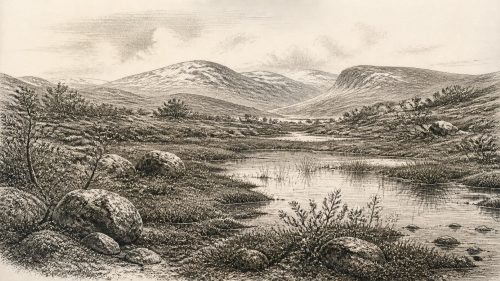
Thirty thousand years BCE cannot identify a precise Irish historical year; evidence instead supports broad calibrated ranges. At Derryvree, County Fermanagh, stratified tills enclose freshwater organic sediments, proving an ice-free wetland interval between glacial episodes during Marine Isotope Stage 3. Radiocarbon dating places the deposit broadly around 33,500 calibrated years BP, not a single date. Plants, insects and sediments indicate treeless tundra, shallow water and severe periglacial conditions. Southern cave fauna demonstrates diverse cold-stage animals, while a possible cut-marked reindeer bone offers tentative evidence of human presence. Later ice and sea-level change destroyed evidence, precluding claims of permanent settlement, society.
Read Article
Archived: 1 October 2026
Abstract
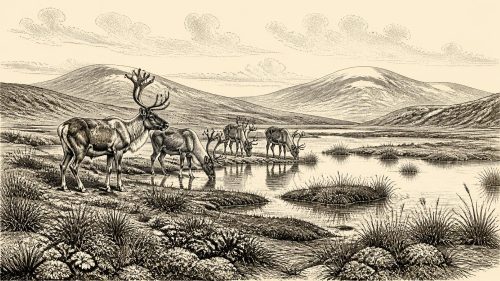
Around 30,402 BCE, Ireland’s history is reconstructed from environmental rather than written evidence. At Derryvree, County Fermanagh, freshwater organic sediments between two glacial tills indicate a temporary ice-free wetland, with treeless tundra, sedges, mosses and cold-adapted life, during Marine Isotope Stage 3. The deposit’s broad radiocarbon range encompasses the nominal date but cannot identify a single event. Cave faunas, especially at Castlepook, show that large mammals inhabited Ireland in the wider period. A possibly cut-marked reindeer bone suggests fleeting human visitation, not settlement. No social, political or cultural structures are demonstrable. Subsequent glaciation obscured much earlier evidence from this interval.
Read Article
Archived: 1 October 2026
Abstract
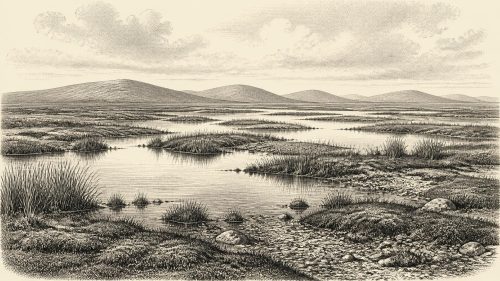
The nominal date 30,403 BCE cannot be identified precisely in Ireland’s record. Derryvree, County Fermanagh, preserves organic freshwater sediments between glacial tills, dated broadly to 36,900–31,700 calibrated years BP. Their pollen, plants and insects indicate a cold, open tundra wetland with pools, mosses and sedge-rich margins. Ireland was approaching renewed ice-sheet expansion, though conditions and ice cover varied regionally. Cave fauna demonstrate that suitable landscapes supported large mammals and predators. No secure evidence establishes human occupation at this time. A possibly cut-marked Castlepook reindeer bone may indicate an early visit, but remains uncertain. Later glaciation erased or buried much evidence.
Read Article
Archived: 1 October 2026
Abstract
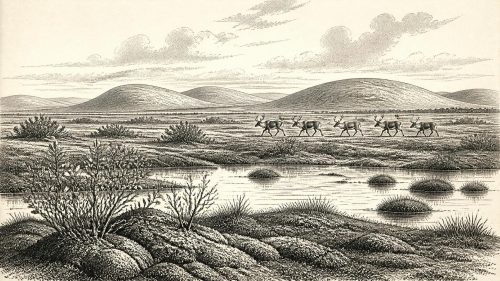
About 30,405 BCE, Ireland was a fluctuating Late Pleistocene environment, not a documented society. Calendar-year precision is impossible; evidence derives from sediments, fossils, cave deposits and ice reconstructions. At Derryvree, County Fermanagh, organic freshwater silts between glacial tills record an ice-free interval, supporting cold-adapted wetland plants in treeless tundra-like conditions. Castlepook Cave, County Cork, preserves vertebrate remains including mammoth, giant deer, reindeer and predators, accumulated across many millennia rather than one moment. A possibly cut-marked reindeer bone suggests, but does not prove, Upper Palaeolithic human activity. Ice advances later buried or erased evidence, leaving a changing landscape interpreted cautiously now.
Read Article
Archived: 1 October 2026
Abstract
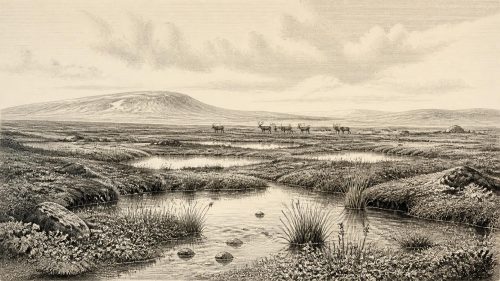
30,421 BCE is a modern label rather than a datable Irish event. Derryvree, County Fermanagh, preserves an ice-free interval between glacial tills, recording freshwater tundra with sedges, mosses, dwarf shrubs and aquatic plants. Castlepook Cave, County Cork, contains Ireland’s richest pre-Last Glacial Maximum fauna, including mammoth, reindeer, bear, wolf, Arctic fox, lemmings and spotted hyaena, accumulated over time. A possibly cut-marked reindeer femur may indicate Upper Palaeolithic butchery, but remains disputed and cannot prove settlement. Approaching the ice-sheet maximum, later glaciation eroded or buried much evidence. These sites reveal cold environments and ecological connections, rather than a recoverable human history.
Read Article
Archived: 30 September 2026
Abstract
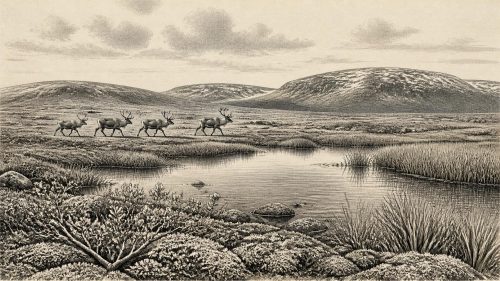
Around 30,436 BCE, Ireland lay within the fluctuating Late Pleistocene climate of Marine Isotope Stage 3, not a date capable of supporting a historical narrative. At Derryvree, County Fermanagh, freshwater silts between glacial tills, broadly dated to this interval, preserve sedges, mosses, dwarf shrubs and aquatic plants, indicating cold, treeless wetlands and open tundra. Castlepook Cave, County Cork, contains time-averaged remains of mammoth, giant deer, reindeer, predators and other cold-adapted fauna. Crag Cave records alternating warmer and colder phases. Advancing ice later reshaped and obscured landscapes. No secure evidence directly establishes human settlement or activity in Ireland at this date.
Read Article
Archived: 30 September 2026
Abstract
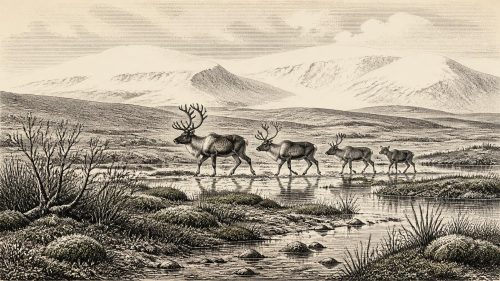
30,440 BCE is a modern label for an uncertain Late Pleistocene interval, not a datable Irish event. Derryvree sediments in County Fermanagh record cold freshwater vegetation between glacial deposits, demonstrating local ice-free or ice-marginal conditions, rather than island-wide deglaciation. Castlepook Cave, County Cork, preserves a long, mixed faunal record including mammoth, reindeer, giant deer, bear and hyena, indicating intermittent connections with Europe and open, varied terrain. No secure human settlement belongs to this period; a possibly modified reindeer bone remains inconclusive. Subsequent maximum glaciation erased much evidence, leaving fragmented archives of water, plants, animals, ice and changing routes to Europe.
Read Article
Archived: 30 September 2026
Abstract
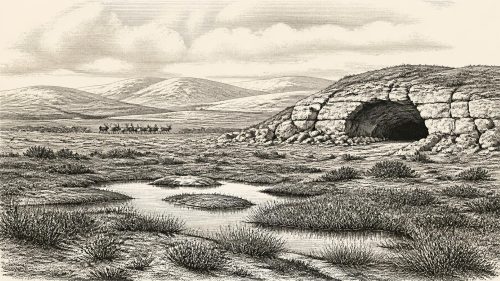
Around 30,442 BCE, Ireland lay in the later Middle Pleniglacial, approaching the Last Glacial Maximum. This calendar label cannot identify events within a single year, as evidence carries broad dating uncertainties. A growing British–Irish Ice Sheet created fluctuating, regionally varied conditions. Derryvree sediments indicate cold freshwater tundra, with wetlands, mosses, sedges and arctic-alpine plants, later buried by advancing ice. Castlepook Cave preserves a complex, time-averaged assemblage including mammoth, reindeer, giant deer, bears, wolves, foxes, lemmings and hyaenas. No secure evidence confirms human occupation; a possibly cut-marked reindeer bone remains inconclusive. Ireland was an environmentally fragmented, intermittently habitable ecological northern margin.
Read Article

Archived: 29 September 2026
Abstract
Labelled 30,478 BCE, this period cannot be reconstructed as a single Irish year, but environmental evidence illuminates a wider Late Pleistocene interval. At Derryvree, County Fermanagh, freshwater silts between glacial tills preserve plants, insects and sediments from a cold, open wetland of grasses, sedges, mosses, herbs and shallow water. Ireland’s landscapes varied as conditions shifted towards the later Last Glacial Maximum. Faunal records indicate cold-adapted animals, though dated cave remains need not be contemporary. A possibly cut-marked reindeer bone suggests early human visitation, not settlement. No secure evidence supports communities, culture or institutions; ecological change remains the central Irish history.
Read Article
Archived: 29 September 2026
Abstract
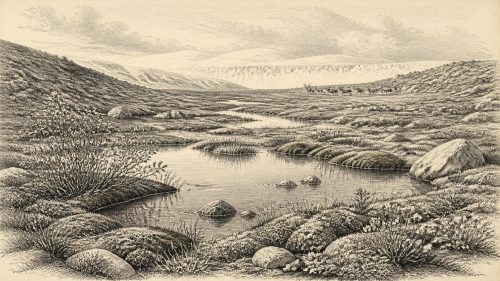
At 30,479 BCE, Ireland’s history is archaeological rather than annual. Derryvree in County Fermanagh preserves freshwater sands, silts and organic muds between two glacial tills, showing a locally ice-free interval before renewed ice advance. Its radiocarbon evidence broadly spans 34,950–29,750 BCE, preventing precise dating. Plants indicate cold, treeless periglacial wetlands with mosses, sedges, grasses and dwarf willow. Castlepook Cave in Cork records diverse glacial fauna, including mammoth, reindeer and hyaena, but its disturbed deposits cannot reconstruct a single moment. A cut-marked reindeer bone may indicate brief human presence, not settlement. These archives reveal changing habitats and visits before later glaciation.
Read Article
Archived: 29 September 2026
Abstract
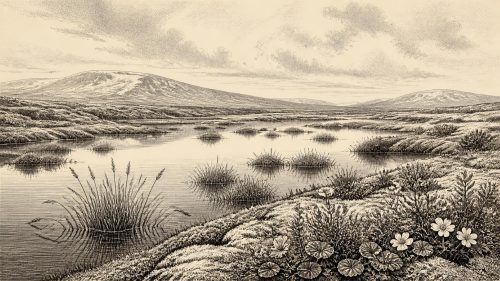
30,482 BCE cannot be assigned a precise Irish event, but falls within the calibrated age range of the BIRM-166 organic deposit at Derryvree, County Fermanagh. Sealed between glacial layers, this freshwater sediment records an interval between ice advances during Marine Isotope Stage 3. Mosses, aquatic plants, sedges and cold-adapted tundra flora indicate treeless, periglacial wetland rather than continuous ice cover. Southern Irish caves preserve remains of mammoth, reindeer and other Pleistocene animals, although their chronology and contexts are uncertain. Possible human butchery evidence remains unconfirmed. The record supports only a local, environmentally unstable Ice Age landscape, later reshaped by glaciers.
Read Article
Archived: 28 September 2026
Abstract
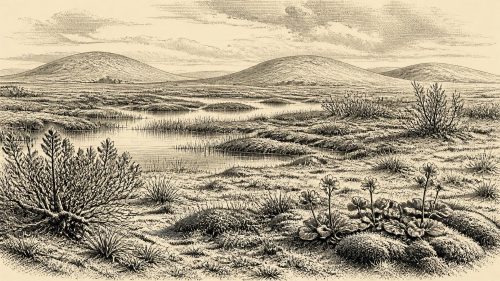
About 30,524 BCE, Ireland lay within the volatile Late Pleistocene, not a datable historical year. At Derryvree, County Fermanagh, sediments between glacial tills preserve evidence of an ice-free freshwater wetland sometime between roughly 36,900 and 31,700 cal BP. Fossils indicate tundra vegetation, including fringed sandwort, mosses, sedges and aquatic plants, with insects inhabiting pools and saturated ground. Southern cave collections show that diverse cold-stage mammals, including reindeer, mammoth and predators, reached or inhabited Ireland at varying times. Human presence remains unproven: a possibly butchered reindeer bone is inconclusive. Subsequent ice-sheet expansion buried and preserved this fragile environmental archive for posterity.
Read Article
Archived: 28 September 2026
Abstract
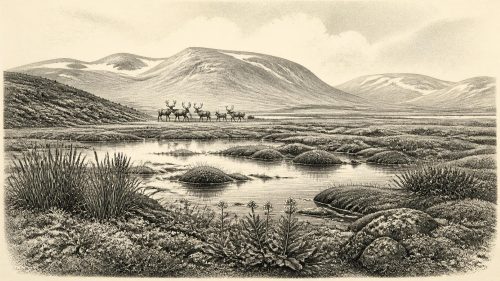
Around 30,531 BCE, Ireland lay within the climatically unstable Late Pleistocene, not a documented historical year. At Derryvree, County Fermanagh, freshwater silts between glacial tills preserve evidence of an ice-free interval, with tundra-like vegetation including bogbean, sedges, mosses and cold-tolerant plants. Later ice buried or disturbed much earlier evidence. Castlepook Cave, County Cork, yielded remains of mammoth, reindeer, giant deer, predators and small Arctic-adapted mammals, demonstrating an Ice Age ecosystem. A marked reindeer bone may indicate brief Upper Palaeolithic human activity, but no secure settlement evidence exists. Ireland's changing ice, habitats and uncertain connections profoundly shaped this poorly recoverable period.
Read Article
Archived: 28 September 2026
Abstract
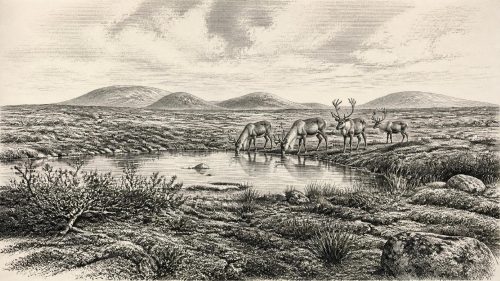
Circa 30,532 BCE, Ireland lay within the unstable later Ice Age, with no written history or securely dated human settlement. Derryvree’s freshwater deposits indicate open, cold tundra-steppe, wet ground and sparse vegetation, rather than woodland. Castlepook Cave preserves a fragmentary faunal record including mammoth, reindeer, horse, giant deer, predators and Arctic species, demonstrating intermittently habitable cold-climate environments. Cave remains accumulated over long periods and cannot prove species coexisted. A possibly cut-marked reindeer bone suggests but does not establish earlier human activity. Growing British–Irish ice later disrupted habitats, displaced fauna and destroyed evidence, leaving an uneven archaeological record of dynamic landscapes.
Read Article




