Archived: 26 October 2026
Abstract
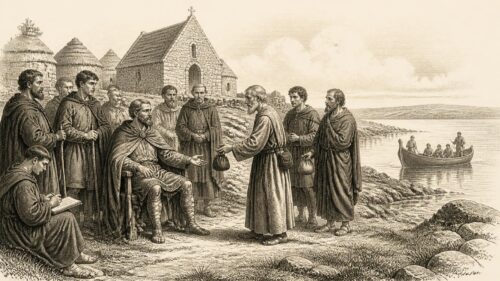
In 990, Irish annals recorded dispersed connected conflicts involving kings, churches and maritime raiders. Máel Sechnaill of Mide defeated north Munster forces at Fordroma, where Domnall of Uí Fhorga died, demonstrating contested regional power rather than national unity. A son of Ímar left Waterford, while foreigners raided Ross Carbery and captured its lector, Airbertach mac Cos Dobráin. Brian son of Cennétig ransomed him at Scattery, displaying authority and resources. Brian’s brother Marcán became abbot of Emly, strengthening dynastic church links. Derry was plundered, and notices of a poet’s and a king’s deaths underline learning, ecclesiastical wealth, violence and political fragmentation.
Read Article
Archived: 26 October 2026
Abstract
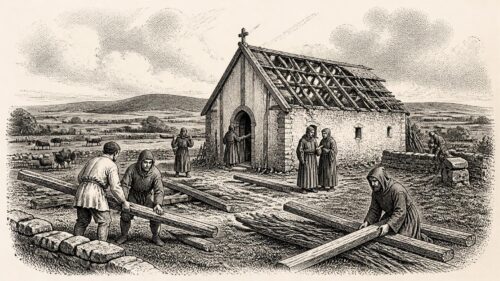
In the annalistic sequence around 987, Ireland experienced severe insecurity from disease, livestock mortality and storm damage. The Annals of Tigernach describes a deadly eastern illness interpreted through demonic imagery, alongside the onset of máelgarb, an unusual cattle murrain whose precise nature remains uncertain. A great wind destroyed many buildings, including Louth’s oratory, disrupting a significant ecclesiastical centre. Differing annal dates prevent precise modern chronology. These reports illuminate vulnerabilities affecting households, churches and political economies dependent on cattle, labour and resources. They occurred amid Máel Sechnaill’s overkingship and Brian Bóruma’s rise, but do not establish an event for that year.
Read Article
Archived: 26 October 2026
Abstract
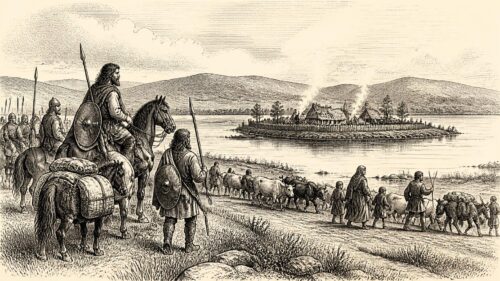
In 984 Máel Sechnaill mac Domnaill, king of Mide and Tara, campaigned into Connacht, burning Mag Aí, killing leading men and attacking island settlements, probably crannogs. Connacht retaliated eastwards at Loch Aininn, or Lough Ennell, burning land and killing the king of Fir Chell. Annalistic dating varies between 984 and 985, reflecting chronological differences rather than separate campaigns. Deaths of ecclesiastical leaders, including Fogartach Ua Congaile of Daiminis, highlighted churches’ political and learned importance. Domnall Claen of Leinster was killed by Uí Cheinnselaig rivals. Together, these events reveal interconnected lordships, warfare, ecclesiastical authority and unstable regional kingship in tenth-century Ireland.
Read Article
Archived: 8 October 2026
Abstract
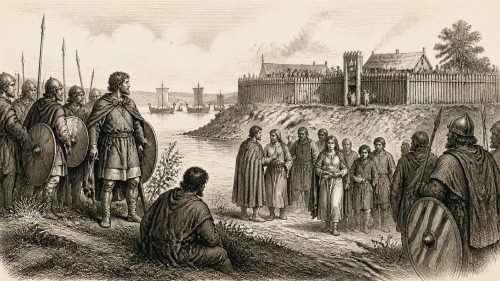
In 980, amid succession following Domnall ua Néill’s death, Máel Sechnaill mac Domnaill of Clann Cholmáin defeated Dublin and Isles forces at Tara. The victory, although not an expulsion of Norse power or unification of Ireland, enhanced his claim to wider supremacy. With Eochaid of Ulaid, he besieged Dublin for three days, securing hostages, tribute, release from Dublin’s exactions, and freedom for some Irish people held in bondage. Ragnall, Dublin’s heir, died in battle, while Amlaíb Cuarán retired penitently to Iona. Dublin’s commerce endured, but its political influence declined. Church deaths and regional killings exposed Ireland’s continuing fragmented, unstable kingship.
Read Article
Archived: 27 October 2026
Abstract
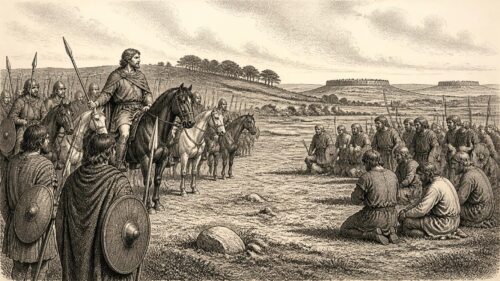
The securely dated core of 910 is not a Viking landing or a famous royal death, but a hard-fought assertion of power in Ireland’s central and western midlands. Flann Sinna, king of Tara and leading ruler of the southern Uí Néill, defeated the men of Bréifne with the help of his sons. The encounter, recorded in the Annals of Ulster and more fully in Chronicon Scotorum, cost the life of Flann son of Tigernán, king of Bréifne, as well as other nobles. It was a severe reverse for a kingdom situated on Mide’s north-western approaches, and a reminder that Flann’s
Read Article
Archived: 28 October 2026
Abstract
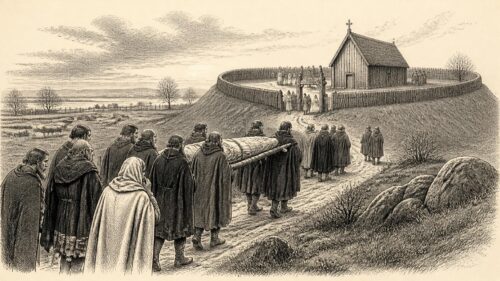
In 862 Máel Sechnaill mac Máele Ruanaid, Clann Cholmáin king of Mide and acclaimed king of all Ireland, died on 27 November after sixteen years, transferring Tara’s kingship to Áed Findliath of Cenél nÉogain. Earlier, Áed, Flann of Cianachta Brega and Scandinavian allies, including Amlaíb, raided Mide, exposing the limits of Máel Sechnaill’s negotiated supremacy. In Osraige, Cerball mac Dúnlainge and Cennétig defeated Rodolb’s Scandinavian fleet. Obituaries for churchmen and physician Máelodar attest religious and learned authority. Beneath dynastic conflict and maritime warfare, rural communities, church estates and agricultural production sustained Ireland’s competing kingdoms and their rulers throughout the year.
Read Article
Archived: 29 October 2026
Abstract
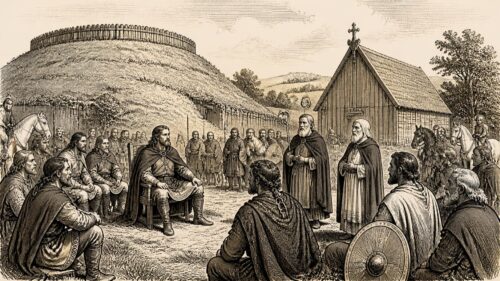
In 859, Máel Sechnaill mac Máele Ruanaid, king of Tara, faced an invasion of Mide by Osraige's Cerball mac Dúnlainge allied with Scandinavian leaders Amlaíb and Ímar. A royal assembly at Ráith Áeda Meic Bric, probably Rahugh, negotiated peace under ecclesiastical witness. Cerball accepted dues to Patrick's community, and Osraige was reoriented from Munster towards Leth Cuinn, strengthening Máel Sechnaill while preserving Cerball's rule. Munster's king, Máel Gualae, guaranteed the settlement but was later killed by Scandinavians. Conflicting annalistic chronologies and narratives complicate details. The settlement demonstrated church-backed negotiation amid shifting Irish-Scandinavian alliances, yet failed to end warfare and instability.
Read Article
Archived: 29 October 2026
Abstract
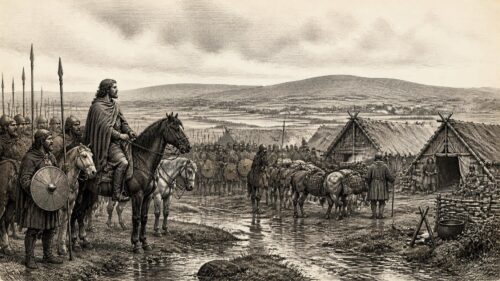
In 858 Máel Sechnaill mac Máel Ruanaid, king of Tara, led a large coalition into Osraige and Munster after resistance to his overlordship and complaints about Cerball of Osraige’s tribute-taking. His forces penetrated Munster, defeated its interests at the unlocated Carn Lugdach, killed Déisi king Máel Cróin, and extracted hostages across the province. Cerball nevertheless raided Leinster and, allied with Scandinavian ruler Ímar, defeated opponents in Ara Tíre. Ecclesiastical and regional royal deaths reflected fragmented authority, while notices of Pictish and West Saxon kings reveal wider connections. A wet autumn damaged crops, compounding disruption from armies, raiding, requisitions and hostage-taking.
Read Article
Archived: 29 October 2026
Abstract
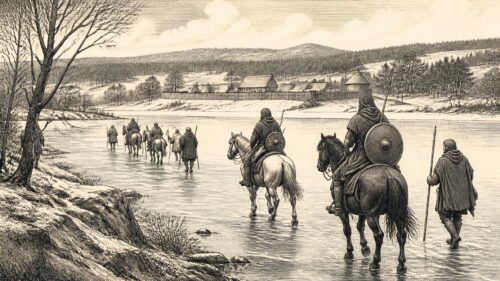
In 856, Ireland experienced severe frost, political coercion and dispersed conflict. Frozen lakes and rivers altered travel across the island. Máel Sechnaill mac Máele Ruanaid visited Cashel and took Munster hostages, demonstrating temporary dominance rather than permanent conquest. He also fought heathen forces with Gall-Goídil allies, reflecting fluid Irish Sea loyalties. Áed son of Niall routed Norse-Irish troops at Glenn Foichle. Norse violence struck ecclesiastical centres, including Lusk’s oratory and Slane’s bishop Sodomna, while Lismore and other churches recorded clerical deaths. Horm, a Scandinavian leader, was killed in Wales, underscoring the wider maritime political world. Annalistic dating remains chronologically uncertain.
Read Article
Archived: 29 October 2026
Abstract
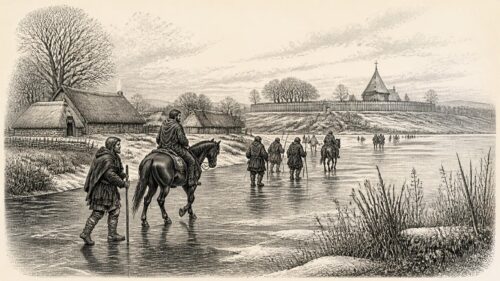
In 855, Ireland experienced an exceptional freeze: from late November to early January, lakes and rivers supported pedestrians and horses, disrupting transport, food supplies and rural life while opening unusual routes. A later annal links the frost to a deadly raid at Loch Cenn. Máel Sechnaill mac Máele Ruanaid took hostages at Cashel, asserting overlordship amid Munster’s divisions. He fought heathen forces with Norse-Irish allies, illustrating intertwined Irish and Scandinavian politics. Norsemen burned Lusca’s oratory, while Áed son of Niall routed Norse-Irish in the north. Death notices for Lismore and Lathrach Briúin clerics underline churches’ intellectual, economic and political roles.
Read Article
Archived: 29 October 2026
Abstract
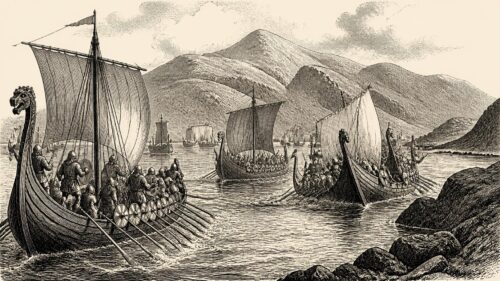
In 852, rival Viking fleets fought for three days at Snám Aignech, probably Carlingford Lough. Annals disagree over leaders, numbers and victors, but confirm a major struggle between competing overseas groups. Raiders from Linn Duachaill devastated Armagh, Ireland’s foremost Patrician church, while later tradition describes some local collaboration. That year also saw deaths of Armagh’s rival coarbs, Forannán and Diarmait, complicating recovery. Elsewhere, Cianachta defeated foreigners in eastern Brega. The evidence depicts contested coastal waters, vulnerable yet resilient ecclesiastical centres, local resistance, and fragmented Irish politics under Máel Sechnaill across a predominantly rural society, rather than outright conquest or collapse.
Read Article
Archived: 29 October 2026
Abstract
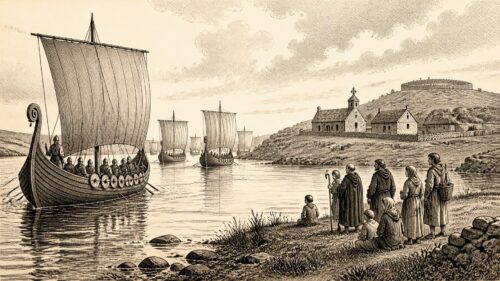
In annalistic year 849, a fleet of seven score ships arrived in Ireland to compel obedience from Scandinavian groups already established there, causing disruption. The evidence does not identify its leader, landing place or achievements. Meanwhile, Máel Sechnaill of Tara maintained an encampment at uncertain Crufaid, while regional rulers died or were killed, including Flannacán of Dál Araidi. Ecclesiastical notices recorded deaths, Robartach of Sláine's voluntary exile, and Indrechtach of Iona's arrival carrying Colum Cille's sacred objects. Máel Bresail, king of Mugdorna turned cleric, was killed by heathens. The annals depict overlapping political, religious and Scandinavian conflicts, not a campaign.
Read Article
Archived: 29 October 2026
Abstract
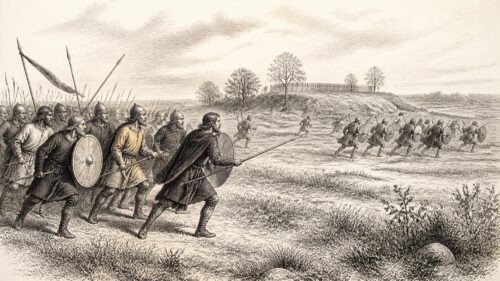
The surviving record for 847 CE begins not with a battle but with weather. The Annals of Ulster, whose annal labelled U848 corresponds to AD 847, notes a great snowfall on 1 February. It gives no duration, no depth and no tale of disaster; it is therefore unsafe to turn the notice into a ‘great winter’. Yet the entry is revealing. Snow sufficient to merit notice altered movement, grazing and work across a predominantly rural island, at a moment when armed forces, food supplies and communications already faced exceptional strain. In the same year Ireland saw a remarkable sequence of
Read Article
Archived: 29 October 2026
Abstract
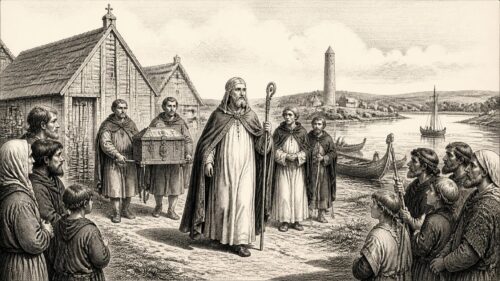
In 846, Ireland experienced dynastic change and Viking violence amid disputed annalistic dating. Niall Caille, northern Uí Néill king of Tara, drowned in the Callan near Armagh, enabling Máel Sechnaill of Clann Cholmáin to claim Tara, though opposition persisted. Scandinavian raiders defeated Connachtmen and plundered Baislec in Roscommon, demonstrating their growing ability to use waterways and strike inland. Forannán, abbot of Armagh, returned from Munster with Patrick’s relics after earlier abduction, reinforcing Armagh’s authority. Deaths of abbots and regional rulers reveal interconnected ecclesiastical and local political structures. The year showed Ireland divided yet resilient under intensified external pressure and uncertainty.
Read Article
Archived: 29 October 2026
Abstract
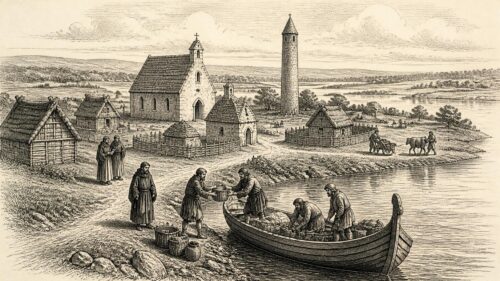
Conventionally dated to 843, despite annalistic chronological discrepancies, the year is chiefly recorded through deaths that affected Irish political, ecclesiastical and scholarly life. Máel Ruanaid son of Donnchad, king of strategically important Mide, died, leaving his dynasty poised for the later rise of his son Máel Sechnaill. Fergus son of Fothaid, king of Connacht, also died, creating uncertainty in another major province. Conglach, vice-abbot of Clonmacnoise, died after the monastery’s recent Viking plundering. Donnacán, an Irish scribe and anchorite, died in Italy, demonstrating enduring continental links. Viking pressure remained a background threat, although no battle is securely recorded for 843.
Read Article

