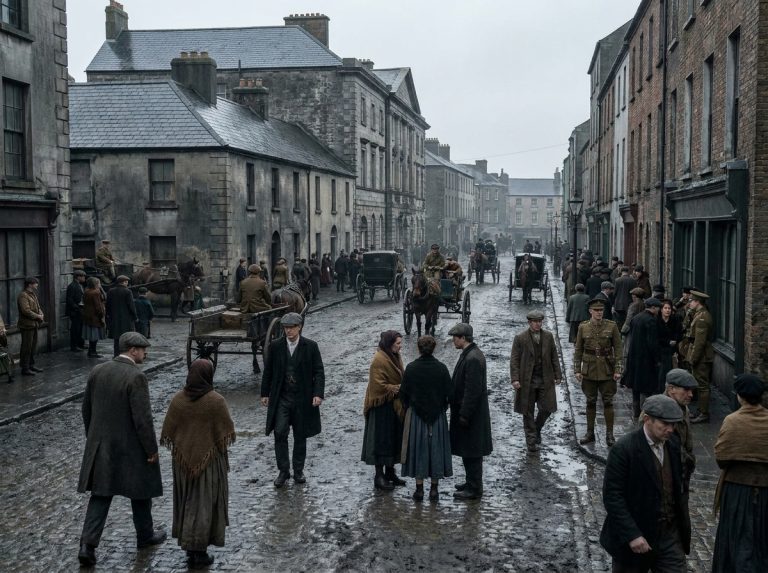

Social Ranks(c.1690s)

Limerick’s urban origins are tied to a Viking foundation on King’s Island, where longphorts and river moorings concentrated maritime activity. Contemporary annals and later archaeological reports indicate Norse captains, kin-groups and traders established bases that controlled shipping and river trade along the Shannon. These early leaders exercised authority through armed force, alliance-making and marriage with local Gaelic families, creating a hybrid elite. Material culture, craft production and control of boat traffic generated wealth that underpinned status distinctions. Archaeological remains and medieval records together demonstrate how maritime command translated into social and political prominence in the settlement’s formative centuries, and memory
Below the maritime elite, traders, boatmen, craftsmen and specialised artisans formed middling strata that facilitated commerce and daily life. Gild Merchant and corporation records show how regulated markets, craft rules and municipal governance shaped urban economic roles. The borough charter of 1197 and subsequent medieval borough records codified privileges, rights and obligations for burgesses, influencing property, trade and civic status. King John’s Castle archaeological reports and structural analyses further illuminate the material footprint of medieval occupation on King’s Island, revealing stoneworks and adaptations over time that correspond with documentary evidence for administration, defence and the urban hierarchy of medieval Limerick
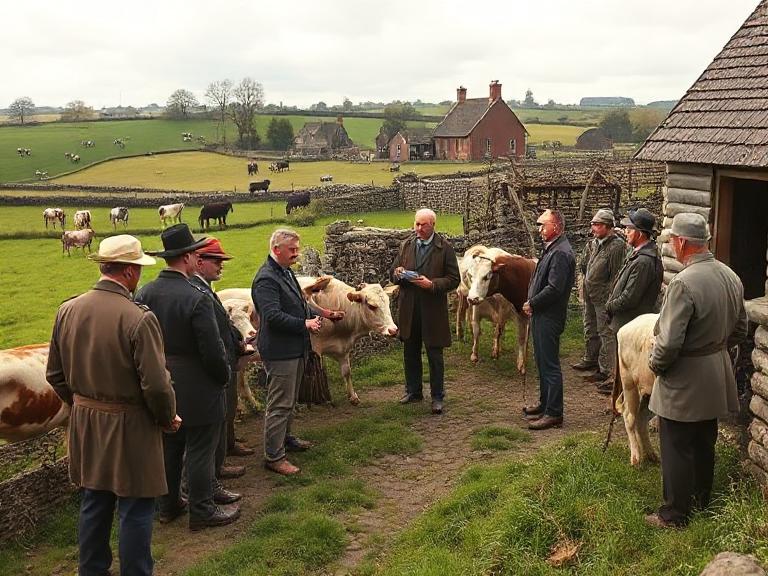
Ordinary labourers, seasonal workers, tenants occupied lower social tiers, their conditions shaped by access to employment, protection networks and the willingness of elites to incorporate or marginalise them. Estate maps and tax assessments for later centuries trace property distribution and household economies, revealing concentrations of lower-status housing and rented tenements outside the medieval core. Eighteenth-century developments such as Newtown Pery altered the city’s social geography, introducing planned squares and residences that contrasted with older working districts. Contemporary newspaper reports and commercial records document economic opportunities and hardship, while municipal and estate archives record patterns of occupation and displacement over time
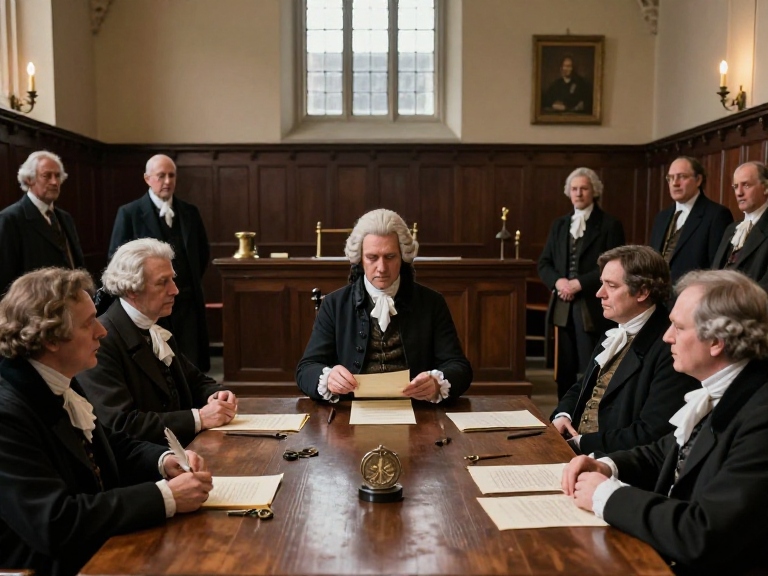
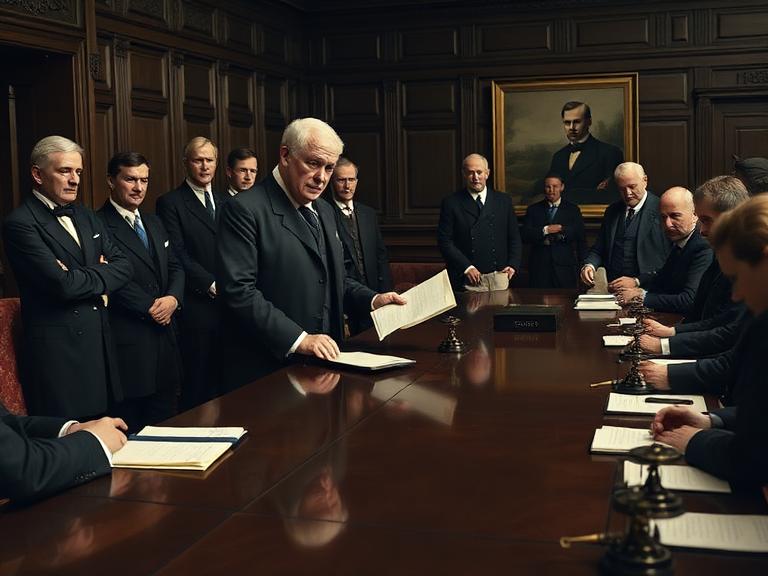
Military conflict and negotiated capitulations shaped early modern Limerick’s social contours, most notably during the 1690s sieges that concluded with formal articles of surrender. The Civil and Military Articles of Limerick agreed 3 October 1691, and manuscript copies of the capitulation, survive in multiple libraries and archives. Contemporary printed eyewitness accounts such as An Exact Journal of the Siege of Limerick provide immediate perspectives from officers and participants, while later legal and municipal records record consequences for property, garrisoning and civic governance. These sources together illuminate how warfare, terms of surrender and subsequent enforcement affected urban elites and ordinary residents
Local memory and documentary traces extend into nineteenth and twentieth centuries through directories, oral histories and newspapers that record neighbourhood nicknames and social descriptions. Limerick Archives’ oral history catalogue contains recollections and place-names that illuminate working-class quarters; one recorded epithet sometimes associated with Thomondgate appears in late nineteenth-century recollections and directories. Printed broadsides and contemporary newspapers further capture commercial life, port activity and occasional social unrest, while municipal minutes and guild records document regulation of labour and markets. Together these varied sources — directories, oral testimony, newspapers and municipal archives — constitute essential primary research leads for social historians today
Primary Sources
- Annals of Ulster, entries for tenth century recording Viking activity at Inis Sibthonn (King’s Island), transcriptions in CELT: University College Cork. Source Link
- The Civil and Military Articles of Limerick, agreed 3 October 1691, contemporary printed edition (reprinted 1692); copies held at Folger Shakespeare Library and British Library. Source Link
- Copy of the Articles agreed upon between Lieut. Gen. Ginckel and Lieut. Gen. D’Usson on the capitulation of Limerick, October 3 1691, manuscript copy, National Library of Ireland catalogue. Source Link
- An Exact Journal of the Siege of Limerick, from an officer in the camp to his friend in London, printed London 1691, contemporary eyewitness account; multiple library holdings including HathiTrust and university special collections. Source Link
- King John’s Castle archaeological reports and medieval structural analyses detailing King’s Island occupation and Norse stronghold remains, Limerick City Council archives.
- Limerick borough charter of 18 December 1197 (royal charter of John), chancery roll transcriptions and medieval borough records in local municipal archives.
- Gild Merchant and corporation records for medieval and early modern Limerick, surviving minutes and account rolls in Limerick City and County Archive.
- Estate maps and tax assessments for eighteenth century Newtown Pery and surrounding districts showing property ownership and social geography, National Archives of Ireland and local estate collections.
- Contemporary newspapers and broadsides covering the 1690s and eighteenth century commercial life in Limerick (e. g. Newsletters, Dublin and London papers with reports on Limerick port activity), printed collections at National Library.
- Oral histories, recollections and nineteenth century directories recording neighbourhood nicknames such as ‘Sodacakes’ for Thomondgate and social descriptions of working class quarters, held in Limerick Archives oral history catalogue.