Battalion Arrives

The 1st Battalion of the Royal Irish Regiment reached the Cape aboard the troopship Gascon on 7 January, completing a voyage that had begun on 14 December. Its arrival formed part of Britain’s accelerating military reinforcement of South Africa after the serious reverses suffered during the opening months of the war. The soldiers disembarked into an unfamiliar summer climate after spending more than three weeks at sea, carrying rifles, uniforms, personal kit and the expectations of a campaign whose duration remained uncertain. Their landing transformed the battalion from a home-based regiment into an active component of Britain’s expanding field army.

Scholar Remembered

The Reverend Robert King, clergyman, teacher and respected historian of the Irish church, died on 4 January after several years of declining health. Born in Cork in 1815, he had spent more than four decades in County Antrim, where he served as headmaster of the diocesan school at Ballymena. His death ended a long career combining parish work, education, historical research and Irish-language scholarship. King was buried at Broughshane, a village closely associated with the final period of his life, while former pupils, clergy and readers were left to assess the unusual range of his intellectual labour.

Recruitment Intensifies

A fresh sequence of enlistments was entered for the Royal Irish Regiment as recruiting activity increased during the South African War. The new names reflected the widening demand for soldiers after the British Army suffered heavy reverses during the closing weeks of 1899. Recruiting offices were encouraging suitable men to enter regular service, while reservists were being recalled and additional forces prepared for overseas deployment. For many Irish families, the war was no longer a remote imperial struggle reported from distant battlefields. It had begun to influence employment decisions, household income and the movements of young men across towns and rural districts.

Grazing Dominance

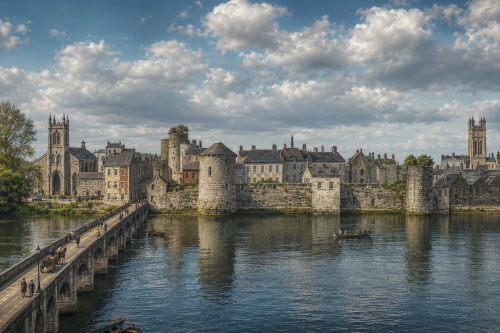
Cattle grazing remains more profitable than tillage in many Irish districts, encouraging landowners and substantial occupiers to devote extensive farms to livestock rather than labour-intensive cultivation. The difference is keenly felt in County Limerick, where broad grasslands can support valuable cattle while requiring comparatively few permanent workers. Families dependent upon agricultural wages find fewer opportunities wherever ploughing, sowing, weeding and harvesting give way to grazing. Supporters of the existing system point to dependable livestock markets and lower operating costs, but critics argue that profitable land is failing to sustain the number of people it once employed.

Creamery Rivalry

Local disputes are arising between co-operative creameries owned by milk suppliers and privately operated concerns seeking to retain control of established dairying districts. The rivalry is especially significant in County Limerick, where cattle, milk and butter provide income for farmers, labourers, carriers and merchants. Co-operative organisers argue that producers should collectively own the machinery through which their milk is processed and marketed. Private proprietors answer that independently managed businesses can offer efficient service without requiring farmers to invest capital, accept committee authority or assume responsibility for commercial losses.