
Archived: 25 September 2026
Abstract
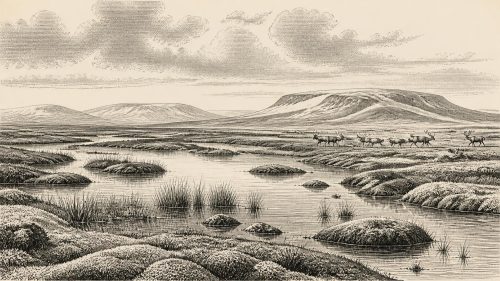
Thirty thousand, six hundred and seventy-seven BCE is a modern chronological label, not a recorded Irish year. At Derryvree, County Fermanagh, freshwater silts, organic deposits and sands lie between two glacial tills, demonstrating an ice-free interval during climatically unstable Marine Isotope Stage 3. Radiocarbon evidence broadly dates these deposits to 36,900–31,700 calibrated years BP. Mosses, sedges, aquatic plants and insects indicate cold, open periglacial wetland. Other records show fluctuating ice, water and fauna, including mammals from Castlepook Cave. A possibly cut-marked reindeer bone suggests human visits, but no settlement is proven. The evidence documents landscape, not society, in Ice-Age Ireland.
Read Article
Archived: 25 September 2026
Abstract
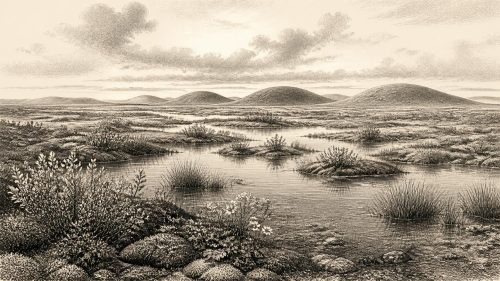
At 30,678 BCE, Ireland had no recorded history, and evidence cannot define conditions in a single year. Derryvree, County Fermanagh, preserves organic freshwater deposits dated by the uncertain radiocarbon result BIRM-166, indicating an ice-free, cold, treeless wetland during late Marine Isotope Stage 3. Other sites confirm intermittent habitable ground before expanding ice sheets reshaped the island. Castlepook Cave, County Cork, contains diverse Pleistocene fauna, including reindeer, mammoth and predators. A possibly stone-tool-marked reindeer femur may indicate brief Upper Palaeolithic human butchery, but proves neither settlement nor continuous occupation. Ireland’s past therefore reveals glacial landscapes, ecological evidence, and possible human contact.
Read Article
Archived: 25 September 2026
Abstract
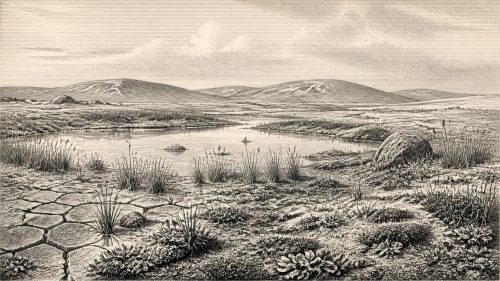
At approximately 30,679 BCE, Ireland lay within the fluctuating cold conditions of Marine Isotope Stage 3, not a historically datable year. Derryvree, County Fermanagh, preserves freshwater sediments between glacial tills, indicating an ice-free interlude with pools, wetlands and treeless tundra vegetation, including clubmoss, mosses and cold-adapted herbs. Its radiocarbon age encompasses this date. Cave finds elsewhere indicate intermittent populations of mammoth, reindeer, giant deer, predators and other cold-stage animals, but not a single contemporaneous fauna. No secure evidence establishes human settlement, society or activity; a modified reindeer bone suggests only unproven Upper Palaeolithic presence. Later glaciation preserved this environmental record.
Read Article
Archived: 25 September 2026
Abstract
30,680 BCE is an imprecise modern label within Marine Isotope Stage 3, not a datable Irish historical year. At Derryvree, County Fermanagh, freshwater organic sediments between glacial tills, radiocarbon dated broadly around 30,500 BP, show cold, treeless wetlands with mosses, sedges and open tundra vegetation during an interval between ice advances. Other northern sites support local non-glacial conditions. Castlepook Cave, County Cork, preserves diverse cold-stage fauna, demonstrating changing ecological opportunities but not a single contemporaneous community. A possibly tool-marked reindeer bone may indicate brief Upper Palaeolithic human activity, yet no settlement evidence exists. Ireland remained a glaciated Late Pleistocene landscape.
Read Article

Archived: 25 September 2026
Abstract
About 30,681 BCE, Ireland lay within the climatically volatile Late Pleistocene, when ice, low sea levels and open tundra landscapes shaped life. Derryvree in Fermanagh preserves a buried freshwater wetland, dated broadly to 36,900–31,700 years before present, with cold-adapted plants and insects. Castlepook Cave in Cork yielded remains of mammoths, reindeer, giant deer and predators, accumulated across episodes largely through natural processes. A cut-marked reindeer femur may indicate human carcass processing, but cannot demonstrate settlement, continuous occupation or society. Evidence remains sparse, disturbed and subject to redating; future analysis may clarify this possible early human presence amid Ice Age conditions.
Read Article
Archived: 25 September 2026
Abstract
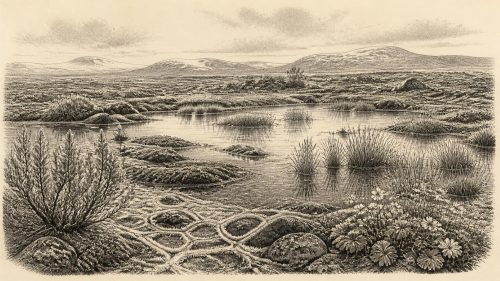
Around 30,682 BCE, Ireland’s history is reconstructed chiefly from the Derryvree freshwater deposits in County Fermanagh, preserved between glacial tills. Their broad radiocarbon range indicates an ice-free local interval during volatile MIS 3 conditions, not a precisely datable year. Mosses, sedges, dwarf willow, mountain-avens and aquatic plants reveal open, treeless periglacial tundra-steppe with pools and wet margins. Cave fauna from southern Ireland suggests cold-adapted communities including reindeer, mammoth, giant deer, predators and scavengers, though deposits are mixed. Human presence remains unproven: a butchered bone cannot establish settlement. No farming or permanent communities existed. Later ice expansion buried and erased evidence.
Read Article
Archived: 25 September 2026
Abstract
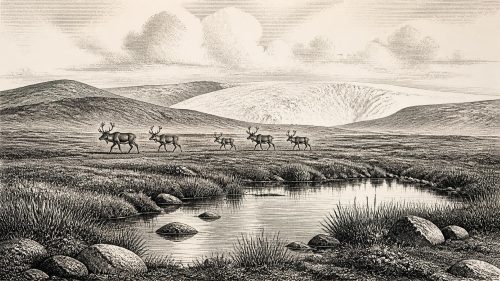
30,683 BCE is a modern label for a resolvable phase of Pleistocene Ireland, not a datable event year. During Marine Isotope Stage 3, glacial growth was transforming an unstable landscape of exposed ground, lower seas, wetlands and advancing ice. Derryvree’s organic deposits reveal cold, treeless wet tundra between glaciations. Castlepook Cave preserves diverse fauna, including reindeer, mammoth, giant deer, predators and arctic species, indicating open, severe yet varied habitats, though remains are not necessarily contemporary. A possibly cut-marked reindeer bone suggests human activity but cannot prove settlement. No evidence supports polities, culture or trade; environmental change remains the secure history.
Read Article

Archived: 25 September 2026
Abstract
At the nominal date of 30,684 BCE, Ireland lay within the climatically unstable Late Pleistocene Marine Isotope Stage 3. Derryvree in County Fermanagh preserves freshwater silts between glacial tills, indicating a locally ice-free interval during the Midlandian glacial cycle. Radiocarbon evidence dates these deposits broadly, not to a single year. Its wetland supported tundra vegetation, including dwarf willow, bogbean, sedges and mosses, alongside cold-adapted insects. Cave faunas elsewhere demonstrate Irish Late Pleistocene ecosystems containing mammals such as reindeer, mammoth and predators. No secure human settlement or occupation is known; a marked reindeer bone from Castlepook only suggests possible human activity.
Read Article
Archived: 25 September 2026
Abstract
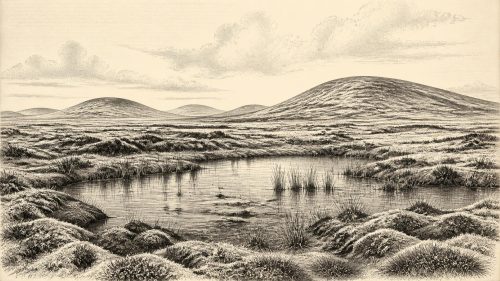
30,685 BCE is a modern label within Marine Isotope Stage 3, not a precisely recoverable Irish date. At Derryvree, County Fermanagh, freshwater sediments between two glacial tills indicate a local ice-free interval before renewed glaciation. Radiocarbon dating broadly encompasses the nominal year. Mosses, sedges and cold-adapted insects describe open, periglacial wetlands with liquid water and vegetation amid severe climate, rather than forest or cultivation. Comparable deposits and Kerry speleothems suggest fluctuating conditions, while cave fauna shows intermittent opportunities for cold-stage animals. No securely dated human settlement or politics is known. Derryvree preserves evidence of environmental change before the ice-sheet maximum.
Read Article

Archived: 25 September 2026
Abstract
Around 30,686 BCE, Ireland lay within the fluctuating cold conditions of late MIS 3, not a date recoverable as an annual history. At Derryvree near Maguiresbridge, freshwater silts, organic mud and tundra vegetation between glacial tills show a locally ice-free wetland interval, radiocarbon dated broadly to 36,900–31,700 calibrated years BP. Mosses, sedges, aquatic plants and insects indicate cold, treeless but living habitats. Castlepook Cave preserves varied cold-stage fauna, including mammoth, reindeer and predators, although its mixed deposits cannot represent one moment. A possibly cut-marked reindeer bone suggests, but cannot prove, an early human visit. Later glaciation erased much earlier evidence.
Read Article
Archived: 25 September 2026
Abstract
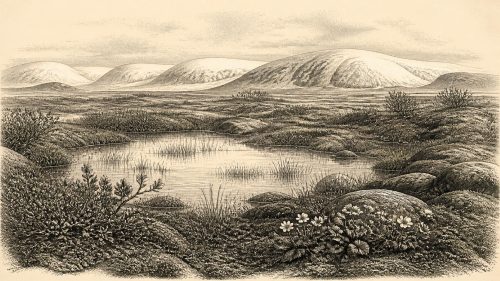
Around 30,687 BCE, Ireland was experiencing unstable Late Pleistocene conditions rather than a recordable historical year. At Derryvree, County Fermanagh, freshwater sediments preserved between glacial tills show an ice-free interval with cold, wet, treeless tundra vegetation. Mosses, sedges, aquatic plants, mountain avens, dwarf willow and other Arctic-alpine species indicate shallow water, saturated ground and brief growing seasons. Cave finds elsewhere confirm that reindeer, mammoth, hyaena and giant deer inhabited Ireland during broadly comparable periods, though not necessarily locally together. No secure evidence establishes human settlement then. Derryvree therefore records a local, changing ecosystem between glacier advances, not an inhabited society.
Read Article
Archived: 25 September 2026
Abstract
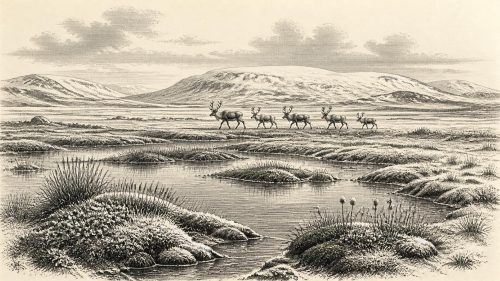
30,688 BCE is a modern label within Ireland’s Late Pleistocene, not a date supported by annual records. Derryvree, County Fermanagh, preserves freshwater organic deposits between glacial tills, indicating a harsh, treeless periglacial wetland during an ice-free interval, though not across all Ireland. Castlepook Cave, County Cork, contains diverse cold-stage fauna, including reindeer, mammoth, giant deer, predators and lemmings, accumulated over extended periods. A cut-marked reindeer femur may indicate Upper Palaeolithic carcass processing by people, but cannot prove hunting, settlement or continuity. Environmental instability preceded major ice-sheet expansion; available evidence documents changing habitats, not society or events in a single year.
Read Article
Archived: 25 September 2026
Abstract
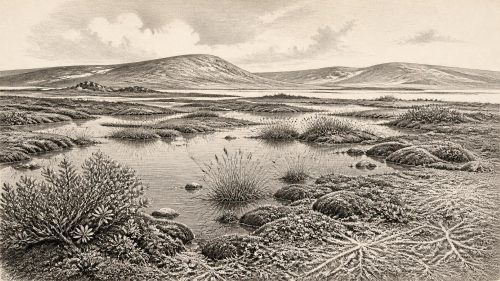
At 30,689 BCE, Ireland cannot be assigned a year-specific event or known human community. The Derryvree sequence in County Fermanagh records freshwater organic sediments between tills, showing a locally ice-free interval before later glaciation. Its broadly calibrated date encompasses this nominal year, but not precisely. Fossil plants and insects indicate treeless, cold wetland with mosses, sedges, shallow pools and Arctic-alpine vegetation. Other sites demonstrate changing regional conditions, while Castlepook Cave confirms Marine Isotope Stage 3 mammals, not a contemporaneous fauna or settlement. Possible human visits remain unproven. Environmental change, ice movement, wetlands and animal dispersal therefore provide the defensible history.
Read Article
Archived: 25 September 2026
Abstract
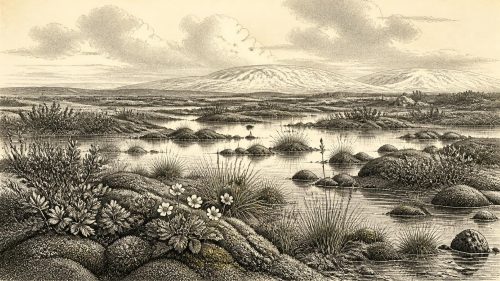
About 30,690 BCE, Ireland lay within the climatically volatile MIS 3 of the Late Pleistocene, not a historical year. At Derryvree, County Fermanagh, freshwater deposits between tills record an ice-free interval of pools, sedges, mosses, dwarf willow and tundra-like vegetation, later buried by ice. Crag Cave indicates milder phases, while inter-till sites confirm episodic glaciation. Castlepook Cave preserves MIS 3 fauna including mammoth, reindeer, giant deer, carnivores and lemmings, though not necessarily contemporaneously. A cut-marked reindeer bone suggests human visitation around 33,000 years ago, but neither continuous occupation nor settled communities, farming, political structures, beliefs or trade can be demonstrated.
Read Article

Archived: 25 September 2026
Abstract
Thirty thousand six hundred and ninety-one BCE is a modern label rather than a recoverable Irish year. Around 32,600 cal BP, Ireland experienced unstable Late Pleistocene conditions, with advancing and retreating ice, locally ice-free wetlands and tundra vegetation. Derryvree sediments in Fermanagh record freshwater habitats within a broad dated interval, not continuous island-wide conditions. Castlepook Cave in Cork preserves fauna, including mammoth, reindeer, giant deer and hyaena, demonstrating ecological links with north-west Europe, though not a proven land bridge. A modified reindeer bone may suggest human carcass processing, but sustained settlement remains unproven. Subsequent ice expansion erased or disturbed evidence.
Read Article
Archived: 25 September 2026
Abstract
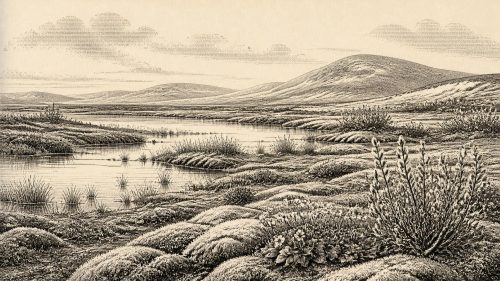
Around 30,692 BCE, Ireland’s history is best understood as a broad Late Pleistocene environmental horizon, not an annual record. At Derryvree, County Fermanagh, freshwater sediments between glacial tills, broadly dated to 36,900–31,700 calibrated years BP, preserve tundra-like flora including mosses, sedges, mountain avens, dwarf willow and aquatic plants. They indicate an ice-free, treeless wetland amid changing glacial conditions. Castlepook Cave fauna, including mammoth, reindeer, giant deer and predators, suggests cold-adapted animals reached Ireland. A cut-marked reindeer bone may indicate brief human activity, but settlement remains unproven. Later ice reshaped landscapes, leaving evidence fragmentary and uncertain across the island over millennia.
Read Article
Archived: 25 September 2026
Abstract
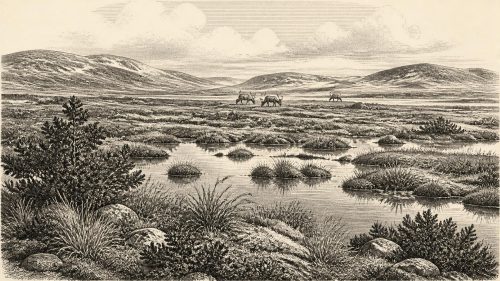
Thirty-thousand six-hundred and ninety-three BCE cannot be resolved archaeologically, but Derryvree, County Fermanagh, provides evidence overlapping this period. Freshwater organic sediments between glacial tills indicate a temporary ice-free wetland within volatile MIS 3 conditions, supporting tundra-like vegetation, mosses, sedges, juniper and aquatic plants rather than forest. Castlepook Cave, County Cork, preserves a long-accumulated fauna including mammoth, reindeer, giant deer, predators and lemmings, demonstrating intermittent ecological connections with Europe. A possibly cut-marked reindeer bone suggests, but does not prove, early human visits. No settlements, societies or political structures are evidenced. Together, these archives reveal cold, open, changing landscapes before renewed glaciation.
Read Article
Archived: 25 September 2026
Abstract
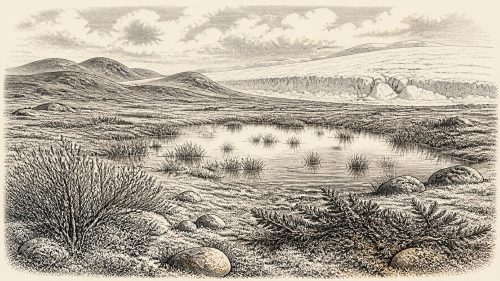
Rather than a datable event, 30,694 BCE represents a broad Late Pleistocene interval in Ireland. Derryvree, County Fermanagh, preserves freshwater silts between glacial tills, indicating locally ice-free, wet tundra with sparse shrubs, sedges, aquatic plants and insects before renewed glaciation. Its radiocarbon range spans millennia, while ice-sheet expansion and timing remain uncertain. Castlepook Cave, County Cork, contains Marine Isotope Stage 3 fauna including reindeer, mammoth, giant deer, bears, wolves, Arctic foxes and hyaenas, revealing intermittent ecological links with Europe. A possibly cut-marked reindeer bone suggests human activity, but cannot establish settlement. Evidence documents environments and fauna, not societies or events.
Read Article
Archived: 25 September 2026
Abstract
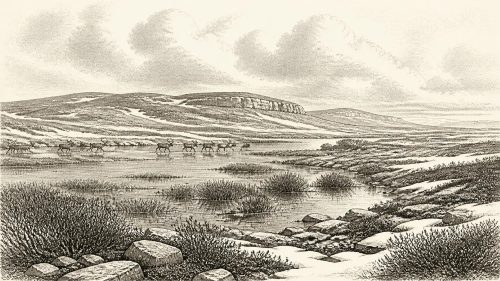
Around 30,695 BCE, Ireland experienced unstable Late Pleistocene conditions during the Midlandian glaciation, with shifting ice, lowered seas and cold, open habitats. Derryvree sediments in County Fermanagh preserve evidence of freshwater, tundra-like vegetation and ecological communities between ice advances. Castlepook Cave, County Cork, contains a complex accumulation of mammoth, giant deer, reindeer, hyena and other animal remains, indicating diverse cold-adapted fauna. A deeply incised reindeer femur may record butchery with a stone tool and possibly Ireland’s earliest human presence. However, its context and dating remain uncertain. No evidence supports claims of permanent settlement, social organisation, monuments, politics or named peoples.
Read Article

Archived: 25 September 2026
Abstract
Around 30,696 BCE, Ireland’s evidence is environmental rather than historical, within the unstable later Marine Isotope Stage 3. Organic freshwater sediments at Derryvree, County Fermanagh, dated broadly to this interval, show an ice-free tundra wetland between glacial advances. Mosses, sedges, bogbean, dwarf willow and insects indicate cold periglacial conditions supporting local freshwater life. Southern caves preserve MIS 3 fauna including mammoth, reindeer, giant deer, hyaena and Arctic fox, though dating and contexts require caution. No secure evidence establishes human settlement, culture or society; possible cut marks are inconclusive. Subsequent ice-sheet expansion reshaped landscapes and erased much evidence over later millennia.
Read Article
Archived: 25 September 2026
Abstract
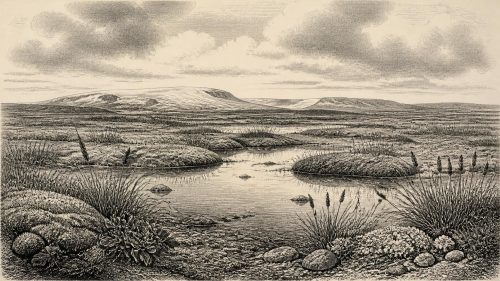
The modern label 30,697 BCE denotes a broad Late Pleistocene interval, not a precisely recoverable Irish year. At Derryvree, County Fermanagh, BIRM-166 organic mud between glacial tills records an ice-free freshwater wetland before renewed glaciation. Radiocarbon evidence places it broadly around 36,900–31,700 cal BP. Mosses, sedges, bogbean and mountain-avens indicate cold, open tundra-like conditions, while Ireland experienced variable ice growth and North Atlantic climate shifts. Cave fauna show Ice Age animals ranged across Ireland. A marked reindeer bone from Castlepook may indicate butchery, but cannot establish settlement. No political, social or cultural history is recoverable; environmental change remains the evidence.
Read Article
Archived: 25 September 2026
Abstract
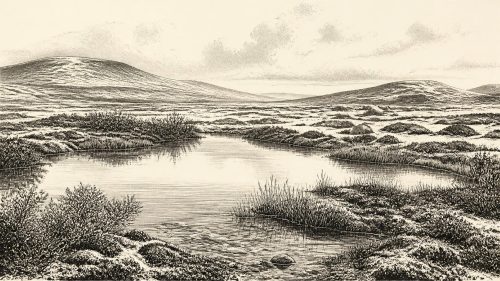
Approximately 32,650 years before present, Ireland lay within the unstable Late Pleistocene climate of Marine Isotope Stage 3, not a recoverable historical year. At Derryvree, County Fermanagh, freshwater sediments between glacial tills, dated broadly to 36,900–31,700 calibrated years BP, record an ice-free interval. Plant and insect remains indicate treeless, periglacial tundra with wetlands, pools and sparse Arctic-alpine vegetation. Other Fermanagh deposits confirm varied local conditions amid shifting ice. Castlepook Cave preserves evidence of diverse cold-climate fauna, though species did not necessarily coexist. No evidence establishes permanent human occupation; a possibly butchered reindeer bone only suggests brief human presence. Uncertainty remains.
Read Article

Archived: 25 September 2026
Abstract
Around 30,699 BCE, Ireland lay within the unstable late Pleistocene, not a datable historical year. Sediments beneath Derryvree drumlin, County Fermanagh, dated broadly to 30,500 BP, preserve evidence of open, wet tundra with arctic-alpine plants, rather than woodland or continuous ice. Castlepook Cave, County Cork, yielded diverse cold-climate animal remains, including a reindeer femur bearing a possible stone-tool cut mark. This may indicate Upper Palaeolithic carcass processing, but lacks secure excavation context and cannot prove settlement, population or route of arrival. Changing ice, sea levels and later glaciation limited access and destroyed evidence, leaving fragments rather than a continuous narrative.
Read Article

Archived: 25 September 2026
Abstract
Around 30,700 BCE, Ireland lay within the climatically unstable Midlandian glaciation, although evidence cannot describe a single calendar year. At Derryvree, County Fermanagh, freshwater silts between two glacial tills preserve a wetland interval broadly dated to this period. Pollen, plants, mosses and insects indicate open, treeless tundra with standing water, frost and short growing seasons. Cave remains show varied cold-stage mammals, but do not prove contemporaneous communities. A modified reindeer bone may suggest human presence about 33,000 years ago, yet remains inconclusive. No evidence supports settlements, political societies or customs. Ireland’s record is an environmental history, fragmented by ice advances.
Read Article
Archived: 25 September 2026
Abstract
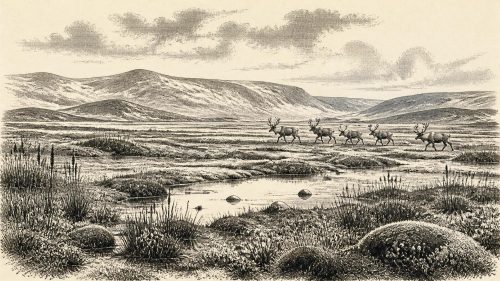
Around 30,701 BCE, Ireland’s history is reconstructed from broad archaeological ranges rather than annual events. Derryvree, County Fermanagh, preserves freshwater organic beds dated approximately 36,900–31,700 calibrated years before present, indicating a cold, treeless periglacial wetland with plants, insects and seasonal open water between glacial episodes. Castlepook Cave, County Cork, yielded diverse Ice Age fauna, including mammoth, reindeer, giant deer, hyaena, wolf and Arctic fox, demonstrating wider European connections. A potentially cut-marked reindeer femur may indicate brief human activity, but proves neither settlement nor population. Climatic shifts and expanding ice repeatedly altered habitats, obscuring earlier evidence across Ireland during this period.
Read Article
Archived: 25 September 2026
Abstract
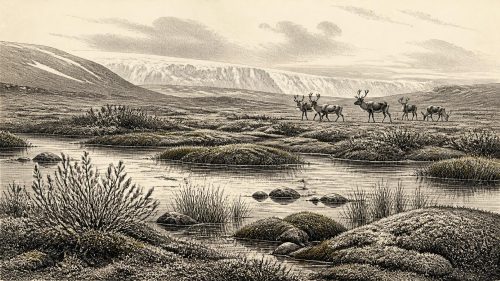
At approximately 30,702 BCE, Ireland lay within the unstable later Marine Isotope Stage 3 of the last Ice Age, although the date cannot identify a specific event. Derryvree, County Fermanagh, preserves freshwater sediments and cold-adapted wetland plants between two glacial tills, demonstrating temporary ice-free, tundra-like conditions. Castlepook Cave, County Cork, records diverse fauna, including mammoth, reindeer, giant deer, bears, wolves and hyaenas, indicating intermittent ecological connections with Britain and continental Europe. Ice, sea levels and animal ranges changed dynamically. No securely dated evidence proves human occupation, society, ritual or trade in Ireland then; the record documents environmental change and limits.
Read Article
Archived: 25 September 2026
Abstract
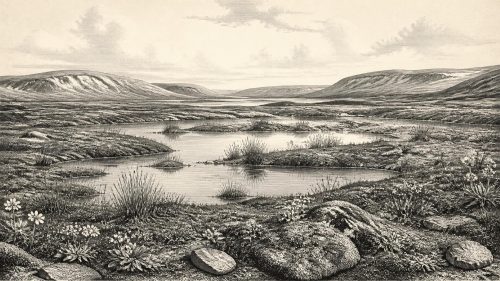
Around 30,703 BCE, Ireland’s history is reconstructed from Late Pleistocene environmental evidence rather than dated events or human activity. At Derryvree near Maguiresbridge, freshwater silts between glacial tills, radiocarbon dated broadly to 34,950–29,750 BCE, record a temporary ice-free, periglacial wetland. Pollen, plants, insects and mosses indicate treeless tundra, shallow water and ecological variety, including fringed sandwort. Castlepook Cave’s disturbed, long-lived bone deposits show intermittent connections to wider European fauna, including mammoth, reindeer and hyaena, but cannot describe one year. No secure human presence is known. The period reflects fluctuating ice, habitats, drainage and faunal opportunities before the Last Glacial Maximum.
Read Article
Archived: 25 September 2026
Abstract
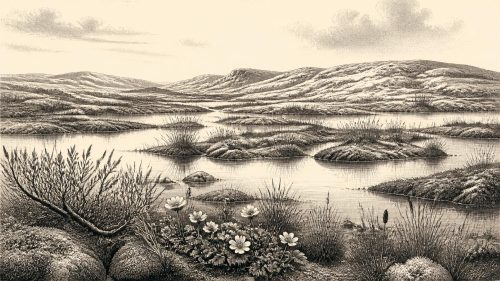
30,704 BCE is a modern label rather than a precisely recoverable Irish year. During late Marine Isotope Stage 3, Ireland experienced unstable glacial and periglacial conditions, with evidence limited to broad dated ranges. Derryvree, County Fermanagh, preserves freshwater sediments dated around 36,900–31,700 calibrated BP, indicating a cold, open, largely treeless wetland with tundra plants, insects and pools between glacial episodes. Castlepook Cave, County Cork, records mammoth, reindeer, giant deer, predators and cold-adapted fauna, though deposits are mixed. A marked reindeer femur may indicate brief human butchery, not settlement. No evidence supports societies, polities or recorded events; environmental change dominates overall.
Read Article
Archived: 25 September 2026
Abstract
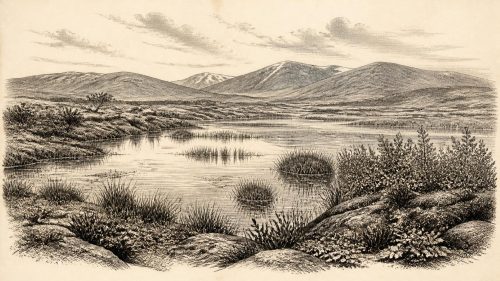
Around 30,705 BCE, Ireland lay within the unstable Middle Midlandian of Marine Isotope Stage 3, rather than a datable historical year. At Derryvree near Maguiresbridge, Fermanagh, freshwater organic deposits between glacial tills record an ice-free interval, although their radiocarbon age spans a broad range. Pollen, plants, mosses and insects indicate open, treeless, periglacial tundra with shallow water, sedges and cold-adapted flora. Cave remains from Cork and Waterford show that mammoths, reindeer, predators and lemmings intermittently reached Ireland, but mixed deposits prevent precise associations. No secure evidence confirms human presence, settlement, politics or culture. These fragmentary records reveal a varied landscape.
Read Article
Archived: 25 September 2026
Abstract
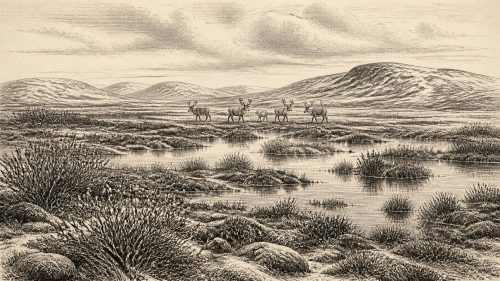
Circa 30,706 BCE, Ireland lay within the unstable cold conditions of Marine Isotope Stage 3, not a documented historical era. Derryvree, County Fermanagh, preserves organic freshwater sediments between glacial tills, dated broadly near this period. Plants, mosses, insects and sediments indicate an open, wet, tundra-like landscape with severe winters, rather than woodland or permanent refuge. Castlepook Cave, County Cork, contains varied Ice Age fauna, including mammoth, giant deer, reindeer, hyaena and Arctic fox, demonstrating ecological links with north-west Europe. A possibly butchered reindeer bone offers provisional evidence of human presence, but no settlement or established economy. They reveal ice-transformed landscapes.
Read Article

