
Archived: 23 September 2026
Abstract
Around 30,838 BCE, Ireland had no recorded history, but Derryvree near Maguiresbridge preserves evidence of an ice-free Middle Midlandian interval. Freshwater silts between glacial tills indicate a cold, periglacial fen with tundra plants, pools, mosses and seasonal growth. Climatic conditions fluctuated during Marine Isotope Stage 3. Cave deposits, especially at Castlepook, show that open landscapes supported mammoth, reindeer, giant deer, predators and smaller cold-adapted animals. A possibly cut-marked reindeer bone offers tentative evidence of transient human activity, not settlement. Later ice advances buried or erased much evidence. These fragmentary archives portray ecologically active, severe landscapes preceding the Last Glacial Maximum.
Read Article

Archived: 23 September 2026
Abstract
30,840 BCE is a modern chronological label within a broad calibrated range, not a recorded Irish year. Derryvree, near Maguiresbridge, preserves freshwater sediments between glacial tills, indicating a cold, largely treeless wetland of sedges, mosses and Arctic-alpine plants during Marine Isotope Stage 3. Crag Cave shows intermittent milder conditions, while Castlepook Cave documents cold-stage fauna including mammoth, reindeer, giant deer and predators. A possibly cut-marked reindeer bone suggests, but does not prove, brief human activity. No settlement or society is evidenced. Environmental instability preceded expanding British-Irish ice, which eventually buried Derryvree’s freshwater landscape as glaciation progressively intensified across the region.
Read Article

Archived: 22 September 2026
Abstract
Around 30,853 BCE, Ireland lay in the fluctuating cold conditions of Marine Isotope Stage 3. Freshwater silts at Derryvree, County Fermanagh, preserved between glacial tills, record an ice-free interval of treeless tundra, sedge-rich wetland and shallow pools. Fringed sandwort demonstrates cold-adapted plant life, while insects and sediments indicate biologically active periglacial conditions. Southern caves preserve evidence of diverse fauna, including mammoth, reindeer, giant deer, bears, wolves and hyaenas, though their dates and associations remain uncertain. No securely established human presence exists. Later ice advances buried and reshaped these temporary habitats, preserving fragmentary environmental evidence of a changing Late Pleistocene landscape.
Read Article

Archived: 22 September 2026
Abstract
Around 30,857 BCE, Ireland lay within the climatically unstable Marine Isotope Stage 3, rather than a precisely datable historical year. Freshwater sediments beneath Derryvree drumlin, County Fermanagh, dated broadly to 36,900–31,700 calibrated years BP, preserve mosses and plants indicating cold, open, wet periglacial terrain between glacial advances. Cave faunas, notably at Castlepook, show that mammoth, reindeer, giant deer and other Ice Age animals reached Ireland intermittently. No secure evidence demonstrates human settlement then. A possibly butchered reindeer bone suggests a tentative Upper Palaeolithic visit, but cannot establish occupation. Later ice buried or destroyed much evidence of these changing Irish ecosystems.
Read Article

Archived: 22 September 2026
Abstract
30,861 BCE is not a precisely datable Irish event but falls within MIS 3, before the Last Glacial Maximum. At Derryvree, County Fermanagh, organic sediments between glacial tills record an ice-free interval, broadly dated to 34,950–29,750 BCE. Plant and beetle remains reveal cold, treeless, tundra-like wetlands with shallow water, sedges, mosses and hardy flora. Castlepook Cave in County Cork preserves mixed remains of mammoth, reindeer, giant deer and predators, demonstrating suitable cold open habitats. A marked reindeer bone may indicate brief human butchery, but not settlement. Lower sea levels altered coasts; later ice buried or destroyed most evidence across Ireland.
Read Article
Archived: 22 September 2026
Abstract
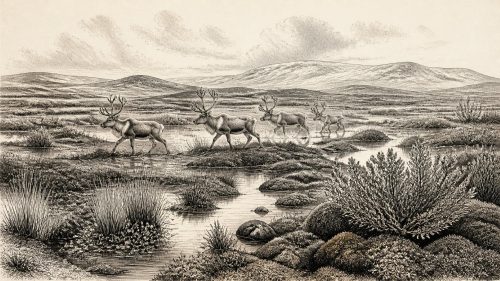
About 30,884 BCE, Ireland’s history can only be reconstructed from environmental evidence, not annual events or communities. At Derryvree, County Fermanagh, organic freshwater silts between glacial tills record an ice-free wetland phase, with mosses, sedges, aquatic plants, insects and treeless cold-adapted vegetation. Ireland’s climate during Marine Isotope Stage 3 changed sharply between cold episodes, milder intervals and advancing ice. Castlepook Cave preserves remains of mammoth, reindeer, giant deer, lemmings, foxes, wolves and hyenas, indicating open cold-country ecosystems. Human settlement is unproven; a possibly cut-marked reindeer bone suggests only a tentative early visit. Later ice expansion buried or destroyed much evidence.
Read Article
Archived: 21 September 2026
Abstract
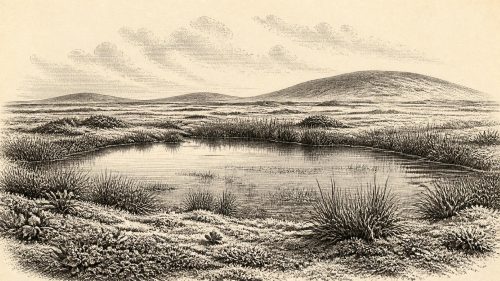
At around 30,913 BCE, Ireland’s evidence records unstable Ice Age environments rather than identifiable events or communities. Derryvree, County Fermanagh, preserves freshwater organic deposits between glacial tills, dated broadly to 34,950–29,750 BCE, indicating ice-free periglacial wetland with open, treeless vegetation, pools and insects. Cave assemblages, notably Castlepook in Cork, contain remains of mammoth, reindeer, giant deer, predators and cold-adapted mammals, though not necessarily contemporaneous. Crag Cave calcite documents climatic oscillation. A possibly cut-marked reindeer bone suggests, but cannot prove, early human presence. No secure habitation evidence exists; Ireland’s landscape was repeatedly altered, buried and eroded by advancing ice over time.
Read Article
Archived: 21 September 2026
Abstract
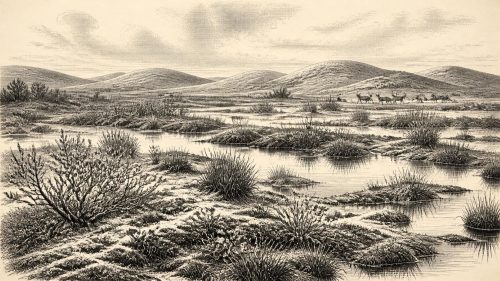
Around 30,921 BCE, Ireland lay in climatically unstable Marine Isotope Stage 3, before the Last Glacial Maximum. Freshwater sediments at Derryvree, County Fermanagh, dated broadly to 34,950–29,750 BCE, record a cold, open wetland between glacial advances. Fossils indicate tundra vegetation, mossy pools and severe seasonal conditions, while Crag Cave shows intermittent milder episodes. Castlepook Cave fauna, including reindeer, mammoth, bear, wolf and hyaena, demonstrates that large animals occupied parts of Ireland. A possibly tool-marked reindeer bone suggests human visitation, but proves neither settlement nor continuous occupation. Evidence instead depicts transient habitats amid advancing, uneven ice across the island over time.
Read Article
Archived: 21 September 2026
Abstract
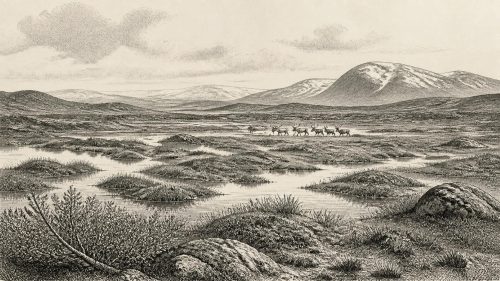
Thirty thousand nine hundred and twenty-two BCE is a modern label within a broad Late Pleistocene interval, not a recoverable Irish historical year. At Derryvree, County Fermanagh, organic freshwater silts between glacial tills record locally ice-free, periglacial tundra wetlands, dated broadly to 36,900–31,700 calibrated years BP. Castlepook Cave, County Cork, preserves mixed remains of mammoth, reindeer, giant deer, bears, hyenas and other fauna, demonstrating links with wider north-west European ecosystems. A cut-marked reindeer bone may indicate human butchery, but lacks secure context and cannot prove settlement. Fluctuating climate preceded later ice-sheet expansion, which obscured much earlier evidence across Ireland generally.
Read Article
Archived: 21 September 2026
Abstract
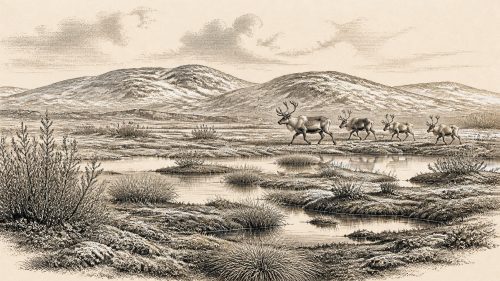
30,925 BCE is a modern label within a broad late Marine Isotope Stage 3 range, rather than a datable Irish year. Derryvree sediments in County Fermanagh, later buried by ice, show ice-free tundra wetlands with sedges, mosses, dwarf shrubs and aquatic plants under cold, unstable conditions. Cave evidence from Castlepook, County Cork, records diverse cold-stage fauna, including reindeer, mammoth, giant deer and predators, though deposits combine different periods. A marked reindeer bone may indicate human butchery, but no secure occupation evidence exists. As the British–Irish Ice Sheet expanded, environmental constraints, animal movement and advancing glaciation shaped Ireland’s pre-maximum physical landscape.
Read Article
Archived: 21 September 2026
Abstract
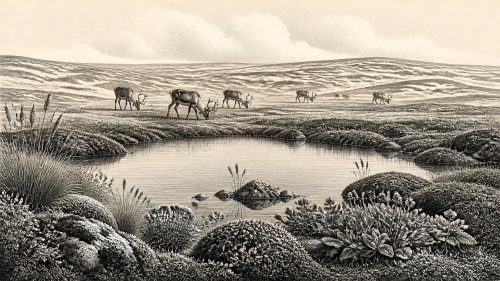
The nominal date 30,933 BCE cannot support an annual Irish history, but falls within a broad MIS 3 range of climatic fluctuation. Derryvree in County Fermanagh preserves freshwater sediments between tills, showing a cold, ice-free wetland with tundra vegetation before glaciation. Castlepook Cave fauna demonstrates diverse cold-adapted animals, including reindeer, mammoth and predators. A cut-marked reindeer bone suggests brief Upper Palaeolithic human visits, not settlement. No polities, farms, trade or cultural remains are known. Last Glacial Maximum ice reshaped Ireland and destroyed evidence, leaving protected deposits to reveal a dynamic landscape of water, open ground, animals and possible human movement.
Read Article
Archived: 21 September 2026
Abstract
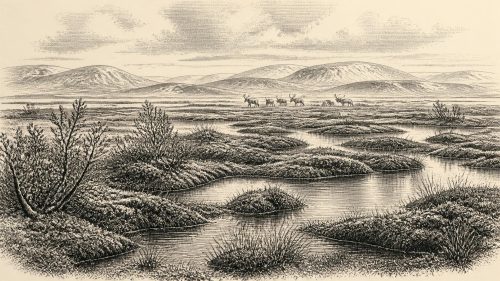
30,936 BCE is not a recoverable Irish year but falls broadly within Late Pleistocene MIS 3, a climatically unstable phase of the Midlandian cold stage. At Derryvree, Fermanagh, BIRM-166 organic sediments between tills indicate a locally ice-free, tundra-like freshwater wetland, dated imprecisely to approximately 36,900–31,700 calibrated years BP. Castlepook Cave, Cork, preserves varied cold-stage fauna, showing intermittent animal movement through open landscapes, although species need not have coexisted. A cut-marked reindeer bone may indicate fleeting human activity, but lacks secure contextual evidence for settlement. Changing ice, sea levels and routes created regional contrasts. The evidence supports cautious environmental reconstruction only.
Read Article
Archived: 21 September 2026
Abstract
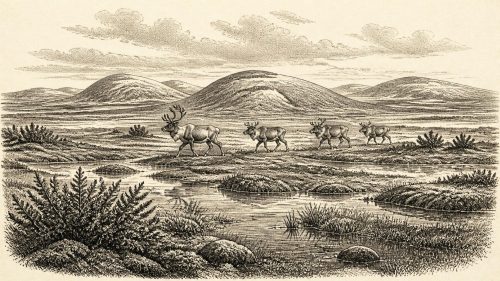
At approximately 30,940 BCE, Ireland’s history is reconstructed from environmental archives rather than annual records. Derryvree’s BIRM-166 sediments, broadly dated to 36,900–31,700 calibrated BP, preserve an ice-free interval between glacial deposits in Fermanagh. Their plants, insects and mosses indicate a cold, treeless freshwater wetland of sedges, grasses, pools and tundra-like ground. Crag Cave speleothems show repeated climatic fluctuations between milder and colder phases. Castlepook Cave fauna, including mammoth, reindeer and hyaena, demonstrates ecologically connected open habitats. A possibly tool-marked reindeer bone suggests, but cannot prove, an early human visit. Expanding ice soon increasingly transformed and buried these landscapes across Ireland.
Read Article

Archived: 21 September 2026
Abstract
At the notional date of 30,942 BCE, Ireland lay within the climatically unstable Late Pleistocene, not a precisely documented year. Derryvree, County Fermanagh, preserves freshwater sediments dated broadly to this period between glacial tills, proving local ice-free conditions but not island-wide deglaciation. Its plants, insects and sediments indicate a treeless, tundra-like wetland shaped by permafrost, meltwater and seasonal thaw. Crag Cave records milder intervals through stalagmite growth. Cave fauna, including mammoth, reindeer and hyaena, demonstrates intermittently viable open habitats. A possibly cut-marked reindeer bone suggests fleeting human presence, but neither settlement nor permanent occupation is established. Later ice obscured evidence.
Read Article
Archived: 21 September 2026
Abstract
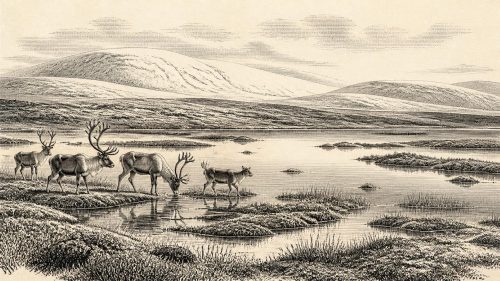
At 30,952 BCE, Ireland’s history can only be reconstructed through geological and environmental evidence, not annual events or written sources. Derryvree, County Fermanagh, preserves freshwater organic silts between glacial tills, demonstrating locally ice-free, cold, wet, largely treeless conditions during Marine Isotope Stage 3. Plants, insects and comparable sites show episodic glaciation; Crag Cave confirms intermittent liquid water. Castlepook Cave, County Cork, records a mixed Late Pleistocene fauna accumulated over millennia, including reindeer, mammoth and predators. A possibly tool-marked reindeer femur may indicate brief human activity, but cannot establish settlement. Expanding ice later transformed landscapes and obscured earlier traces across Ireland.
Read Article
Archived: 21 September 2026
Abstract
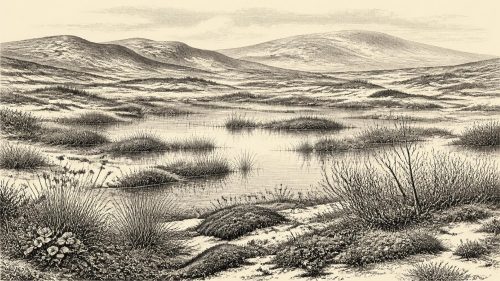
Labelled 30,958 BCE, this period cannot be dated precisely in Ireland, but falls within late Marine Isotope Stage 3. Derryvree, County Fermanagh, preserves freshwater sediments between glacial tills, dated broadly to 36,900–31,700 cal BP, proving a local ice-free interval before renewed glaciation. Mosses, sedges, aquatic plants and insects indicate cold, open tundra wetland. Cave evidence from Cork and Kerry confirms climatic fluctuations and a varied fauna, including reindeer, giant deer, predators and possibly mammoth. A marked reindeer bone may suggest Palaeolithic butchery, yet human occupation remains unproven. No political or social history is recoverable; climate, ice and ecology dominate record.
Read Article

Archived: 21 September 2026
Abstract
At about 30,962 BCE, Ireland lay within the climatically unstable MIS 3, before the Last Glacial Maximum. Derryvree’s Fermanagh freshwater deposits, sealed between glacial tills, document an interval of cold, largely open tundra and periglacial wetland conditions. Mosses, sedges, grasses and aquatic plants indicate pools, marshes and frost-affected ground, rather than familiar woodland. Crag Cave records episodic milder conditions, while Castlepook’s mixed fauna demonstrates cold-stage habitats supporting large mammals and predators. A possibly tool-marked reindeer bone suggests Upper Palaeolithic human activity, but remains unconfirmed and does not establish settlement. Later ice destroyed or buried much evidence, leaving exceptional environmental archives.
Read Article

Archived: 21 September 2026
Abstract
Around 30,966 BCE, Ireland lay within the climatically unstable Late Pleistocene MIS 3, not a dateable historical episode. Sediments at Derryvree, County Fermanagh, record a temporary ice-free freshwater environment between glacial advances, supporting tundra-like wetlands of sedges, mosses, bogbean, dwarf willow and other cold-adapted plants. Crag Cave indicates repeated milder and colder phases. Southern cave deposits show intermittent presence of mammoth, reindeer, giant deer, predators and scavengers, though chronology remains uncertain. No accepted evidence demonstrates human occupation. Expanding British-Irish ice repeatedly reshaped landscapes, while local refuges sustained vegetation and fauna. This was a dynamic, frost-bound environment, not documented human history.
Read Article
Archived: 21 September 2026
Abstract
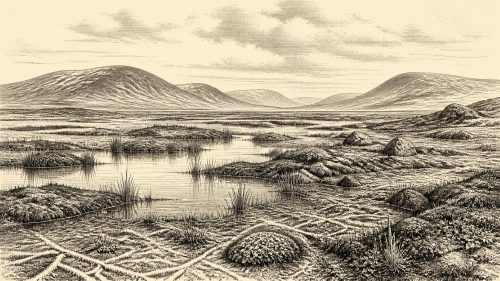
Around 30,980 BCE, Ireland experienced a variable MIS 3 cold phase rather than a datable historical year. At Derryvree near Maguiresbridge, freshwater sediments beneath later glacial till preserve evidence of locally ice-free tundra wetlands, with mosses, sedges and Arctic-alpine plants. Crag Cave indicates episodic milder conditions, while Castlepook Cave contains remains of mammoth, reindeer, giant deer, predators and other Ice Age fauna. A marked reindeer femur may indicate Upper Palaeolithic butchery, but cannot prove settlement or sustained occupation. Subsequent ice expansion reshaped landscapes and destroyed evidence. The period’s principal record is environmental, revealing changing habitats, animal movement and glacial instability.
Read Article

Archived: 21 September 2026
Abstract
The modern label 30,992 BCE cannot identify a precise Irish event, but overlaps the calibrated range of BIRM-166, a freshwater deposit at Derryvree, County Fermanagh. Sediments between tills show a locally ice-free MIS 3 interval, with treeless, sedge-rich wetland, pools, bogbean, mosses and cold-adapted insects. Ireland’s climate and ice cover varied regionally before the Last Glacial Maximum; Crag Cave records milder episodes. Castlepook Cave fauna demonstrates cold-stage reindeer, mammoth, giant deer, predators and lemmings, though deposits are not contemporaneous. A possibly cut-marked reindeer bone suggests, but cannot prove, human presence. Glacial erosion and disturbance limit conclusions; settlement evidence is absent.
Read Article

Archived: 21 September 2026
Abstract
Thirty thousand nine hundred and ninety-four BCE is best treated as a broad MIS 3 horizon, not a recorded Irish year. At Derryvree, Fermanagh, freshwater silts between glacial tills, dated roughly 31,700–36,900 years ago, preserve evidence of cold, open, wetland terrain. Other deposits and Kerry speleothems show repeated climatic shifts. Southern caves contain varied cold-stage fauna, including mammoth, reindeer, giant deer, predators and lemmings, though old collections require caution. A possibly cut-marked Castlepook reindeer bone may indicate human activity, but no settlement is known. Advancing ice, altered coasts and erosion made Ireland environmentally unstable and obscured earlier landscapes from view.
Read Article

Archived: 20 September 2026
Abstract
Around 31,010 BCE, Ireland’s history is reconstructed from environmental and archaeological evidence, not dated events. Derryvree, County Fermanagh, preserves freshwater wetland sediments between glacial tills, indicating cold, treeless, locally ice-free terrain with mosses, sedges, herbs and shallow pools during MIS 3. Crag Cave records episodic climatic improvement. Castlepook Cave, County Cork, contains a long-accumulated Ice Age fauna including mammoth, giant deer, reindeer, bear and hyaena, although species were not necessarily contemporary. Possible tool damage on one bone is inconclusive. No secure evidence exists for settlements, polities or sustained human occupation. Later ice buried or erased much of this fragmented record.
Read Article

Archived: 20 September 2026
Abstract
Labelled 31,016 BCE, this period cannot be reconstructed as a single year, but falls within a late Marine Isotope Stage 3 interval of the Midlandian glaciation. Derryvree, County Fermanagh, records an ice-free freshwater tundra episode between glacial advances, with mosses, sedges, cold-tolerant plants and northern insects indicating wet, treeless, strongly seasonal conditions. Castlepook Cave, County Cork, preserves a mixed cold-stage fauna including mammoth, reindeer, giant deer, hyaena and lemmings, though its deposits are cumulative. A marked reindeer femur may indicate brief human activity, not settlement. Ireland’s changing ice, sea and land conditions supported no known polity, agriculture or permanent occupation.
Read Article

Archived: 20 September 2026
Abstract
Labelled 31,030 BCE, this period is known only through broad archaeological and environmental evidence, not annual events. Derryvree, County Fermanagh, preserves freshwater deposits between glacier tills, indicating an ice-free interval within a fluctuating Midlandian glacial landscape. Fossils reconstruct wet, treeless tundra with cold-adapted plants, pools and seasonal thaw. Elsewhere, deposits and cave formations demonstrate changing regional climates. Castlepook Cave, County Cork, contains remains of mammoths, reindeer, predators and other cold-stage fauna, though its assemblage is chronologically complex. A possibly tool-cut reindeer bone suggests transient human contact, but no settlement is proven. Ireland’s record chiefly documents ice, ecosystems and human possibilities.
Read Article

Archived: 20 September 2026
Abstract
Around 31,031 BCE, Ireland’s history is reconstructed from uncertain geological and biological evidence rather than recorded events. Derryvree, County Fermanagh, preserves freshwater silts between glacial tills, indicating locally ice-free, cold tundra wetlands during part of MIS 3. Pollen, insects and sediments suggest treeless, waterlogged terrain shaped by severe seasonal conditions. Crag Cave confirms wider climatic instability. Castlepook Cave, County Cork, contains Late Pleistocene fauna, including reindeer, mammoth and predators, although its deposits are time-mixed. A possibly cut-marked reindeer bone may signal early human activity, but cannot prove settlement. Ice expansion destroyed evidence, leaving no basis for societies, trade or polities.
Read Article

Archived: 20 September 2026
Abstract
31,036 BCE is a modern notional date within Marine Isotope Stage 3, not a datable Irish event. Derryvree, County Fermanagh, preserves freshwater sediments between glacial tills, indicating an ice-free, treeless tundra wetland during a broad interval around 36,900–31,700 calibrated years ago. Castlepook Cave, County Cork, contains disturbed, long-accumulated remains of cold-stage mammals, including reindeer, mammoth, giant deer and predators. A deeply marked reindeer femur may record stone-tool butchery and a brief Upper Palaeolithic visit around 31,000 BC. However, it proves neither settlement nor continuity. These sparse archives document fluctuating ice, open habitats, animal movements and a cautiously inferred human action.
Read Article
Archived: 20 September 2026
Abstract
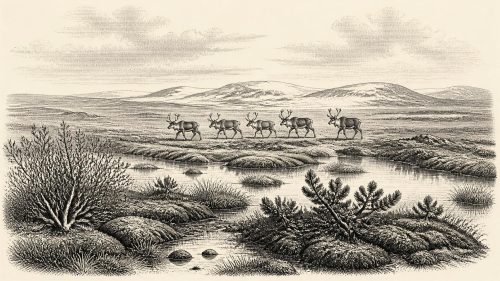
Although 31,048 BCE cannot be resolved as a specific Irish year, evidence places it within a fluctuating MIS 3 glacial environment. At Derryvree, County Fermanagh, organic deposits between tills indicate an ice-free interval with treeless freshwater wetland, mosses and cold-adapted plants. Crag Cave speleothems demonstrate climatic variability, while Castlepook Cave preserves MIS 3 remains of mammoth, reindeer, giant deer, predators and cold-country fauna. A possibly modified reindeer bone suggests early human activity, but does not prove settlement or continuous occupation. No political, cultural or economic history is recoverable. The period is understood through dates, sediments, fossils, deposits and ice margins.
Read Article

Archived: 20 September 2026
Abstract
Around 31,063 BCE, Ireland lay within the climatically unstable Marine Isotope Stage 3. No evidence identifies events in that precise year, and dates require broad calibrated ranges. Inter-till sediments at Derryvree, County Fermanagh, show episodic ice-free conditions, freshwater pools and treeless tundra vegetation. Crag Cave, County Kerry, preserves speleothem growth indicating intermittent liquid water and unfrozen ground. Castlepook Cave, County Cork, yielded diverse cold-climate fauna, although its bones do not prove human settlement. A possible cut-marked reindeer bone remains uncertain evidence of human activity. Expanding ice increasingly constrained habitats, while Ireland’s record survives chiefly in sediments, calcite and animal remains.
Read Article

Archived: 20 September 2026
Abstract
31,066 BCE is a modern label within a broad Late Pleistocene range, not a recoverable Irish year. Derryvree, County Fermanagh, preserves freshwater organic deposits between tills, indicating a locally ice-free, treeless, waterlogged tundra interval, though not conditions across Ireland. Crag Cave speleothems record alternating milder and colder MIS 3 phases as ice generally expanded. Castlepook Cave’s mixed, imperfectly recorded fauna, including reindeer, mammoth, giant deer and hyena, confirms episodic animal access. Lower seas altered connections with Britain and Europe. No securely dated human remains, artefacts, settlements or political history exist; Ireland’s evidence instead reveals climate, wetlands, fauna and advancing ice.
Read Article
Archived: 20 September 2026
Abstract
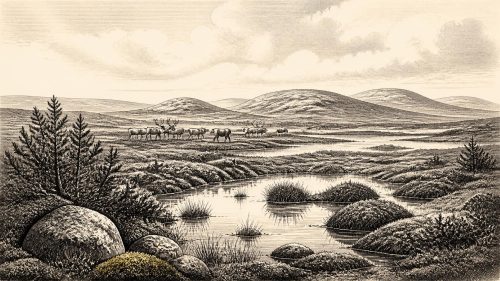
Labelled 31,076 BCE, this period cannot be tied to a specific Irish event, as dating relies on broad calibrated ranges. During Marine Isotope Stage 3, Ireland experienced changing ice margins, sea levels and intermittent ice-free terrain. Derryvree, County Fermanagh, preserves freshwater sediments between tills, indicating cold tundra wetlands during a non-glacial interval. Crag Cave records episodic wetter phases linked to climatic fluctuations. Castlepook Cave yielded diverse cold-adapted fauna and a reindeer femur possibly cut with a stone tool, suggesting brief human presence. However, no secure settlement evidence exists. These fragmentary archives reveal dynamic environments, not a dated historical narrative alone.
Read Article


