Archived: 17 October 2026
Abstract
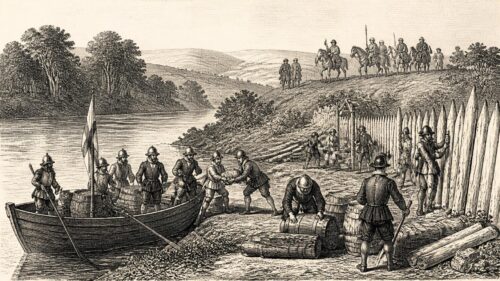
In 1566, conflict between Shane O’Neill and Elizabethan government made Ulster Ireland’s principal political and military crisis. O’Neill sought French aid, managed fraught relations with Scottish MacDonnells, was proclaimed traitor, and burned Armagh’s cathedral, a religious site also militarily contested. Lord Deputy Sir Henry Sidney campaigned through Ulster while Colonel Edward Randolph established a garrison at Derry to pressure O’Neill; Shane’s forces killed Randolph in November, exposing royal weakness. Deaths and successions among O’Donnells and Maguires reshaped regional alliances and prompted renewed raiding. The year demonstrated that crown expeditions, Gaelic lordship, local warfare, logistics, learning and landscape remained inseparably linked.
Read Article
Archived: 17 October 2026
Abstract
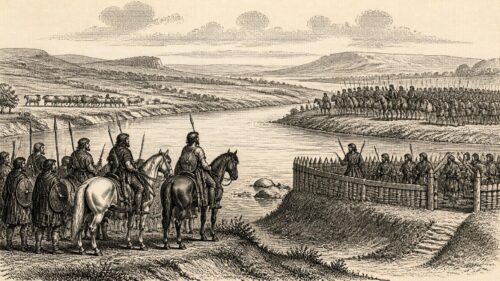
In 1564, Ireland experienced interconnected struggles over lordship, succession, tribute and fortified places rather than a unified war. Shane O’Neill, strengthened by Crown recognition but constrained by unresolved negotiations and Dublin’s weakness, raided Tír Chonaill, exploited O’Donnell divisions at Donegal, supported Hugh Boy O’Rourke in Breifne, and fought the MacDonnells near the Bann. His setback and ensuing truce demonstrated limits to his power; decisive MacDonnell defeats came later. In Thomond, rival O’Briens, mercenaries and raids devastated communities, cattle and church resources. Religious institutions remained politically important, while William Bathe’s birth reflected Dublin society. The year intensified conflicts without resolving them.
Read Article

Archived: 18 October 2026
Abstract
In 1555 An Calbhach Ó Domhnaill, aided by Archibald Campbell’s Scottish troops and artillery, overthrew and imprisoned his father Manus, lord of Tír Chonaill, initiating prolonged conflict and devastation in Donegal. The coup demonstrated Gaelic rulers’ reliance on maritime alliances, mercenaries, castles and gunpowder. Elsewhere, Hugh Ó Néill of Upper Clandeboye was killed by Scottish gunfire, amid enduring MacDonnell expansion in Ulster. Dublin’s authority remained limited, while annalistic dating of official campaigns requires caution. Marian restoration included papal recognition of Philip and Mary and St Patrick’s cathedral’s revival. Notices from Thomond and Youghal reveal negotiated regional politics and overseas links.
Read Article

