
Archived: 20 October 2026
Abstract
In 1445, Ireland’s fragmented political order was exposed by the burning of Sligo, attacked by O’Donnell, Maguire and discontented Ó Conchobhair kinsmen opposing Toirdhealbhach Carrach. Dynastic disputes also destabilised Annaly and West Breifne, where contested lordships prompted warfare, division or rival proclamations. Other annals record killings during raiding and travel, revealing pervasive local feud. English authority remained limited: John Talbot’s appointment as lieutenant did not bring immediate control, while Gaelic lords used written diplomacy and ecclesiastical seals. Irish nobles travelled to Santiago, clerics were commemorated, and Athenry’s Dominican friary housed thirty members, demonstrating religious networks amid conflict and political negotiation.
Read Article
Archived: 20 October 2026
Abstract
In 1439, Irish politics were shaped by local struggles over captives, castles, succession and recognition. Domhnall Ballach Maguire seized Tomás Óg Maguire at Enniskillen, securing his release only through hostages and control of the castle. Niall Garbh Ó Domhnaill died in English captivity, enabling Neachtan’s succession in Tír Chonaill, although sources dispute where he died. Cathal Ó Conchobair’s death triggered competing claims to Connacht’s kingship and warfare. Dublin suffered plague, while lordship changed through Donnchadh Dubh Ó hEadhra’s religious profession. A reported English deputy’s capture further illustrates fragmented authority, negotiated power and connections across Ireland and the Irish Sea alike.
Read Article

Archived: 20 October 2026
Abstract
In 1436, Ó Conchobhair Fáilghe launched raids against the English lordship, reportedly avenging the captivity of an Ó Domhnaill kinsman. English settlers of Meath, Ó Fearghail allies and the Prior of Kilmainham defeated him, though conflict continued. In Ulster, Niall Ó Néill was killed in a night attack, while Eóghan Ó Néill secured the crannóg of Loch Laoghaire before raiding Tírhugh. Annals also record local deaths and feuds. The deaths of jurist Gilla-Íosa Mac Aodhagáin and historian Geanann Mac Cruitín, alongside a 1436 Dindshenchas manuscript, attest to enduring learned culture amid fragmented, interconnected warfare and lordship across Ireland's political landscape.
Read Article
Archived: 20 October 2026
Abstract
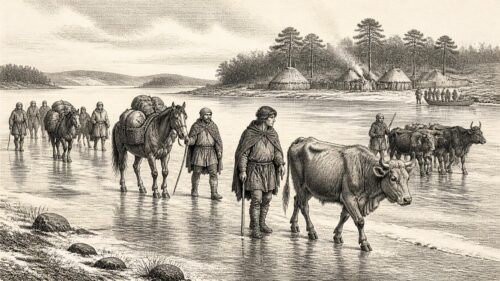
A Winter Made PassableFor Ireland, 1435 opened in a landscape temporarily remade by cold. The annals call it an exceptional frost: lakes and rivers were hard enough to be crossed on solid ice. The Annals of Ulster add an unusually vivid detail from Fermanagh. When Eóghan Ó Néill entered the region with an army, the people of Fir Manach moved cattle, horses carrying loads and other portable goods westward across Lough Erne—not in boats, but over the frozen lake. This was not merely a picturesque curiosity. It changed the practical geography of a frontier lordship. Water that normally protected communities,
Read Article
Archived: 20 October 2026
Abstract
In 1434, Eóghan Ó Néill of Tír Eóghain and Niall Garbh Ó Domhnaill of Tír Chonaill, recently rivals, led a broad Ulster coalition into the English lordship. They exacted tribute at Sradbaile, burned Sliabh Breagh and Oriel, and attacked Nobber Castle. Thomas Stanley’s mounted response allowed Ó Néill’s sons to withdraw safely but trapped Ó Domhnaill’s separated party seeking cattle. His heir Toirdhealbhach and other leaders died, while Niall Garbh was captured, enabling his brother Neachtan to rule. Annals also recorded deaths among churchmen and learned families. Late in the year, severe frost froze major lakes, disrupting life and travel.
Read Article
Archived: 20 October 2026
Abstract
In 1433, regional conflict, diplomacy, famine and patronage shaped Ireland. Eóin Ó Néill, aided by Mac Domhnaill’s Scottish fleet, campaigned against Niall Garbh Ó Domhnaill and MacQuillan in Dufferin, devastating creaghts and burning Ardglass. Negotiations by Niall Garbh’s wife and subordinate rulers halted a proposed attack, while subsequent travel produced peace at Caol Uisce. In Breifne, Mag Raghnaill factional warfare involved paid soldiers. Severe summer famine accompanied notable hospitality by Mag Uidhir and Margaret Ó Cearbhaill. Pope Eugenius IV licensed Franciscan Regular Observance at Quin, reinforcing Mac Conmara patronage and linking local lordship to wider ecclesiastical reform currents across Europe.
Read Article
Archived: 20 October 2026
Abstract
In 1423, Ireland was shaped by competing Gaelic lordships and a weakened English administration. Domnall and Eóghan Ó Néill, with Niall Garbh Ó Domhnaill, led an Ulster coalition through Louth into Meath, defeating forces associated with the king’s deputy and securing tribute and agreements. Niall Garbh also built Ath Seanaigh castle at Ballyshannon, reinforcing his new rule in Tír Chonaill after his father’s death. Dublin government was divided by disputes among Mortimer’s deputies and Richard Talbot. In Connacht, Uilleag de Burgh died, while Uí Maine underwent a violent succession. Clerical and scholarly obituaries reveal intertwined religious, hereditary and political authority.
Read Article
Archived: 20 October 2026
Abstract
In 1420, Irish political life combined warfare, negotiation, trade and royal administration. Brian Ó Conchobair built Bundrowes Castle beside the Drowes, provoking Ulster opposition and fighting around Assaroe, where Domnall Ó Domhnaill was killed and Niall Garbh escaped aboard a trading ship. Kinship disputes in Connacht brought murders, raids, captivity and settlements secured through lordly protections. Granard Castle was briefly seized, then demolished by Ó Fearghail. Dublin officials collected customs and administered justice and finance. Death notices linked leading families to churches, while violence reached sacred spaces. Annals also recorded wolves killing many people, revealing environmental danger amid political instability.
Read Article
Archived: 21 October 2026
Abstract
In 1419 Ireland experienced overlapping conflicts rather than a single national crisis. Eóghan Ó Néill, backed by northern allies, expelled Domnall Ó Néill from Tyrone, while Connacht forces burned Murbach and devastated Tírhugh. A major Connacht invasion of Clanricard ended in defeat at Bél Átha Lige, with heavy losses, captures and plunder. English lieutenant John Talbot’s administration seized Leinster’s Donnchadh Mac Murchadha, while Calbach Ó Conchobair escaped captivity. Succession disputes disturbed Breifne. Plague killed the scholar Dauid Ó Maolconaire; an unusually hot summer brought drought but abundant harvests. Deaths of poets, rulers and clerics highlighted patronage, learning and religious life.
Read Article

Archived: 21 October 2026
Abstract
In 1407, conflict, succession, learning and subsistence shaped Ireland’s localised political world. Tadhg Ó Cearbhaill of Éile was killed at Callan by Stephen le Scrope’s forces during wider Leinster–Munster struggles; annalists praised him as a leading military protector and patron of poets. In Connacht, rivals contested the kingship, and Cathal Ó Conchobair’s defeat at Cell Achaid brought captures and losses. Archbishop Muirchertach Ó Ceallaigh died at Tuam, remembered for wisdom, charity and learning. Northern captures, raids and internal violence exposed fragile alliances. Very bad weather and cattle losses damaged regional livelihoods, while warfare, church authority and cultural patronage remained intertwined.
Read Article
Archived: 21 October 2026
Abstract
In 1400, Irish annals recorded the capture of Dunamon Castle in Connacht by Mac an Abaidh Ó Conchobair, the death of a Burke, and the release of an Ó Cellaigh captive. Nearby, Grigoir Ó Maelchonaire, a learned heir, was accidentally killed; 126 cows were paid in compensation. Warfare devastated grain and seized horses in Tír Chonaill, while feuds, expulsions and deaths unsettled Ulaid and Breifne. Annals also note uncertain English intervention. Around Longford, the Ó Fearghail foundation of a Dominican priory reflected regional patronage. Collectively, these records reveal competing lordships, cattle-based restitution, agricultural warfare, learned status and uneven English authority.
Read Article

Archived: 23 October 2026
Abstract
In 1359 Cathal Óg Ó Conchobair defeated Cenél Conaill at Ballyshannon, capturing leading men and extending warfare into Tír Chonaill. The battle affected regional lordly networks across Connacht, Donegal and Breifne; the wounded claimant Matha Mag Samradháin later died. Ransom negotiations linked the victory to the transfer of Lebor na hUidre and Leabhar Gearr, demonstrating manuscripts’ political and learned value. In Desmond, Cormac Mac Carthaigh Mór died during a siege, succeeded by Domhnall Óg. Other deaths highlighted contested succession, while eminent judge Aed Mac Aedacáin’s death marked legal learning’s importance. James Butler became chief governor, reflecting Ireland’s divided political authority.
Read Article
Archived: 23 October 2026
Abstract
In 1356, Áed son of Toirrdelbach Ó Conchobair was killed at Baile Locha Deacair after allegedly abducting Donnchad Carrach Ó Cellaig’s wife, prompting allied retaliation by Ó Cellaig, Clann an Bhaird and Uí Maine. Áed son of Feidlim claimed full kingship of contested Connacht amid further dynastic deaths. Killings and successions elsewhere, including Tír Chonaill, reflected fragmented lordship. In Dublin, Justiciar Maurice fitz Thomas FitzGerald died, and Gearoidín Tyrrell was publicly executed. The deaths of Armagh’s primate, Clogher’s bishop and relic-keeper Solam Ó Melláin marked ecclesiastical losses. Sources document political violence but cannot establish precise circumstances or wider economic conditions.
Read Article
Archived: 23 October 2026
Abstract
In 1352, annals from Connacht and later Four Masters record violent contests for lordship across Connacht, Breifne and Tír Chonaill. Aodh mac Toirdelbach Ó Conchobair forcibly recovered Connacht’s kingship against Gall and Gael, amid associated killings, and breached Baile an Dúin, destroying cattle and sheep. In Breifne, Aodh Ó Ruairc and his Clann Suibhne gallóglaigh were killed, while further deaths exposed unstable leadership. Aengus Ó Domhnaill’s treacherous killing triggered disputed succession in Tír Chonaill. Notices of captains, nobles and patrons reveal intertwined warfare and cultural support. Recent plague formed the background, but evidence does not establish a 1352 nationwide outbreak.
Read Article

Archived: 23 October 2026
Abstract
In 1339, Ireland endured severe frost and snow that damaged livestock and winter crops, while warfare in Meath ruined grainlands and caused famine. Political violence accompanied hardship: Ruaidhrí Ó Cellaigh, king of Uí Maine, was killed, and Toirdhealbhach Ó Conchobhair reshaped Connacht alliances through marriage, repudiation and pressure upon Edmund Albanach Burke. Northern campaigning by Aodh Reamhar Ó Néill brought further deaths, while Tomás Mag Samhradháin was released from captivity. Despite instability, Fergal Muimhneach Ó Duibhgeannáin erected Kilronan church. In Dublin, Edward III’s administration briefly minted silver coinage, thereby linking local society to royal fiscal demands amid wider Anglo-French war.
Read Article
Archived: 23 October 2026
Abstract
In 1336, Connacht remained fragmented after William de Burgh’s murder, as Gaelic and Anglo-Irish lords pursued raids, alliances and territorial advantage. Tomaltach Mac Diarmata of Moylurg died and was buried at Boyle Abbey, succeeded by Conchobar. Forces led by Toirrdelbach Ó Conchobair captured and destroyed Mac Goisdelb’s Great Castle, allowing its mercenary garrison safe departure. Ruaidhri Ó Ceallaigh, king of Uí Maine, was killed, while Toirrdelbach reshaped alliances through marriage. Edmund Mac William de Burgh was expelled. Warfare reached Tír Chonaill. Legal scholar Trinnoit Ó Naan died. Severe snow and frost devastated cattle and winter growth, straining communities across Ireland.
Read Article
Archived: 24 October 2026
Abstract
In 1295, Ireland remained divided among Anglo-Irish lordships, Gaelic kingdoms and church lands, where authority depended on negotiation, hostages and armed force. At Kilkenny, Richard de Burgh, the Red Earl, was released after hostages guaranteed a settlement with John fitz Thomas FitzGerald. Thomas fitz Maurice, acting as royal keeper, secured temporary submissions from Wicklow groups through fines and hostages. John Wogan became justiciar, tasked with preparing Irish resources for Edward I’s Scottish war. Annals also record dynastic killings, contested successions, plunder and expulsions in northern and southern regions, revealing persistent regional conflict despite royal efforts to restore order and stability.
Read Article
Archived: 24 October 2026
Abstract
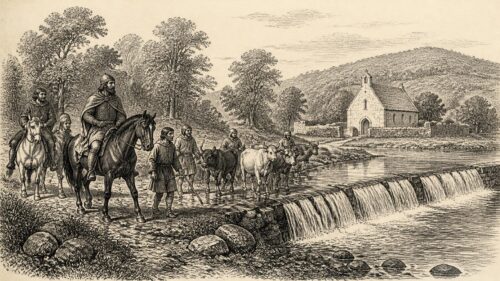
In 1291 Ireland’s most consequential recorded developments lay in the north and west: the campaigning of Richard de Burgh, earl of Ulster, known to later history as the Red Earl; disputed kingships among the Ó Néill, Ó Domnaill and Ó Conchobair; and a sharp Connacht struggle centred on the weir at Collooney. These events are principally preserved in Irish annals, which organise material by year but do not normally supply dates or a dependable sequence within the year. The campaigns and battles described below can therefore be responsibly assigned to 1291, while their precise seasons and order cannot. Royal administrative
Read Article
Archived: 25 October 2026
Abstract
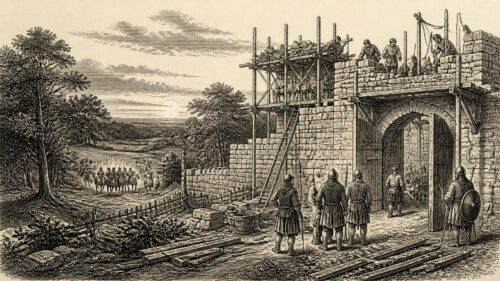
In 1280 Ireland saw conflicts exposing authority. In Thomond, Thomas de Clare’s attempt to establish a castle at Cuinche, near Quin, was devastated by a night attack led by Tairdelbach and Domnall Ó Briain; de Clare escaped to Bunratty, though Quin was completed later. In Connacht, Áed Muimhnech Ó Conchobair was killed during dynastic struggle, and Cathal Ó Conchobair gained kingship. Máel Sechlainn Ó Conchobair was ransomed for 400 cattle and 20 horses, illustrating livestock’s political value. Annals noted deaths of churchmen and Desmond barons. Together, these events reveal contested lordship, resilient Gaelic power, dynastic rivalry, and embedded religious institutions.
Read Article
Archived: 25 October 2026
Abstract
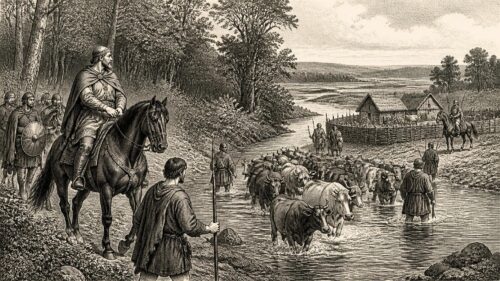
In 1262, Ireland experienced interconnected conflicts and negotiations across Connacht, Annaly, Munster and church politics. Fedlimid Ó Conchobair and his son Áed resisted forces led by Mac William de Burgh, the justiciar and John de Verdun, safeguarding cattle, devastating enemy territory and making a temporary peace. Roscommon was selected for a future royal castle. In Annaly, Gilla na Naem Ó Fergail regained lordship after local defections. Mac Carthaig defeated an expedition at Mangerton, but Cormac Mac Carthaig died. Munster endured further raids. At Drogheda, Archbishop Máel Pátraic Ó Scannail reinforced Armagh’s jurisdiction over Meath, while Dublin disputes exposed urban tensions.
Read Article

Archived: 25 October 2026
Abstract
In 1246, newly built Sligo Castle became a focus of conflict between Maurice FitzGerald's expanding Anglo-Irish power and Máel Sechlainn Ó Domhnaill of Tír Chonaill. After attackers burned Sligo's enclosure but failed to seize the castle on 1 November, its garrison hanged two hostages, Ó Domhnaill's foster-father and foster-brother. FitzGerald also sought to reshape northern politics through Cormac Ó Conchobair and hostage-taking. Elsewhere during that turbulent year, John Fitz Geoffrey became justiciar; Connacht dynastic prisoners escaped, were recaptured, or were killed; bishops changed at Elphin and Armagh; Drumlane burned; Oriel suffered violence; and a stranded whale enriched coastal Sligo communities.
Read Article


