
Archived: 19 September 2026
Abstract
About 31,194 BCE is a modern chronological label, not a recorded Irish year. Ireland then lay in the Middle Midlandian cold stage, before maximum glaciation, with variable tundra-steppe, wetlands and sparse vegetation. Derryvree deposits in Fermanagh provide environmental evidence for this harsh, ice-free or ice-marginal landscape. Castlepook Cave near Doneraile contains remains of mammoth, reindeer, giant deer and other cold-climate animals, accumulated across long periods. A marked reindeer femur, possibly cut by a stone tool, suggests a brief Upper Palaeolithic human visit, but cannot prove settlement. Glaciation, erosion and rising seas have left Ireland's human record fragmentary, provisional and unresolved.
Read Article

Archived: 19 September 2026
Abstract
31,197 BCE is a modern label within a broad Late Pleistocene interval, not a date for a known Irish event. At Derryvree, County Fermanagh, freshwater silts between glacial tills show locally ice-free conditions around 36,900–31,700 calibrated years ago, before maximum glaciation. Fossils indicate treeless, waterlogged tundra supporting low plants, insects and aquatic life. Castlepook Cave, County Cork, preserves remains of mammoths, reindeer, giant deer and predators, demonstrating changing cold-stage fauna. A possibly butchered reindeer bone suggests, but does not prove, human visitation. Ireland was an environmentally variable periglacial landscape, later extensively reshaped by expanding ice during the Last Glacial Maximum.
Read Article

Archived: 19 September 2026
Abstract
31,232 BCE is a label within a broad Late Pleistocene range, not a datable Irish event. At Derryvree, County Fermanagh, freshwater silts between glacial tills record an ice-free interval, dated roughly 36,900–31,700 calibrated years before present. Plants, insects and sediments indicate cold, treeless tundra wetlands with pools, mosses and sedges, demonstrating ecosystems rather than uniform lifelessness. Castlepook Cave fauna shows that cold-stage mammals reached Ireland, although remains accumulated across periods. A cut-marked reindeer femur may indicate Upper Palaeolithic human activity, but proves neither settlement nor occupation. No evidence establishes polities, farming, monuments, trade or practices; climate shaped this Atlantic frontier.
Read Article
Archived: 18 September 2026
Abstract
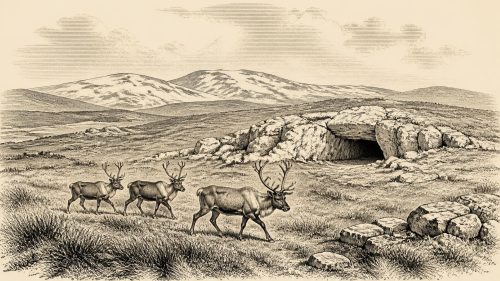
Around 31,252 BCE, Ireland lay within the variable cold conditions of Marine Isotope Stage 3, without recorded peoples, settlements or institutions. Cave fauna at Castlepook, County Cork, including reindeer, mammoth and hyaena, indicates diverse cold-stage habitats. A reindeer femur bears an incision interpreted as a possible stone-tool cut, suggesting a brief Upper Palaeolithic human visit, but not permanent occupation. Poor early excavation records and absent associated tools require caution. Fermanagh wetland sediments and Kerry speleothems show fluctuating climates before expanding ice sheets. Secure evidence of human presence comes far later, while sustained settlement began in the Mesolithic after 8000 BCE.
Read Article
Archived: 18 September 2026
Abstract
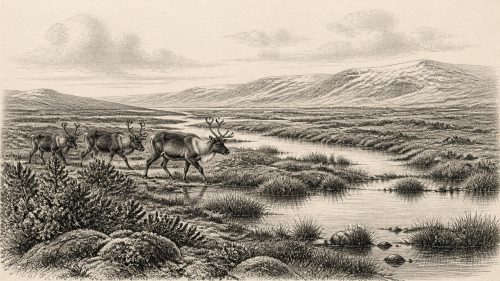
31,272 BCE is a notional date within uncertain Late Pleistocene chronologies, roughly 33,200 years before 1950. Derryvree, County Fermanagh, preserves freshwater organic deposits between glacial tills, indicating an open, treeless, sedge- and moss-rich wetland with pools, short growing seasons and periglacial cold during unstable MIS 3 conditions. Castlepook Cave, County Cork, contains remains of mammoth, reindeer, giant deer, hyaena and other fauna, showing intermittent habitats for cold-stage animals. A cut-marked reindeer bone may indicate early human butchery, but cannot prove settlement. No political, cultural or economic institutions are evidenced; Ireland’s recoverable history is environmental and fragmentary rather than event-based narrative.
Read Article
Archived: 18 September 2026
Abstract
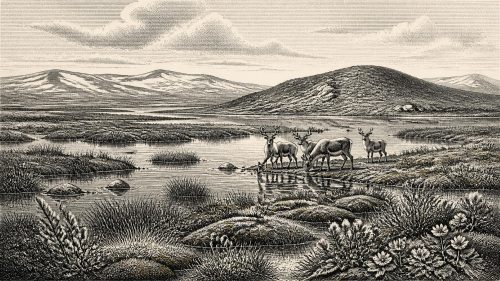
Around 31,289 BCE, Ireland’s history is reconstructed from uncertain Pleistocene environmental evidence, not recorded events. Derryvree in Fermanagh preserves organic freshwater sediments between glacial tills, indicating a cold, treeless, periglacial wetland with sedges, mosses, aquatic plants and seasonal frost. Comparable northern deposits demonstrate repeated ice advances and ice-free intervals. Castlepook Cave in Cork yielded MIS 3 fauna, including reindeer, mammoth, giant deer and hyaena. A possibly cut-marked reindeer bone suggests human carcass processing, but does not prove settlement. No identifiable societies, institutions, beliefs or continuous human occupation can be established; the evidence securely depicts a changing, wildlife-rich Ice Age landscape.
Read Article
Archived: 18 September 2026
Abstract
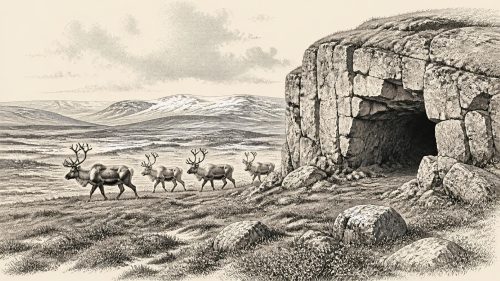
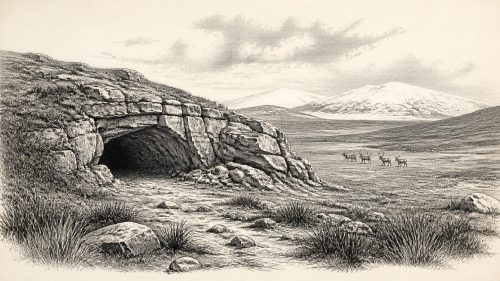
31,294 BCE is best treated as an approximate point within Ireland’s late Marine Isotope Stage 3, not a recoverable historical year. Cold, changing landscapes, lowered seas and expanding ice shaped an uncertain geography. Castlepook Cave, County Cork, preserves fauna including mammoth, giant deer, reindeer, bear and spotted hyena, demonstrating links with wider northern European ecosystems over millennia. A reindeer femur dated about 31,000 BC bears a possible stone-tool cut mark, suggesting brief Upper Palaeolithic human activity. However, no associated tools, hearths or settlements exist. Excavation disturbed evidence, but renewed dating, analyses and fieldwork may identify intact deposits, clarifying human presence.
Read Article
Archived: 18 September 2026
Abstract
31,328 BCE is a label for a fluctuating later MIS 3 environment, not a recorded Irish event. Ireland experienced cold conditions as ice expanded before the Last Glacial Maximum, while southern habitats at times supported mammoth, giant deer, reindeer, bears, hyaenas and cold-adapted fauna. Castlepook Cave, County Cork, preserves mixed deposits spanning periods, making it valuable but limited. A reindeer femur bearing a possible stone-tool cut mark may indicate Ireland’s earliest human activity, though it lacks context and associated artefacts. Human presence may have been intermittent. No evidence supports settlements, polities, trade or population continuity; environmental change dominates the period.
Read Article

Archived: 18 September 2026
Abstract
At the notional date of 31,342 BCE, Ireland lay within climatically unstable Marine Isotope Stage 3, not a year capable of precise historical dating. Derryvree, County Fermanagh, preserves wetland sediments between glacial tills, demonstrating a locally ice-free interval with treeless tundra vegetation, freshwater and severe seasonal cold. Castlepook Cave, County Cork, contains MIS 3 fauna including reindeer, mammoth and predators. An incised reindeer femur may indicate Upper Palaeolithic butchery, but cannot establish settlement or continuous occupation. Fragmentary evidence permits no conclusions about society, beliefs or politics. These sites instead reveal changing habitats, mobile animals and a possible brief human presence.
Read Article
Archived: 18 September 2026
Abstract
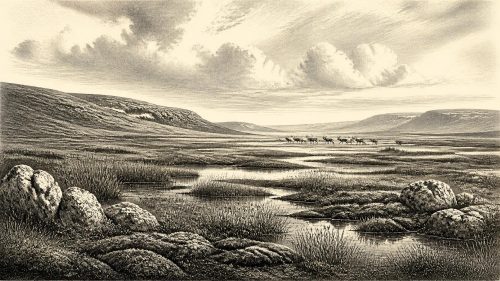
Circa 31,353 BCE, Ireland lay within an unstable Late Pleistocene cold phase, not a datable historical year. Derryvree, County Fermanagh, preserves a wetland between glacial tills, dated broadly enough to encompass this period, indicating open, treeless tundra with freshwater habitats, grasses, sedges, mosses and cold-adapted plants. Castlepook Cave, County Cork, yielded mammoth, reindeer, giant deer and predators, demonstrating intermittent cold-open habitats and ecological links with north-western Europe. An incised reindeer femur may record stone-tool butchery and brief Upper Palaeolithic human presence, but cannot prove settlement. Glaciation, erosion and sea-level change likely destroyed evidence, requiring cautious interpretation of Ireland's early record.
Read Article

Archived: 17 September 2026
Abstract
31,356 BCE is not a recorded year but falls within MIS 3 during the Last Glacial Period. At Derryvree, County Fermanagh, inter-till freshwater sediments radiocarbon dated broadly to 36,900–31,700 calendar years before present preserve evidence of treeless, cold, wet tundra, pools and herb-rich vegetation during an ice-free interval. Southern caves, especially Castlepook, indicate a diverse cold-stage fauna including mammoth, reindeer, giant deer, predators and lemmings, although dates and occupations varied. A possibly cut-marked reindeer bone suggests transient Upper Palaeolithic human activity, not settlement. Lower sea levels and fluctuating ice created shifting access and habitats, leaving Ireland environmentally dynamic but elusive.
Read Article
Archived: 17 September 2026
Abstract
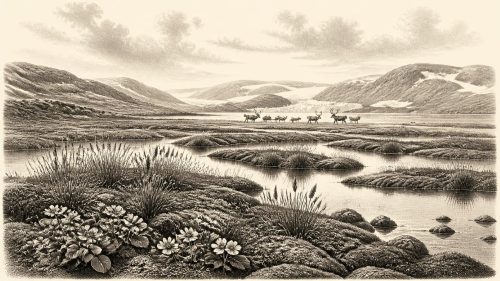
31,360 BCE is a modern label within unstable Marine Isotope Stage 3, rather than a precisely identifiable Irish year. At Derryvree, County Fermanagh, freshwater sediments between glacial tills record a locally ice-free, treeless tundra wetland, dated broadly to this period. Macrofossils, mosses and insects indicate cold-adapted herbs, sedges, pools and damp ground. Ireland’s ice cover and exposed sea routes varied regionally. Castlepook Cave, County Cork, preserves MIS 3 remains of mammoth, reindeer, giant deer, bear and hyaena. A possibly stone-cut reindeer femur may indicate transient human butchery, but no contemporary settlement, tools or other secure evidence confirms human occupation there.
Read Article

Archived: 17 September 2026
Abstract
Circa 31,365 BCE, Ireland lay within the climatically unstable Late Pleistocene, before the Last Glacial Maximum. Dates are approximate, reflecting calibrated radiocarbon uncertainties and disturbed cave deposits. Derryvree sediments show locally ice-free treeless tundra, wetlands and harsh periglacial conditions. Castlepook Cave yielded mammoth, reindeer, giant deer and carnivore remains, indicating intermittent animal access to open landscapes. A deeply incised reindeer femur may record stone-tool butchery, potentially Ireland’s earliest human trace, but cannot prove settlement. No securely associated tools, hearths, dwellings or burials survive. The evidence instead portrays a fragmented archive of changing ice, sea levels, habitats and possible human visits.
Read Article
Archived: 17 September 2026
Abstract
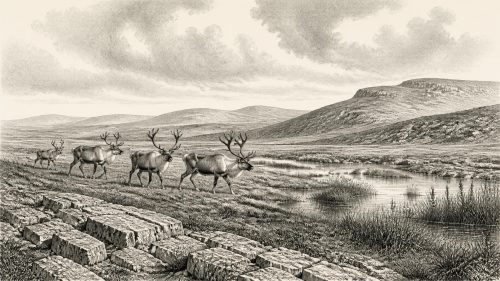
31,374 BCE cannot be treated as a precisely datable Irish event, but belongs to the unstable, cold later Marine Isotope Stage 3, before the Last Glacial Maximum. Castlepook Cave, County Cork, preserves re-dated remains of mammoth, giant deer, reindeer, carnivores and lemmings, demonstrating varied open, wetland and tundra-like habitats. Deposits elsewhere confirm ecological diversity, although ice, erosion and rising seas have fragmented evidence. A possibly cut-marked reindeer femur may indicate fleeting human activity, but its old collection context prevents certainty. Ireland has no secure evidence then for settlement, society or continuous occupation; caves chiefly record animal communities and environmental change.
Read Article

Archived: 17 September 2026
Abstract
31,378 BCE is a modern label for a climatically unstable phase of Marine Isotope Stage 3, rather than a recoverable Irish year. Ireland had variable ice cover, open tundra-steppe, wetlands and changing coastlines, with freshwater evidence at Derryvree and Greenagho indicating intermittent ice-free conditions. Castlepook Cave, County Cork, preserves remains of reindeer, mammoth, giant deer and predators. A reindeer femur, reportedly bearing a possible stone-tool cutmark, may record brief Upper Palaeolithic human activity around 33,000 years ago. However, disturbed contexts and absent tools, hearths or settlements prevent conclusions. The evidence documents an environment and fauna, while human presence remains uncertain.
Read Article

Archived: 17 September 2026
Abstract
31,397 BCE is a label rather than a datable Irish year. During volatile MIS 3, Ireland comprised cold landscapes, including Fermanagh tundra wetlands documented at Derryvree and milder conditions indicated by Kerry speleothems. Castlepook Cave in Cork produced remains of reindeer, mammoth, giant deer, predators and cold-adapted fauna, accumulated across periods. A marked reindeer femur, perhaps cut by a stone tool, may signal an Upper Palaeolithic human visit, but cannot establish settlement or continuity. Later glaciation destroyed evidence. No polity, trade, farming or cultural system is demonstrable; surviving deposits instead reveal evidence of Ice Age environments and possible human visits.
Read Article

Archived: 17 September 2026
Abstract
31,406 BCE is a modern label within Marine Isotope Stage 3, not a precisely recoverable Irish year. Derryvree, County Fermanagh, preserves pre-glacial wetland sediments indicating open, treeless, tundra-like ground with grasses, sedges, mosses, herbs and freshwater habitats. Castlepook Cave, County Cork, contains mixed, long-accumulated faunal remains, including reindeer, mammoth, giant deer, hyaena, wolves, foxes and lemmings, evidencing cold open landscapes. A marked reindeer femur may indicate Upper Palaeolithic butchery, but cannot establish settlement or continuous occupation. No tools, hearths, burials or social institutions are securely known. Later glaciation and mixed deposits limit certainty, revealing active ecosystems rather than historical society.
Read Article

Archived: 17 September 2026
Abstract
At notional 31,416 BCE, Ireland cannot be described through calendar-year history but broad late MIS 3 environmental evidence. Derryvree, County Fermanagh, preserves freshwater organic sediments between glacial tills, indicating a cold, treeless, wet tundra or muskeg interval between ice advances. Plants, insects and pollen suggest sedges, mosses, herbs and shallow pools in a severe periglacial climate. Cave deposits at Castlepook record open-country fauna including reindeer, mammoth, giant deer, predators and lemmings, though not contemporaneous communities. A marked reindeer bone may indicate brief Upper Palaeolithic human activity, but no secure settlement evidence exists. Climatic instability and advancing ice defined this landscape.
Read Article
Archived: 17 September 2026
Abstract
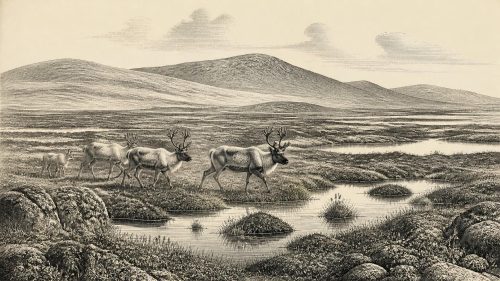
31,453 BCE is a modern reference rather than a recorded Irish year. During unstable Marine Isotope Stage 3, Ireland experienced variable, local conditions rather than uniform ice cover. Freshwater deposits at Derryvree and Greenagho indicate ice-free, treeless tundra wetlands during intervals, while Crag Cave confirms episodic milder conditions supporting flowing water. Castlepook Cave preserves remains of mammoth, giant deer, reindeer, bears and hyenas, though mixed deposits limit precise reconstruction. A cut-marked reindeer bone may indicate brief Upper Palaeolithic human activity, not settlement. No contemporary houses, tools, burials, communities, politics or culture are securely known. Ireland was a frontier for fauna.
Read Article
Archived: 17 September 2026
Abstract
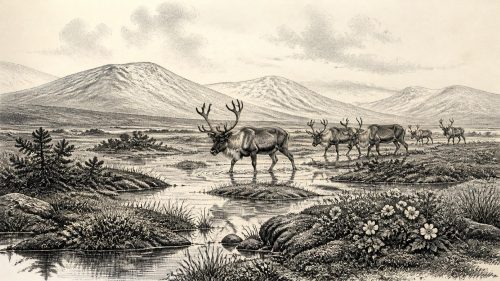
31,471 BCE is a modern retrospective date, not an identifiable Irish event. Derryvree, County Fermanagh, preserves freshwater sediments between glacial tills, dated broadly to 36,900–31,700 years before present. Its plants, insects and sediments indicate an ice-free but cold periglacial wetland of pools, sedges, mosses, herbs and open ground during an unstable Ice Age. Lower sea levels reshaped Ireland and surrounding routes, while later ice expansion transformed the landscape. Castlepook Cave, County Cork, records diverse cold-adapted fauna, including mammoth and reindeer. A possibly stone-cut reindeer bone suggests brief Upper Palaeolithic human visitation, but neither settlement nor social organisation is securely evidenced.
Read Article

Archived: 17 September 2026
Abstract
31,472 BCE is a modern label within a broad Late Pleistocene dating range, not a recoverable Irish historical year. Derryvree, County Fermanagh, preserves freshwater sediments between glacial tills, indicating locally ice-free, treeless tundra with sedges, mosses and wet hollows during MIS 3. Castlepook Cave, County Cork, contains diverse cold-stage fauna, including reindeer, mammoth, giant deer, predators and lemmings, though its bones accumulated over long periods. A marked reindeer femur may indicate human butchery around 31,000 BC, but cannot prove settlement. Ireland was climatically unstable, intermittently accessible and increasingly affected by advancing ice, known only through fragmentary environmental and archaeological evidence.
Read Article

Archived: 17 September 2026
Abstract
31,474 BCE is a modern label rather than a recoverable Irish year, corresponding roughly to 33,400 calibrated years before present in climatically unstable MIS 3. Derryvree, County Fermanagh, preserves sediments between glacial tills, dated broadly 36,900–31,700 cal BP, revealing treeless tundra wetlands with grasses, sedges, juniper, insects and seasonal freshwater. Castlepook Cave, County Cork, yielded bones of mammoth, giant deer, reindeer, bear and hyaena, though its mixed deposits cannot establish contemporaneity. No secure evidence proves human settlement, culture or economy. A possibly tool-marked reindeer bone may indicate brief human presence. Later glaciation obscured much evidence from this shifting ice-age frontier.
Read Article

Archived: 17 September 2026
Abstract
Around 31,485 BCE, Ireland lay within the climatically unstable Middle Midlandian/MIS 3, not a historically datable year. Evidence from Derryvree indicates wet, open tundra environments before later ice advances, while Crag Cave speleothems show intermittent milder, above-freezing conditions. Castlepook Cave preserves a long, mixed faunal record, including mammoth, reindeer, giant deer, bear and hyena, demonstrating periodically accessible, productive open landscapes before the Last Glacial Maximum. A reindeer femur, about 33,000 years old, bears a possible stone-tool cut mark and may signal brief Upper Palaeolithic human presence. However, disturbed deposits and absent associated artefacts preclude claims for permanent settlement or society.
Read Article

Archived: 17 September 2026
Abstract
Around 31,498 BCE, Ireland cannot be described through precise dates or written history, but environmental evidence reveals a variable late-Pleistocene landscape. Organic silts at Derryvree, County Fermanagh, indicate an ice-free freshwater wetland with treeless tundra vegetation, mosses, sedges and northern insects during part of MIS 3. Other deposits suggest regional, rather than continuous, ice cover. Castlepook Cave, County Cork, preserves fauna including mammoth, reindeer, giant deer, hyaena, Arctic fox and lemmings, demonstrating open, cold habitats. A possibly cut-marked reindeer bone may indicate Upper Palaeolithic human activity, but cannot prove settlement. Later ice expansion destroyed or buried much evidence from landscapes.
Read Article

Archived: 17 September 2026
Abstract
Around 31,505 BCE, Ireland lay within a cold, unstable Middle Upper Palaeolithic landscape, before the Last Glacial Maximum. Evidence from Derryvree, County Fermanagh, records freshwater wetlands amid open, treeless tundra-like terrain, with grasses, sedges, juniper, mosses and cold-adapted insects. Castlepook Cave in County Cork preserves a mixed fauna including mammoth, giant deer, reindeer, horse, wolves and hyaenas, indicating a diverse cold-stage ecology. A marked reindeer femur, dated approximately 33,000 years ago, may show stone-tool processing by humans. However, its interpretation remains uncertain, and no settlement, tools, burials or other unequivocal evidence establishes human occupation. This evidence indicates possibility, not habitation.
Read Article

Archived: 16 September 2026
Abstract
31,551 BCE represents a broad later Middle Midlandian, Marine Isotope Stage 3 interval, rather than a dateable Irish year. At Derryvree, County Fermanagh, freshwater organic sediments between glacial tills indicate a locally ice-free cold phase, broadly dated 36,900–31,700 calibrated years BP. Pollen and plant remains describe treeless, wet, frost-affected terrain with grasses, sedges, juniper and arctic-alpine flora. Southern cave faunas include reindeer, mammoth, giant deer, bear, fox and hyaena, but their associations remain uncertain. A possibly cut-marked reindeer femur from Castlepook suggests a provisional early human visit, not settlement. Glacial erosion, inundation and poor preservation limit reconstruction of Ice-Age Ireland.
Read Article

Archived: 16 September 2026
Abstract
Around 31,557 BCE, Ireland lay within the unstable later Pleistocene climate of Marine Isotope Stage 3, not a documented historical era. At Derryvree, County Fermanagh, freshwater sediments between tills reveal a locally ice-free, treeless muskeg of mosses, sedges and cold-adapted plants during an interval between glacier advances. Castlepook Cave, County Cork, preserves evidence of diverse fauna, including mammoth, reindeer, giant deer, predators and scavengers, indicating open steppe-tundra habitats at different times. A possibly tool-marked reindeer femur may suggest brief human activity, but lacks associated archaeology. Environmental change, animal movements and uncertain human presence define this remote period in Irish prehistory.
Read Article

Archived: 16 September 2026
Abstract
31,575 BCE is a label for a late-Pleistocene interval, not a datable Irish event. Derryvree, County Fermanagh, preserves wetland deposits dated broadly to 36,900–31,700 cal BP, indicating treeless, cold, plant-rich terrain between glacial advances. Castlepook Cave, County Cork, contains MIS 3 remains of mammoth, reindeer, giant deer, predators and Arctic fauna, accumulated over time rather than contemporaneously. A cut-marked reindeer femur may indicate human butchery, but cannot establish settlement, chronology or continuous occupation. Lower seas may have aided movement, yet routes remain unknown. Ice expansion reshaped Ireland and destroyed sites, leaving evidence of habitats, animal movement and possible human presence.
Read Article

Archived: 16 September 2026
Abstract
Thirty-one thousand five hundred and eighty-three BCE is a label within Marine Isotope Stage 3, not a recoverable Irish year. At Derryvree, Maguiresbridge, freshwater silts between glacial tills, radiocarbon dated to 36,900–31,700 calibrated BP, show that north-central Ireland intermittently supported cold tundra wetlands, vegetation and animals before ice advance. Comparable deposits demonstrate fluctuating climates. Castlepook Cave preserves remains of mammoth, reindeer, giant deer, predators and cold-adapted fauna, although its mixed deposits cannot represent one moment. A marked reindeer femur may indicate early human butchery, but lacks context. Evidence confirms a dynamic glacial-edge landscape, not permanent settlement or a land bridge.
Read Article
Archived: 16 September 2026
Abstract
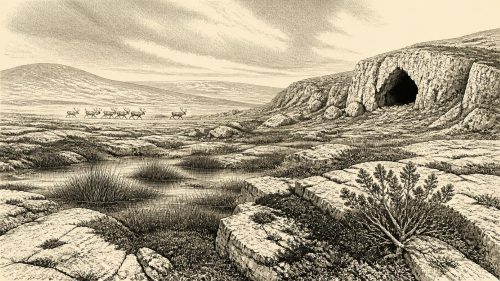
31,586 BCE is only a filing label for a broad, uncertain interval during Marine Isotope Stage 3, when Ireland was cold, treeless and approaching glaciation. Wetlands at Derryvree indicate sedge-rich, muskeg-like habitats amid open ground, ponds and seasonal freezing. Castlepook Cave in County Cork preserves mixed animal remains accumulated over many episodes, including reindeer, mammoth, giant deer, bear, hyaena, wolf, Arctic fox and lemmings. A marked reindeer femur may indicate human butchery, but cannot prove settlement or continuity. No evidence supports farming, institutions or culture. The record instead reveals a changing tundra-like landscape, rich in mammals and possible human visits.
Read Article

