Castle Letters(c.1750s)
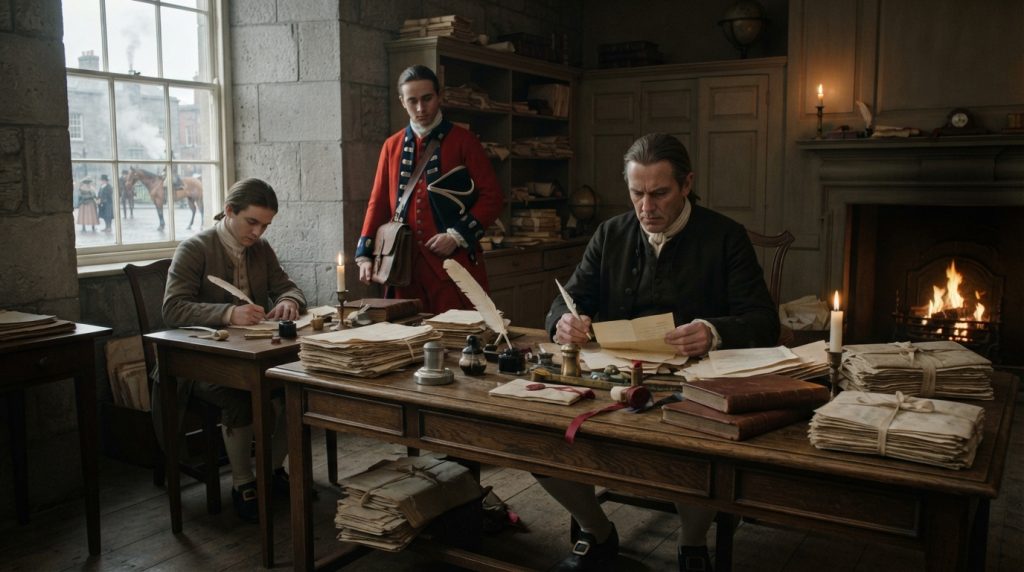
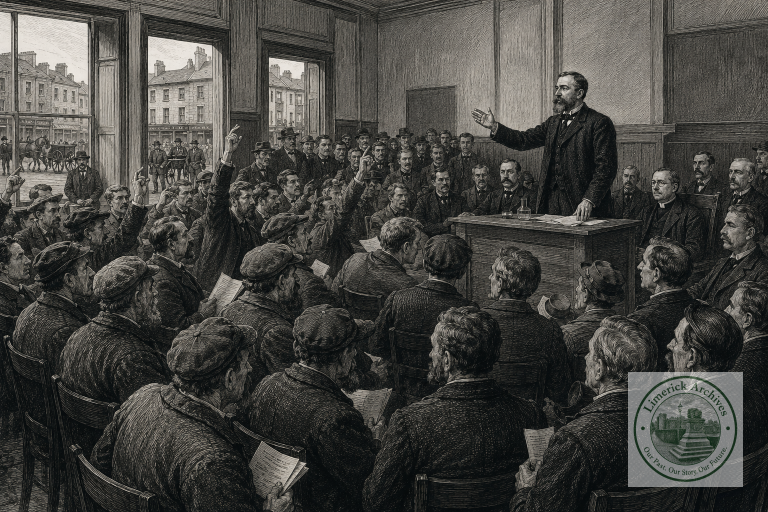
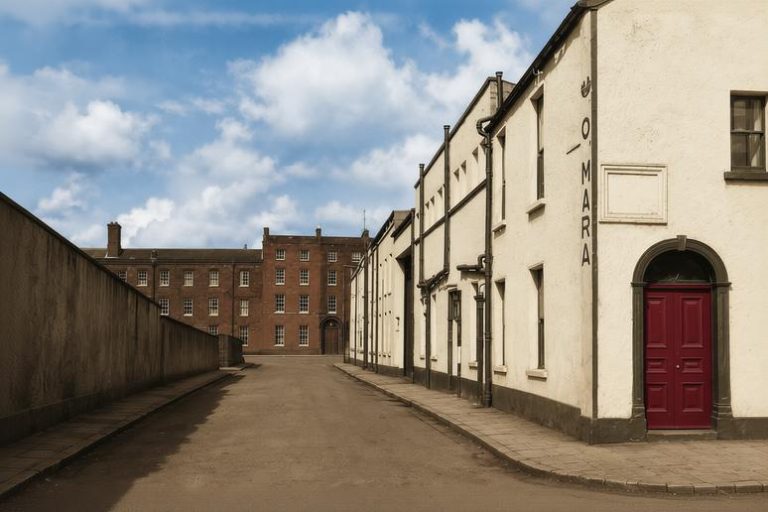
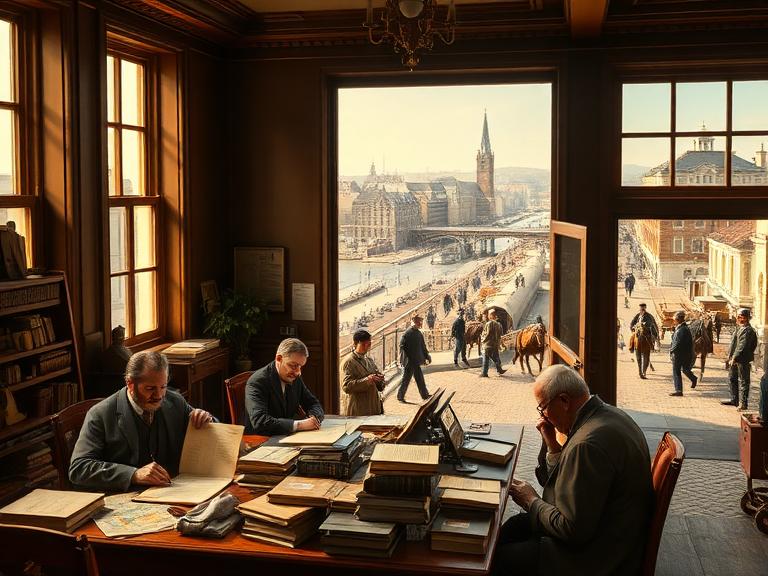
On Thursday, 4 January 1753, the machinery of Irish government continued quietly inside Dublin Castle. No great battle, rebellion or proclamation has emerged from the surviving records consulted for this date. Instead, one surviving piece of correspondence provides an unusually precise window into the working administration of eighteenth-century Ireland. Thomas Waite, under-secretary at Dublin Castle, wrote to Lord George Sackville, the chief secretary, informing him that he had sent a letter to the Lords Justices. Preserved among the Sackville family papers, this seemingly routine communication shows government functioning through handwritten correspondence, messengers, clerks and carefully maintained chains of authority.
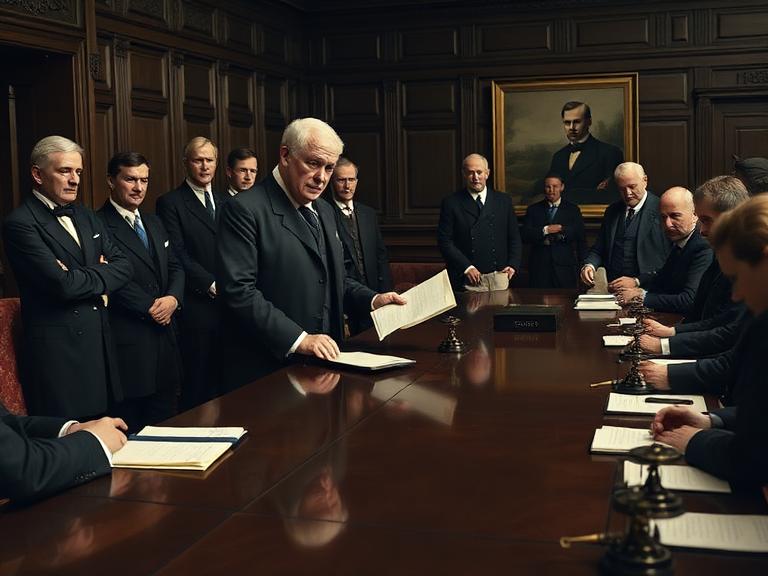
Waite occupied an important position within that administrative machine. The under-secretary was not the public face of government, yet his office dealt with the practical flow of correspondence and information upon which the executive depended. Lord George Sackville, meanwhile, served as chief secretary during the lord lieutenancy of his father, Lionel Sackville, first Duke of Dorset. Dorset had returned to Ireland as lord lieutenant in 1750, while his son became one of the leading figures operating within Dublin Castle. The surviving correspondence relating to their administration extends from December 1750 to March 1755 and preserves numerous examples of how Ireland was governed between formal parliamentary sessions.
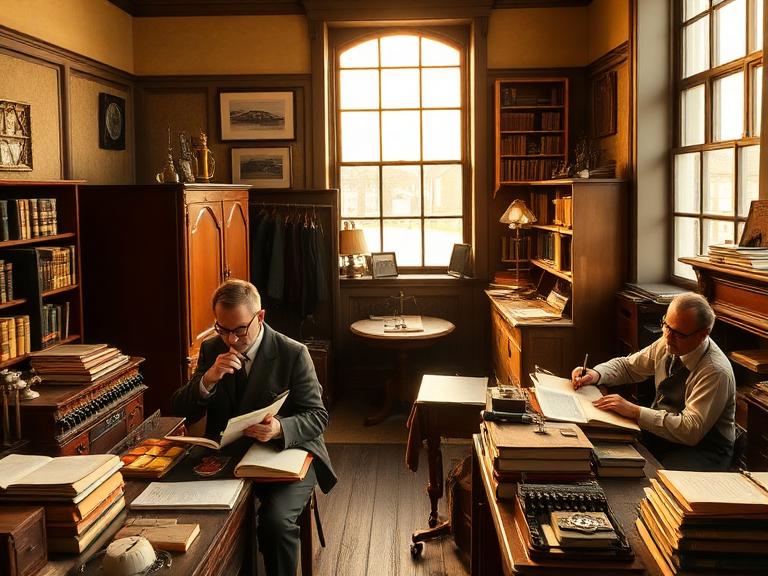
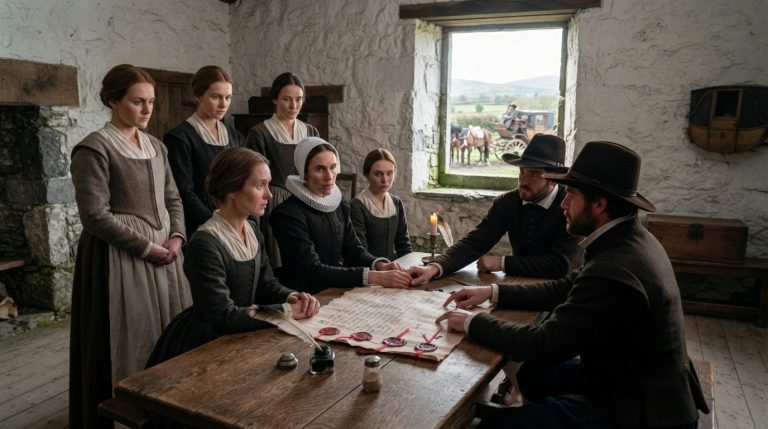
The letter written on 4 January belonged to a world in which government communication travelled at the speed of horses, coaches and ships. A document produced at Dublin Castle might be copied by a clerk, sealed, carried by messenger and eventually placed before another official. Instructions arriving from London faced the additional uncertainty of the Irish Sea. Bad winter weather could interrupt ships and delay decisions. Government therefore depended heavily upon officials who could interpret instructions and continue routine administration without immediate answers from Britain. Waite’s letter is valuable precisely because of its ordinariness. It reveals the paperwork lying behind the more visible political history of eighteenth-century Ireland.
Ireland was then governed in the name of George II. It possessed its own parliament in Dublin, but British constitutional authority placed important restrictions upon Irish legislative independence. Political influence was concentrated heavily among members of the Protestant landed establishment. The Irish Parliament was not sitting on 4 January; the next session would open in October 1753. When it did, the year would become associated with a major dispute over an Irish revenue surplus and the constitutional authority involved in disposing of it. Those events, however, had not yet occurred. On this January morning, the administration was occupied with the routine business of governing rather than the later political confrontation.
The surviving Sackville correspondence demonstrates how much of that ordinary governmental business concerned the army. Only five days after Waite’s 4 January letter, he wrote again concerning the court martial of Cornet Nugent. Another letter on 9 January ordered a court martial to reassemble and reconsider the sentence imposed upon Ensign Harriott. These records should not be projected backwards and described as events of 4 January, but their proximity shows the administrative environment surrounding Waite’s correspondence. Ireland contained numerous military barracks and garrisons, and discipline within the army generated a steady stream of orders, reports, commissions and decisions passing through Dublin Castle.
Printed information accompanied this manuscript world. On 4 January the current issue of The Dublin Gazette, Number 246, covered the period from 2 to 6 January 1753. Published “by authority”, the Gazette provided an official printed channel through which government notices and other information could circulate. Its surviving four-page issues are now extraordinarily valuable because they allow the sequence of official news to be reconstructed almost day by day. The next issue appeared on 6 January. Alongside the Gazette, Dublin readers had access to newspapers including Faulkner’s Dublin Journal, part of a rapidly developing print culture connecting Ireland with Britain, Europe and the Atlantic world.
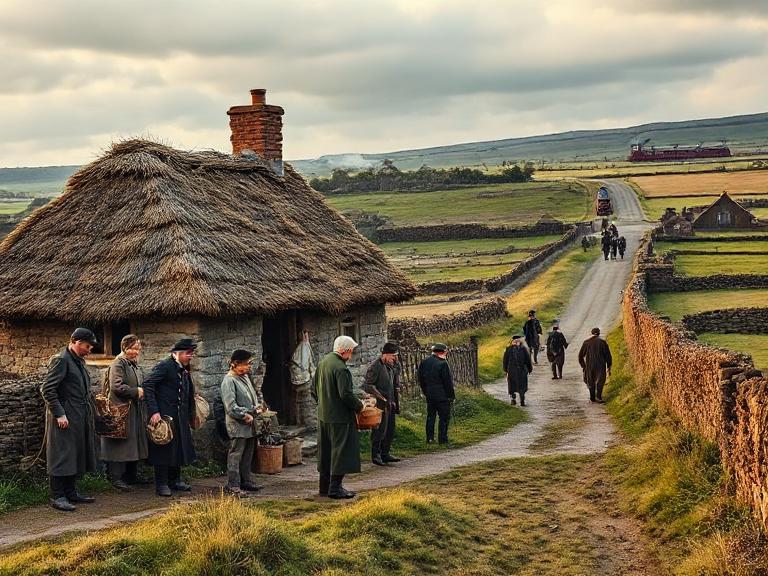
Beyond Dublin Castle and the newspaper offices, 4 January was an ordinary winter day for most of Ireland’s population. The country remained overwhelmingly rural. Agricultural work, livestock, rents, fuel and food were more immediate concerns than the correspondence of government officials. Landholding shaped social relationships throughout the countryside, while legal and religious distinctions affected opportunity and political participation. Catholics remained burdened by penal legislation, while the established Church of Ireland enjoyed institutional privilege. Protestant dissenters also faced restrictions. These legal divisions existed alongside countless everyday relationships between landlords, tenants, labourers, merchants, clergy and tradespeople whose lives rarely entered the surviving official correspondence.
Weather mattered enormously in such a society. Fortunately, Dublin’s environment at this time was being observed by James Simon, secretary of the Incorporated Society in Dublin. His surviving meteorological account records barometric and weather observations from March 1752 through February 1753, directly encompassing 4 January. Simon later maintained a detailed weather journal throughout 1753. These observations are invaluable because eighteenth-century weather influenced transportation, shipping, agricultural prices and the availability of food. Ireland was only twelve years removed from the devastating subsistence crisis of 1740–1741. People who had survived that catastrophe would have understood immediately how dangerous an unusually severe winter could become.
The intellectual world of Ireland was also changing. During 1753 Charles O’Conor of Belanagare published Dissertations on the Antient History of Ireland, an important attempt to examine and defend Ireland’s ancient historical inheritance. At the same time, parliamentary records themselves were entering a more systematic printed form: the printing of the journals of the Irish House of Commons commenced in 1753. These developments belonged to a growing culture of preserving, organising and publishing information. Government correspondence, newspapers, parliamentary journals, historical scholarship and scientific observation were all contributing to an expanding written record of Irish life. Much of what can now be known about 1753 survives because somebody chose to put information on paper.
That makes 4 January 1753 particularly appropriate for a daily history project. Its surviving evidence does not demand an invented drama. Instead, it reveals Ireland through the routine records that kept the kingdom functioning. Thomas Waite wrote from within Dublin Castle; Lord George Sackville participated in the administration; the Dublin Gazette circulated official information; meteorological observations recorded the winter environment; and millions of ordinary actions passed largely unrecorded beyond them. The date reminds us that Irish history consists not only of rebellions, battles and famous speeches. Between those landmarks were thousands of days when letters were written, farms worked, newspapers printed and decisions made — the ordinary days from which history itself was constructed.
Primary Sources
Primary Sources
- Thomas Waite — Letter to Lord George Sackville — 4 January 1753.
Waite reported that he had sent a letter, corresponding to an earlier communication, to the Lords Justices. This is the strongest surviving primary record located for the exact date. Derbyshire Record Office, Wilmot-Horton/Sackville correspondence, item 1398. - Irish Executive — The Dublin Gazette, No. 246 — 2–6 January 1753.
The official government newspaper actually in circulation on 4 January 1753. Original held by the Houses of the Oireachtas Library and Research Service and digitised through the Virtual Treasury of Ireland.
https://www.virtualtreasury.ie/item/DGZ-1753-246 - Irish Executive — The Dublin Gazette, No. 245 — 30 December 1752–2 January 1753.
The immediately preceding official issue, preserving the governmental and news context entering the first week of 1753. Virtual Treasury of Ireland, Oireachtas Library collection. - Irish Executive — The Dublin Gazette, No. 247 — 6–9 January 1753.
The official issue immediately following the target date. Four surviving pages provide evidence for government notices and information circulating within days of 4 January.
https://virtualtreasury.ie/item/DGZ-1753-247 - Irish Executive — The Dublin Gazette, No. 248 — 9–13 January 1753.
Contemporary government newspaper from the following week. Virtual Treasury of Ireland / Houses of the Oireachtas Library. - Irish Executive — The Dublin Gazette, No. 249 — 13–16 January 1753.
Continuing official printed record of Irish administration and news during January.
https://www.virtualtreasury.ie/item/DGZ-1753-249 - Irish Executive — The Dublin Gazette, No. 250 — 16–20 January 1753.
Surviving official newspaper from later in the same month. Virtual Treasury of Ireland. - Irish Executive — The Dublin Gazette, No. 251 — 20–23 January 1753.
Another surviving January issue documenting the flow of official information in Ireland.
https://virtualtreasury.ie/item/DGZ-1753-251 - Irish Executive — The Dublin Gazette, No. 252 — 23–27 January 1753.
Contemporary official newspaper completing much of the surviving January sequence.
https://www.virtualtreasury.ie/item/DGZ-1753-252 - Thomas Waite — Letter to Lord George Sackville concerning Cornet Nugent — 9 January 1753.
Orders the court martial to proceed with Nugent’s trial and demonstrates the military-administrative business being handled by Waite within five days of the target date. Derbyshire Record Office, D3155/C/H/1404. - Thomas Waite — Letter to Lord George Sackville concerning Ensign Harriott — 9 January 1753.
Orders a court martial to reassemble and reconsider Harriott’s sentence. Derbyshire Record Office, D3155/C/H/1405. - Henry Boyle — Letter to Henry Pelham from Dublin — 23 January 1753.
Contemporary political correspondence written from Ireland during the same month. University of Nottingham Manuscripts and Special Collections, Ne C 1574. - George Sackville — Letter from Dublin Castle to Henry Pelham — 10 October 1753.
Primary correspondence from the chief secretary during the opening of the later parliamentary session. University of Nottingham Manuscripts and Special Collections, Ne C 1577/1–3. - George Sackville — Letter from Dublin Castle to Henry Pelham — 28 October 1753.
Further contemporary correspondence from the Irish administration during the developing political crisis. University of Nottingham Manuscripts and Special Collections, Ne C 1579. - Ireland, Parliament, House of Commons — Journals of the House of Commons of the Kingdom of Ireland — 1753.
The official parliamentary record. Printing of the Irish Commons journals commenced in 1753, making this a fundamental primary source for the year. - Ireland, Parliament, House of Lords — Journals of the House of Lords of Ireland, Volume IV — proceedings beginning in 1753.
Official record of the upper house and an essential companion to the Commons journals.
https://archive.org/details/bim_eighteenth-century_proceedings-1634-1800_ireland-parliament-hou_1782_4 - Lionel Sackville, Duke of Dorset — His Speech to Both Houses of Parliament at Dublin — 9 October 1753.
The lord lieutenant’s official address opening the parliamentary session and a direct statement of the administration’s programme. National Library of Ireland. - James Simon — An Account of the Barometer, and the State of the Weather, at Dublin, from the 7 of March 1752 to the 28 of February 1753.
Contemporary meteorological observations directly covering 4 January 1753. Published through the Royal Society.
https://royalsocietypublishing.org/rstl/article/doi/10.1098/rstl.1753.0049/111184/ - George Faulkner — The Dublin Journal — January 1753 issues.
Contemporary Dublin newspaper recording news, advertisements, commerce and social information during the month. Surviving holdings extend from 1733 to 1825. National Library of Ireland / Irish Newspaper Archive. - Charles O’Conor of Belanagare — Dissertations on the Antient History of Ireland — Dublin, 1753.
Contemporary Irish historical scholarship published during the target year, documenting intellectual engagement with Ireland’s Gaelic past.