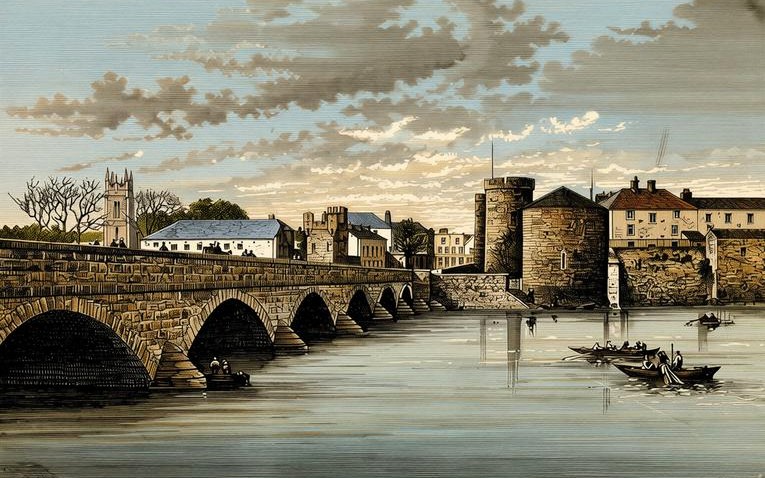

c.1853
33 archived items
January 11 items
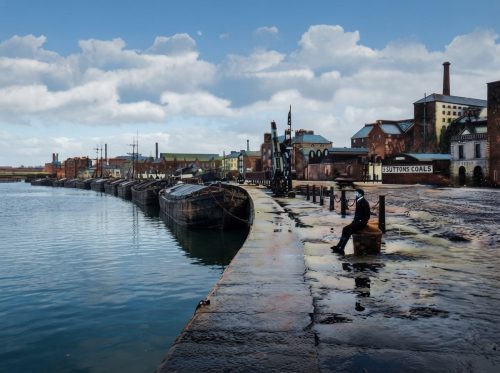
Limerick Docks
Limerick’s Floating Docks marked a major transformation in the city’s maritime infrastructure during the nineteenth century. Before their construction, vessels unloaded cargo along open tidal quays such as Arthur’s Quay and Harvey’s Quay, where changing river levels complicated trade and exposed ships to difficult conditions. Completed and officially opened in September 1853, the enclosed docks provided a safer, more controlled harbour environment, allowing vessels to remain afloat despite tidal movement. The development strengthened Limerick’s role as an important commercial port, improved the handling of goods, and reflected the city’s growing industrial and economic ambitions during the Victorian era in Ireland.
View Image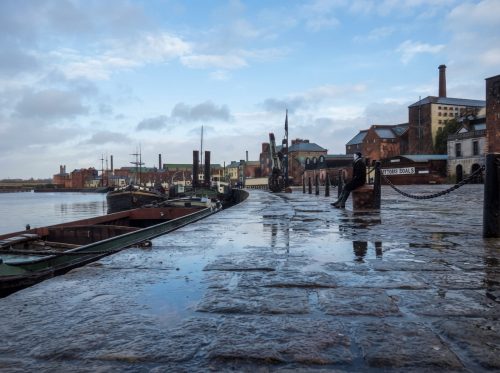
Limerick Docks
Limerick’s Floating Docks marked a major transformation in the city’s maritime infrastructure during the nineteenth century. Before their construction, vessels unloaded cargo along open tidal quays such as Arthur’s Quay and Harvey’s Quay, where changing river levels complicated trade and exposed ships to difficult conditions. Completed and officially opened in September 1853, the enclosed docks provided a safer, more controlled harbour environment, allowing vessels to remain afloat despite tidal movement. The development strengthened Limerick’s role as an important commercial port, improved the handling of goods, and reflected the city’s growing industrial and economic ambitions during the Victorian era in Ireland.
View Image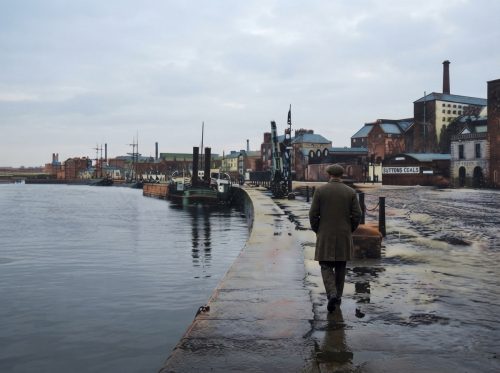
Limerick Docks
Limerick’s Floating Docks marked a major transformation in the city’s maritime infrastructure during the nineteenth century. Before their construction, vessels unloaded cargo along open tidal quays such as Arthur’s Quay and Harvey’s Quay, where changing river levels complicated trade and exposed ships to difficult conditions. Completed and officially opened in September 1853, the enclosed docks provided a safer, more controlled harbour environment, allowing vessels to remain afloat despite tidal movement. The development strengthened Limerick’s role as an important commercial port, improved the handling of goods, and reflected the city’s growing industrial and economic ambitions during the Victorian era in Ireland.
View Image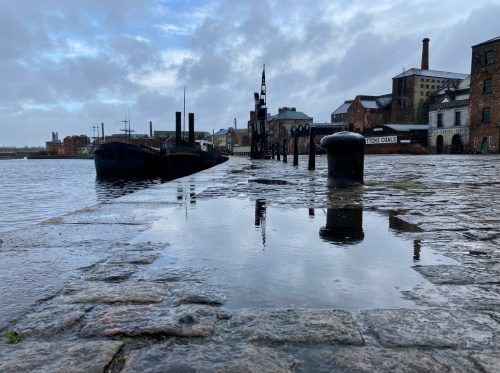
Limerick Docks
Limerick’s Floating Docks marked a major transformation in the city’s maritime infrastructure during the nineteenth century. Before their construction, vessels unloaded cargo along open tidal quays such as Arthur’s Quay and Harvey’s Quay, where changing river levels complicated trade and exposed ships to difficult conditions. Completed and officially opened in September 1853, the enclosed docks provided a safer, more controlled harbour environment, allowing vessels to remain afloat despite tidal movement. The development strengthened Limerick’s role as an important commercial port, improved the handling of goods, and reflected the city’s growing industrial and economic ambitions during the Victorian era in Ireland.
View Image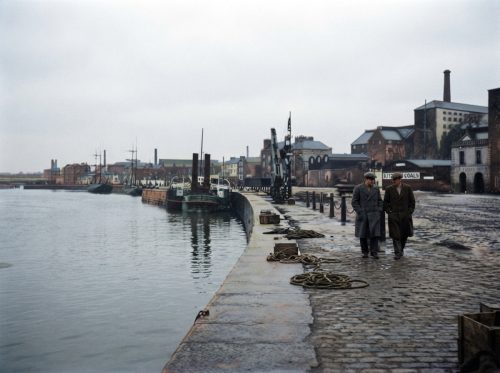
Limerick Docks
Limerick’s Floating Docks marked a major transformation in the city’s maritime infrastructure during the nineteenth century. Before their construction, vessels unloaded cargo along open tidal quays such as Arthur’s Quay and Harvey’s Quay, where changing river levels complicated trade and exposed ships to difficult conditions. Completed and officially opened in September 1853, the enclosed docks provided a safer, more controlled harbour environment, allowing vessels to remain afloat despite tidal movement. The development strengthened Limerick’s role as an important commercial port, improved the handling of goods, and reflected the city’s growing industrial and economic ambitions during the Victorian era in Ireland.
View Image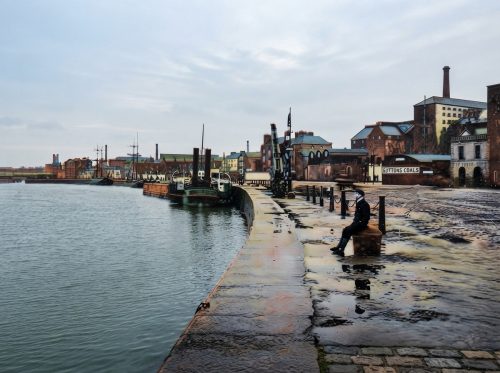
Limerick Docks
Limerick’s Floating Docks marked a major transformation in the city’s maritime infrastructure during the nineteenth century. Before their construction, vessels unloaded cargo along open tidal quays such as Arthur’s Quay and Harvey’s Quay, where changing river levels complicated trade and exposed ships to difficult conditions. Completed and officially opened in September 1853, the enclosed docks provided a safer, more controlled harbour environment, allowing vessels to remain afloat despite tidal movement. The development strengthened Limerick’s role as an important commercial port, improved the handling of goods, and reflected the city’s growing industrial and economic ambitions during the Victorian era in Ireland.
View Image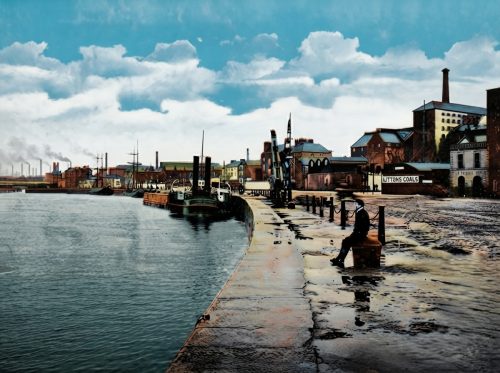
Limerick Docks
Limerick’s Floating Docks marked a major transformation in the city’s maritime infrastructure during the nineteenth century. Before their construction, vessels unloaded cargo along open tidal quays such as Arthur’s Quay and Harvey’s Quay, where changing river levels complicated trade and exposed ships to difficult conditions. Completed and officially opened in September 1853, the enclosed docks provided a safer, more controlled harbour environment, allowing vessels to remain afloat despite tidal movement. The development strengthened Limerick’s role as an important commercial port, improved the handling of goods, and reflected the city’s growing industrial and economic ambitions during the Victorian era in Ireland.
View Image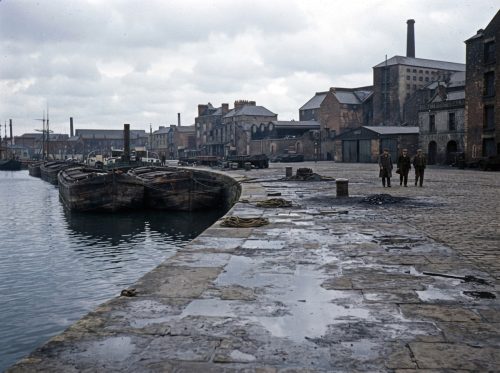
Limerick Docks
Limerick’s Floating Docks marked a major transformation in the city’s maritime infrastructure during the nineteenth century. Before their construction, vessels unloaded cargo along open tidal quays such as Arthur’s Quay and Harvey’s Quay, where changing river levels complicated trade and exposed ships to difficult conditions. Completed and officially opened in September 1853, the enclosed docks provided a safer, more controlled harbour environment, allowing vessels to remain afloat despite tidal movement. The development strengthened Limerick’s role as an important commercial port, improved the handling of goods, and reflected the city’s growing industrial and economic ambitions during the Victorian era in Ireland.
View Image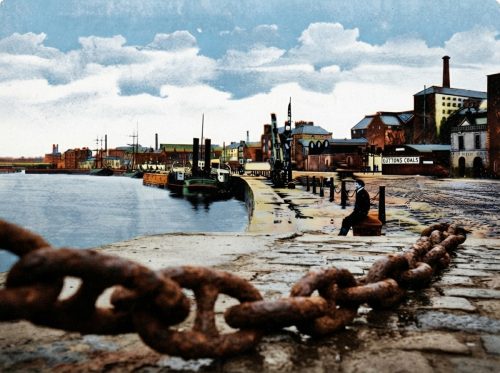
Limerick Docks
Limerick’s Floating Docks marked a major transformation in the city’s maritime infrastructure during the nineteenth century. Before their construction, vessels unloaded cargo along open tidal quays such as Arthur’s Quay and Harvey’s Quay, where changing river levels complicated trade and exposed ships to difficult conditions. Completed and officially opened in September 1853, the enclosed docks provided a safer, more controlled harbour environment, allowing vessels to remain afloat despite tidal movement. The development strengthened Limerick’s role as an important commercial port, improved the handling of goods, and reflected the city’s growing industrial and economic ambitions during the Victorian era in Ireland.
View Image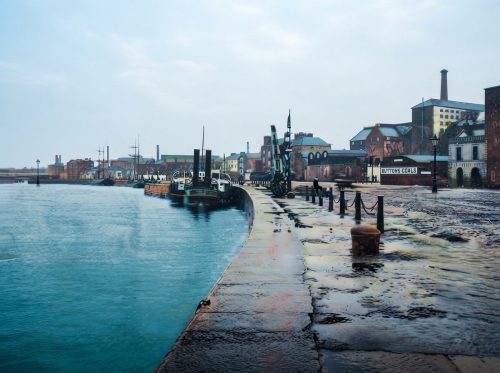
Limerick Docks
Limerick’s Floating Docks marked a major transformation in the city’s maritime infrastructure during the nineteenth century. Before their construction, vessels unloaded cargo along open tidal quays such as Arthur’s Quay and Harvey’s Quay, where changing river levels complicated trade and exposed ships to difficult conditions. Completed and officially opened in September 1853, the enclosed docks provided a safer, more controlled harbour environment, allowing vessels to remain afloat despite tidal movement. The development strengthened Limerick’s role as an important commercial port, improved the handling of goods, and reflected the city’s growing industrial and economic ambitions during the Victorian era in Ireland.
View Image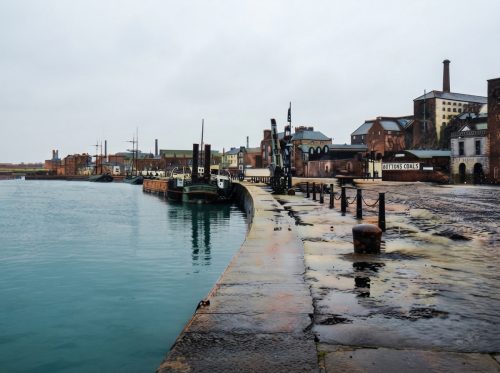
Limerick Docks
Limerick’s Floating Docks marked a major transformation in the city’s maritime infrastructure during the nineteenth century. Before their construction, vessels unloaded cargo along open tidal quays such as Arthur’s Quay and Harvey’s Quay, where changing river levels complicated trade and exposed ships to difficult conditions. Completed and officially opened in September 1853, the enclosed docks provided a safer, more controlled harbour environment, allowing vessels to remain afloat despite tidal movement. The development strengthened Limerick’s role as an important commercial port, improved the handling of goods, and reflected the city’s growing industrial and economic ambitions during the Victorian era in Ireland.
View ImageFebruary 0 items
No published items are currently assigned to this period.
March 0 items
No published items are currently assigned to this period.
April 0 items
No published items are currently assigned to this period.
May 0 items
No published items are currently assigned to this period.
June 0 items
No published items are currently assigned to this period.
July 0 items
No published items are currently assigned to this period.
August 0 items
No published items are currently assigned to this period.
September 0 items
No published items are currently assigned to this period.
October 0 items
No published items are currently assigned to this period.
November 0 items
No published items are currently assigned to this period.
December 0 items
No published items are currently assigned to this period.