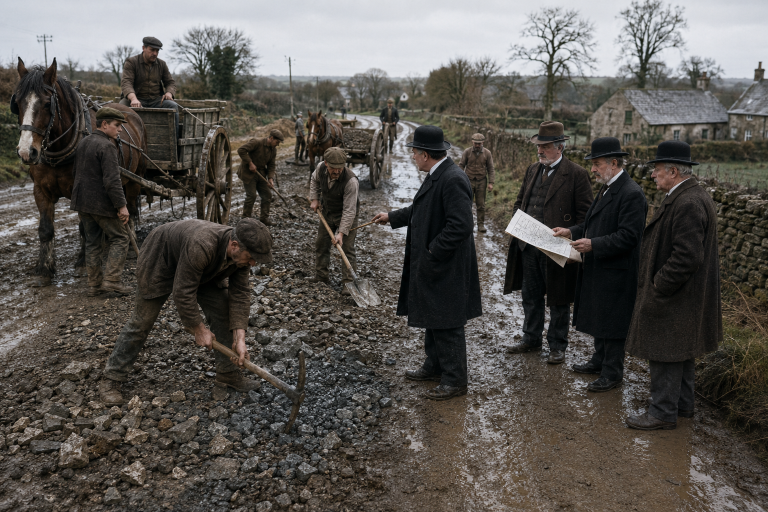

Cabbage Patch Siege(c.1850s)
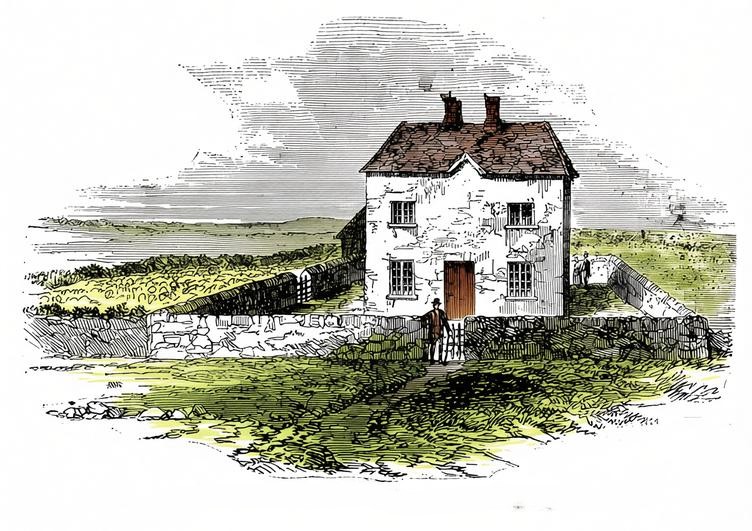
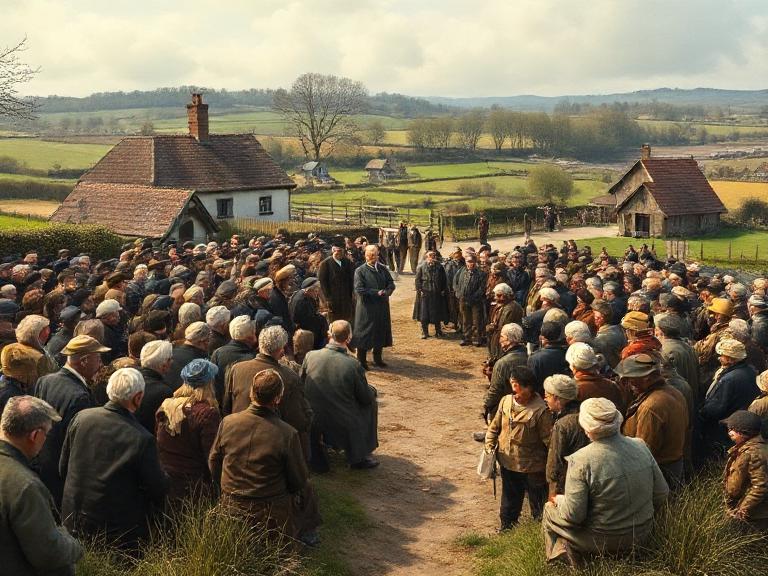
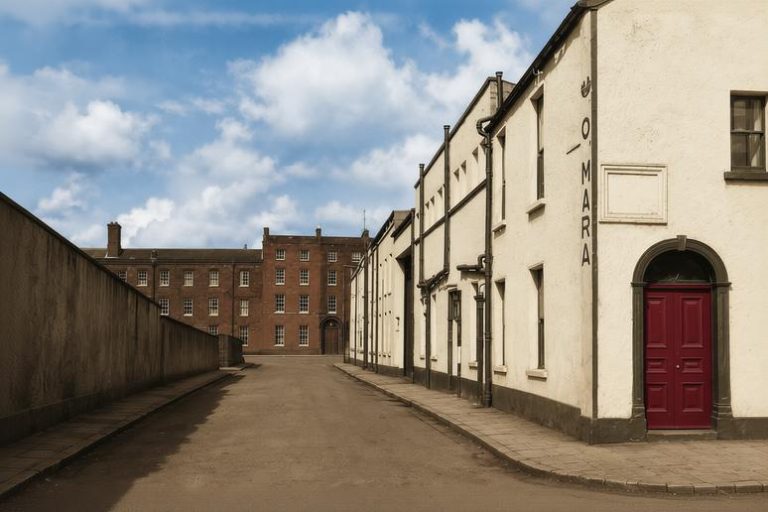
Margaret McCormack, known to history as the Widow McCormack, found herself and her family at the centre of one of the most curious and poignant episodes of Irish revolutionary history—the so-called “Battle of Widow McCormack’s Cabbage Patch.” Her two-storey farmhouse near Ballingarry, County Tipperary, stands just beyond the Limerick and Kilkenny borders, in a landscape long shaped by mining, rural hardship, and the turbulent years of the Great Famine.
Margaret’s story is one of resilience amid adversity. Married to Thomas McCormack, a local coal-mine owner and farmer, she was widowed during the Famine and left to care for their five young children. The McCormack home, set among 65 acres of land, became an unlikely stage for political drama when, on July 29, 1848, it was seized as a defensive stronghold by the Irish constabulary during the abortive Young Irelander Rebellion.
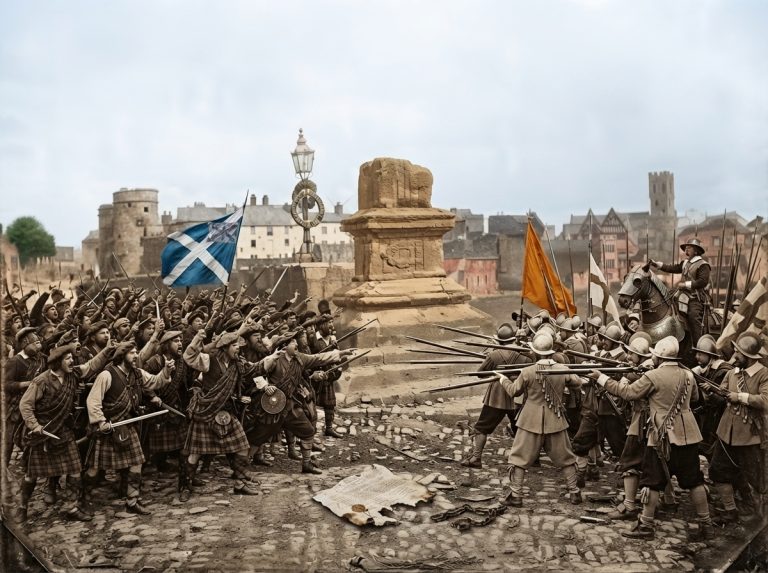
Led by William Smith O’Brien, the Young Irelanders hoped to spark a wider uprising for Irish independence. Instead, after a skirmish in the area, a group of police officers retreated into the Widow McCormack’s farmhouse and barricaded themselves inside. In a desperate move, they kept Margaret’s children with them as human shields against the nationalist rebels gathering outside—a decision that has echoed down the years as a symbol of both the chaos and tragedy of the period.
The confrontation reached its climax in Margaret’s garden, immortalised in Irish memory as the “Cabbage Patch.” Amid tense negotiations, Smith O’Brien—reportedly assisted by a distraught Mrs. McCormack—pleaded with the police to release the children and surrender peacefully. The standoff devolved into a brief but violent shootout. As police reinforcements arrived, the rebels melted away, the larger rebellion unraveled, and the event entered folklore for its pathos, farce, and the image of a cabbage patch turned battleground.
Despite the ordeal, Margaret and her children survived the siege. The house itself, now known as the Famine Warhouse 1848, serves as a state heritage site and museum, marking the enduring resonance of the event. In the aftermath, the McCormack family eventually emigrated to America in the mid-1850s—like so many others forced abroad by Famine and failed revolution.
The story of the Widow McCormack bridges the personal and the political, the local and the national. The “Cabbage Patch” siege, though physically just over the Tipperary border, remains deeply woven into the collective memory of the wider region, including Limerick. It stands as a testament to the ordinary lives caught up in extraordinary moments of Irish history.
Primary Sources
- “The Famine Warhouse: Ballingarry and the Rising of 1848,” National Heritage Site Guide, Office of Public Works.
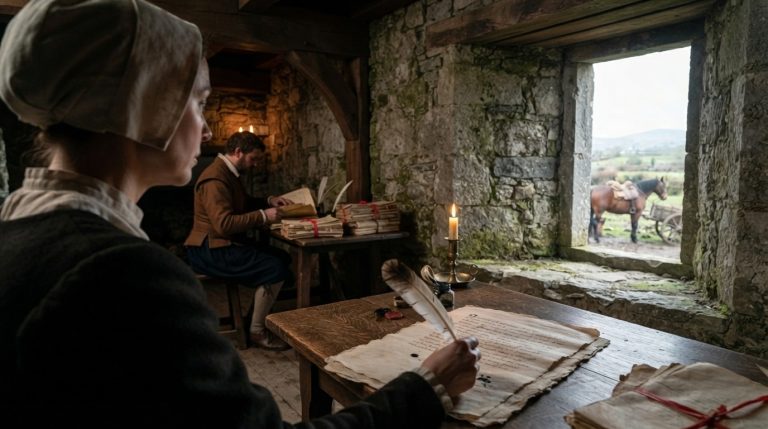
- Depositions of Margaret McCormack, 1848, State Trials, National Archives of Ireland.
- William Smith O’Brien, personal correspondence and trial records, 1848–1849.
- Irish Constabulary reports, Ballingarry incident, July 1848, Royal Irish Constabulary Archives.
- Newspaper accounts, “Battle of Widow McCormack’s Cabbage Patch,” Freeman’s Journal, July–August 1848.