Archived: 20 October 2026
Abstract
Records for 1448 depict Ireland as a patchwork of lordships, religious houses and learned networks rather than a single national story. A severe plague in Meath caused deaths among laymen, a ruling family and friars. Killings in Leinster and Connacht, alongside changes in regional lordships, reveal persistent rivalry within and between political communities. Bishops, abbots and aristocrats died, while a couple drowned on an Ulster waterway, underlining travel’s hazards. Donal Mac Cárthaigh Mór supported the Observant Franciscan foundation at Muckross. The deaths of poets Tadhg Óg Ó hUiginn and Diarmait Ó Dálaigh highlighted institutions of education, hospitality, patronage and commemoration.
Read Article
Archived: 20 October 2026
Abstract
In 1425, Edmund Mortimer, the king’s lieutenant and earl of March and Ulster, died suddenly at Trim while pursuing agreements with northern Gaelic lords. His death undermined a fragile settlement, followed by arrests of visitors and worsening Ulster conflict. James Butler, earl of Ormond, became lieutenant and negotiated written alliances with the Meic Mathghamhna and Éoghan Ó Néill. In Connacht, Toirrdelbach Ruad Ó Conchobair died and Cathal, son of Ruaidrí, succeeded amid violence. Brian Ballach Mac Uí Néill Buidhe was killed at Carrickfergus. Severe winter weather devastated cattle, crops and people, while records showed religious and learned life across Ireland.
Read Article
Archived: 21 October 2026
Abstract
Annals for 1411 portray Ireland as a patchwork of competing lordships, where succession disputes, captivity and violence shaped political life. In Munster, heirs and rivals among the Ó Briains, FitzGeralds, Mac Cárthaighs and Ó Súilleabháins were killed, expelled, blinded or displaced. Ó Conchobhair Fáilghe captured Meath’s sheriff for ransom, illustrating frontier insecurity, while Ó Domhnaill imprisoned Mulmhaire Mac Suibhne amid internal complaints. Annaghdown monastery burned, and church land officers, an historian and Thomond’s master poet died. The annals also report that Raphoe’s crucifix bled and healed illnesses, a medieval miracle claim reflecting devotion, pilgrimage and hopes for relief amid instability.
Read Article
Archived: 21 October 2026
Abstract
In 1396, Richard II’s charter granted Galway’s provost and burgesses annual election of a sovereign, restricted retail trade to resident burgesses, and extended Drogheda’s liberties, for £6 13s 4d. Building on 1395 murage, it strengthened defence, commerce and civic government, while preserving Roger Mortimer’s seigneurial rights. The charter reflected insecurity in Connacht, where rival dynasties raided, fought and burned Sligo, while O’Tooles defeated English forces in Leinster. Off Aran, Ó Máille raiders drowned when their plunder-laden ship sank. Church life saw Thomas Sparkford appointed to Waterford and Lismore, and scholar-herenagh Matthew Ó Luinín’s death, illustrating enduring ecclesiastical and learned traditions.
Read Article
Archived: 21 October 2026
Abstract
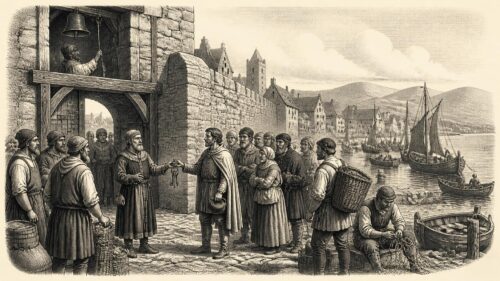
On 10 May 1389, Galway’s bell summoned burgesses and townspeople to surrender the keys of its gates to William Burke, lord of Upper Connacht, excluding royal ministers. Following a 1388 oath of fealty and grants of revenues, the action reflected local insecurity and accommodation, while retention of customs suggested caution. Galway’s choice occurred amid Connacht’s shifting wars, raids, captures, killings and pragmatic settlements, where control of resources shaped power. Annals record contested successions and deaths across Ireland. With government weakened after Robert de Vere’s fall and only later reorganised under John Stanley, authority remained fragmented among towns, lords and communities.
Read Article

Archived: 21 October 2026
Abstract
On 5 November 1388, Galway’s burgesses publicly swore fealty to William Burke of Clanricarde, transferring royal local revenues, except customs, and demonstrating preference for regional protection over Richard II’s distant authority. Their bloodless revolt formed part of wider competing jurisdictions. Connacht suffered extensive warfare among O’Conor branches and allied lordships, involving raids, burning of homes and corn, prisoners, hostages and mercenary forces. Conflict also touched Assaroe and north-western territories, while violence killed learned men and a local lord. Fosterage linked Desmond’s heir with an O’Brien household. Despite de Vere’s fall, royal administration issued writs, but lacked effective command in Ireland.
Read Article

Archived: 23 October 2026
Abstract
In 1339, Ireland endured severe frost and snow that damaged livestock and winter crops, while warfare in Meath ruined grainlands and caused famine. Political violence accompanied hardship: Ruaidhrí Ó Cellaigh, king of Uí Maine, was killed, and Toirdhealbhach Ó Conchobhair reshaped Connacht alliances through marriage, repudiation and pressure upon Edmund Albanach Burke. Northern campaigning by Aodh Reamhar Ó Néill brought further deaths, while Tomás Mag Samhradháin was released from captivity. Despite instability, Fergal Muimhneach Ó Duibhgeannáin erected Kilronan church. In Dublin, Edward III’s administration briefly minted silver coinage, thereby linking local society to royal fiscal demands amid wider Anglo-French war.
Read Article
Archived: 24 October 2026
Abstract
In 1307, Edward II succeeded Edward I as Lord of Ireland, while existing Dublin administration continued under officials including newly appointed Exchequer treasurer Alexander de Bicknor. Richard de Havering received Dublin archbishopric temporalities but was never consecrated, and bishops died at Kilmacduagh and Elphin. At Ahascragh, Donnchad Muimhneach Ó Cellaigh of Uí Maine defeated forces associated with Roscommon, capturing the sheriff and other opponents. Prisoners were released under restitution for an earlier burning attributed to Edmund Butler, before Ó Cellaigh died. Killings among Ó Conchobair claimants underscored Connacht instability. Sources require caution because annalistic chronologies conflict over some recorded events.
Read Article
Archived: 24 October 2026
Abstract
In 1290, Irish politics saw several local struggles for authority. Cairbre Ó Máelsechlainn, king of Meath, was treacherously killed by Mac Cochlain and the Delbhna amid overlapping Gaelic and colonial lordships. Domnall Ó Néill expelled Niall Ó Néill and seized Tír Eógain, while Toirdelbach Ó Domhnaill, supported by maternal kin and galloglasses, deposed his brother Áed in Tír Chonaill. William Mac Fheorais assumed effective possession of Tuam’s archbishopric, and Kilmacduagh’s bishop died. Edward I appointed William de Vesci justiciar; he arrived in Ireland, combining royal office with Kildare lordship. A Carmelite friary at Kildare was plausibly founded about this time.
Read Article
Archived: 25 October 2026
Abstract
Walter de Burgh, earl of Ulster and lord of Connacht, died at Galway in July 1271, leaving his young heir Richard vulnerable during a minority. His death coincided with Áed mac Fedlimid Ó Conchobair’s destruction of castles at Templehouse, Sligo and Athleague, weakening de Burgh authority across Connacht. Killings in Connacht, Annaly, Oriel and the Breifne borderlands further revealed fragmented lordship and shifting local alliances. Annalistic notices also record religious deaths, penitence and burial, reflecting political and spiritual culture. Although Anglo-Norman power endured, 1271 reduced its capacity while Áed’s Gaelic kingship remained formidable, making the year a significant turning point.
Read Article

Archived: 25 October 2026
Abstract
In 1266, Connacht experienced conflict among Gaelic rulers, settler communities and Walter de Burgh’s lordship. Tiaquin Castle was demolished and Conmaicne ravaged, while townships, castles and grain stores were burned. Áed Ó Conchobair, king of Connacht, pursued rivals and projected authority into Bréifne, deposing Art Ó Ruairc, installing Conchobar Buide and taking hostages. His regime also used blinding as political punishment. Raids, killings and a failed Burke hosting demonstrated an unsettled balance of power. Despite warfare, monasteries, dioceses and learned families remained active, recording deaths, appointments and consecrations. Ireland’s order endured through violent, local negotiation of resources, fortifications and succession.
Read Article
Archived: 26 October 2026
Abstract
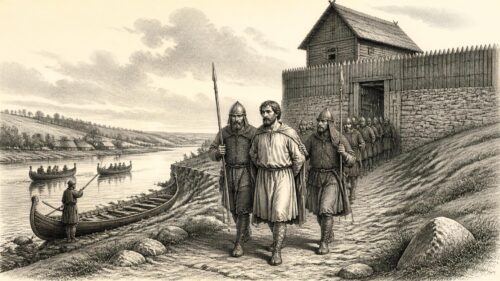
In 1231 Richard de Burgh captured Fedlimid mac Cathail Chrobdeirg Ó Conchobair at Meelick, despite guarantees, exposing the fragility of Gaelic rulers’ alliances with Anglo-Norman power. Imprisoned in strategically placed Shannon castle, Fedlimid’s fate left Connacht contested; his release and later victory belonged to subsequent years. Annals also record Connacht’s religious and local life: deaths among ruling families, Boyle Abbey’s pilgrim connections, episcopal succession at Elphin, and Dionysius Ó Mórda’s death on Trinity Island. They note learned status, Mac Diarmata’s market project, a waterborne Breifne raid, and Ualgarc Ó Ruairc’s fatal Holy Land pilgrimage, revealing active networks amid political instability.
Read Article
Archived: 26 September 2026
Abstract
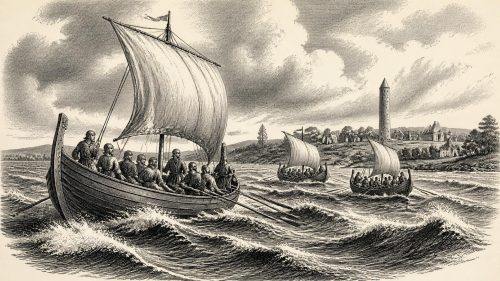
In 1190, Ireland’s politics combined dynastic conflict, local warfare, diplomacy and religious patronage. In Connacht, Cathal Crobderg and Cathal Carrach Ua Conchobair negotiated an inconclusive truce at Clonfert, mediated by churchmen, before a storm on Lough Ree drowned Cathal Crobderg’s son and leading followers. Rival branches of the dynasty remained violent. In Desmond, Domnall mac Carthaig defeated foreign raiders, recovered their spoil and secured peace with Domnall Mór Ua Briain of Thomond. Foundations or endowments at Knockmoy and possibly Killone demonstrated rulers’ religious and political ambitions. Anglo-Norman lordships expanded, but Gaelic rulers and institutions remained decisive across much of Ireland.
Read Article

Archived: 26 September 2026
Abstract
Ireland in 1183 remained fragmented between Gaelic kingdoms and expanding Anglo-Norman lordships, with Henry II’s overlordship largely remote. The pivotal event was Conchobar Máenmaige’s accession in Connacht after Ruaidrí Ua Conchobair retired to Cong, initiating or intensifying a dynastic conflict rather than ending Ruaidrí’s influence. Annals also record killings among regional kindreds, illustrating persistent intra-Gaelic rivalry. De Lacy governed Meath and de Courcy defended Ulaid, where his Benedictine foundation at Down combined religious patronage with political consolidation. Anglo-Norman settlements, castles and estates remained vulnerable, while ports, farming, crafts and exchange linked changing lordships with enduring local communities across the island.
Read Article
Archived: 26 September 2026
Abstract
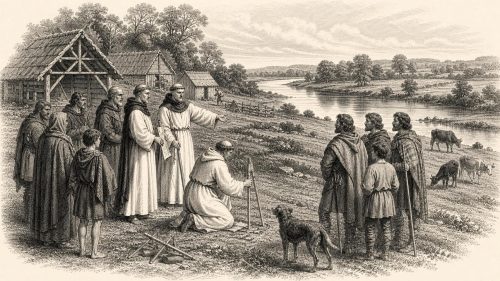
In 1147, Ireland remained politically fragmented despite Tairdelbach Ua Conchobair’s contested high-kingship. Muirchertach Mac Lochlainn, allied with Donnchad Ua Cerbaill, defeated Ulaid at Dundrum, devastated Lecale and took hostages, signalling northern expansion. At Athlone, Tethba forces defeated Ua Conchobair’s son and Uí Maine, while local killings exposed wider instability. Murchad Ua Máelsechlainn founded Bective Abbey, Mellifont’s first Cistercian daughter house, linking reform, patronage and royal politics. Malachy and other bishops mediated Tadc Ua Briain’s release; churches suffered fire and storm damage. Chronicles also noted the Second Crusade, clerical deaths and an exceptional nationwide harvest, contrasting abundance with warfare and plunder.
Read Article

Archived: 26 September 2026
Abstract
In 1143 Tairdelbach Ua Conchobair, Connacht’s dominant king, deposed Murchad Ua Máelshechlainn of Mide despite sacred guarantees, installed his son Conchobar, and provoked clerical condemnation. His authority was equally strained by the imprisonment of another son, Ruaidrí, despite ecclesiastical sureties, and by Munster’s contested incursion into south Connacht. In the north, Muirchertach Mac Lochlainn was temporarily expelled. Annals also record raids, destructive fires at major settlements, and church land transactions. The year revealed intertwined kingship, ecclesiastical power and local economies, while highlighting unreliable chronologies and conflicting annalistic accounts. Religious reform advanced through Mellifont and St Malachy alongside older sacred customs.
Read Article

Archived: 26 September 2026
Abstract
In 1133, Toirdelbach Ua Conchobair’s disputed high-kingship faced a Munster invasion of Connacht, which killed an heir but secured no submission. He later agreed a year’s truce with Conchobar Ua Briain, while Mide and Bréifne destroyed his Athlone bridge and fort. Feuds in Mide, Leinster and Fine Gall brought assassinations, reprisals, raids and the burning of Lusk church. Regional conflicts, deaths and accidents continued. Armagh’s succession remained divided between reformer Malachy and Muirchertach mac Domnaill. Clerical visits, learned figures and burnings featured in the annals. A devastating cattle and pig murrain damaged Ireland’s economy; an August solar eclipse was recorded.
Read Article

Archived: 26 September 2026
Abstract
In 1051 Ireland remained politically fragmented, with regional kings dependent on kinship, warfare, tribute and control of inauguration sites. Áed Ua Conchobair expanded Connacht power by blinding a rival, defeating opponents, resisting Donnchad mac Briain and felling the Dál Cais inauguration tree at Mag Adhair. Munster, the Déisi, Uí Failge and Tulach Óg saw killings, expulsions and disputed succession. Raids demonstrated cattle’s economic and political value, while churches mediated aftermaths of violence. Laidcnén Ua Leocháin and his wife undertook pilgrimage to Rome, dying abroad. Ireland also sheltered Harold Godwinson, demonstrating aristocratic Christianity, maritime connections and involvement in Irish Sea politics.
Read Article

Archived: 26 September 2026
Abstract
In 1048, Ireland’s fragmented politics linked provincial kings, church families and Hiberno-Norse towns through alliance, hostage-taking, raiding and feud. Donnchad mac Briain marched through Mide and Brega, securing hostages from Diarmait mac Máel na mBó and submission from Dublin, though neither proved permanent. Diarmait raided the Déisi and, with Niall mac Eochada, attacked Mide’s churches. Conchobar Ua Máelshechlainn raided Kildare lands and captured Brega’s ruler. Áed Ua Conchobair destroyed Inis Locha Cime, beginning western expansion. Deaths of rulers, churchmen and poet Cenn Fáelad altered local power. Raids exposed cattle-based rural economies, while Dublin’s trade connected Ireland to wider Irish Sea.
Read Article
Archived: 29 October 2026
Abstract
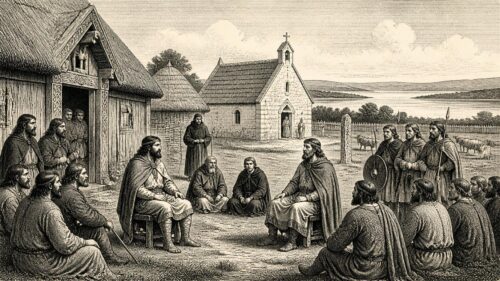
In 838, Feidlimid mac Crimthainn of Munster and Niall Caille of Tara confronted competing claims to supremacy at a royal conference remembered differently by the Annals of Ulster and Inisfallen. Ulster records an inconclusive meeting at Cloncurry; Inisfallen claims Niall submitted at Clonfert, making Feidlimid king of Ireland. Historians reject any settled all-Ireland outcome. Leinster’s succession was unsettled after King Bran’s death, while Connacht suffered a Viking defeat. Scandinavian raiders used Lough Neagh to plunder northern territories and churches, and burned Ferns and Cork. Annals also record clerical continuity and local killings, revealing an increasingly connected, contested, insecure Irish society.
Read Article

