Bardan, resident druid of Limerick Archives

Summon Bardan

Summon Bardan, our resident druid, and ask him any question about Limerick.
His ancient wisdom will answer you instantly.

455398b6-f582-4950-adb7-2fcb693a3e56

On the night of 6 and 7 March 1921 two civic leaders in Limerick were murdered in separate attacks at their homes. George Clancy, the sitting mayor, was shot dead at Castleview Gardens while his wife was wounded. Michael O’Callaghan, his immediate predecessor and fellow councillor, was killed at his house on O’Callaghan Strand. Both men were prominent nationalists and community figures. Contemporary newspapers, witness statements and parliamentary questions attributed the killings to members of the Royal Irish Constabulary Auxiliary Division acting as reprisal during an imposed curfew and Special Military Area. Their deaths shocked the city and reverberated locally.

Before March 1921 the city had experienced months of mounting friction between republican activists and Crown forces, including previous unrest after the death of Robert Byrne in April 1919. Limerick had earlier seen a Special Military Area and a general strike known in some sources as the Limerick Soviet. By early 1921 military patrols, raids and an imposed curfew intensified, and local council activity and civic leadership placed men such as Clancy and O’Callaghan in public positions that made them vulnerable. Eye witness accounts and local newspapers record raids on private homes, harassment by Auxiliaries and credible threats and intimidation.

Investigations at the time and later historical scholarship identified members of the Auxiliary Division as responsible for the murders, though terminology varies among sources. Contemporary parliamentary questions requested inquiries and local leaders demanded a coroner’s inquest, while British authorities sometimes resisted a full public inquiry. Suspicion focused on officers attached to the Auxiliary garrison in County Limerick and on particular individuals later linked in some accounts to reprisal killings, including George Nathan named in narratives. The killings occurred alongside other night time shootings in the region and are widely interpreted by historians as punitive measures intended to intimidate republican supporters.

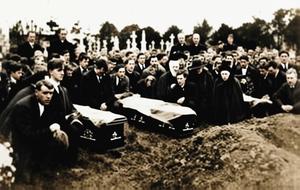
The funerals of George Clancy and Michael O’Callaghan were large civic occasions that revealed the depth of public feeling in Limerick and were widely reported in contemporary newspapers and diocesan records. Processions, clerical addresses and civic tributes involved councillors, trade unionists, cultural organisations and local nationalists who joined bereaved families in public mourning. The killings intensified calls for accountability and became central to republican memory in the city. Over decades commemorations, plaques and published local histories have sustained remembrance. The events influenced municipal politics and community relations during the later revolutionary period and continue to feature in research and exhibitions.

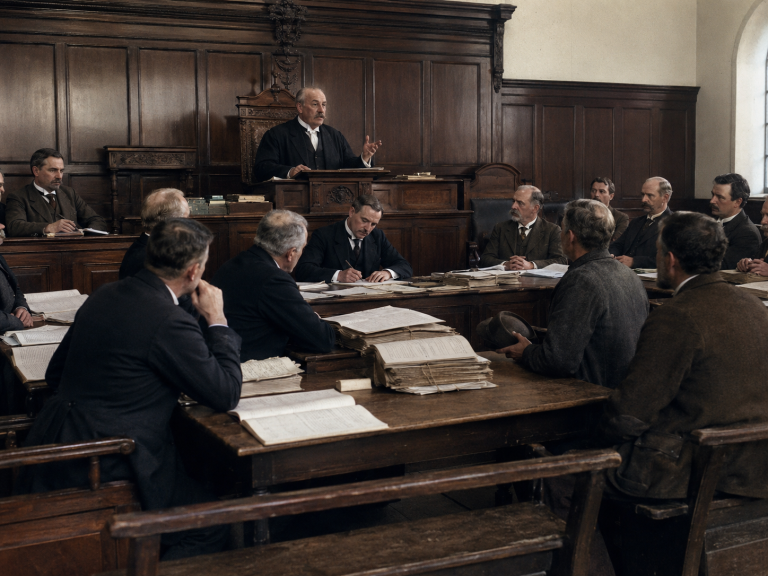
Historical study of the March 1921 murders draws on a wide range of material held in local and national repositories, and researchers rely on contemporary newspaper accounts, coroners’ inquest papers, council minutes and diocesan records to reconstruct events. Witness statements, Military Service Pensions files and Bureau of Military History material provide personal testimony and correspondence. Photographs, burial registers and oral histories record community grief and memory. British government and police correspondence and intelligence reports offer official perspectives. Ongoing archival work in Limerick collections continues to refine understanding. Careful annotation and critical analysis are required when interpreting this body of evidence.

Primary Sources

  1. Limerick Leader, editions 8–12 March 1921 (contemporary reportage and funeral accounts).
  2. The Limerick Chronicle, Saturday 12 March 1921 (detailed coverage of the murders and public reaction). Source Link
  3. Parliamentary Questions, Hansard Commons debate, 8 March 1921: ‘Murders, Limerick’ (questions on responsibility and request for inquiry). Source Link
  4. Military Service Pensions Collection, Department of Defence, file for Michael O’Callaghan (fatalities list entry and pension correspondence). Source Link
  5. Bureau of Military History witness statements and files referencing Limerick incidents, including BMH witness material for 1921 reprisals. (See witness compilations and statement reels relating to Limerick). Source Link
  6. Limerick City and County Council minutes and correspondence, March 1921 (council responses, funeral arrangements and civic motions).
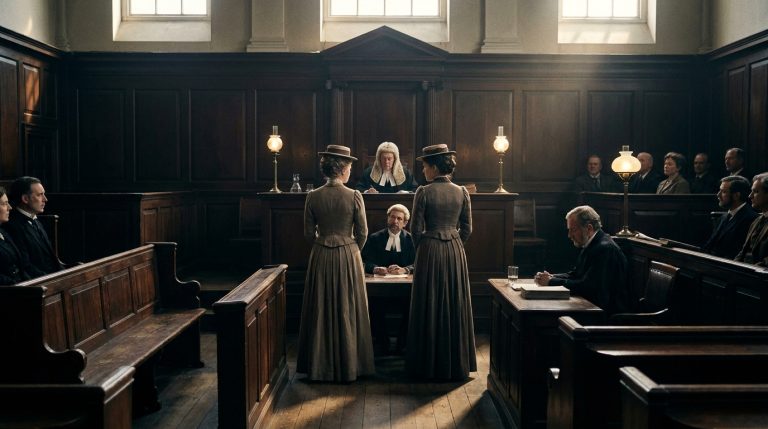
  7. Coroner’s inquest papers and registers for Limerick, March 1921 (inquest depositions and witness testimony for George Clancy and Michael O’Callaghan).
  8. Civil death register entries, General Register Office, March 1921: death registrations for George Clancy and Michael O’Callaghan (civil returns and burial details).
  9. Photographs and funeral procession images held in Limerick City Museum and Limerick Local Studies photographic collections (contemporary visual records of mourning).
  10. Contemporary British government and police correspondence, including Intelligence Branch and RIC/Auxiliary reports for County Limerick, March 1921 (official dispatches and internal memoranda).

Associated Archives

Social Life and Customs in LimerickSocial Life and Customs
People and Personalities of LimerickPeople and Personalities
Historic News from LimerickHistoric News

Related Articles

PeopleLifeLimerickMilitaryMarch1921

Books Supporting the Archive

Every Book Purchased Helps Support The Continuing Work Of Limerick Archives.

Cover of Ashes

Ashes

The Ashes Trilogy, Book One

Ashes begins the story of a group of children growing up in the streets and lanes of Limerick, where poverty and hardship are balanced by humour, imagination and fierce friendship. Their city is more than a setting: it watches, remembers and gives voice to lives often absent from official history. As the children explore their neighbourhood, they encounter family pressures, faith, hunger, danger and the first signs of a changing world. Through their adventures and loyalties, the novel captures the resilience of ordinary people and introduces the characters whose lives will unfold across the three volumes of The Ashes Trilogy.

View on Amazon UK
Cover of Gurriers

Gurriers

The Ashes Trilogy, Book Two

Gurriers continues the lives of the Limerick children introduced in Ashes as childhood freedom begins to give way to work, responsibility and harsher choices. Their friendships remain strong, but poverty, family expectations, faith and the pressures of growing older test loyalties once taken for granted. The streets and lanes still offer humour, adventure and belonging, yet the wider world increasingly intrudes upon their lives. Through vivid dialogue, memorable characters and the watchful voice of Limerick itself, the novel explores resilience, identity and change while showing how even the closest companions can be drawn towards futures by circumstances beyond their control.

Cover of Scattered

Scattered

The Ashes Trilogy, Book Three

Scattered concludes The Ashes Trilogy as the friends who once shared Limerick’s streets and lanes face adulthood, work, hunger, faith, family duty and emigration. Time has altered their ambitions, tested their loyalties and carried some beyond the city that formed them. Yet memory continues to bind Louie, Seamus, Joe, Sean, Peter, Tony, Bardy, Maura, Eileen, Nora, Lingo and the mysterious Gleamer. Narrated through the enduring presence of Limerick itself, the novel explores separation, sacrifice and survival while recognising the humour and affection that remain. Together, their scattered lives complete a moving portrait of friendship, community and change across changing generations.

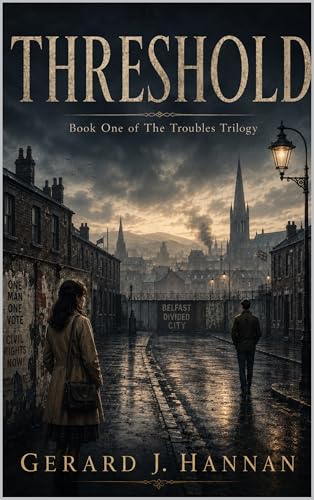
Cover of Threshold

Threshold

The Troubles Trilogy, Book One

Threshold opens in Belfast in 1968, where the Catholic Devlins and Protestant Morrows confront a city divided by religion, memory and fear. Civil rights marches, police violence, riots and internment transform ordinary streets into dangerous frontiers while political conflict enters homes, workplaces and schools. At the centre are Aileen Devlin and Thomas Morrow, whose relationship challenges the boundaries their families regard as essential to survival. As loyalty hardens into suspicion, both must decide whether inherited allegiance excuses injustice. Through family arguments, upheaval and private courage, the novel explores love, conscience, division and survival during the opening years of the Troubles.

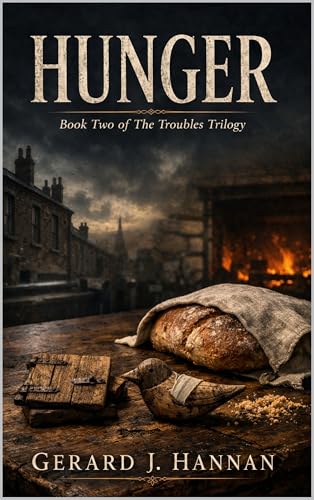
Cover of Hunger

Hunger

The Troubles Trilogy, Book Two

Hunger is Book Two of The Troubles Trilogy, set in Belfast during the 1980s. Aileen Devlin and Thomas Morrow have built a fragile life across the city’s sectarian divide, but the conflict threatens the home they created for their daughter, Claire. As hunger strikes, the Anglo Irish Agreement and violence reshape Northern Ireland, republican Declan and loyalist Billy exploit fear, grief and vulnerable young men. Against them stand Aileen, Kathleen and Elsie, whose quiet strength keeps their families human. This is a story of love, survival and the courage to place people before causes in a divided society under pressure.

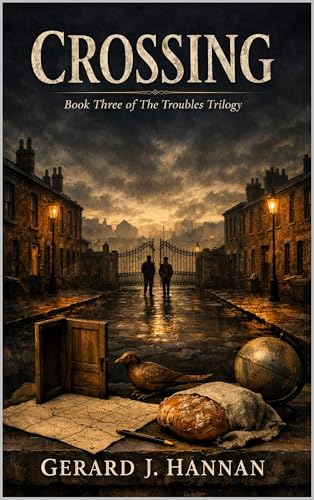
Cover of Crossing

Crossing

The Troubles Trilogy, Book Three

Crossing concludes The Troubles Trilogy during the decade from 1990 to 2000, as Belfast moves from violence towards negotiation, ceasefires and uncertain peace. The Devlin and Morrow families face political change alongside grief, ageing, divided loyalties and the consequences of choices made across three decades. Relationships once threatened by religious boundaries are tested by memory, mistrust and the fear that compromise may betray the dead. As the peace process gathers momentum, ordinary people must decide whether reconciliation is possible. The trilogy closes with a story of endurance, forgiveness, loss and hope beyond inherited division, proving that peace begins with courage.

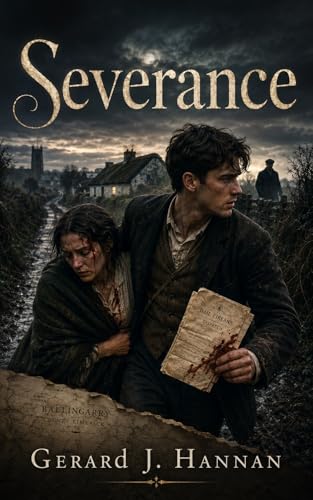
Cover of Severance

Severance

Historical Novel

Severance is a historical novel set in Ballingarry, County Limerick, during Ireland’s struggle for independence. A torn and bloodied dispatch passes through fields, kitchens, lofts and hidden routes, placing everyone who handles it in danger. Michael Enright carries the burden of trust, while Mary, Molly and their neighbours struggle to preserve the message and protect one another. Against them, Captain Edward Harcourt studies every delay, wound and fragment for clues. As loyalty, fear and betrayal tighten around the hidden network, ordinary people must decide what they are willing to risk when history enters their homes and silence itself becomes dangerous.

Cover of Limerick Generations: 1900 to 1909

Limerick Generations: 1900 to 1909

Limerick Decalogy, Book One

Limerick Generations: 1900 to 1909 opens the decade by documenting a city and county entering the twentieth century amid political debate, commercial activity, poverty, faith and technological change. Month by month, the book connects major Irish developments with local events, institutions, streets and communities. Public meetings, labour, transport, education, sport, business and everyday life reveal how national questions were experienced in Limerick. Historical reports and carefully reconstructed narratives bring forgotten moments and ordinary people into focus. As Book One of Limerick Decalogy, it establishes the foundation for a ten volume journey through one hundred years of local history and memory.

Cover of Limerick Generations: 1910 to 1919

Limerick Generations: 1910 to 1919

Limerick Decalogy, Book Two

Limerick Generations: 1910 to 1919 traces a decade of political transformation, labour conflict, war, revolution and social change across Limerick city and county. Home Rule, unionist resistance, trade union organisation and the First World War entered streets, farms, schools, workplaces and family life. The Easter Rising, conscription crisis, influenza pandemic and general election altered public loyalties and expectations. The decade culminated in the Limerick Soviet of 1919, when workers challenged military restrictions through organised collective action. As Book Two of Limerick Decalogy, the volume preserves local experiences of hardship, courage, grief, endurance and change during years of intense historic upheaval.

Restoring History

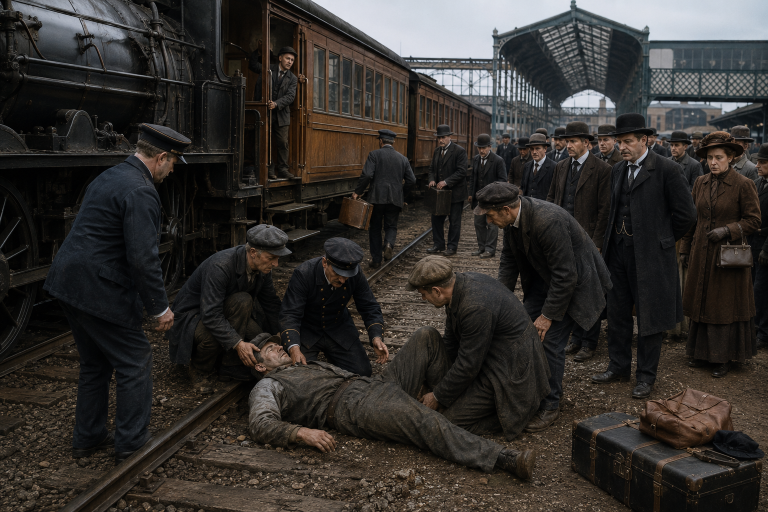
Limerick Archives preserves, enhances, restores and colourises historic photographs, sometimes presenting fresh angles on familiar scenes. When no suitable public-domain image exists, we create carefully researched AI illustrations for archive articles. We also invite the public to submit photographs for restoration and possible publication, with ownership always remaining entirely theirs.