Women Protest
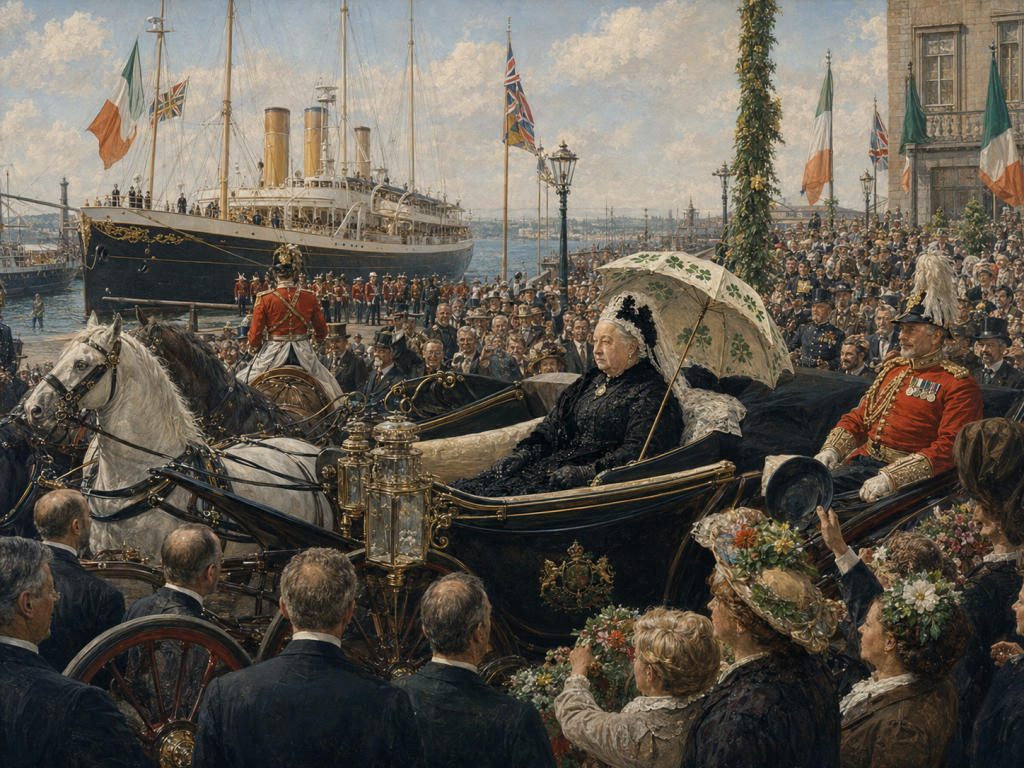
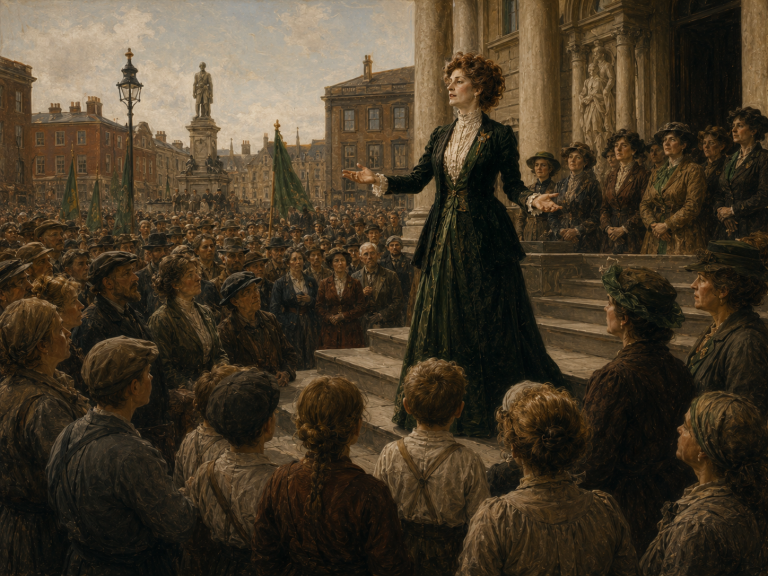
Women have assumed visible roles in the nationalist opposition surrounding Queen Victoria’s arrival in Dublin, moving beyond the customary tasks of collecting money or assisting male political organisers. Maud Gonne and other advanced nationalists have used meetings, public agitation and organised community work to challenge the royal ceremonies and the claim that they represent a united and loyal Ireland. Their involvement will be noted in Limerick, where women already sustain charitable societies, cultural associations, schools and nationalist activity but rarely receive formal recognition as political participants.
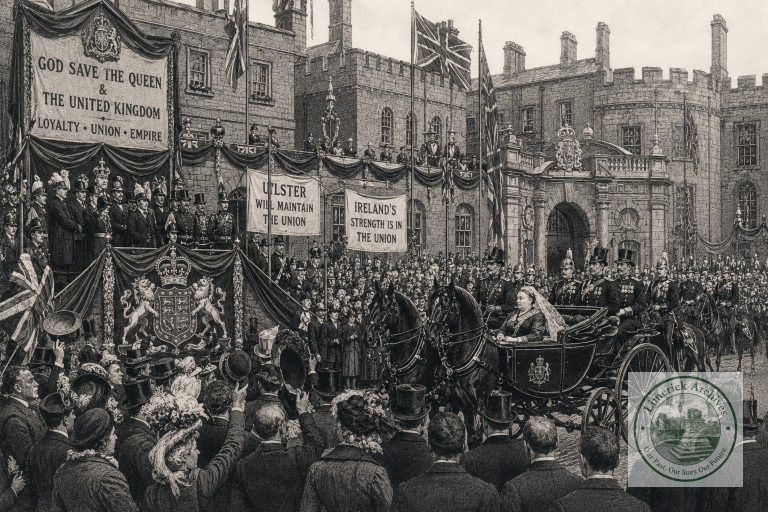
The demonstrations arise from opposition to the extensive decorations, loyal addresses, military displays and children’s celebrations arranged during the royal visit. Nationalist women argue that such pageantry conceals poverty, emigration and widespread dissatisfaction with government from Westminster. Gonne’s fierce attack upon the monarch, published as “The Famine Queen,” connects the splendour of the visit with memories of famine, eviction and population loss. Women involved in the campaign have helped circulate nationalist arguments, organise resistance and encourage families to withhold their children from ceremonies intended to associate education and public generosity with loyalty to the Crown.
Their activism extends beyond direct protest. A group of women meeting in the rooms of the Celtic Literary Society has begun organising a Patriotic Children’s Treat as an alternative to the official Phoenix Park celebration. The proposed event will require subscriptions, donated provisions, volunteer stewards and extensive practical organisation. By undertaking this work independently, the women demonstrate that nationalist opposition can provide food, recreation and education rather than merely condemn royal ceremony. The campaign gives women public responsibilities as fundraisers, speakers, organisers and political educators while making childhood itself part of the struggle over national identity.
Women’s participation also exposes limitations within the nationalist movement. They cannot vote in Westminster elections, sit in Parliament or exercise equal authority within most political organisations. Their labour is welcomed, but strategic decisions generally remain in male hands. Gonne and her colleagues are challenging that arrangement by acting publicly and organising in their own name. The activity surrounding the Queen’s visit is helping create the conditions for Inghinidhe na hÉireann, the Daughters of Ireland, an exclusively female organisation committed to complete independence, Irish culture, social reform and a larger civic role for women.
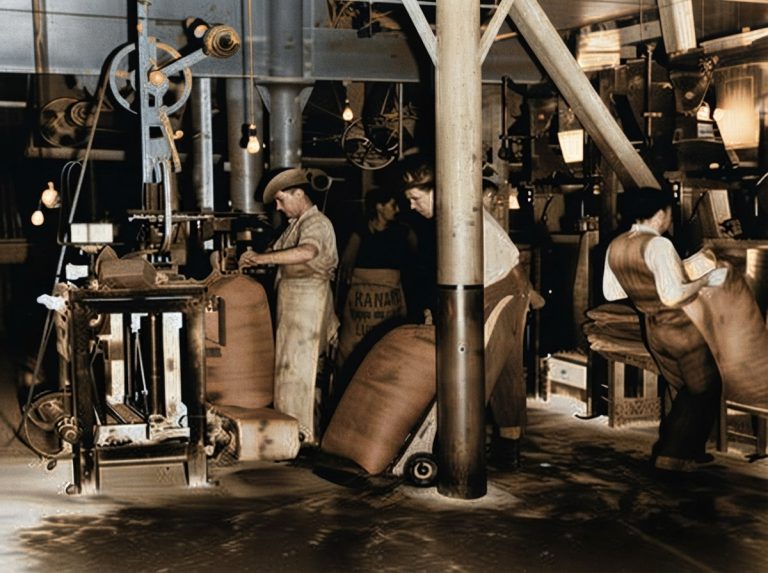
The significance for Limerick extends beyond the immediate royal visit. Local women working in homes, schools, shops, factories, religious societies and charities already possess the skills required for political organisation, though public authority seldom acknowledges them. The Dublin demonstrations suggest that women may bring those abilities directly into national debate and organised protest. Constitutional nationalists may consider the campaign too severe, while unionists will reject its hostility to the Crown. Nevertheless, women have become visible political actors rather than silent symbols, asserting their right to influence how Ireland defines loyalty, citizenship and national freedom.
Primary Sources
- Maud Gonne, “The Famine Queen,” United Irishman, 3 April 1900, opposing Queen Victoria’s visit and linking royal ceremony with famine memory and British rule. Exact page and column should be confirmed before formal citation.
- United Irishman, Dublin, March–April 1900, reports and editorials concerning nationalist opposition, public demonstrations and the royal visit. Exact issue, page and column should be confirmed before formal citation.
- Dublin Castle and Dublin Metropolitan Police records concerning the policing of Queen Victoria’s visit and nationalist opposition, April 1900. Exact collection, file and folio should be confirmed before formal citation.
- Maud Gonne MacBride Papers, National Library of Ireland, records concerning opposition to the royal visit and the organisation of the Patriotic Children’s Treat. Exact manuscript number and folio should be confirmed before formal citation.
- Margaret Ward, Irish Nationalist Women, 1900–1918, Manchester: Manchester University Press, 1983; consult the discussion of women’s participation in demonstrations against Queen Victoria’s 1900 visit.