
c.2020s
The 2020s opened with the COVID-19 pandemic transforming everyday life throughout Limerick. Lockdowns closed workplaces, schools, shops, churches and cultural venues, while health workers, carers and essential staff carried exceptional responsibilities. Remote work, online education and digital communication became familiar, but isolation and unequal access created difficulties. Brexit altered trade relationships, and Russia’s invasion of Ukraine contributed to inflation, energy costs and the arrival of displaced families. Housing shortages and rising prices placed pressure upon households, while climate concerns influenced planning and transport debates. Ordinary citizens adapted through community support, technology and renewed appreciation of local places and shared history.
2020 0 items
No published items are currently assigned to this period.
2021 0 items
No published items are currently assigned to this period.
2022 0 items
No published items are currently assigned to this period.
2023 2 items
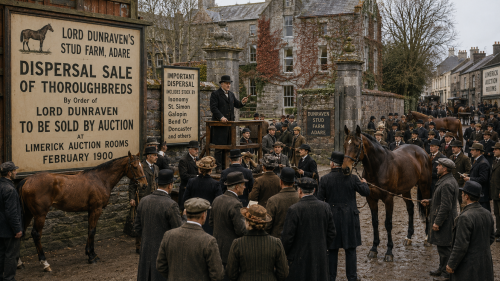
Stud Dispersal
The Irish racing world received unexpected news in January 1900 when reports announced that Lord Dunraven intended to break up his stud farm at Adare and offer a number of its thoroughbreds by public auction in Limerick the following month. The decision immediately concerned County Limerick, where the Dunraven estate had long influenced employment, social life and sporting prestige. The stud was not merely a private collection of horses. It formed part of Adare’s landed economy and connected the village with breeders, trainers, buyers and racecourses throughout Ireland and Britain.
View Article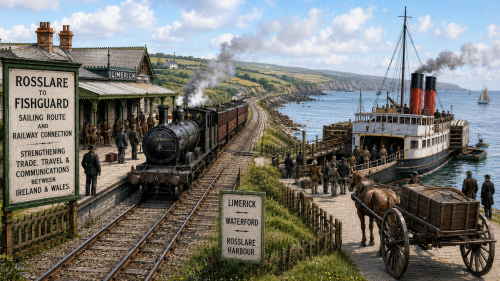
Route Endorsed
Limerick County Council looked towards the Irish Sea in 1900 when it supported proposals for the developing railway and steamship connection between Rosslare in County Wexford and Fishguard in Wales. The surviving account mistakenly calls the Irish port “Roeselare,” the name of a Belgian city, but the intended destination was Rosslare. Although both harbours lay far from County Limerick, councillors recognised that a through route from the Shannon region towards Waterford and the south-eastern coast might improve passenger travel, commercial communication and access to markets in Britain.
View Article2024 0 items
No published items are currently assigned to this period.
2025 0 items
No published items are currently assigned to this period.
2026 2,134 items
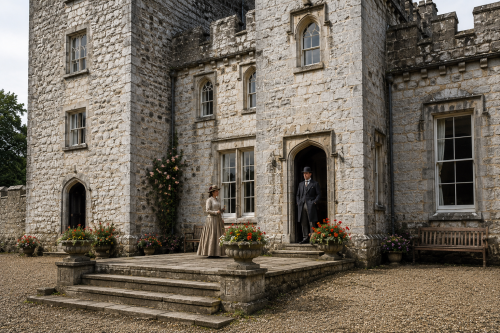
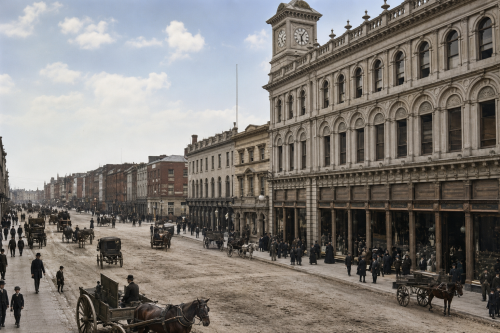
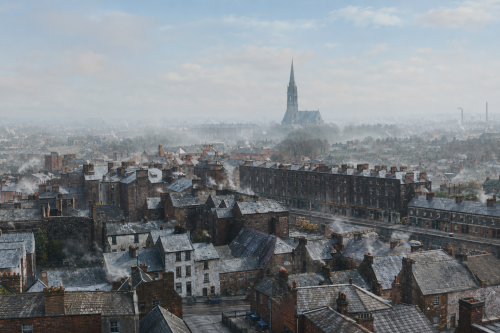

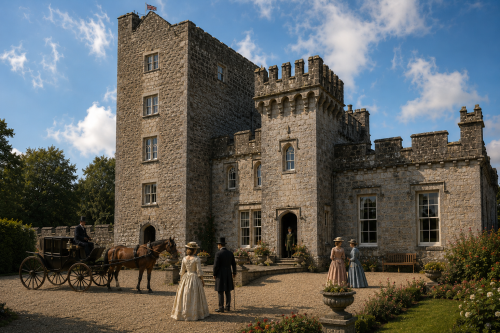

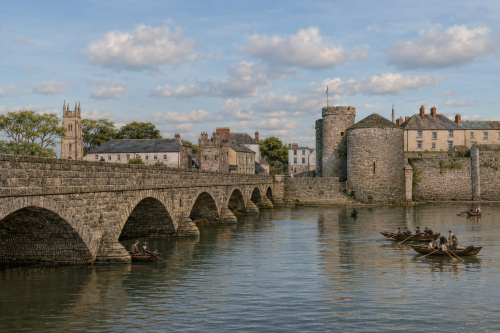
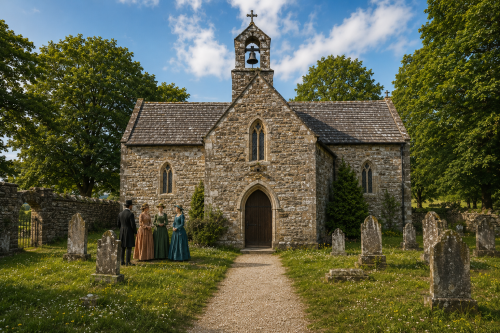
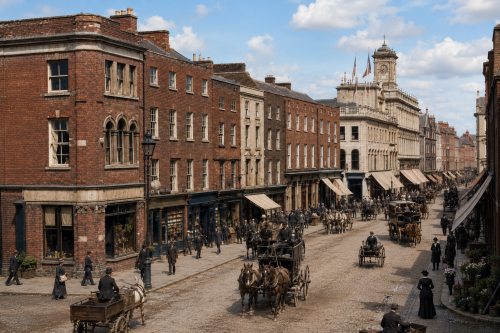
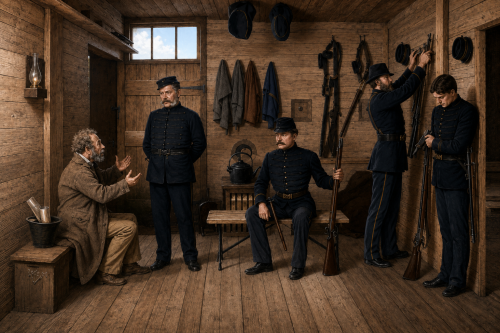


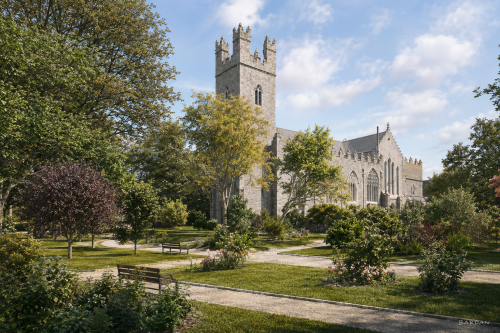
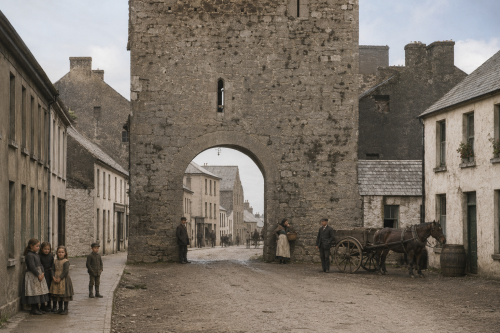
Gate Kilmallock
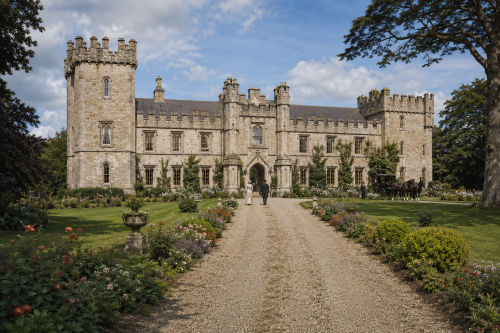
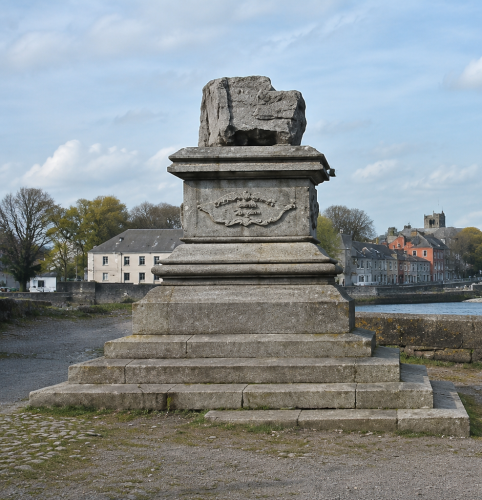
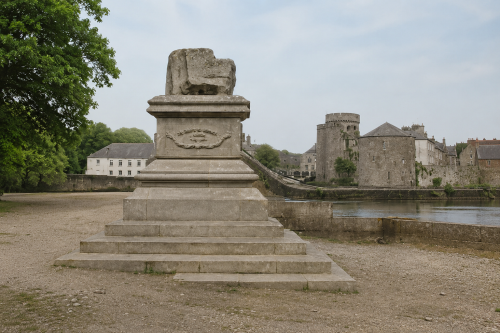
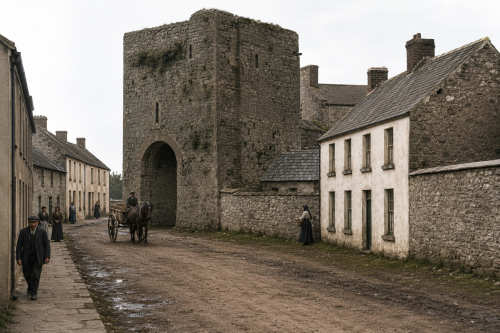
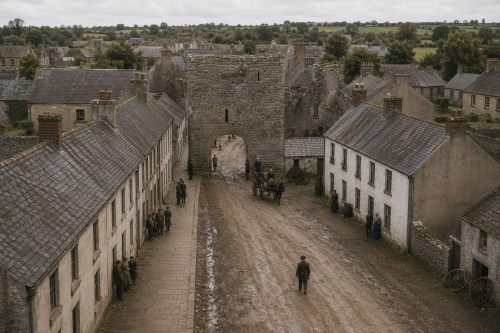
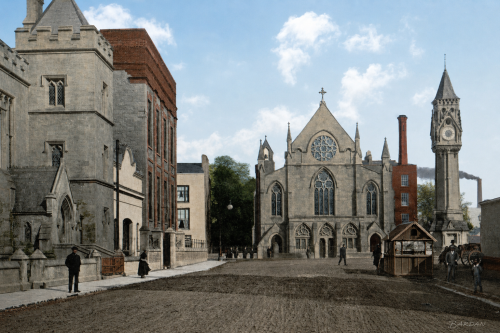
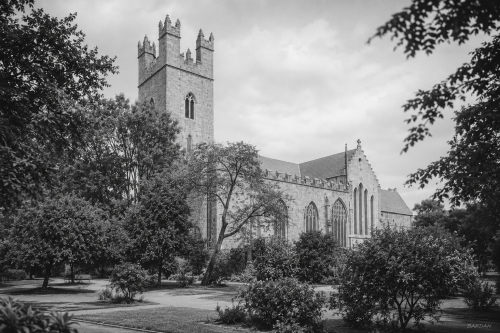
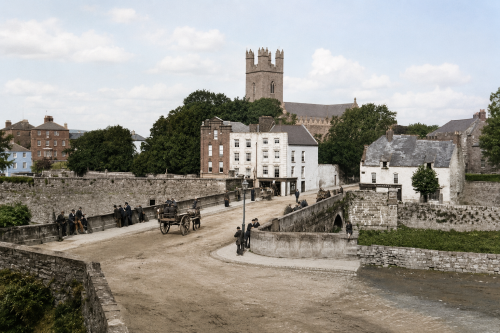
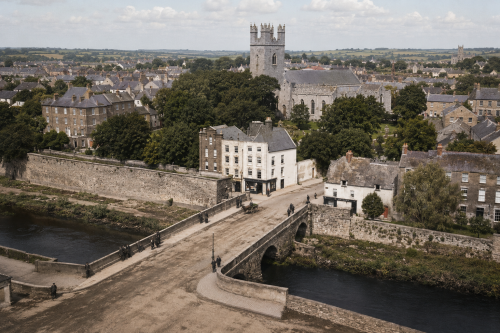
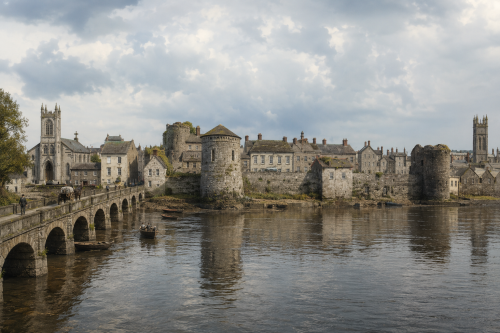
Blossom Gate is the last surviving medieval gateway of Kilmallock, County Limerick, once one of Ireland’s most strongly fortified towns. Originally one of five entrances through the defensive walls, it alone remains; St John’s, Water, Ivy and Friary gates have disappeared. Standing on Emmet Street, the three-storey stone tower spans the roadway above a pointed arched vault, marking where the town walls formerly joined it. The name may derive from “Blae Gate” or from the Irish word blá, meaning flower or blossom, combined with the French porte, meaning gate. Today, it is a prominent reminder of Kilmallock’s medieval importance and heritage.
View Image









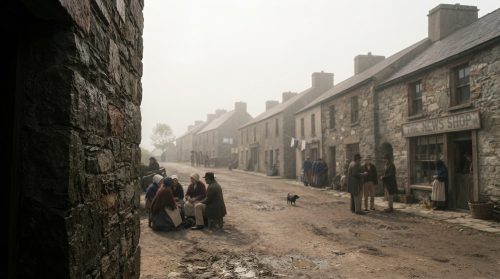
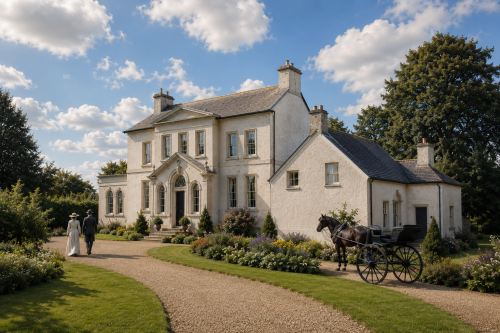
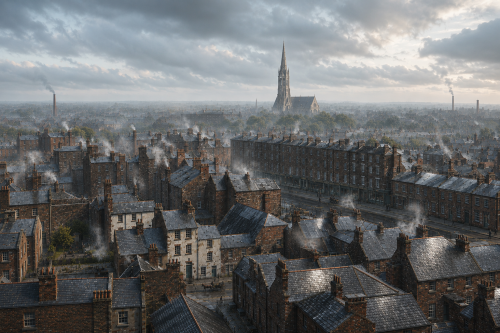
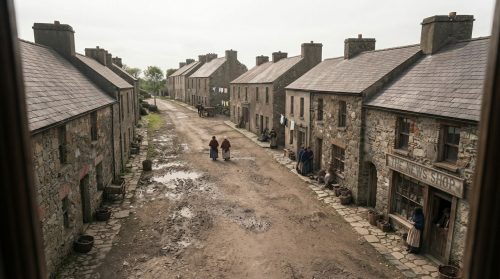
Ballingarry Village
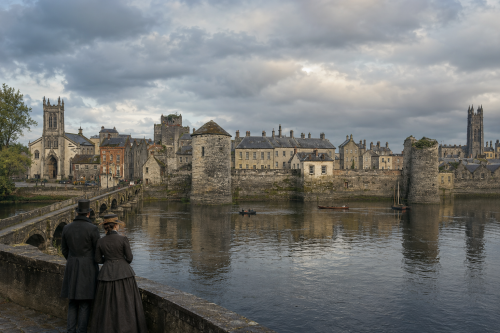
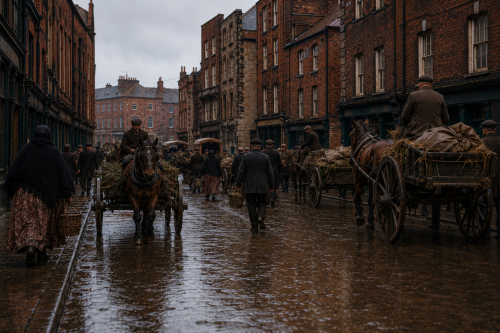
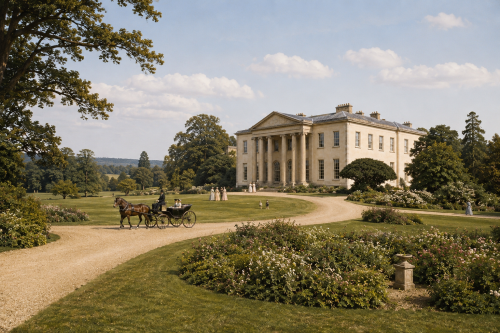
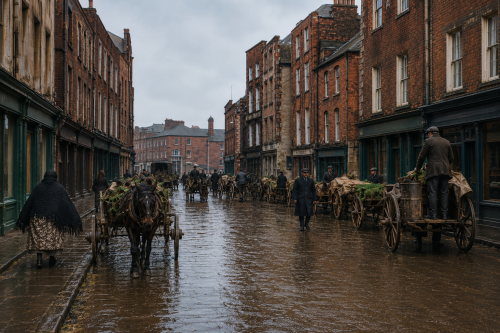
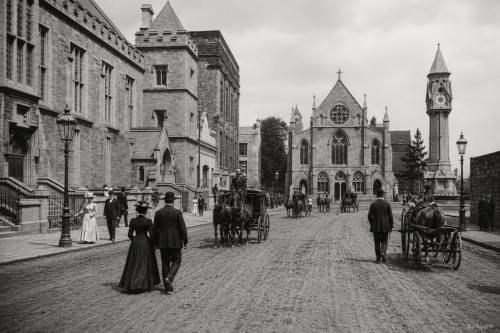
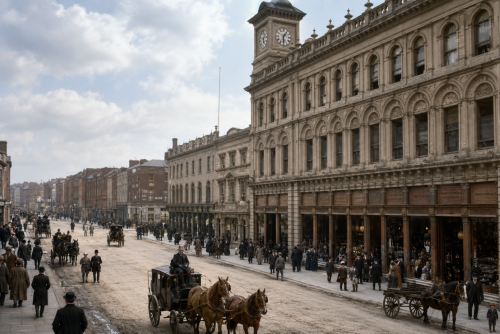
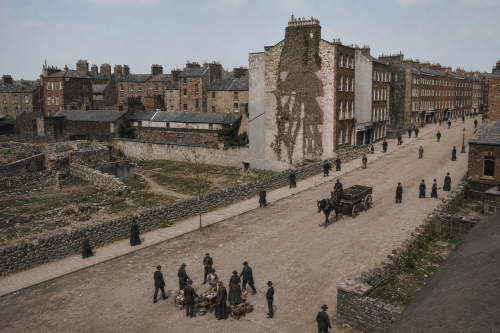
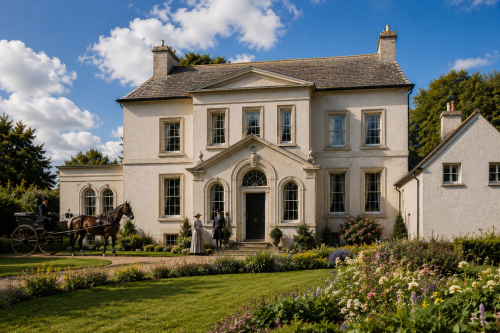
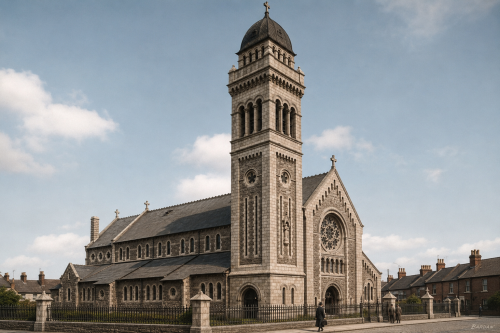
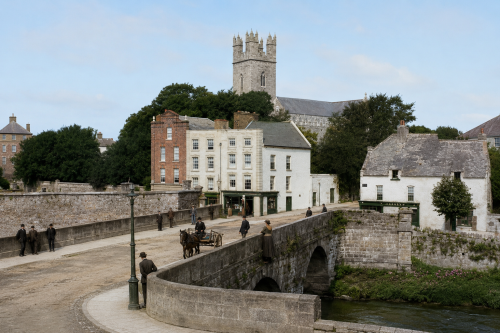
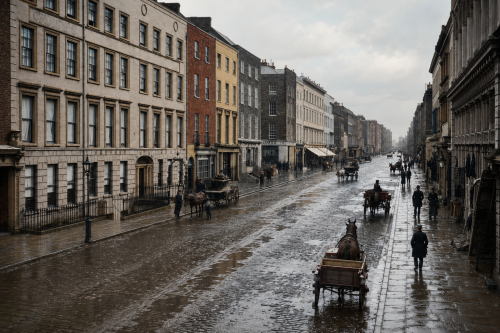
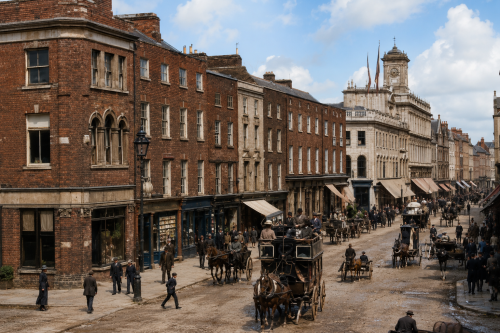
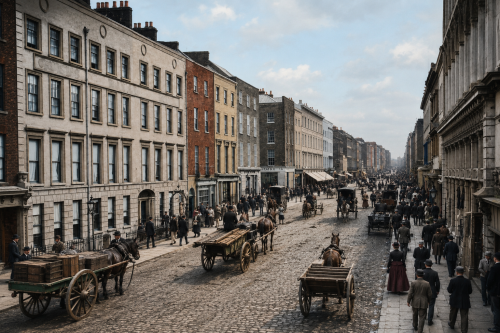
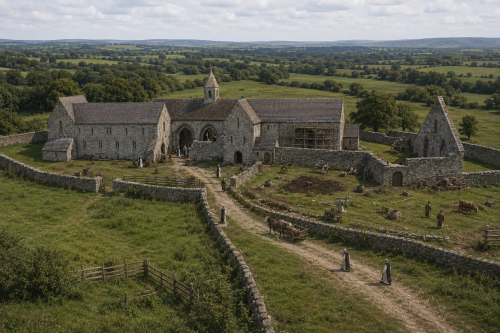
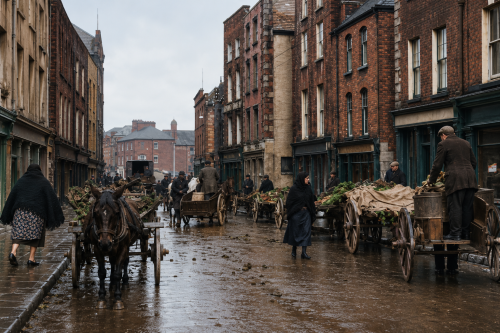
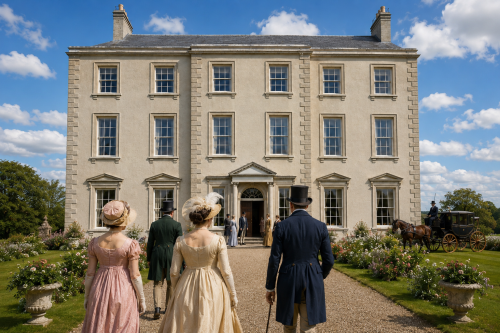
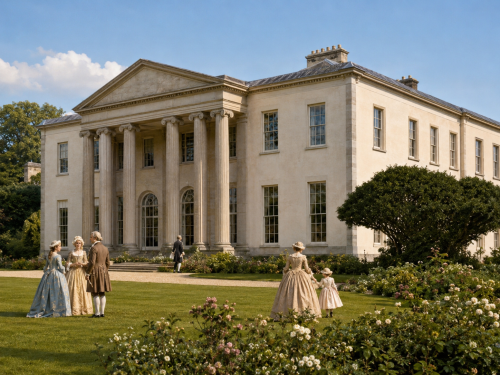
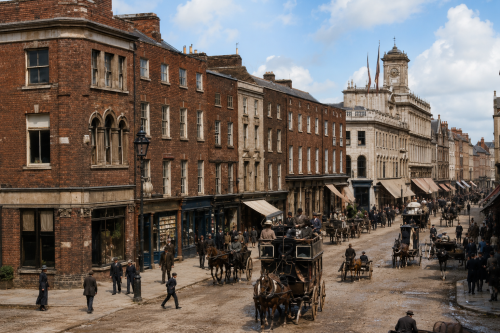
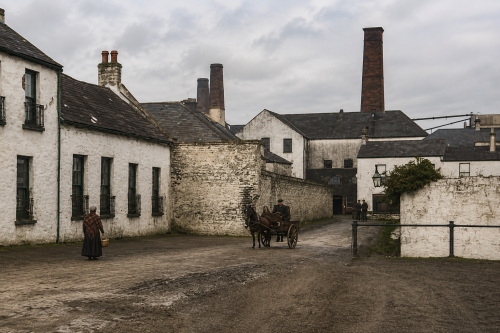
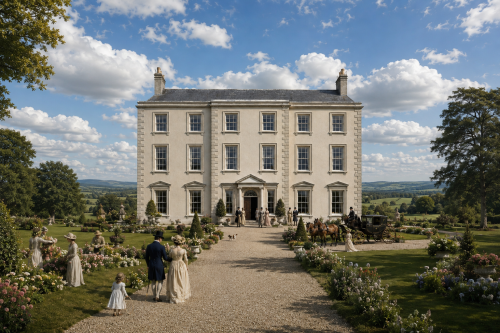
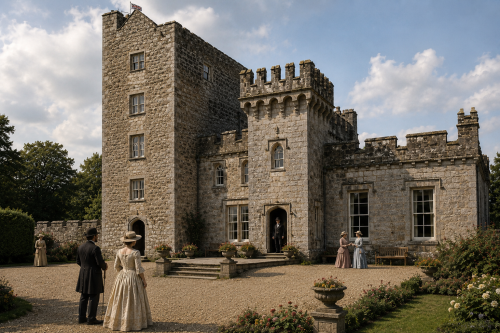
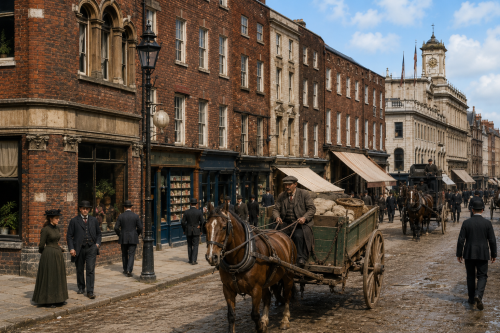
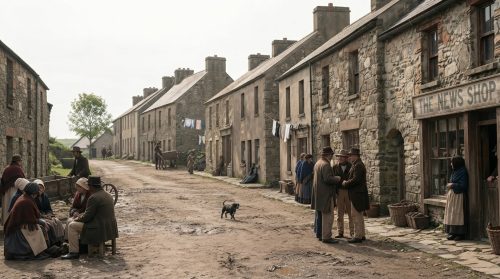
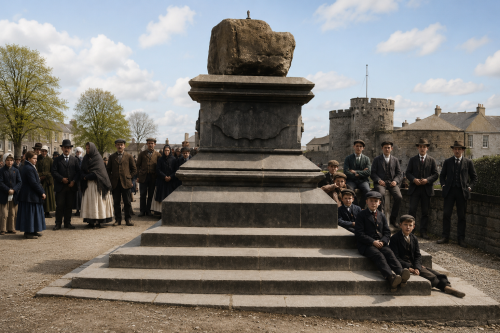
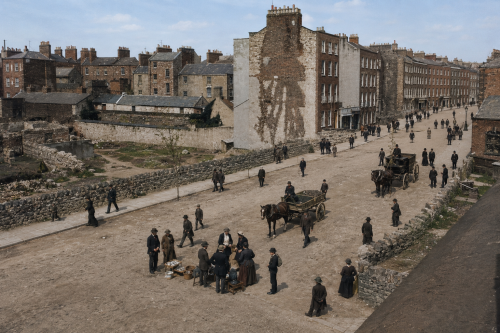
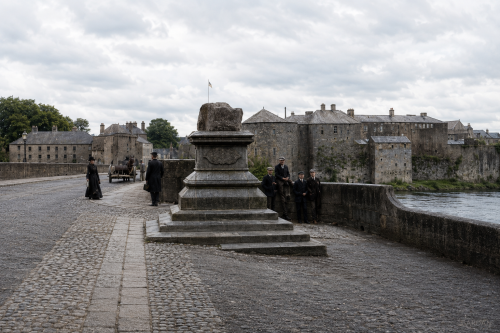
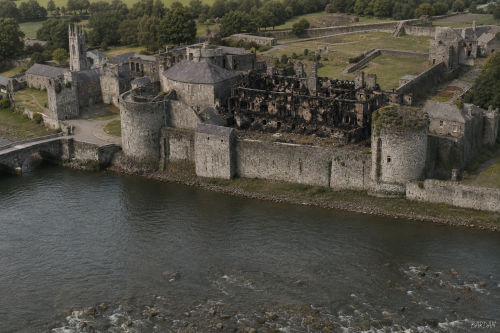
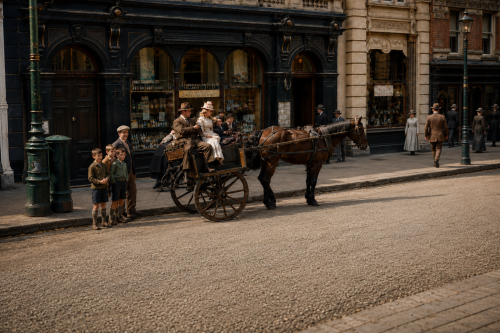
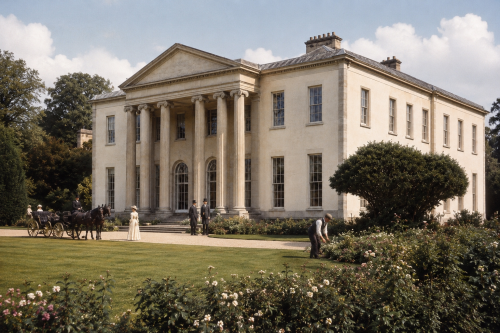
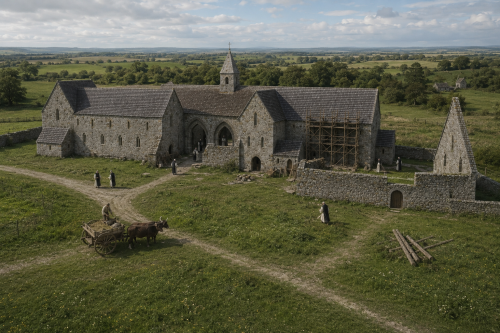
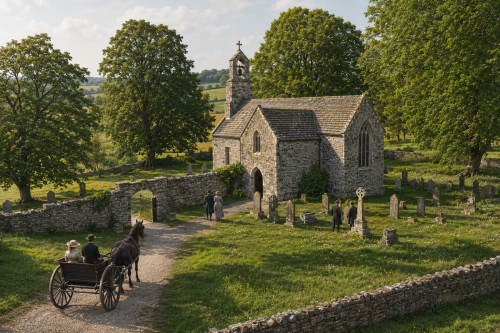
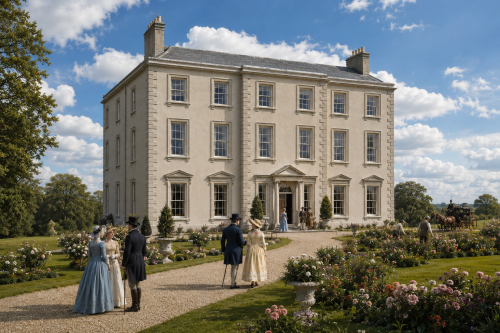
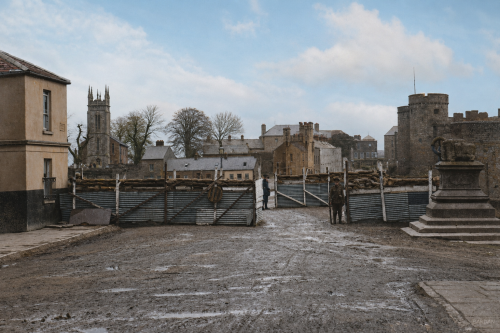
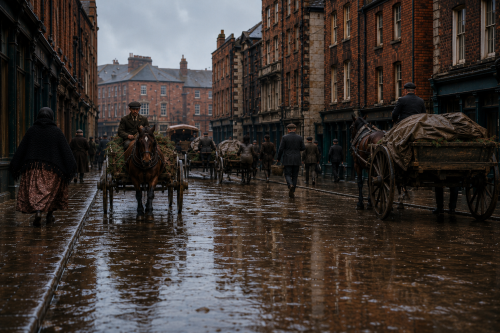
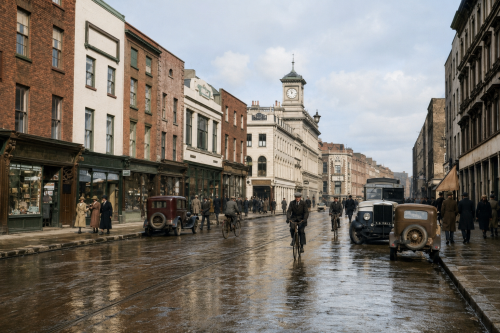
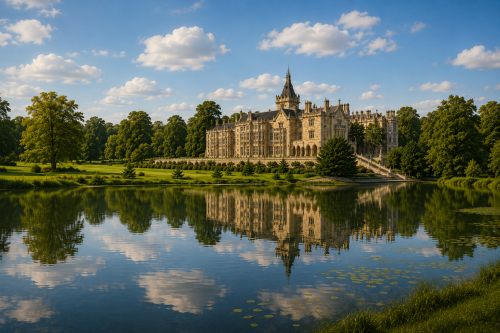
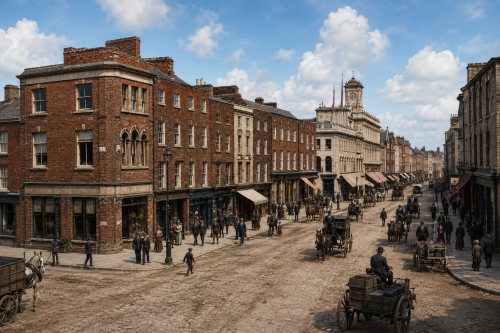
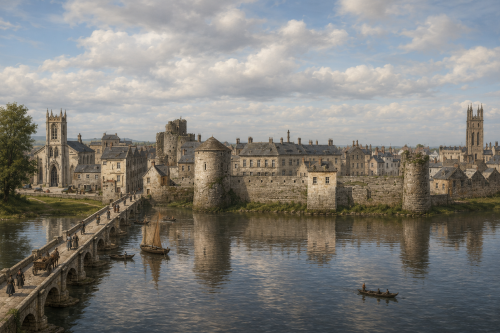
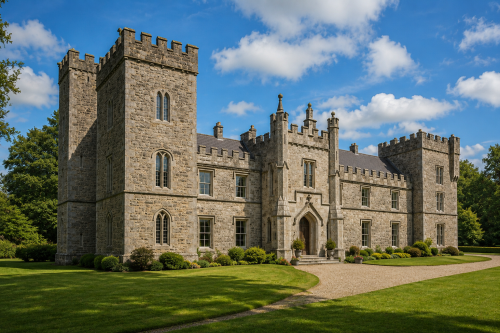
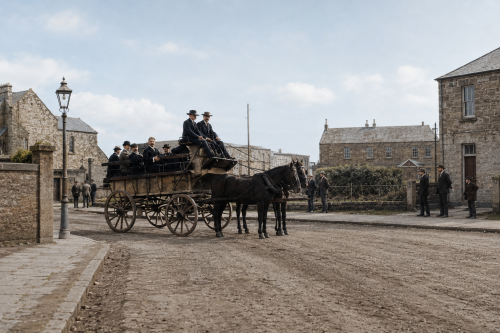
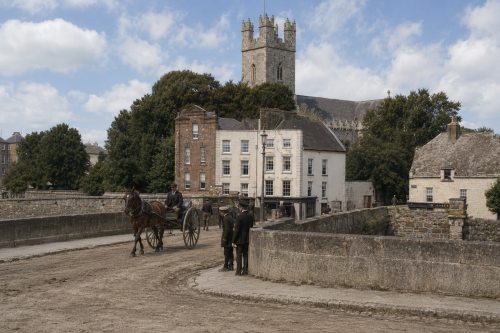
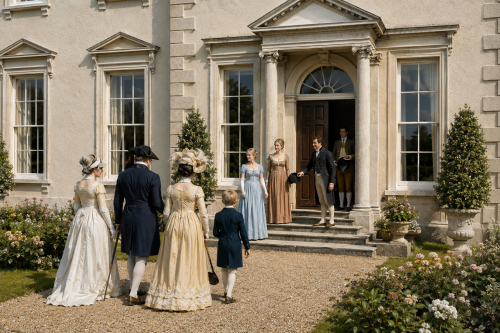
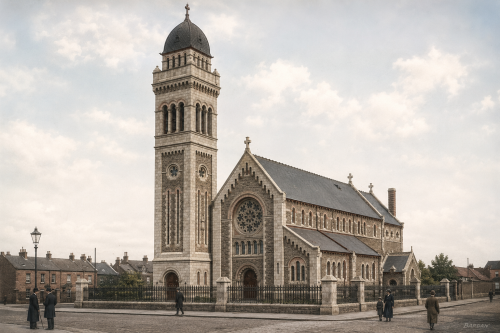
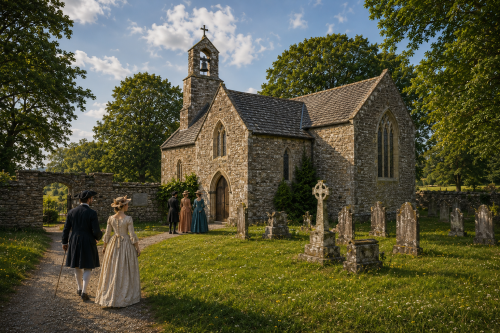
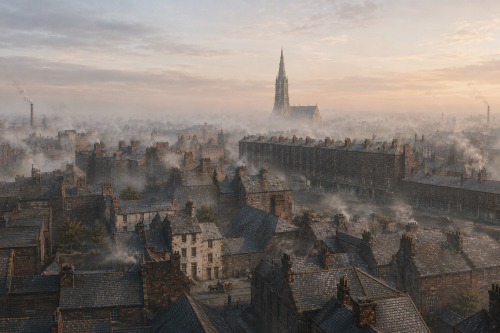
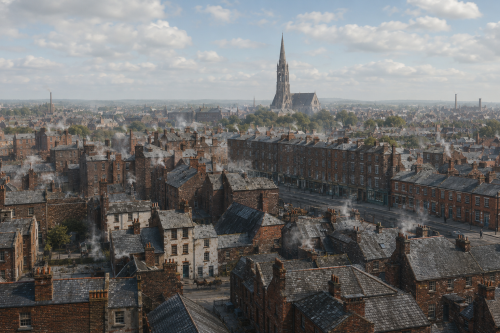
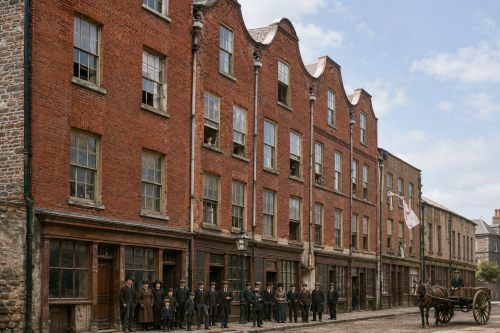
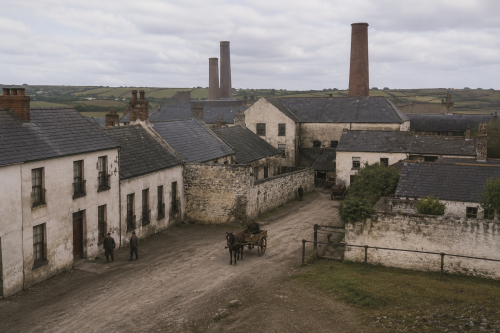
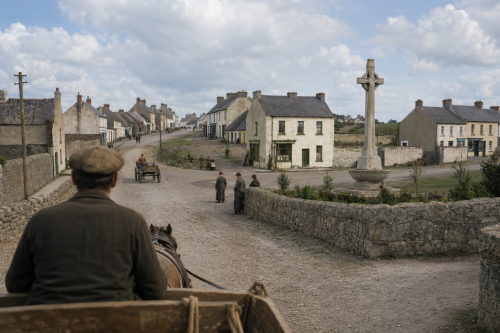
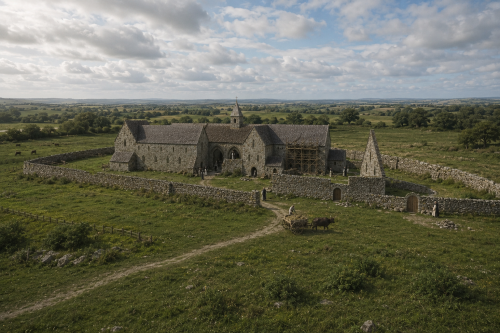
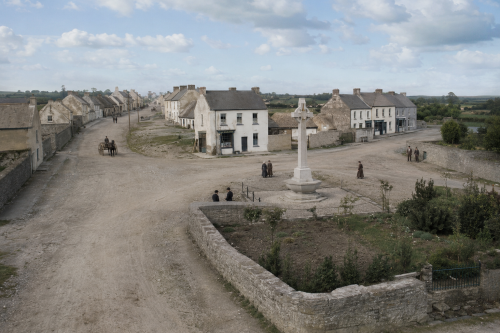
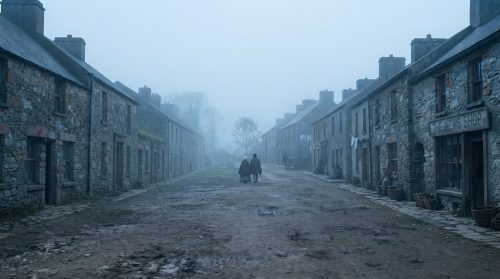
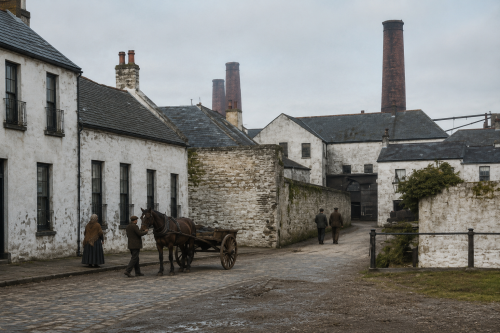
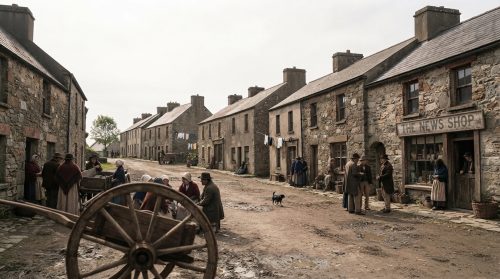
Ballingarry, in County Limerick, is a historic rural settlement situated between Rathkeale and Kilmallock, beneath the slopes of Knockfierna. Its history reaches deep into the medieval period, with records of churches, castles and lands associated with the Knights Templar. By the seventeenth century, Ballingarry had gained royal grants for weekly markets and annual fairs, reflecting its importance within the barony of Upper Connello. Nearby Knockfierna adds archaeological, folkloric and Famine-era significance to the landscape. This image is constructed based on available historical information, recreating Ballingarry as it may once have appeared within its historic County Limerick setting in earlier times.
View Image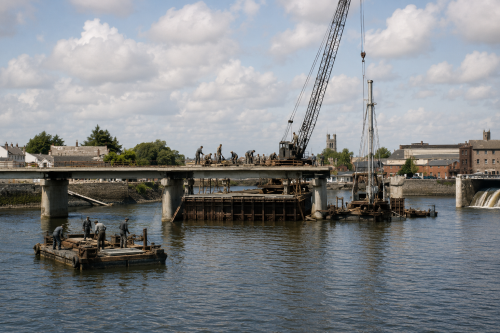


Guevara Visit
On 13 March 1965 Ernesto 'Che' Guevara arrived unexpectedly at Shannon Airport when his Prague to Havana service developed mechanical trouble, and he spent a brief night in Limerick. Local recollection places him at Hanratty's Hotel and in nearby public houses, where his presence provoked curiosity, conversation and quick newspaper copy. Journalists recorded movements and residents compared the visitor to distant revolutionary images, creating lively anecdote. The episode fused local social life with international politics and became a memorable collision of worldly celebrity and provincial routine that residents and later writers still recall with precision, humour and continued local interest.
View Article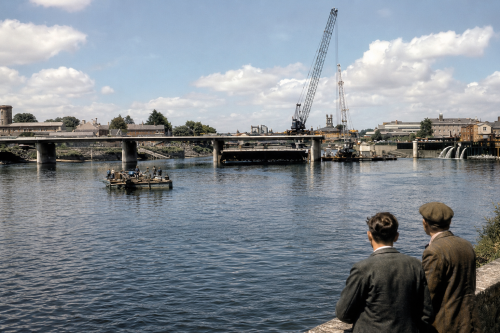
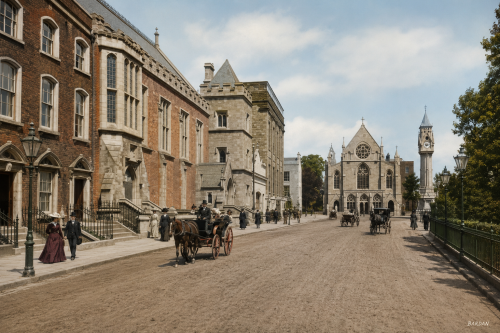






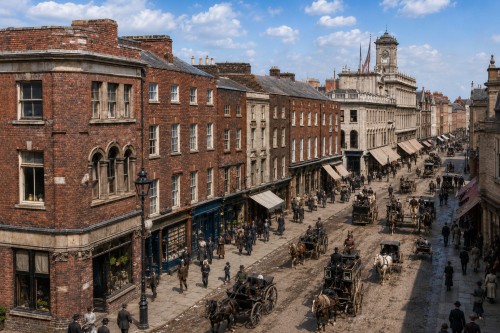
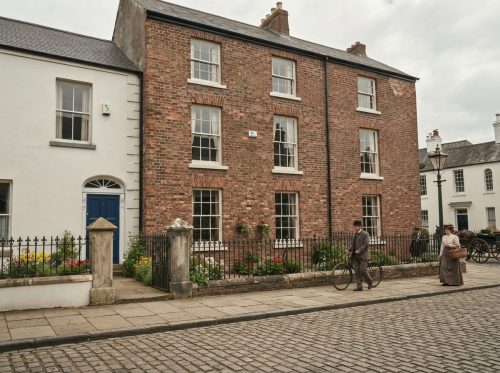
Curragower House
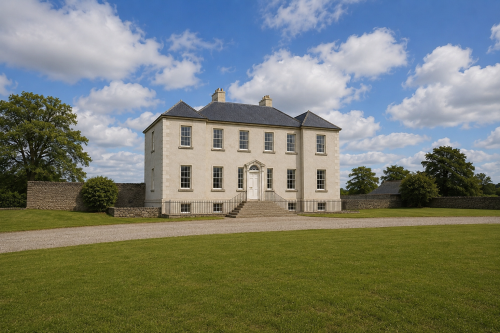
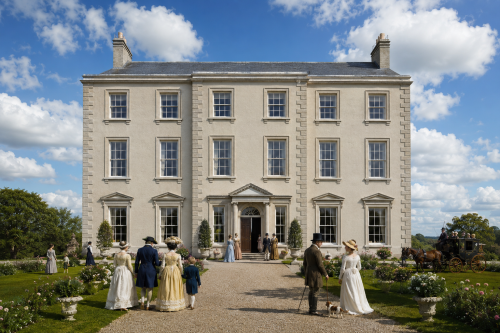
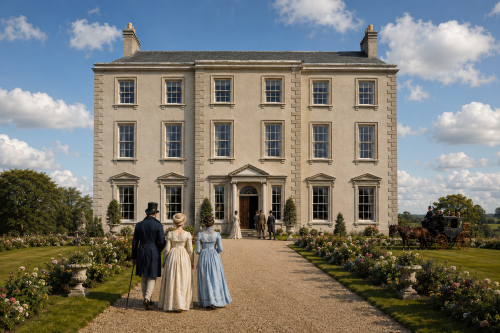
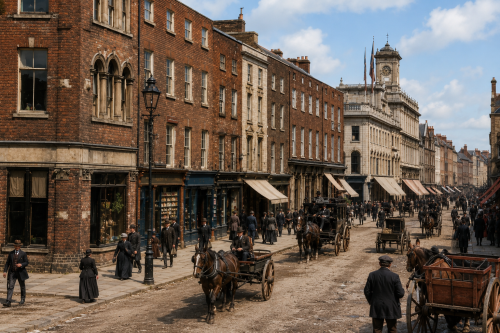
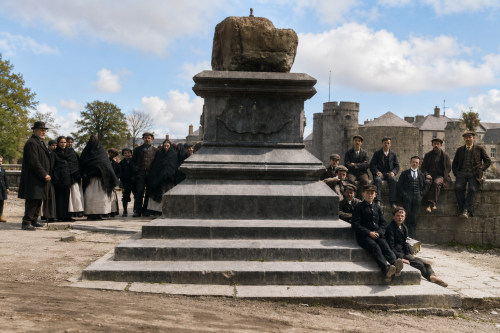
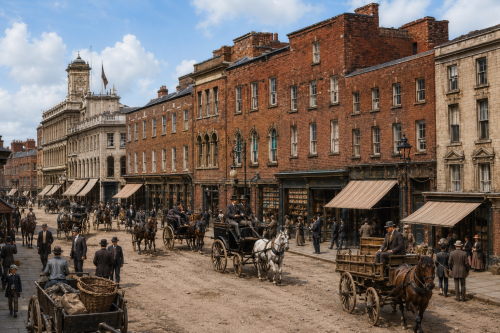
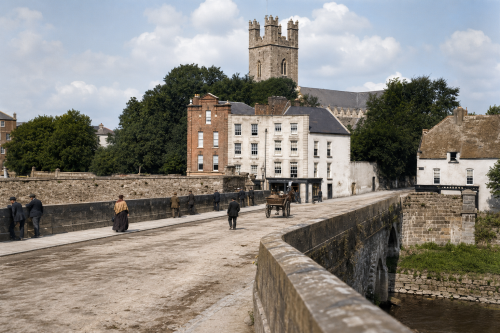
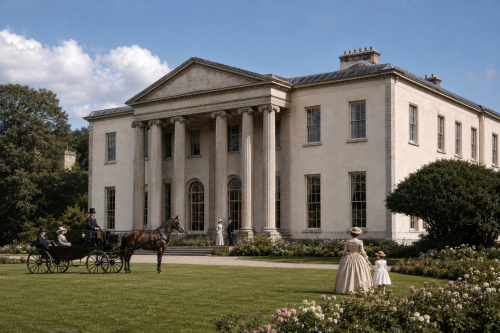
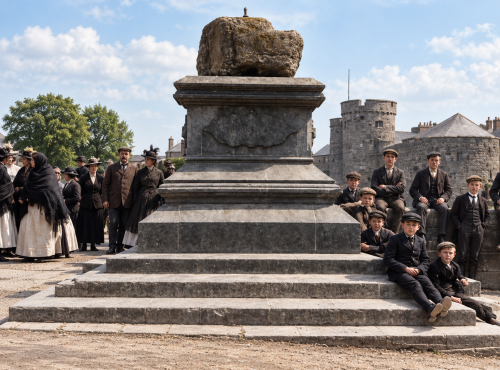
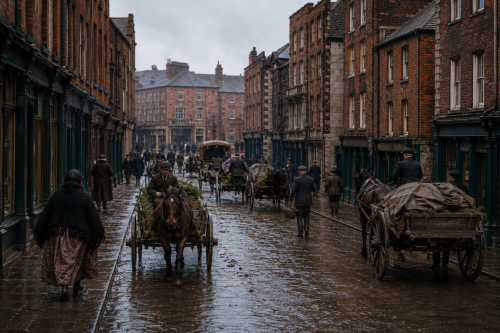
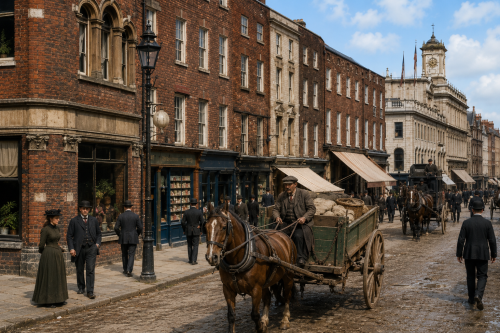
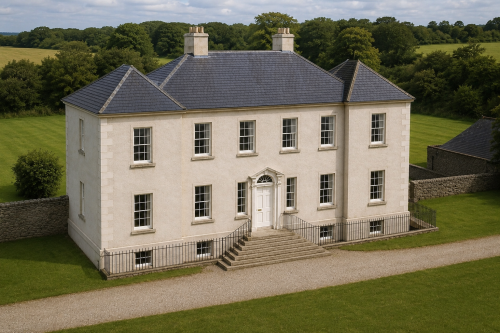
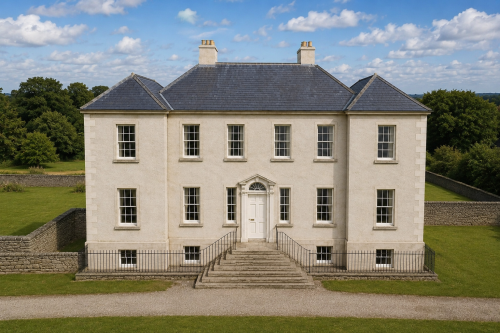
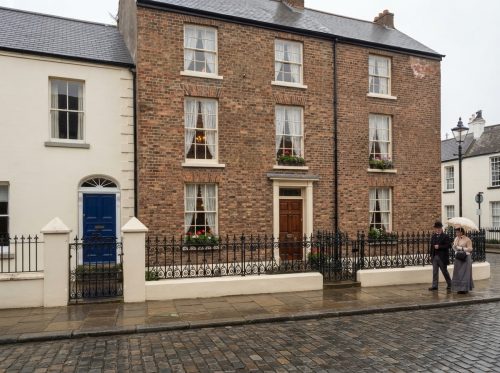
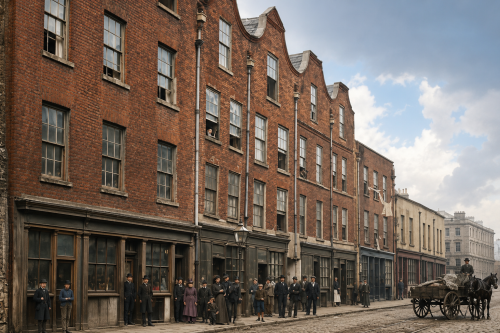
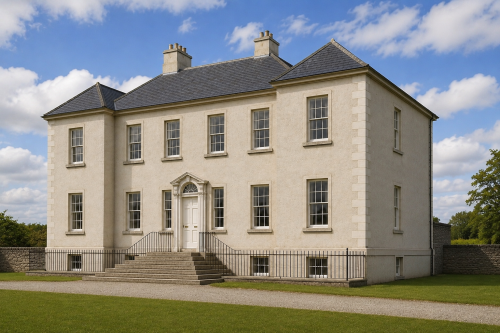
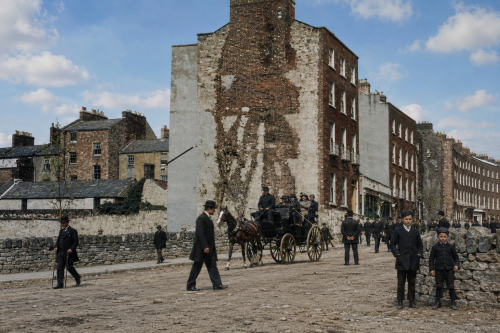
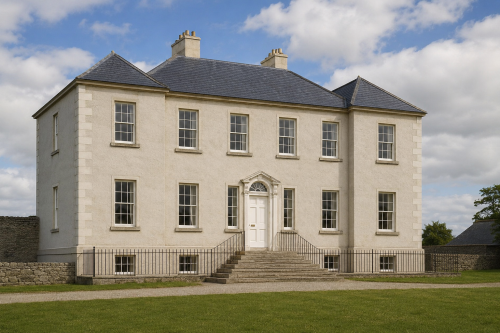
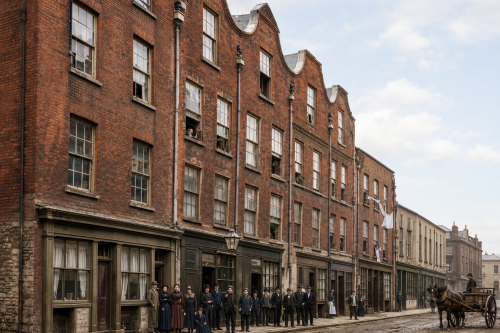
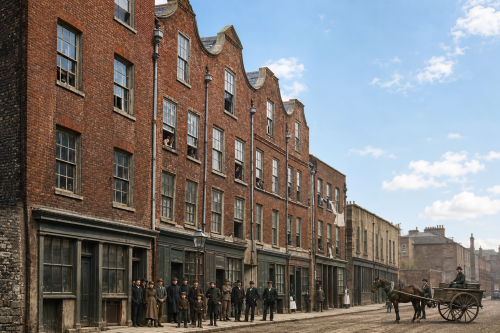
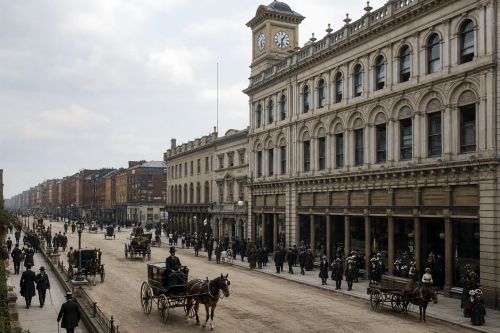
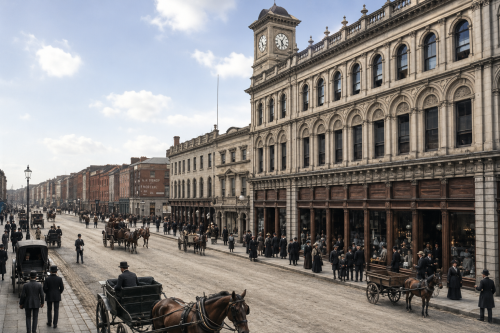
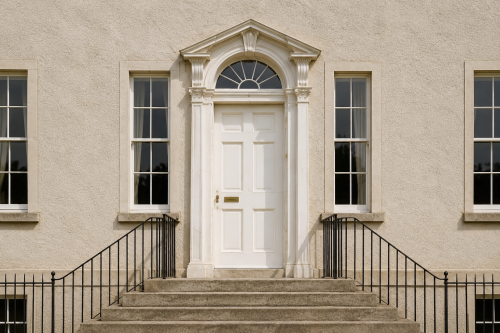
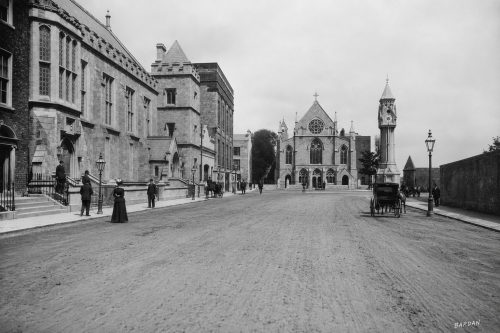
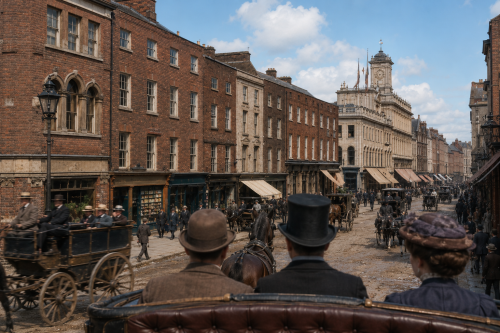
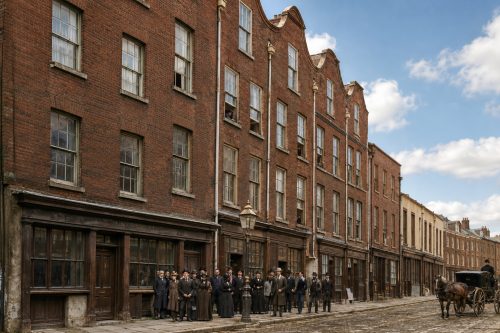
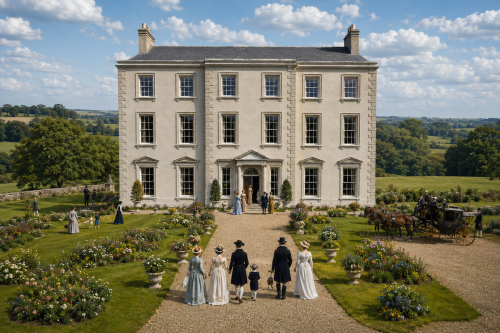
Curragower House stands prominently on Clancy’s Strand beside the River Shannon in Limerick, representing an important surviving element of the city’s nineteenth-century architectural heritage. Built in the Georgian tradition, the red-brick residence contributes strongly to the historic character of the waterfront streetscape. Its distinctive position overlooking the river has made it a familiar local landmark. In recent years, Curragower House became central to debates surrounding conservation, redevelopment and the protection of Limerick’s built heritage. Campaigns by residents and heritage advocates highlighted its architectural and cultural value, reinforcing wider concerns about preserving historic buildings within a changing modern urban environment today.
View Image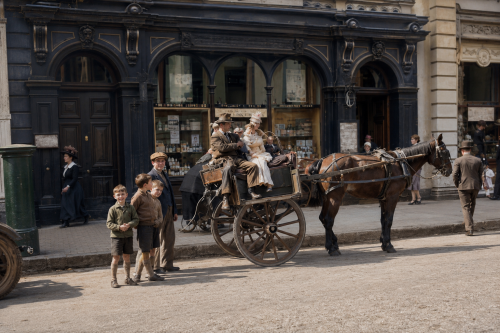
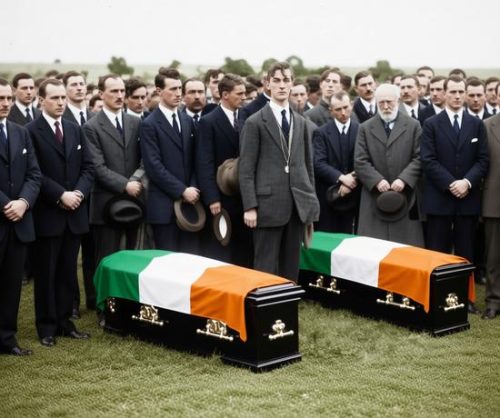
Curfew Murders
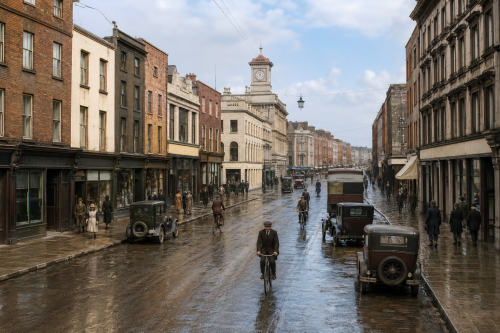
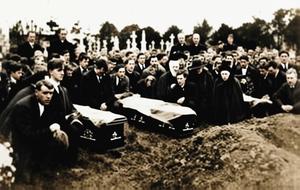
On the night of 6 and 7 March 1921 two civic leaders in Limerick were murdered in separate attacks at their homes. George Clancy, the sitting mayor, was shot dead at Castleview Gardens while his wife was wounded. Michael O'Callaghan, his immediate predecessor and fellow councillor, was killed at his house on O'Callaghan Strand. Both men were prominent nationalists and community figures. Contemporary newspapers, witness statements and parliamentary questions attributed the killings to members of the Royal Irish Constabulary Auxiliary Division acting as reprisal during an imposed curfew and Special Military Area. Their deaths shocked the city and reverberated locally.
View Article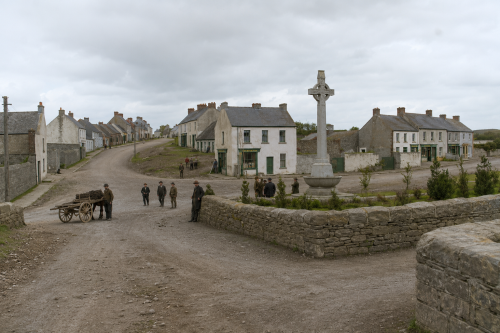

Ballingarry Village
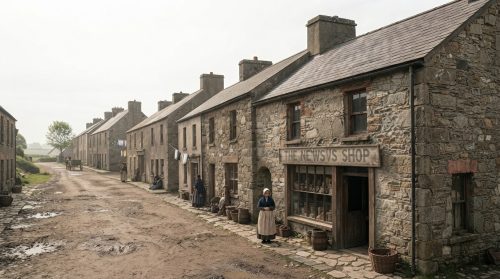
Ballingarry, in County Limerick, is a historic rural settlement situated between Rathkeale and Kilmallock, beneath the slopes of Knockfierna. Its history reaches deep into the medieval period, with records of churches, castles and lands associated with the Knights Templar. By the seventeenth century, Ballingarry had gained royal grants for weekly markets and annual fairs, reflecting its importance within the barony of Upper Connello. Nearby Knockfierna adds archaeological, folkloric and Famine-era significance to the landscape. This image is constructed based on available historical information, recreating Ballingarry as it may once have appeared within its historic County Limerick setting in earlier times.
View Image



Ballingarry Village
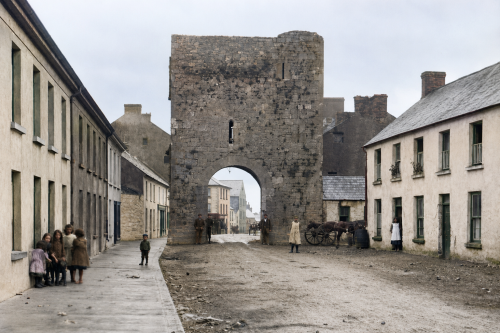
Ballingarry, in County Limerick, is a historic rural settlement situated between Rathkeale and Kilmallock, beneath the slopes of Knockfierna. Its history reaches deep into the medieval period, with records of churches, castles and lands associated with the Knights Templar. By the seventeenth century, Ballingarry had gained royal grants for weekly markets and annual fairs, reflecting its importance within the barony of Upper Connello. Nearby Knockfierna adds archaeological, folkloric and Famine-era significance to the landscape. This image is constructed based on available historical information, recreating Ballingarry as it may once have appeared within its historic County Limerick setting in earlier times.
View Image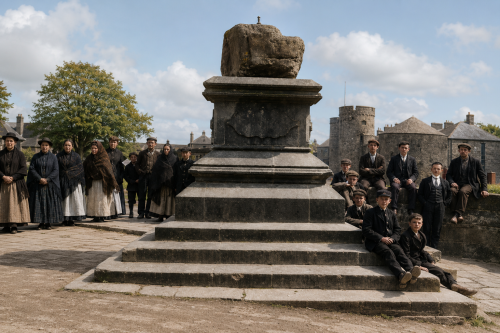



Ballingarry Village
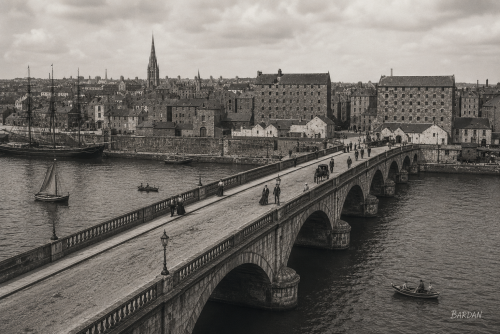
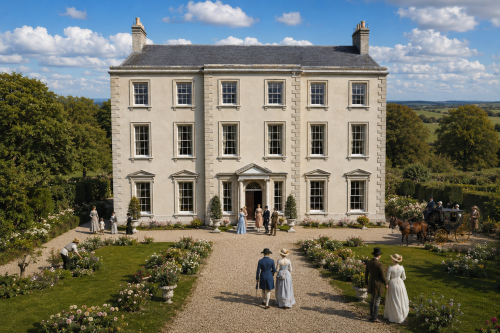
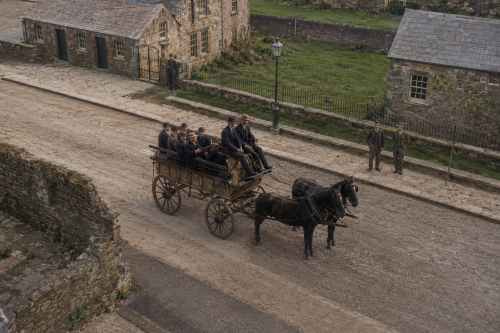
Ballingarry, in County Limerick, is a historic rural settlement situated between Rathkeale and Kilmallock, beneath the slopes of Knockfierna. Its history reaches deep into the medieval period, with records of churches, castles and lands associated with the Knights Templar. By the seventeenth century, Ballingarry had gained royal grants for weekly markets and annual fairs, reflecting its importance within the barony of Upper Connello. Nearby Knockfierna adds archaeological, folkloric and Famine-era significance to the landscape. This image is constructed based on available historical information, recreating Ballingarry as it may once have appeared within its historic County Limerick setting in earlier times.
View Image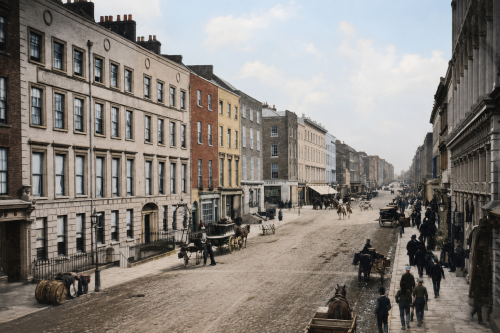
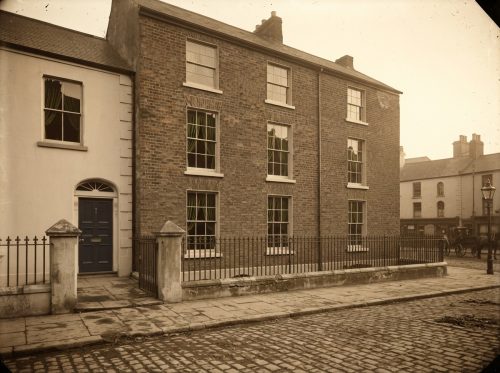
Curragower House
Curragower House stands prominently on Clancy’s Strand beside the River Shannon in Limerick, representing an important surviving element of the city’s nineteenth-century architectural heritage. Built in the Georgian tradition, the red-brick residence contributes strongly to the historic character of the waterfront streetscape. Its distinctive position overlooking the river has made it a familiar local landmark. In recent years, Curragower House became central to debates surrounding conservation, redevelopment and the protection of Limerick’s built heritage. Campaigns by residents and heritage advocates highlighted its architectural and cultural value, reinforcing wider concerns about preserving historic buildings within a changing modern urban environment today.
View Image
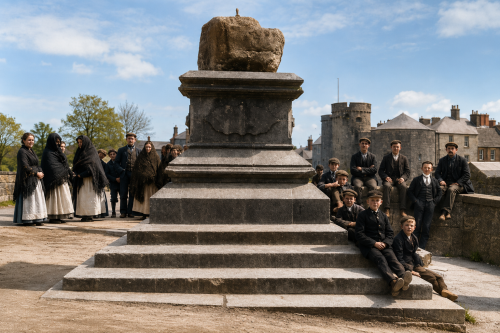
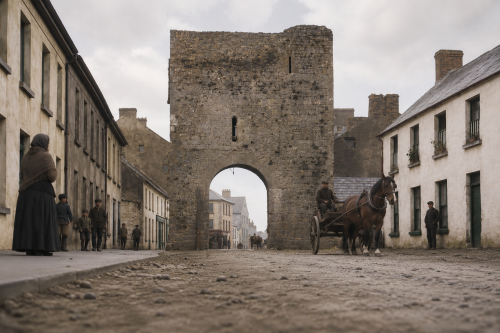
Gate Kilmallock
Blossom Gate is the last surviving medieval gateway of Kilmallock, County Limerick, once one of Ireland’s most strongly fortified towns. Originally one of five entrances through the defensive walls, it alone remains; St John’s, Water, Ivy and Friary gates have disappeared. Standing on Emmet Street, the three-storey stone tower spans the roadway above a pointed arched vault, marking where the town walls formerly joined it. The name may derive from “Blae Gate” or from the Irish word blá, meaning flower or blossom, combined with the French porte, meaning gate. Today, it is a prominent reminder of Kilmallock’s medieval importance and heritage.
View Image
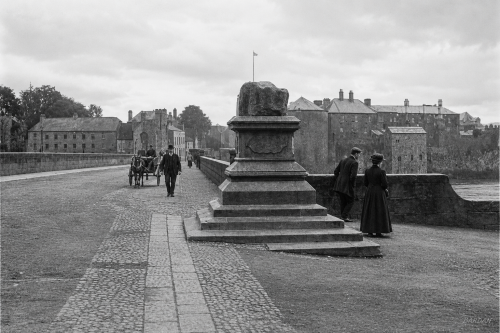






Curragower House
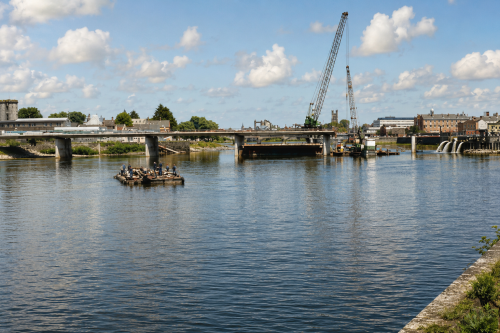
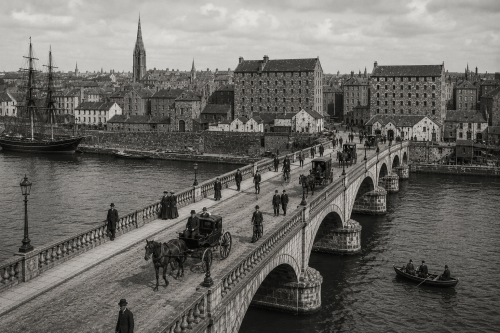
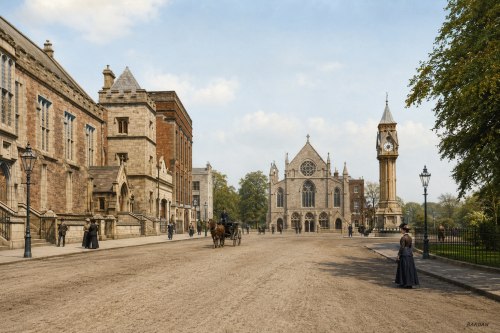
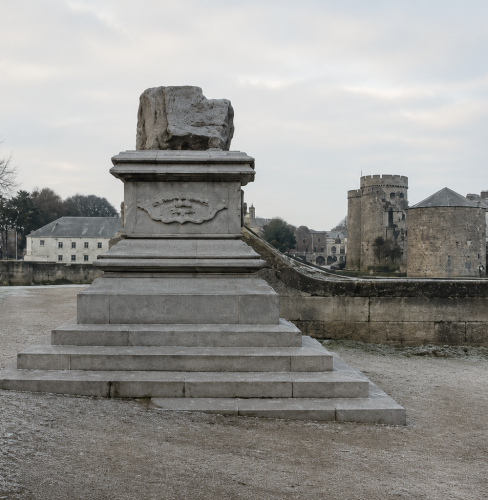
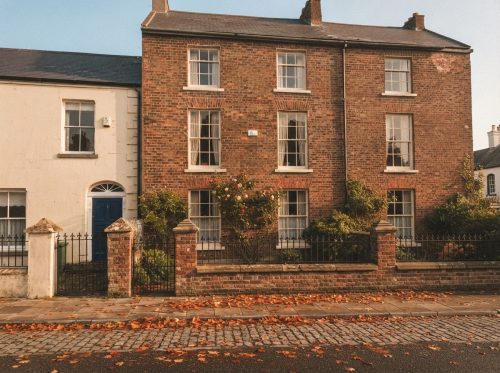
Curragower House stands prominently on Clancy’s Strand beside the River Shannon in Limerick, representing an important surviving element of the city’s nineteenth-century architectural heritage. Built in the Georgian tradition, the red-brick residence contributes strongly to the historic character of the waterfront streetscape. Its distinctive position overlooking the river has made it a familiar local landmark. In recent years, Curragower House became central to debates surrounding conservation, redevelopment and the protection of Limerick’s built heritage. Campaigns by residents and heritage advocates highlighted its architectural and cultural value, reinforcing wider concerns about preserving historic buildings within a changing modern urban environment today.
View Image
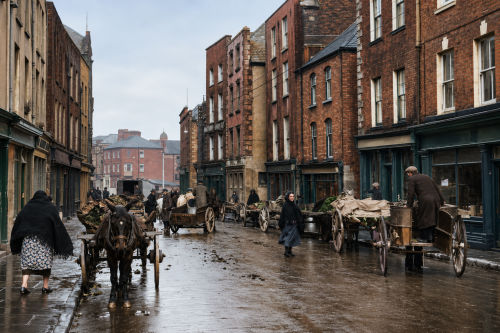
Feathery Bourke
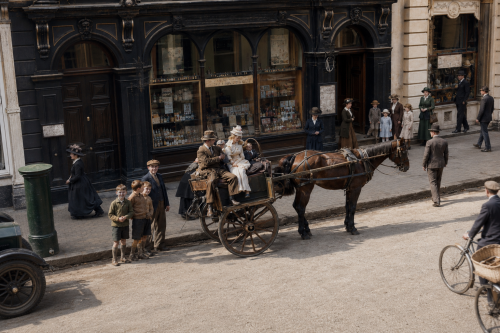
Feathery Bourke was a Limerick tradesman whose shop stood on the corner of High Street and Cornmarket Row. Locally he sold feathers, hides, scrap iron and small household goods and became widely known by the nickname Feathery because of his feather business. He was a recognisable figure in the mid twentieth century city streets and features in oral recollections, local photographs and a civic street art panel produced to record High Street’s past. His trade linked the city to rural suppliers and the pillow and eiderdown markets that sustained small scale feather merchants into nearby towns and seasonal harvests too.
View Article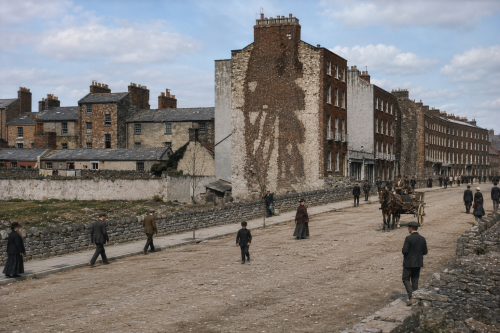

Ballingarry Village
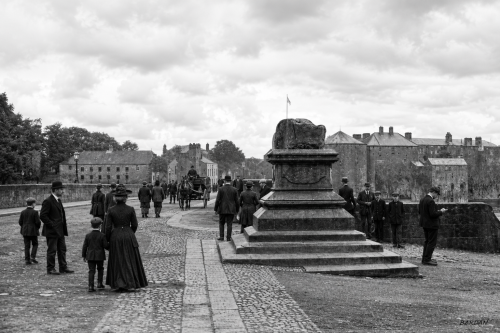
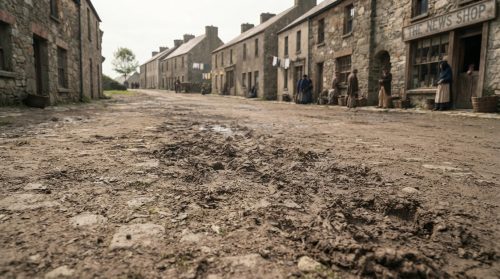
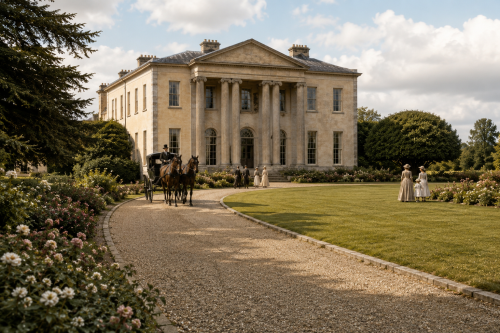
Ballingarry, in County Limerick, is a historic rural settlement situated between Rathkeale and Kilmallock, beneath the slopes of Knockfierna. Its history reaches deep into the medieval period, with records of churches, castles and lands associated with the Knights Templar. By the seventeenth century, Ballingarry had gained royal grants for weekly markets and annual fairs, reflecting its importance within the barony of Upper Connello. Nearby Knockfierna adds archaeological, folkloric and Famine-era significance to the landscape. This image is constructed based on available historical information, recreating Ballingarry as it may once have appeared within its historic County Limerick setting in earlier times.
View Image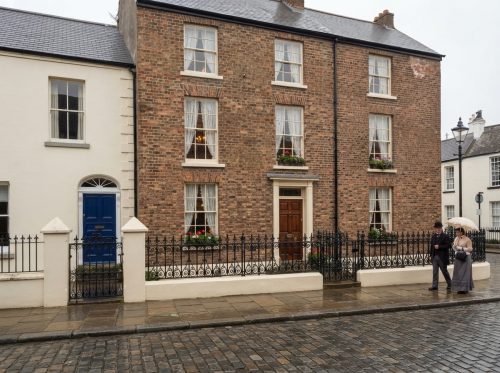
Curragower House
Curragower House stands prominently on Clancy’s Strand beside the River Shannon in Limerick, representing an important surviving element of the city’s nineteenth-century architectural heritage. Built in the Georgian tradition, the red-brick residence contributes strongly to the historic character of the waterfront streetscape. Its distinctive position overlooking the river has made it a familiar local landmark. In recent years, Curragower House became central to debates surrounding conservation, redevelopment and the protection of Limerick’s built heritage. Campaigns by residents and heritage advocates highlighted its architectural and cultural value, reinforcing wider concerns about preserving historic buildings within a changing modern urban environment today.
View Image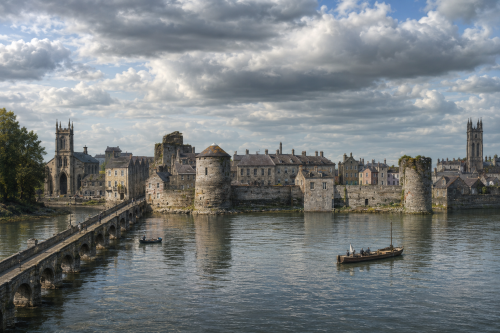




Gate Kilmallock
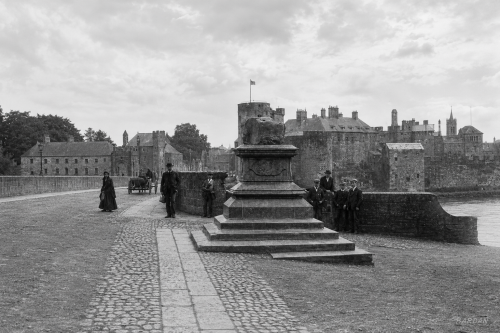
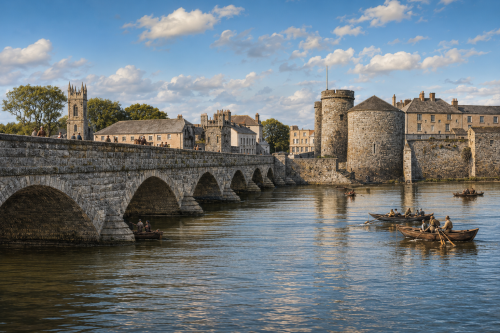
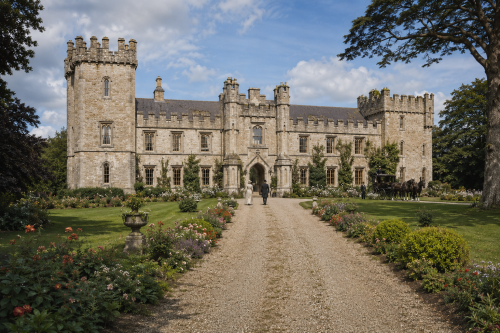
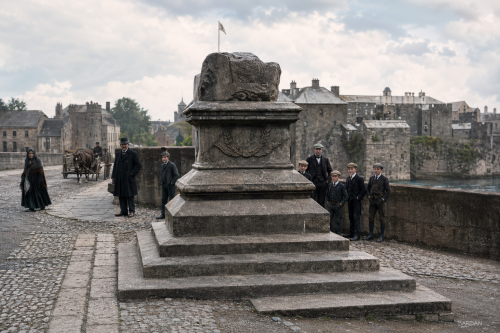
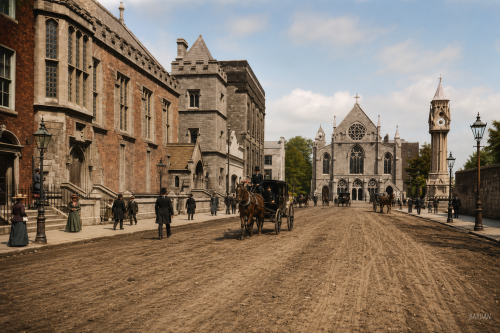
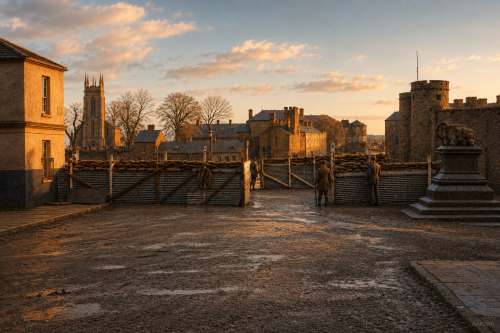
Blossom Gate is the last surviving medieval gateway of Kilmallock, County Limerick, once one of Ireland’s most strongly fortified towns. Originally one of five entrances through the defensive walls, it alone remains; St John’s, Water, Ivy and Friary gates have disappeared. Standing on Emmet Street, the three-storey stone tower spans the roadway above a pointed arched vault, marking where the town walls formerly joined it. The name may derive from “Blae Gate” or from the Irish word blá, meaning flower or blossom, combined with the French porte, meaning gate. Today, it is a prominent reminder of Kilmallock’s medieval importance and heritage.
View Image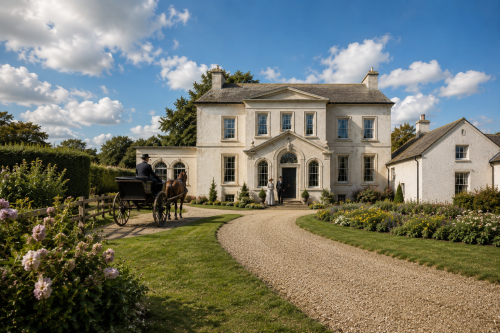
Gate Kilmallock
Blossom Gate is the last surviving medieval gateway of Kilmallock, County Limerick, once one of Ireland’s most strongly fortified towns. Originally one of five entrances through the defensive walls, it alone remains; St John’s, Water, Ivy and Friary gates have disappeared. Standing on Emmet Street, the three-storey stone tower spans the roadway above a pointed arched vault, marking where the town walls formerly joined it. The name may derive from “Blae Gate” or from the Irish word blá, meaning flower or blossom, combined with the French porte, meaning gate. Today, it is a prominent reminder of Kilmallock’s medieval importance and heritage.
View Image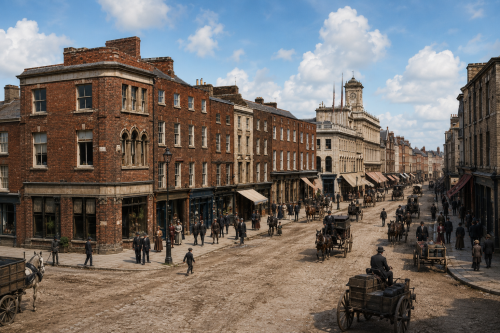
Gate Kilmallock
Blossom Gate is the last surviving medieval gateway of Kilmallock, County Limerick, once one of Ireland’s most strongly fortified towns. Originally one of five entrances through the defensive walls, it alone remains; St John’s, Water, Ivy and Friary gates have disappeared. Standing on Emmet Street, the three-storey stone tower spans the roadway above a pointed arched vault, marking where the town walls formerly joined it. The name may derive from “Blae Gate” or from the Irish word blá, meaning flower or blossom, combined with the French porte, meaning gate. Today, it is a prominent reminder of Kilmallock’s medieval importance and heritage.
View Image


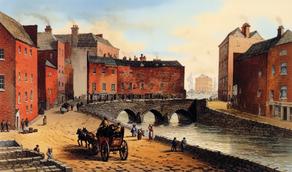
Luimneach Origins
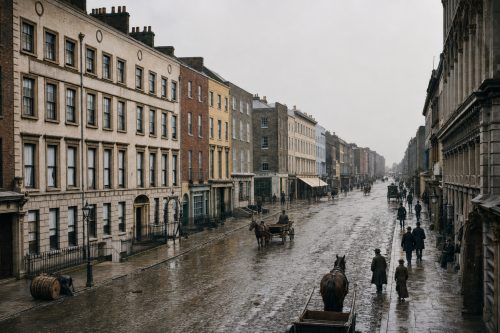
Early Christian tradition attributes the foundation of Luimneach to Saint Mainchín, often anglicised as Munchin, who is said to have established a church on an island in the Shannon during the sixth or seventh century. Local hagiography and diocesan memory continue to identify him as the patron of the emerging settlement. The place name Luimneach became attached to that foundation and to the broader riverside community. That ecclesiastical nucleus provided religious identity and a focal point for scattered rural populations, drawing parish dedications and later medieval memory even when documentary detail remained sparse and sometimes inconsistent and subject to reinterpretation.
View Article
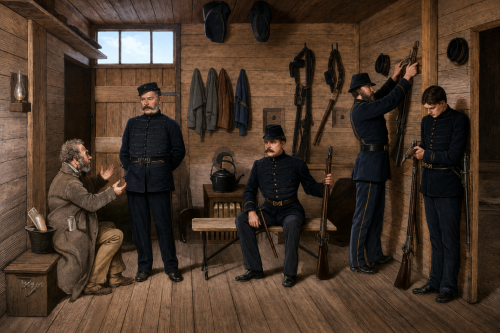
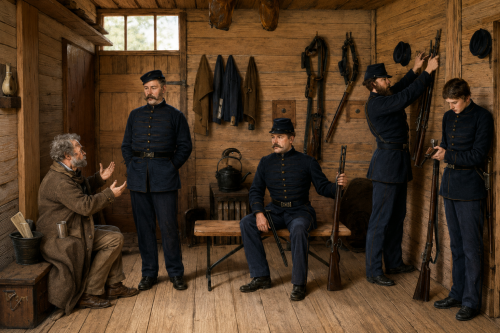
Tait Uniforms
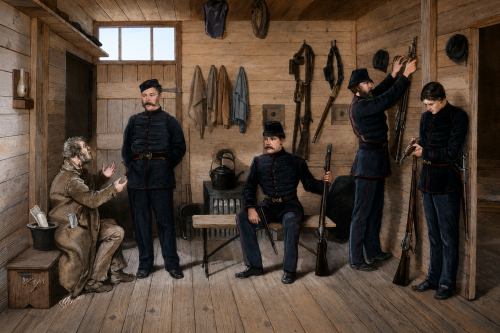
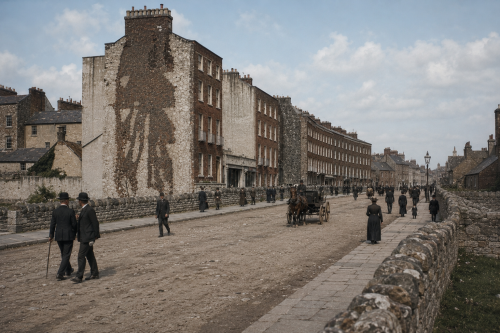
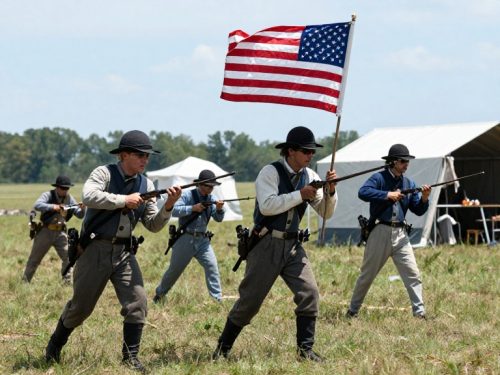
Peter Tait arrived in Limerick from Lerwick in the 1850s and established a mechanised clothing works that became a major employer in Newtown Pery. His factory produced civilian ready made garments and military clothing, adopting steam powered machinery and employing skilled operatives from Scotland and England. Local municipal minutes and contemporary directories record the factory footprint on Lord Edward Street with workshop wings reaching William Street and Baker Place. Tait became prominent in civic life, helped fund public amenities such as the Baker Place clock and served as mayor, reflecting his influence within mid nineteenth century Limerick and philanthropy locally.
View Article
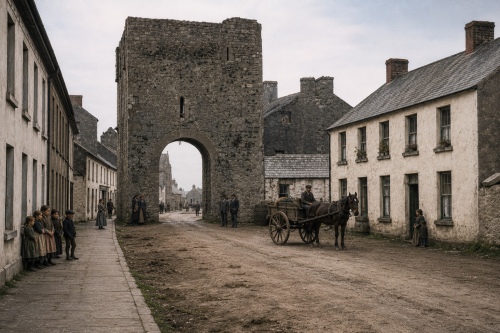
Gate Kilmallock
Blossom Gate is the last surviving medieval gateway of Kilmallock, County Limerick, once one of Ireland’s most strongly fortified towns. Originally one of five entrances through the defensive walls, it alone remains; St John’s, Water, Ivy and Friary gates have disappeared. Standing on Emmet Street, the three-storey stone tower spans the roadway above a pointed arched vault, marking where the town walls formerly joined it. The name may derive from “Blae Gate” or from the Irish word blá, meaning flower or blossom, combined with the French porte, meaning gate. Today, it is a prominent reminder of Kilmallock’s medieval importance and heritage.
View Image


Ballingarry Village
Ballingarry, in County Limerick, is a historic rural settlement situated between Rathkeale and Kilmallock, beneath the slopes of Knockfierna. Its history reaches deep into the medieval period, with records of churches, castles and lands associated with the Knights Templar. By the seventeenth century, Ballingarry had gained royal grants for weekly markets and annual fairs, reflecting its importance within the barony of Upper Connello. Nearby Knockfierna adds archaeological, folkloric and Famine-era significance to the landscape. This image is constructed based on available historical information, recreating Ballingarry as it may once have appeared within its historic County Limerick setting in earlier times.
View Image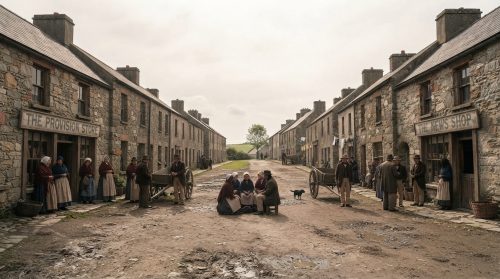
Ballingarry Village
Ballingarry, in County Limerick, is a historic rural settlement situated between Rathkeale and Kilmallock, beneath the slopes of Knockfierna. Its history reaches deep into the medieval period, with records of churches, castles and lands associated with the Knights Templar. By the seventeenth century, Ballingarry had gained royal grants for weekly markets and annual fairs, reflecting its importance within the barony of Upper Connello. Nearby Knockfierna adds archaeological, folkloric and Famine-era significance to the landscape. This image is constructed based on available historical information, recreating Ballingarry as it may once have appeared within its historic County Limerick setting in earlier times.
View Image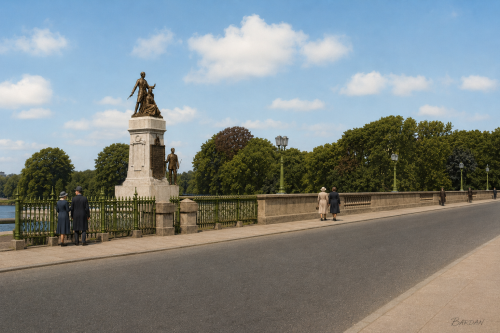

Ballingarry Village
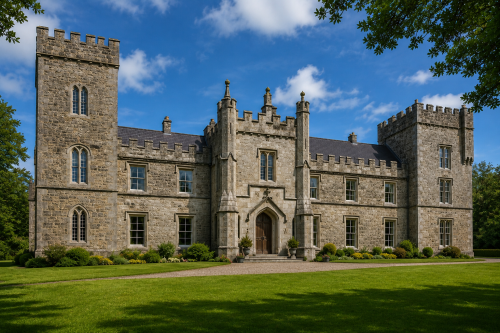
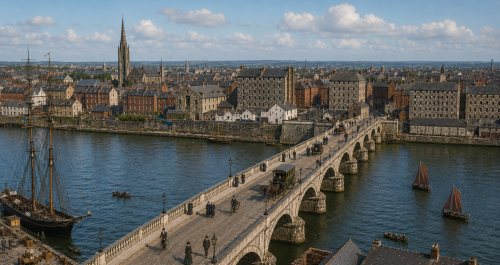
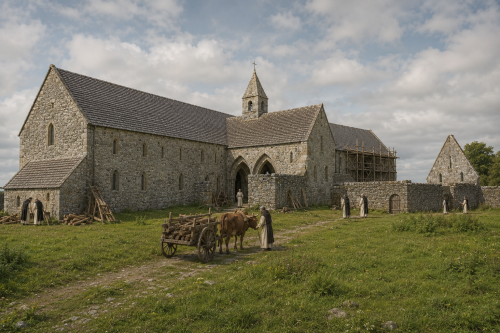
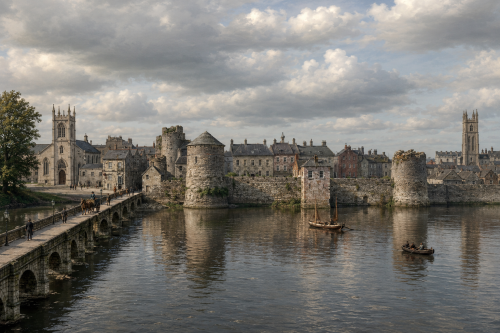
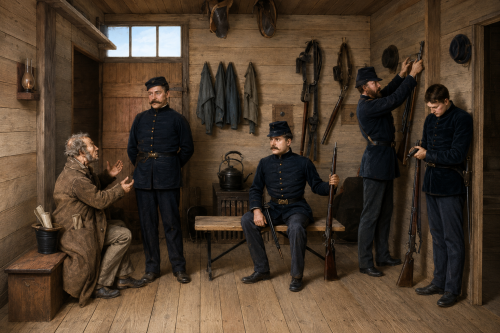
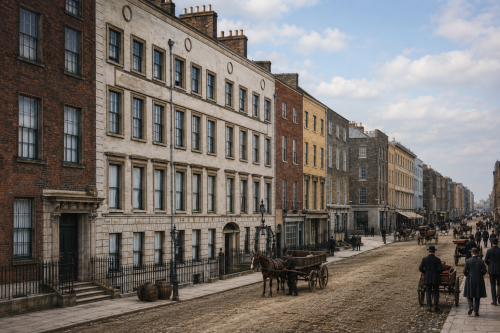
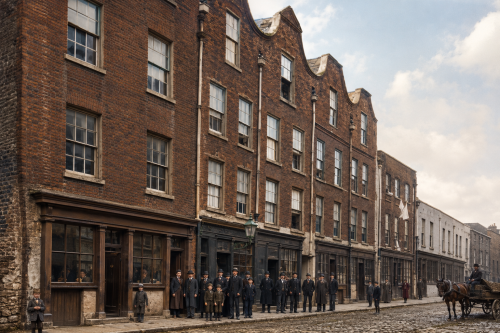
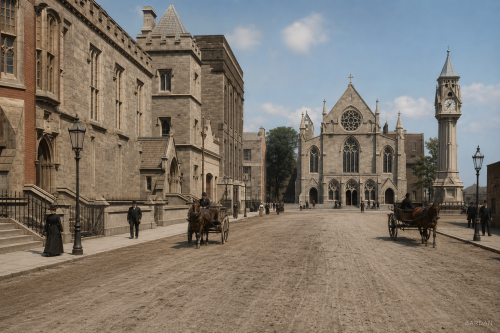
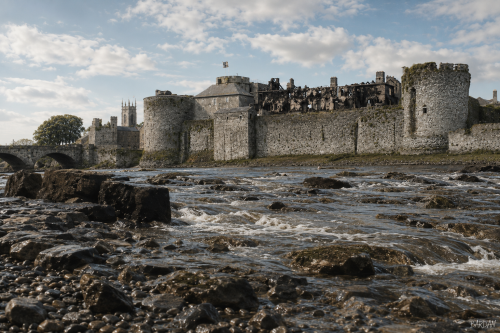
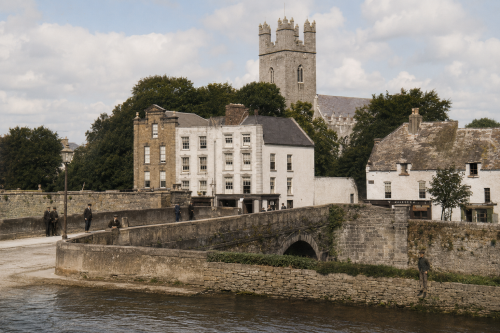
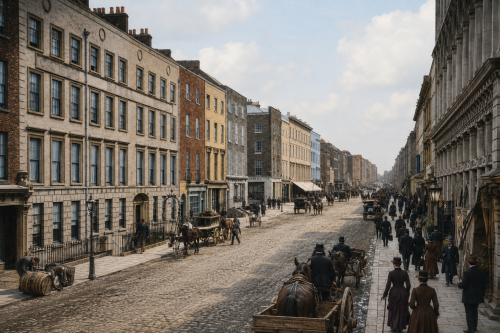
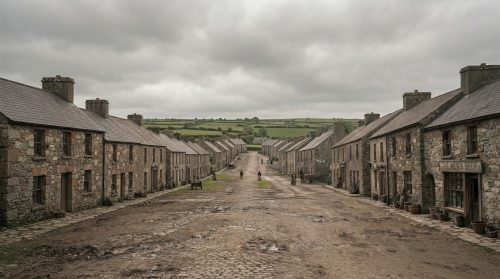
Ballingarry, in County Limerick, is a historic rural settlement situated between Rathkeale and Kilmallock, beneath the slopes of Knockfierna. Its history reaches deep into the medieval period, with records of churches, castles and lands associated with the Knights Templar. By the seventeenth century, Ballingarry had gained royal grants for weekly markets and annual fairs, reflecting its importance within the barony of Upper Connello. Nearby Knockfierna adds archaeological, folkloric and Famine-era significance to the landscape. This image is constructed based on available historical information, recreating Ballingarry as it may once have appeared within its historic County Limerick setting in earlier times.
View Image
Judge Adams
Richard Adams served as a County Court judge in Limerick during the late nineteenth and early twentieth centuries. Trained at the Irish bar, he was appointed to the County Court and sat at the County Courthouse, presiding over civil and criminal business on the Munster circuit. Contemporary newspaper reports described him as theatrical in court with sharp humour and a habit of delivering memorable, reported judgments reproduced in regional press. His style made him a public figure in Limerick, ensuring that Quarter Sessions and other sittings attracted local attention. Local archives preserve reports, minute books and recollections documenting his career.
View Article



Curragower House
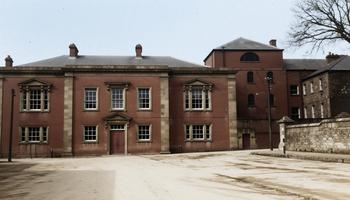
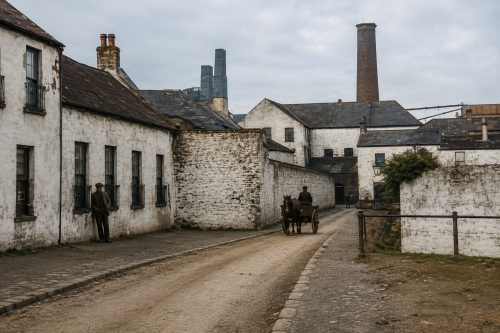
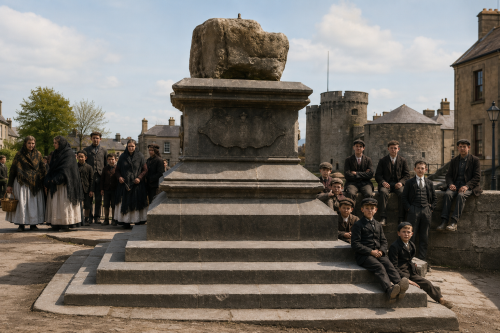
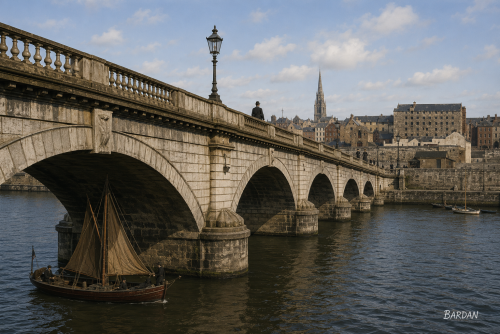
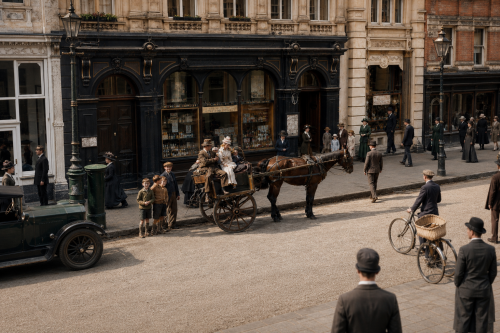
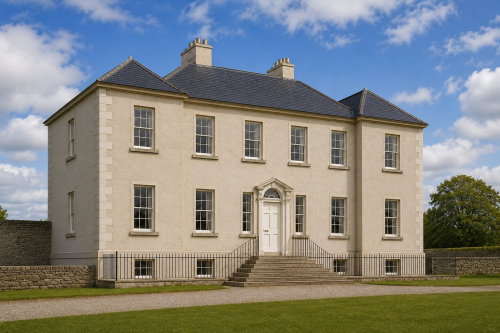
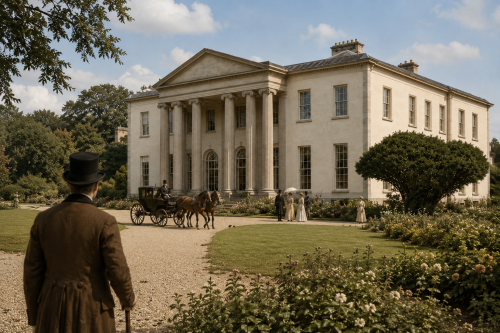
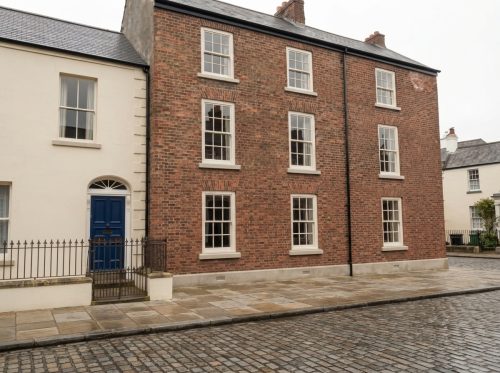
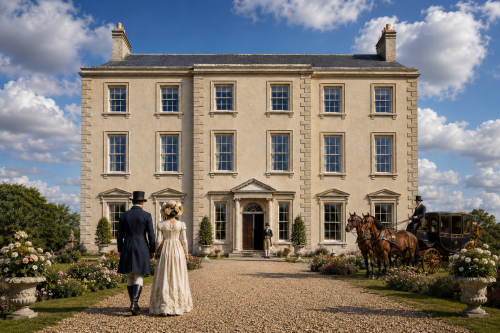
Curragower House stands prominently on Clancy’s Strand beside the River Shannon in Limerick, representing an important surviving element of the city’s nineteenth-century architectural heritage. Built in the Georgian tradition, the red-brick residence contributes strongly to the historic character of the waterfront streetscape. Its distinctive position overlooking the river has made it a familiar local landmark. In recent years, Curragower House became central to debates surrounding conservation, redevelopment and the protection of Limerick’s built heritage. Campaigns by residents and heritage advocates highlighted its architectural and cultural value, reinforcing wider concerns about preserving historic buildings within a changing modern urban environment today.
View Image
Limerick Foundation
Limerick occupies a strategic bend of the River Shannon where an island at the river throat provided defensive advantage and a focal point for settlement. Archaeological, annalistic and cartographic evidence indicate human occupation here before the medieval period. Medieval sources record monastic houses and Gaelic ringforts and later topography suggests their locations. By the early tenth century maritime activity intensified and a Norse longphort or ship camp became established on King’s Island. Later narratives compress centuries but the city’s enduring urban nucleus traces to a Viking shore base established on the island in the early medieval era in regional history.
View Article


Fenton Limerick
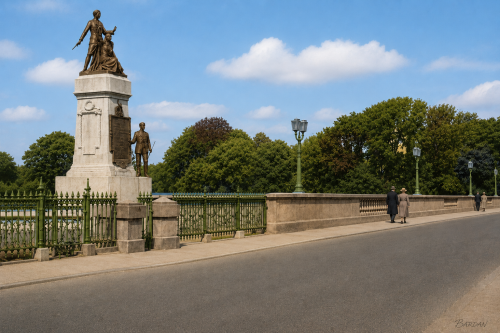
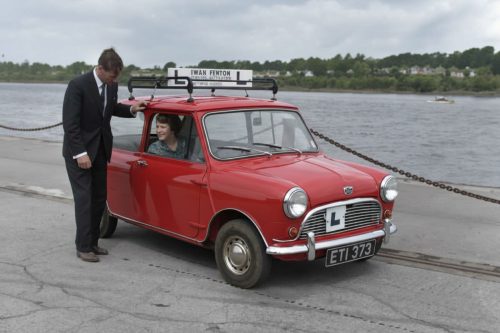
Ewan Fenton arrived in Limerick as player-manager of Limerick F.C. and quickly became one of the most influential figures in the club’s history. His leadership, skill and tactical understanding transformed the team and captured the imagination of the entire city. During his years at the club, thousands of supporters regularly packed the Market’s Field, creating an atmosphere remembered with enormous affection by generations of local football followers. Fenton’s contribution extended far beyond results on the pitch, strengthening the connection between the team and its community. His name remains closely associated with a proud and unforgettable period in Limerick football history.
View Image


Treaty City
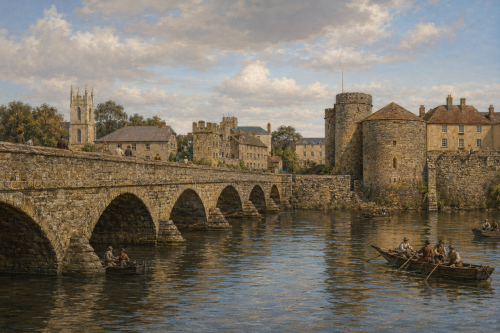
Limerick’s popular nickname, Treaty City, derives from events surrounding the Treaty of Limerick signed in October 1691 at the close of the Williamite War in Ireland. After prolonged resistance and sieges in 1690 and 1691, Jacobite commanders negotiated terms of surrender with Williamite officers within sight of Thomond Bridge. The settlement promised protections for soldiers and civilians who submitted, allowing many Irish troops to depart for continental service and offering limited legal guarantees for inhabitants who accepted the new government. Local commemorations and the surviving Treaty Stone preserved association between the city and that negotiated settlement in municipal memory tradition.
View Article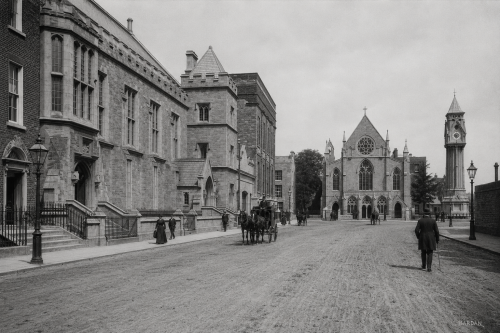
Flannery Legacy
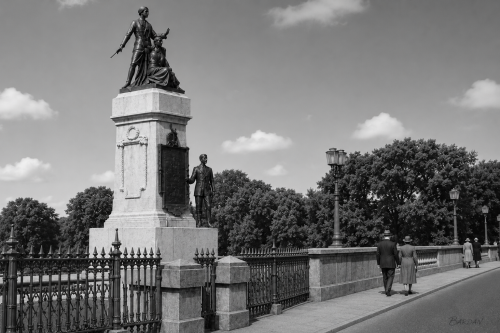
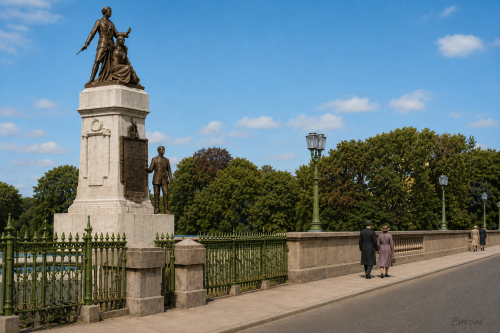
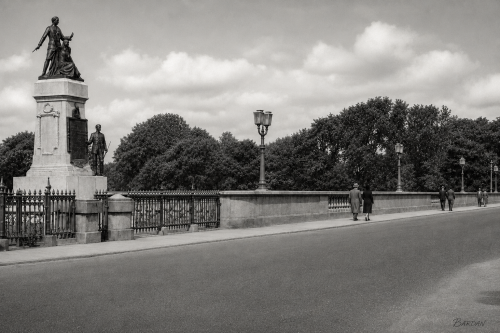
Lot Flannery was a stone carver born in County Limerick who emigrated to the United States in the mid nineteenth century and established a workshop in Washington, D.C. He and his brothers operated a substantial stone and marble carving business that produced civic commissions, funerary monuments and architectural carving across the capital. Flannery is best known for carving the 1868 marble statue of Abraham Lincoln erected outside the old District of Columbia City Hall, the oldest surviving Lincoln monument in the city. Contemporary newspapers and municipal records document his workshops, commissions and public unveilings. Photographs and civic minutes corroborate dates.
View Article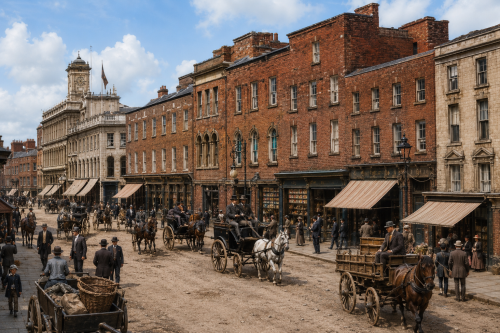
Fenton Limerick
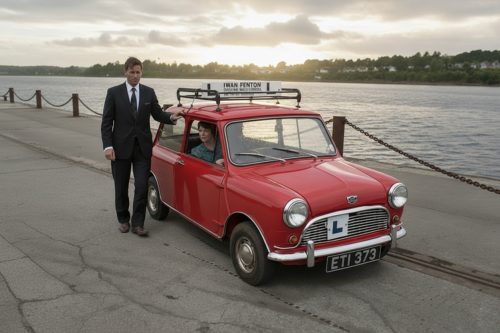
Ewan Fenton arrived in Limerick as player-manager of Limerick F.C. and quickly became one of the most influential figures in the club’s history. His leadership, skill and tactical understanding transformed the team and captured the imagination of the entire city. During his years at the club, thousands of supporters regularly packed the Market’s Field, creating an atmosphere remembered with enormous affection by generations of local football followers. Fenton’s contribution extended far beyond results on the pitch, strengthening the connection between the team and its community. His name remains closely associated with a proud and unforgettable period in Limerick football history.
View Image
Ballingarry Village
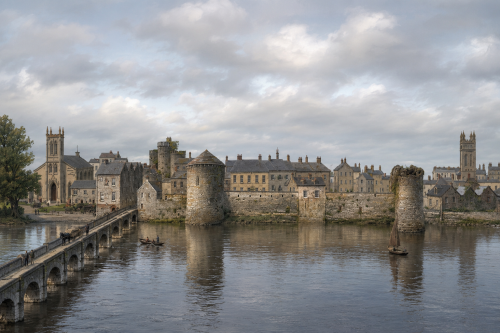
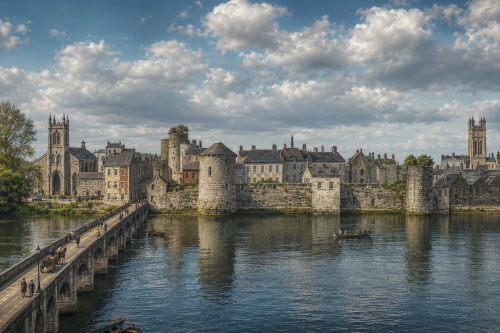
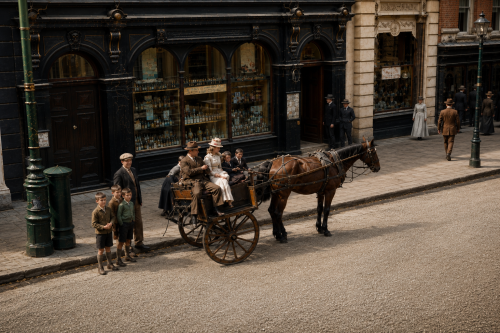
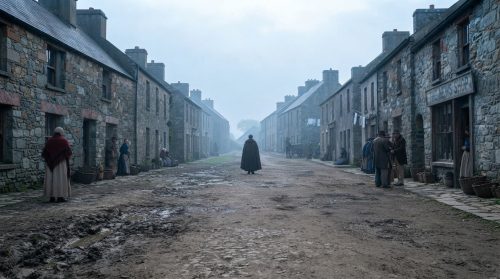
Ballingarry, in County Limerick, is a historic rural settlement situated between Rathkeale and Kilmallock, beneath the slopes of Knockfierna. Its history reaches deep into the medieval period, with records of churches, castles and lands associated with the Knights Templar. By the seventeenth century, Ballingarry had gained royal grants for weekly markets and annual fairs, reflecting its importance within the barony of Upper Connello. Nearby Knockfierna adds archaeological, folkloric and Famine-era significance to the landscape. This image is constructed based on available historical information, recreating Ballingarry as it may once have appeared within its historic County Limerick setting in earlier times.
View Image



Edward Walsh
Dr Edward M. Walsh was appointed founding president of the National Institute for Higher Education, Limerick, and he led its creation and early development into the institution that later became the University of Limerick. In that role he introduced modular degree structures and established a formal cooperative education programme with industry placements that linked academic study to employment. Walsh cultivated partnerships with business, civic bodies and public agencies, reshaping expectations of a regional third-level institution. His energetic public role made higher education reform a visible part of Limerick’s civic agenda through the 1970s and 1980s and informed subsequent institutional strategy.
View Article
Ballingarry Village
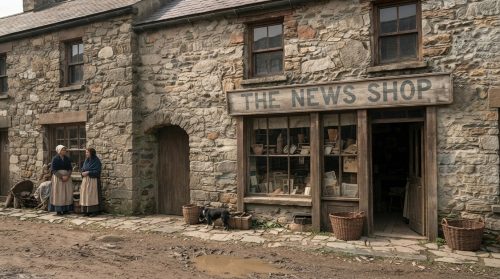
Ballingarry, in County Limerick, is a historic rural settlement situated between Rathkeale and Kilmallock, beneath the slopes of Knockfierna. Its history reaches deep into the medieval period, with records of churches, castles and lands associated with the Knights Templar. By the seventeenth century, Ballingarry had gained royal grants for weekly markets and annual fairs, reflecting its importance within the barony of Upper Connello. Nearby Knockfierna adds archaeological, folkloric and Famine-era significance to the landscape. This image is constructed based on available historical information, recreating Ballingarry as it may once have appeared within its historic County Limerick setting in earlier times.
View Image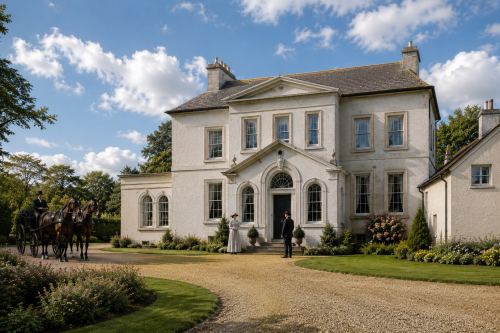

Ballingarry Village
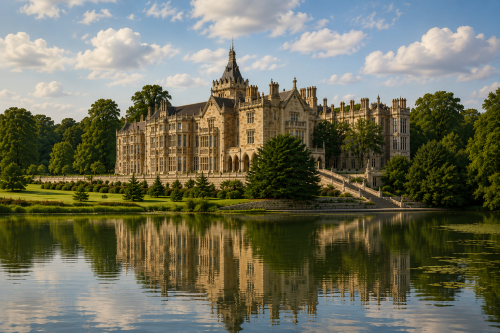
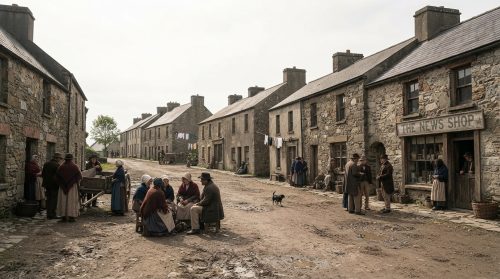
Ballingarry, in County Limerick, is a historic rural settlement situated between Rathkeale and Kilmallock, beneath the slopes of Knockfierna. Its history reaches deep into the medieval period, with records of churches, castles and lands associated with the Knights Templar. By the seventeenth century, Ballingarry had gained royal grants for weekly markets and annual fairs, reflecting its importance within the barony of Upper Connello. Nearby Knockfierna adds archaeological, folkloric and Famine-era significance to the landscape. This image is constructed based on available historical information, recreating Ballingarry as it may once have appeared within its historic County Limerick setting in earlier times.
View Image


Fenton Limerick
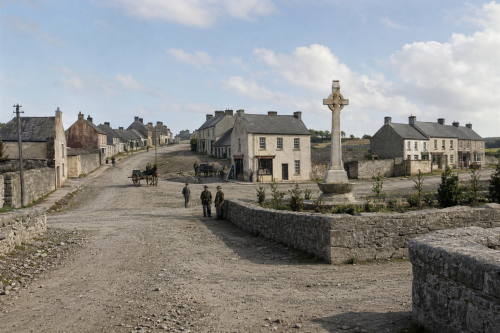
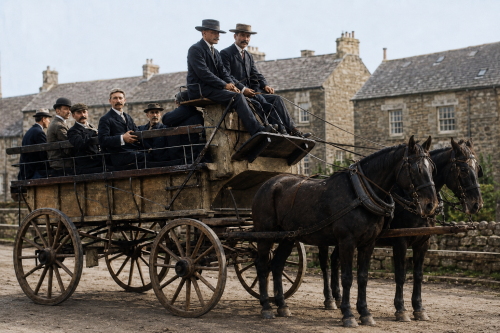
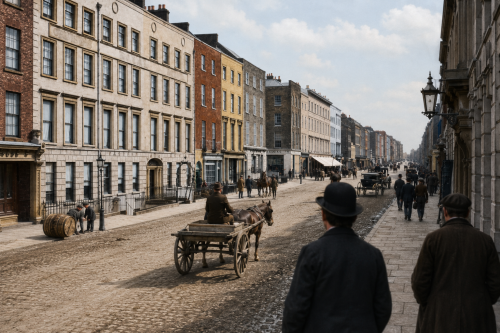
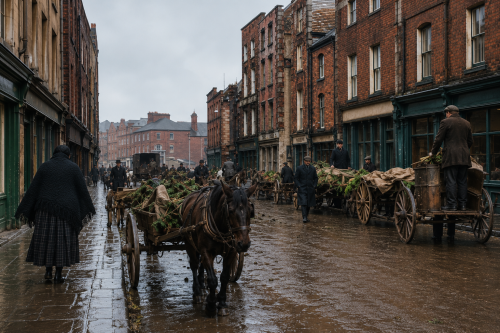
Ewan Fenton arrived in Limerick as player-manager of Limerick F.C. and quickly became one of the most influential figures in the club’s history. His leadership, skill and tactical understanding transformed the team and captured the imagination of the entire city. During his years at the club, thousands of supporters regularly packed the Market’s Field, creating an atmosphere remembered with enormous affection by generations of local football followers. Fenton’s contribution extended far beyond results on the pitch, strengthening the connection between the team and its community. His name remains closely associated with a proud and unforgettable period in Limerick football history.
View Image

Ballingarry Village
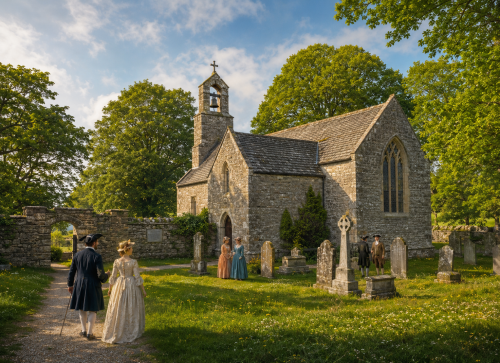
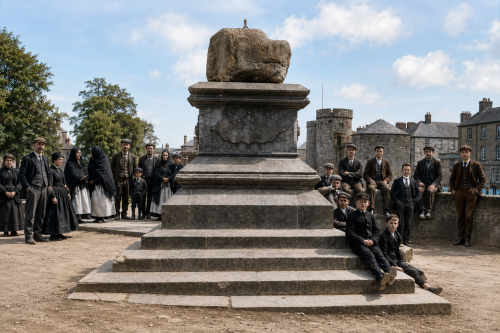
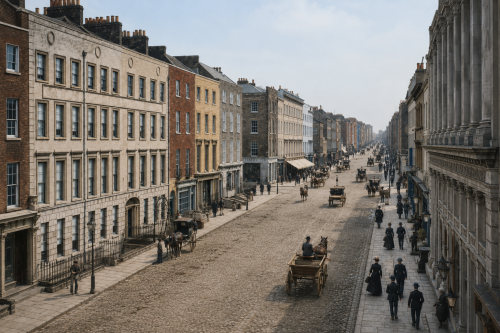
Ballingarry, in County Limerick, is a historic rural settlement situated between Rathkeale and Kilmallock, beneath the slopes of Knockfierna. Its history reaches deep into the medieval period, with records of churches, castles and lands associated with the Knights Templar. By the seventeenth century, Ballingarry had gained royal grants for weekly markets and annual fairs, reflecting its importance within the barony of Upper Connello. Nearby Knockfierna adds archaeological, folkloric and Famine-era significance to the landscape. This image is constructed based on available historical information, recreating Ballingarry as it may once have appeared within its historic County Limerick setting in earlier times.
View Image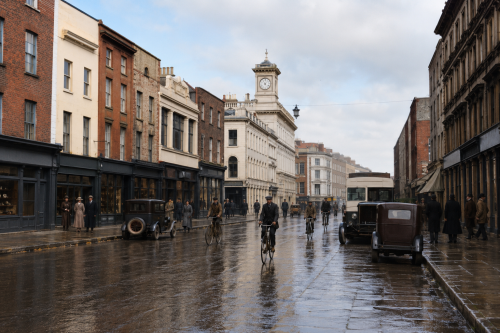




Kennedy Visit
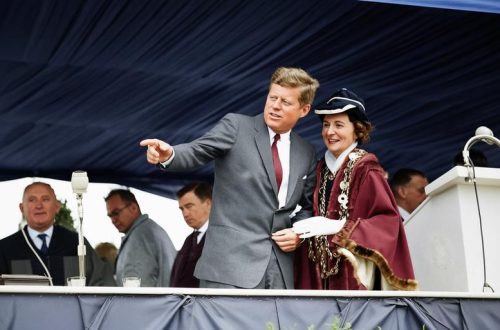
On 29 June 1963 President John F. Kennedy included Limerick in his four day state visit to the Republic of Ireland because he was touring his ancestral homeland and accepting civic honours locally. His itinerary brought him from Galway to Greenpark Racecourse where he landed after speaking in Eyre Square. The visit lasted barely half an hour but was planned as a symbolic civic call. Local organisers and the city corporation had encouraged the stop so that Kennedy might receive the Freedom of the City and acknowledge connections between Limerick and Irish Americans across the Atlantic. The moment felt historic.
View Article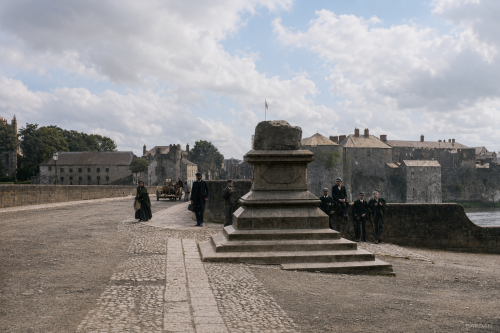
Luimneach Meaning
Luimneach is the Gaelic name from which the English placename Limerick derives. Scholars trace Luimneach to Old Irish elements such as loimeanach or lom, words glossed as bare, marshy, or exposed ground beside water in place‑name discussions. That derivation emphasises a landscape description rather than a personal name. Early medieval writers and later antiquarians repeatedly connected the form with marsh or river‑meadow features along the Shannon estuary. The linguistic argument appears across nineteenth‑century place‑name collections, nineteenth and twentieth‑century Ordnance Survey notes, and in modern scholarly summaries of Munster toponymy. Local usage preserved forms Luimnech and Luimneach in manuscript sources continuously.
View Article
Limerick Treaty
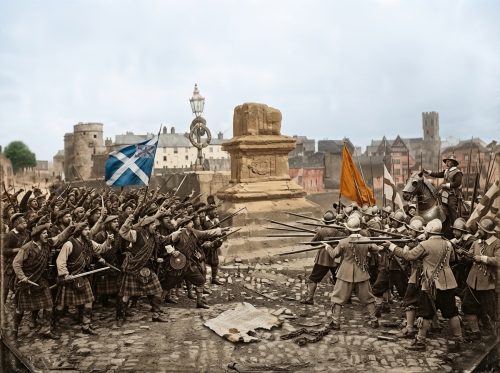
On 3 October 1691 the city of Limerick surrendered and commissioners signed what is known as the Treaty of Limerick. The agreement comprised separate military and civil articles negotiated between Williamite commanders led by Baron de Ginkel and Jacobite leaders in the garrison. It ended organised Jacobite resistance in the city and allowed many soldiers and inhabitants to remain under specified protections. The articles were drafted and printed soon afterwards and presented to the king for ratification. Negotiations took place while French relief was expected and while the garrison still retained considerable strength and supplies and honourable terms were sought.
View Article

Viking Founding
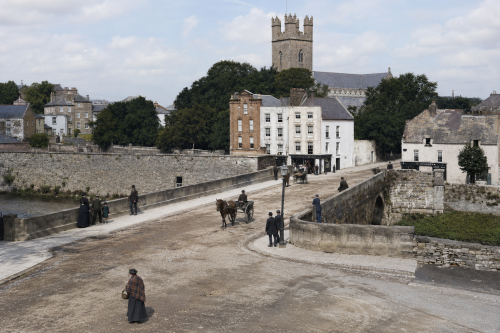
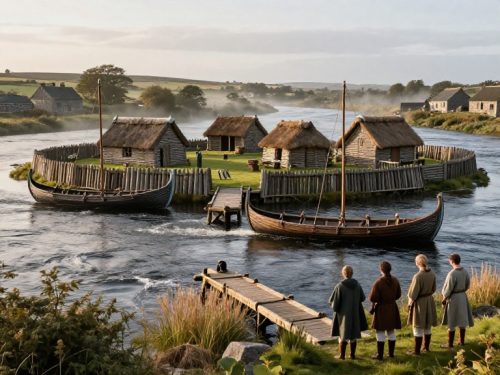
King's Island sits at the Shannon confluence and was inhabited in prehistoric and historic periods. Classical geographies such as Ptolemy and later medieval sources indicate a recognised river crossing at this point. Archaeological surveys and excavations on adjacent lands record Mesolithic activity through Neolithic, Bronze Age, and into early medieval occupation on surrounding floodplain and island terraces. Environmental evidence and artefact scatters demonstrate long-term use of these riverine landscapes for seasonal or permanent habitation. The topography channels maritime and overland routes, making the location strategically important before later urban developments arose on the island itself and attracted transient ship camps.
View Article
Ballingarry Village
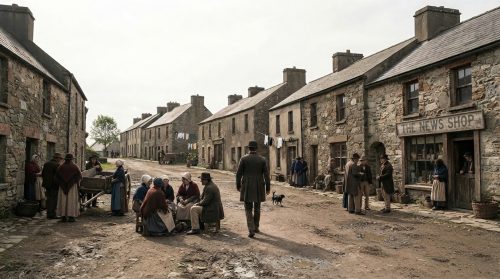
Ballingarry, in County Limerick, is a historic rural settlement situated between Rathkeale and Kilmallock, beneath the slopes of Knockfierna. Its history reaches deep into the medieval period, with records of churches, castles and lands associated with the Knights Templar. By the seventeenth century, Ballingarry had gained royal grants for weekly markets and annual fairs, reflecting its importance within the barony of Upper Connello. Nearby Knockfierna adds archaeological, folkloric and Famine-era significance to the landscape. This image is constructed based on available historical information, recreating Ballingarry as it may once have appeared within its historic County Limerick setting in earlier times.
View Image
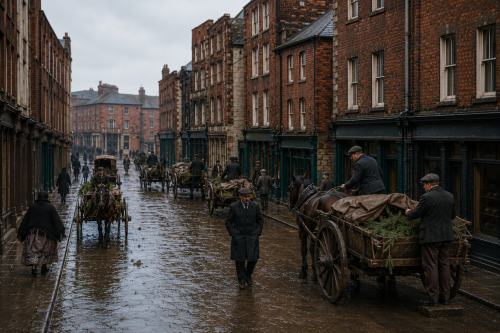
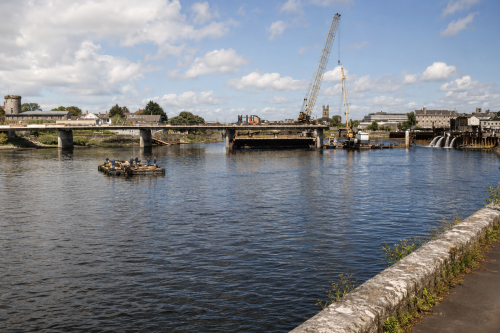

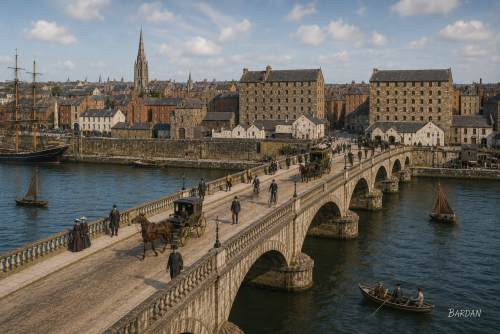
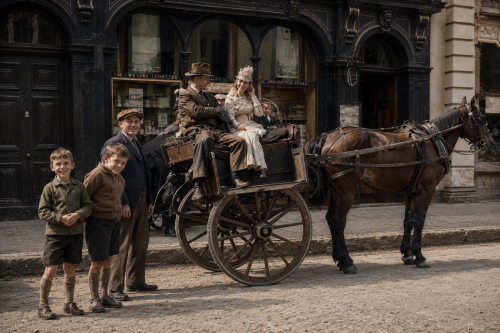
Gate Kilmallock
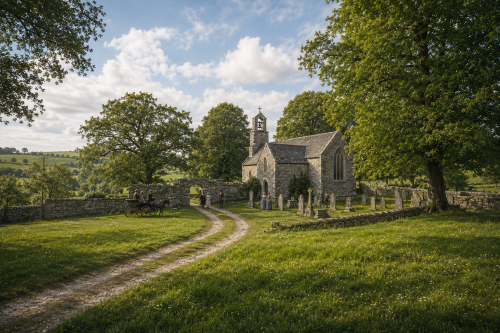
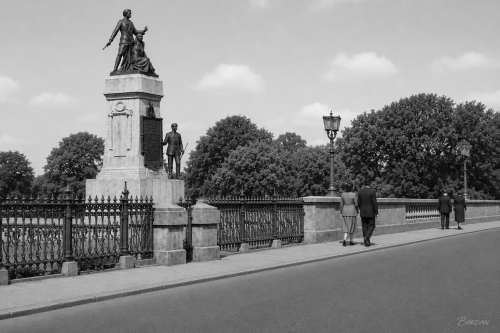
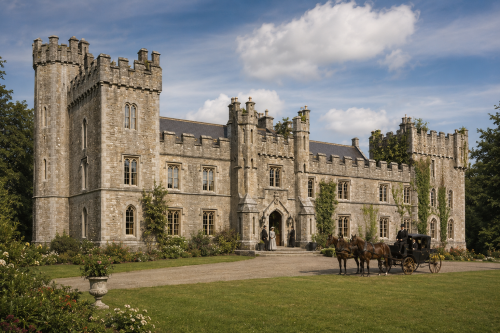
Blossom Gate is the last surviving medieval gateway of Kilmallock, County Limerick, once one of Ireland’s most strongly fortified towns. Originally one of five entrances through the defensive walls, it alone remains; St John’s, Water, Ivy and Friary gates have disappeared. Standing on Emmet Street, the three-storey stone tower spans the roadway above a pointed arched vault, marking where the town walls formerly joined it. The name may derive from “Blae Gate” or from the Irish word blá, meaning flower or blossom, combined with the French porte, meaning gate. Today, it is a prominent reminder of Kilmallock’s medieval importance and heritage.
View Image

Stab City
The phrase 'Stab City' emerged as a media and popular label applied to Limerick in the late twentieth century. Journalists, broadcasters and commentators began to use the term during the 1980s and 1990s to describe a perceived pattern of knife crime, gang feuding and a sequence of high‑profile violent incidents concentrated in some urban housing estates. That usage grafted a shorthand reputation onto the city which circulated widely in national and international coverage. Local people and civic leaders repeatedly criticised the phrase as sensational and unfair, arguing it simplified complex social and economic problems into a taunt and inaccurate branding.
View Article
Limerick Origins
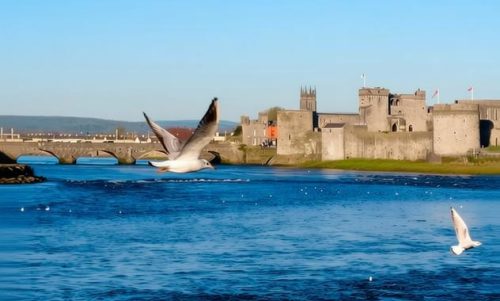
Limerick’s origins lie on King’s Island in the River Shannon where Norse settlers established a longstanding trading and naval base by the early tenth century. Archaeological excavations and contemporary medieval annals record a Viking presence around 922 when the island was known in Gaelic as Inis Sibhtonn. That foundation precedes many later Irish urban developments. The river position created a natural harbour and defensive advantage which attracted settlement, craft, markets and strategic interest from neighbouring Gaelic kings. Continuous occupation from the early medieval period underpins Limerick’s claim as one of Ireland’s oldest urban centres. Archaeology and records support this continuity.
View Article
Curragower House
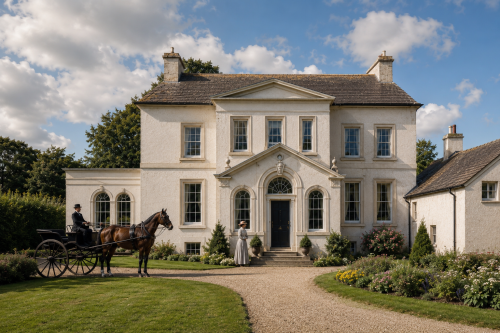
Curragower House stands prominently on Clancy’s Strand beside the River Shannon in Limerick, representing an important surviving element of the city’s nineteenth-century architectural heritage. Built in the Georgian tradition, the red-brick residence contributes strongly to the historic character of the waterfront streetscape. Its distinctive position overlooking the river has made it a familiar local landmark. In recent years, Curragower House became central to debates surrounding conservation, redevelopment and the protection of Limerick’s built heritage. Campaigns by residents and heritage advocates highlighted its architectural and cultural value, reinforcing wider concerns about preserving historic buildings within a changing modern urban environment today.
View Image
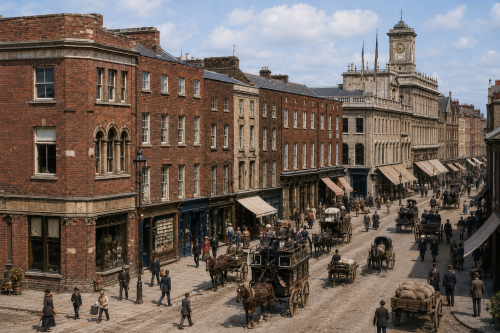
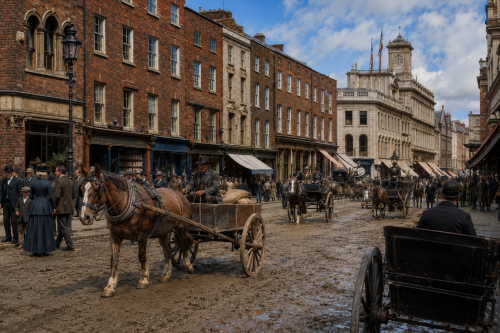
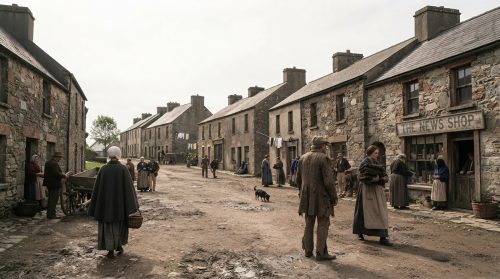
Ballingarry Village
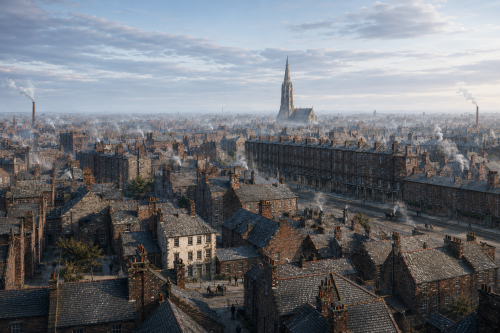
Ballingarry, in County Limerick, is a historic rural settlement situated between Rathkeale and Kilmallock, beneath the slopes of Knockfierna. Its history reaches deep into the medieval period, with records of churches, castles and lands associated with the Knights Templar. By the seventeenth century, Ballingarry had gained royal grants for weekly markets and annual fairs, reflecting its importance within the barony of Upper Connello. Nearby Knockfierna adds archaeological, folkloric and Famine-era significance to the landscape. This image is constructed based on available historical information, recreating Ballingarry as it may once have appeared within its historic County Limerick setting in earlier times.
View Image
Clinton Visit
On 5 September 1998 President Bill Clinton made a brief but highly visible visit to Limerick as part of a wider Irish itinerary that followed meetings in Dublin. The visit came months after the Good Friday Agreement, generating intense public interest across the island. The presidential motorcade paused in the city centre and the programme included an address to assembled crowds. Contemporary press previews and notices had prepared the city for a significant arrival. Local organisers coordinated with national authorities on logistics and security. The visit was widely framed as a diplomatic gesture and civic celebration for Limerick, onlookers recalled.
View Article
Gate Kilmallock
Blossom Gate is the last surviving medieval gateway of Kilmallock, County Limerick, once one of Ireland’s most strongly fortified towns. Originally one of five entrances through the defensive walls, it alone remains; St John’s, Water, Ivy and Friary gates have disappeared. Standing on Emmet Street, the three-storey stone tower spans the roadway above a pointed arched vault, marking where the town walls formerly joined it. The name may derive from “Blae Gate” or from the Irish word blá, meaning flower or blossom, combined with the French porte, meaning gate. Today, it is a prominent reminder of Kilmallock’s medieval importance and heritage.
View Image
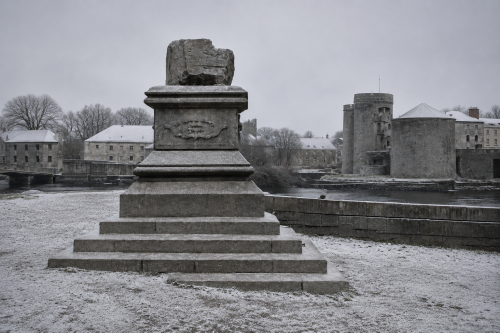
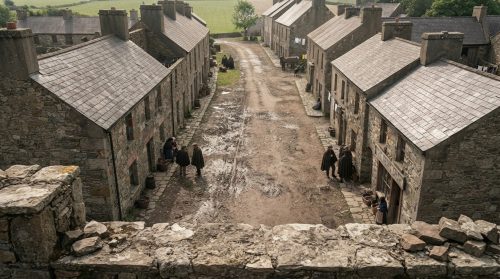
Ballingarry Village
Ballingarry, in County Limerick, is a historic rural settlement situated between Rathkeale and Kilmallock, beneath the slopes of Knockfierna. Its history reaches deep into the medieval period, with records of churches, castles and lands associated with the Knights Templar. By the seventeenth century, Ballingarry had gained royal grants for weekly markets and annual fairs, reflecting its importance within the barony of Upper Connello. Nearby Knockfierna adds archaeological, folkloric and Famine-era significance to the landscape. This image is constructed based on available historical information, recreating Ballingarry as it may once have appeared within its historic County Limerick setting in earlier times.
View Image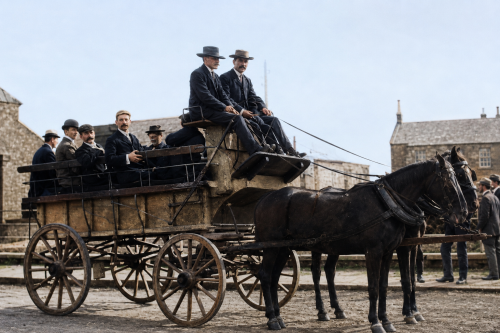
Ballingarry Village
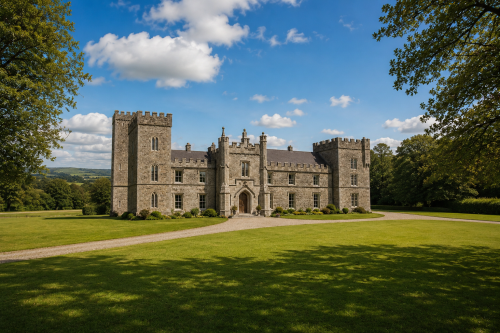
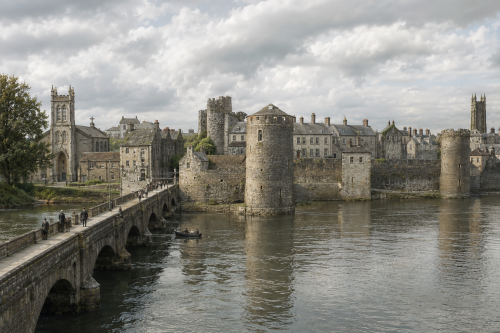
Ballingarry, in County Limerick, is a historic rural settlement situated between Rathkeale and Kilmallock, beneath the slopes of Knockfierna. Its history reaches deep into the medieval period, with records of churches, castles and lands associated with the Knights Templar. By the seventeenth century, Ballingarry had gained royal grants for weekly markets and annual fairs, reflecting its importance within the barony of Upper Connello. Nearby Knockfierna adds archaeological, folkloric and Famine-era significance to the landscape. This image is constructed based on available historical information, recreating Ballingarry as it may once have appeared within its historic County Limerick setting in earlier times.
View Image
Curragower House
Curragower House stands prominently on Clancy’s Strand beside the River Shannon in Limerick, representing an important surviving element of the city’s nineteenth-century architectural heritage. Built in the Georgian tradition, the red-brick residence contributes strongly to the historic character of the waterfront streetscape. Its distinctive position overlooking the river has made it a familiar local landmark. In recent years, Curragower House became central to debates surrounding conservation, redevelopment and the protection of Limerick’s built heritage. Campaigns by residents and heritage advocates highlighted its architectural and cultural value, reinforcing wider concerns about preserving historic buildings within a changing modern urban environment today.
View Image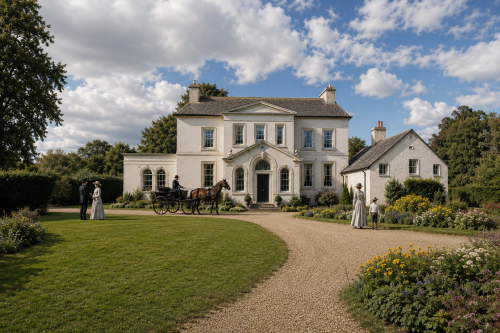

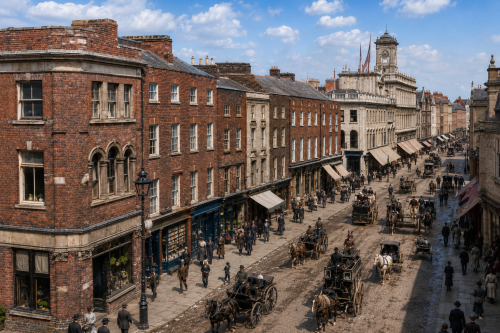

Sister Anthony
Sister Anthony O'Connell was born Mary Ellen O'Connell in County Limerick on 15 August 1814. She emigrated to the United States with her family as a child and later entered religious life. Taking the name Sister Anthony, she joined the Sisters of Charity and spent decades working in hospitals and charitable institutions. Her early nursing experience and administrative skill prepared her when the American Civil War began in 1861. At that point she organised nursing teams, directed hospital wards and frequently worked at field hospitals near battlefields. Her Limerick origins remained a point of pride for her and local communities.
View Article
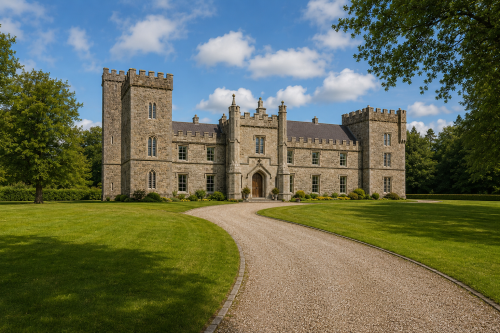

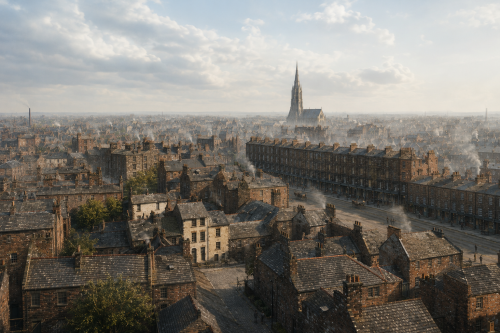
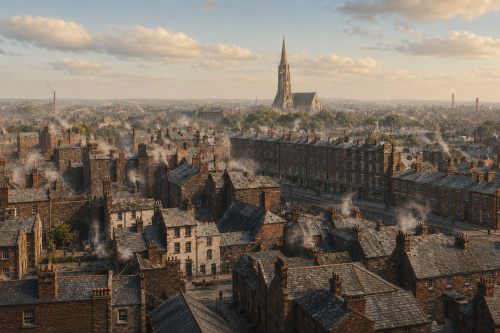

Curfew Murders
From mid 1920 the Black and Tans appeared in Limerick as part of larger reinforcements sent to bolster the Royal Irish Constabulary during the Irish War of Independence. Recruited mainly from demobilised British soldiers, they were deployed alongside Auxiliaries and British Army detachments. Their arrival followed escalating violence elsewhere in Munster and was framed by orders intended to suppress republican activity. In Limerick their presence quickly altered the security environment. Military and police operations became more visible. Troops and patrols increased. Local people experienced a new intensity of search operations, curfew enforcement, and a heightened atmosphere of surveillance and intimidation.
View Article
Ballingarry Village
Ballingarry, in County Limerick, is a historic rural settlement situated between Rathkeale and Kilmallock, beneath the slopes of Knockfierna. Its history reaches deep into the medieval period, with records of churches, castles and lands associated with the Knights Templar. By the seventeenth century, Ballingarry had gained royal grants for weekly markets and annual fairs, reflecting its importance within the barony of Upper Connello. Nearby Knockfierna adds archaeological, folkloric and Famine-era significance to the landscape. This image is constructed based on available historical information, recreating Ballingarry as it may once have appeared within its historic County Limerick setting in earlier times.
View Image
Seán South
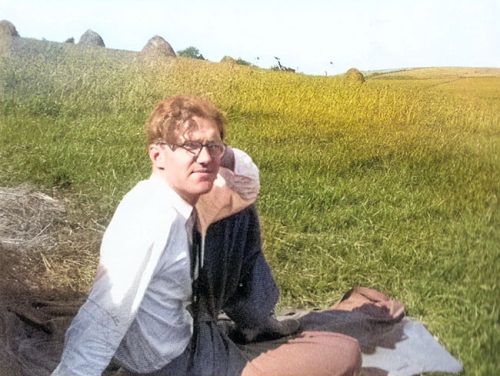
Seán South was born Seán Sabhat on 8 February 1928 in Limerick city. He was raised in Limerick and received local education before entering the workforce. Employed as a clerk, South later became involved in Irish republican politics. He associated with Republican activity in the 1956–62 Border Campaign. Contemporary accounts identify him as an Irish Republican Volunteer who took part in operations connected to that campaign. Local press and later commemorations record his name both as Seán Sabhat and under the anglicised form Seán South. His life before 1957 is described in local directories and family records and parish registers.
View Article
Gate Kilmallock
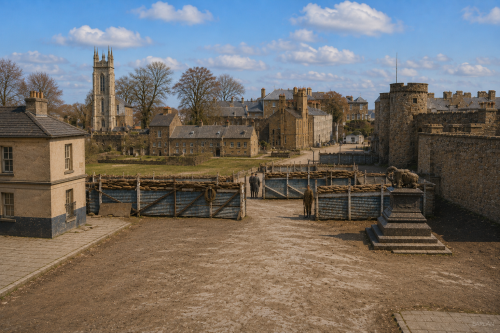
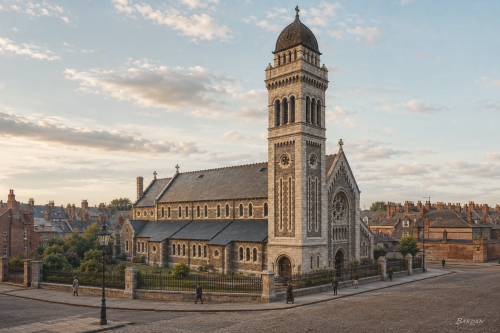
Blossom Gate is the last surviving medieval gateway of Kilmallock, County Limerick, once one of Ireland’s most strongly fortified towns. Originally one of five entrances through the defensive walls, it alone remains; St John’s, Water, Ivy and Friary gates have disappeared. Standing on Emmet Street, the three-storey stone tower spans the roadway above a pointed arched vault, marking where the town walls formerly joined it. The name may derive from “Blae Gate” or from the Irish word blá, meaning flower or blossom, combined with the French porte, meaning gate. Today, it is a prominent reminder of Kilmallock’s medieval importance and heritage.
View Image
Curragower House
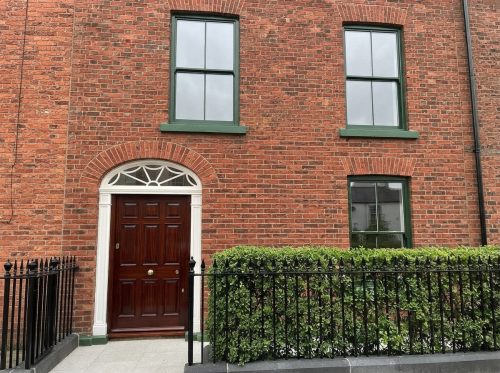
Curragower House stands prominently on Clancy’s Strand beside the River Shannon in Limerick, representing an important surviving element of the city’s nineteenth-century architectural heritage. Built in the Georgian tradition, the red-brick residence contributes strongly to the historic character of the waterfront streetscape. Its distinctive position overlooking the river has made it a familiar local landmark. In recent years, Curragower House became central to debates surrounding conservation, redevelopment and the protection of Limerick’s built heritage. Campaigns by residents and heritage advocates highlighted its architectural and cultural value, reinforcing wider concerns about preserving historic buildings within a changing modern urban environment today.
View Image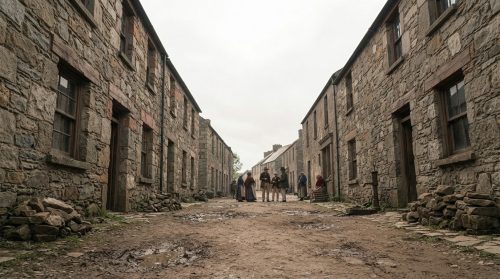
Ballingarry Village
Ballingarry, in County Limerick, is a historic rural settlement situated between Rathkeale and Kilmallock, beneath the slopes of Knockfierna. Its history reaches deep into the medieval period, with records of churches, castles and lands associated with the Knights Templar. By the seventeenth century, Ballingarry had gained royal grants for weekly markets and annual fairs, reflecting its importance within the barony of Upper Connello. Nearby Knockfierna adds archaeological, folkloric and Famine-era significance to the landscape. This image is constructed based on available historical information, recreating Ballingarry as it may once have appeared within its historic County Limerick setting in earlier times.
View Image
Limerick Contribution
Limerick’s relationship with the Easter Rising of April 1916 was characterised not by a single county-wide insurrection but by personal ties, mobilisations and memories linking the city and county to Dublin. Prominent figures born in County Limerick, including Edward 'Ned' Daly and Cornelius 'Con' Colbert, travelled to Dublin where they commanded or fought and were later executed after court martial. Local Volunteer companies in west and south Limerick were mobilised by battalion commanders in advance of Easter and gathered at known rendezvous points, though a sustained local offensive did not take place during Easter Week in the county in 1916.
View Article


Ballingarry Village
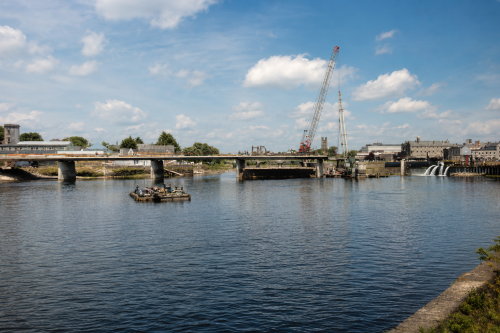
Ballingarry, in County Limerick, is a historic rural settlement situated between Rathkeale and Kilmallock, beneath the slopes of Knockfierna. Its history reaches deep into the medieval period, with records of churches, castles and lands associated with the Knights Templar. By the seventeenth century, Ballingarry had gained royal grants for weekly markets and annual fairs, reflecting its importance within the barony of Upper Connello. Nearby Knockfierna adds archaeological, folkloric and Famine-era significance to the landscape. This image is constructed based on available historical information, recreating Ballingarry as it may once have appeared within its historic County Limerick setting in earlier times.
View Image
Herrema Kidnapping
Dr Tiede Herrema was a Dutch industrialist closely associated with Limerick in the 1970s as managing director of the Ferenka steel cord works at Annacotty. Born in Utrecht on 21 April 1921, he trained as a mechanical engineer and undertook further studies in industrial psychology and sociology before a long industrial career. He moved with his wife Elisabeth and their family to County Limerick in 1973 to manage the Ferenka plant, which had opened in 1970. The factory rapidly became the city region's largest employer and a central focus of local industrial change and public debate and municipal planning matters.
View Article
Gate Kilmallock
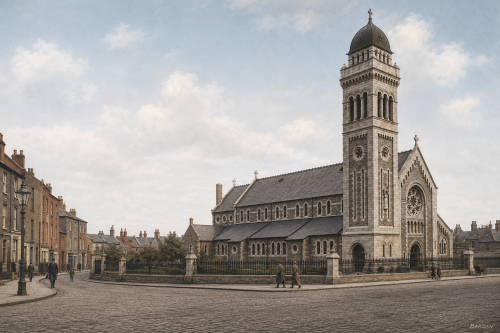
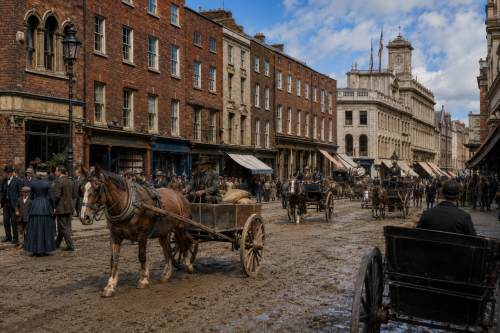
Blossom Gate is the last surviving medieval gateway of Kilmallock, County Limerick, once one of Ireland’s most strongly fortified towns. Originally one of five entrances through the defensive walls, it alone remains; St John’s, Water, Ivy and Friary gates have disappeared. Standing on Emmet Street, the three-storey stone tower spans the roadway above a pointed arched vault, marking where the town walls formerly joined it. The name may derive from “Blae Gate” or from the Irish word blá, meaning flower or blossom, combined with the French porte, meaning gate. Today, it is a prominent reminder of Kilmallock’s medieval importance and heritage.
View Image


Wild Geese
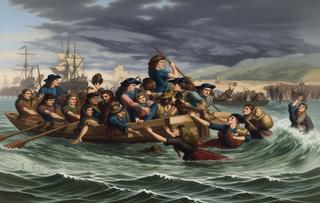
The Wild Geese were Irish soldiers and accompanying civilians who left Ireland after the Treaty of Limerick in October 1691 to enter foreign military service in France, Spain and elsewhere in continental Europe. In Limerick the movement grew from the city surrender and promised military clauses which permitted troops to depart rather than submit to Williamite rule. Contemporary Jacobite officers and ordinary soldiers embarked with families, baggage and some arms. The departure combined negotiated settlement, personal choice and forced exile. It marked a decisive rupture in eighteenth century Irish military life and began long patterns of Irish service overseas abroad.
View Article
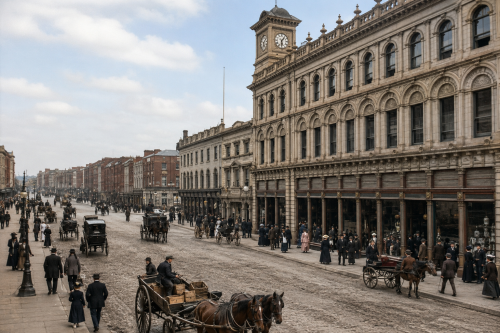

Marconi Connection
Guglielmo Marconi’s biography shows clear Irish family and commercial links but no solid record tying him directly to Limerick. His mother Annie Jameson came from the County Wexford Jameson distilling family and used her Anglo-Irish connections to help her son find investors and patrons in Britain and Ireland. Contemporary accounts record Irish financiers and Quaker supporters among early backers. Marconi visited Ireland and established wireless stations at several Irish coastal sites including Clifden and Crookhaven, yet municipal and local records for County Limerick show no surviving evidence that Marconi lived, worked or opened a station there nor at its port.
View Article
2027 0 items
No published items are currently assigned to this period.
2028 0 items
No published items are currently assigned to this period.
2029 0 items
No published items are currently assigned to this period.