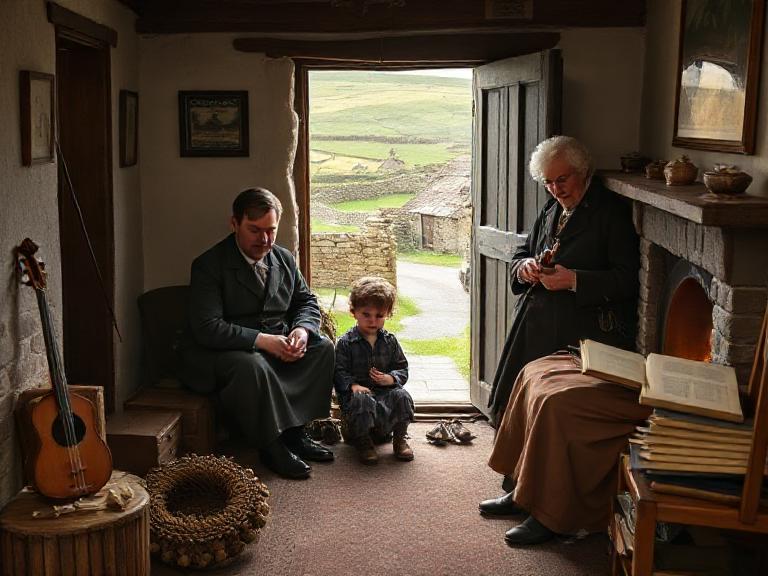

Luimneach Origins
Early Christian tradition attributes the foundation of Luimneach to Saint Mainchín, often anglicised as Munchin, who is said to have established a church on an island in the Shannon during the sixth or seventh century. Local hagiography and diocesan memory continue to identify him as the patron of the emerging settlement. The place name Luimneach became attached to that foundation and to the broader riverside community. That ecclesiastical nucleus provided religious identity and a focal point for scattered rural populations, drawing parish dedications and later medieval memory even when documentary detail remained sparse and sometimes inconsistent and subject to reinterpretation.
Medieval annals record Viking activity in and around Luimnech, with entries that have been read as references to raids, settlement and Norse rulers engaging with local polities. Annals of Ulster and Annals of Inisfallen contain entries that scholars cite when tracing tenth and early medieval episodes, though entries are terse and require cautious interpretation. Contemporary external chronicles, including references to Irish Sea fleets in Anglo‑Saxon sources, provide complementary perspectives on maritime networks and longphort activity. These sources illuminate patterns of warfare, commerce and cultural interaction while leaving many local particulars unrecorded or ambiguous in surviving texts for further careful analysis.
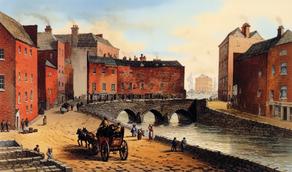
Archaeological work on King’s Island and riverside areas has produced material evidence that complements textual sources, including structural remains, harbour works and artefact assemblages reported in published site reports. Excavations and field surveys, summarized in the Irish Historic Towns Atlas and in National Monuments Service records, have informed understanding of settlement layout and harbour economy. Ordnance Survey name books and early edition maps document placename continuity, island identification. Surveyed features and finds remain subject to interpretation and publication gaps, yet combined archaeological and cartographic evidence provides research leads for assessing continuity between early ecclesiastical occupation and later urban development periods.
Numismatic evidence and hoard reports contribute to chronological and economic reconstruction for Luimnech, with silver pennies and Norse coinage noted among finds that suggest participation in regional exchange networks. Catalogues and museum records, including material in National Museum of Ireland collections, document these items though provenance and context vary. Documentary sources complement material traces: municipal and borough records, charters and later civic minutes survive in local archives. The charter of 1197 is among cited milestones in municipal history, while subsequent records chart urban governance. Together numismatic and documentary series illuminate economic links and evolving civic identity across centuries and regions.
Ecclesiastical archives and hagiographical material remain central to researching St Mainchín and early church sites around Luimnech: parish dedications, diocesan correspondence and representative church body registers preserve strands of evidence that illuminate local devotion and institutional continuity. Medieval vitae and later antiquarian observations provide additional testimony, while early modern drawings and traveller accounts record visible ruins and topography. Many items are dispersed across diocesan libraries, national manuscript collections and local archives, and researchers must navigate variant editions and gaps in provenance. These combined documentary resources, alongside material studies, offer targeted primary research leads for focused archival and field investigation programmes.
Primary Sources
- Annals of Ulster, entries for 845, 922 and related years referring to Luimnech and Viking activity; manuscript copies in the Royal Irish Academy and published editions.
- Annals of Inisfallen, references to Norse rulers and Luimnech; manuscript and printed edition held at the Bodleian Library and Trinity College Dublin.
- Hagiographical material concerning Mainchín (St Munchin), including medieval vitae and parish dedications; diocesan registers of Limerick and St Munchin’s church records.
- Archaeological excavation report: King’s Island and medieval Limerick excavations, published site reports held by the National Monuments Service and in the Irish Historic Towns Atlas entry for Limerick.
- Numismatic finds from Limerick: hoard catalogues and coin reports, including early medieval silver pennies and Norse coinage recorded in the National Museum of Ireland collections.
- Ordnance Survey name books and early maps (six inch and first edition) showing Inis Sibhtonn/King’s Island and historical placenames; holdings in the National Archives and National Library of Ireland map collections.
- Medieval charters and municipal records relating to the borough and later city, including the charter of 1197 and subsequent civic minutes preserved in Limerick City and County Archives.
- Contemporary ecclesiastical registers and diocesan correspondence referencing the dedication to St Mainchín and early church sites around Limerick; held in the Diocesan and Representative Church Body Library collections.
- Contemporary annalistic references to Viking longphorts and coastal activity reported in external chronicles, for example Anglo Saxon Chronicle references to Irish Sea fleets, preserved in British Library manuscripts.
- Early modern antiquarian observations and drawings of King’s Island and church sites, including seventeenth and eighteenth century surveys and traveller accounts in the National Library of Ireland manuscript collections.