Brunswick to Sarsfield(c.1690s)
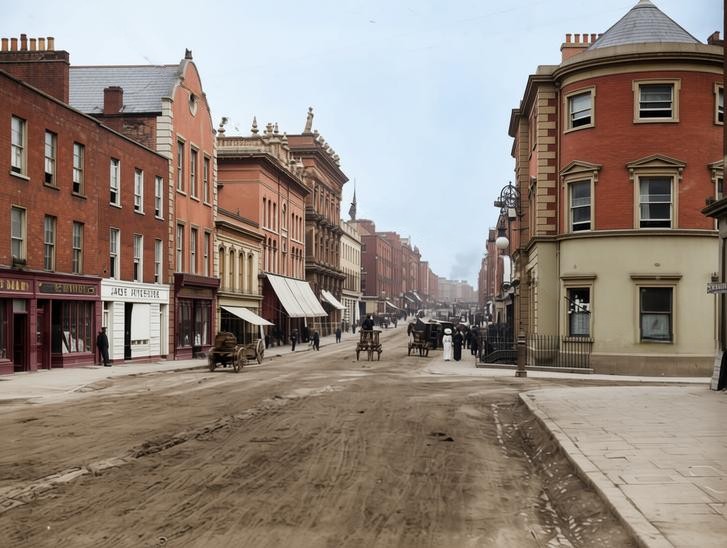
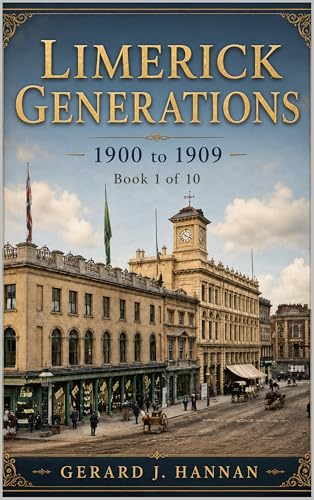
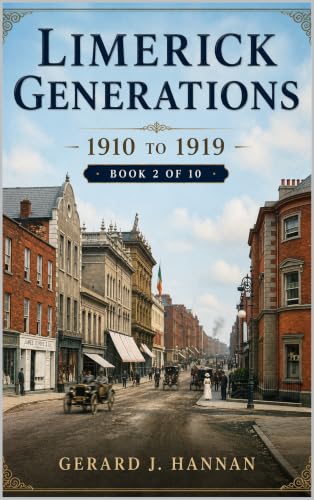
What is today known as Sarsfield Street in Limerick City Centre was originally called Brunswick Street, reflecting the city’s eighteenth-century ties to the British Royal House of Brunswick. The street’s renaming in the early twentieth century signalled a new era in Irish national consciousness, honouring Patrick Sarsfield, the Earl of Lucan and hero of the 1691 Treaty of Limerick. This act of rechristening was both a symbolic and practical assertion of Limerick’s identity, aligning the city’s geography with its history and the aspirations of its people.
Brunswick (now Sarsfield) Street historically played a crucial role in connecting the commercial and civic heart of Limerick. Meeting O’Connell Street and William Street at its southern end, it runs directly to the iconic Sarsfield Bridge over the River Shannon—an artery binding the city’s old and new quarters. For much of its history, the street has been a centre of mercantile activity, lined with shops, warehouses, and bustling with business from morning till night.
In the nineteenth and early twentieth centuries, Brunswick Street was renowned for its vibrant trade, hosting a diverse mix of retailers, traders, and craftsmen. As Limerick modernised in the post-independence era, the street’s commercial legacy continued to evolve. By the late twentieth century, it was home to flagship department stores such as Roches Stores (later Debenhams) and Dunnes Stores, cementing its reputation as a retail landmark for generations of Limerick shoppers.
The renaming of Brunswick Street as Sarsfield Street was more than a change of signposts—it marked a conscious embrace of local history and identity. Patrick Sarsfield, famed for his defence of Limerick during the Williamite wars and his role in negotiating the city’s Treaty, became a fitting figurehead for this important thoroughfare. The street’s new name echoed the wider movement in Irish towns and cities to reclaim public spaces and celebrate native heroes.
Today, Sarsfield Street remains a vital artery in Limerick’s urban life, bridging the city’s commercial, historical, and social worlds. Its story—like that of Limerick itself—reflects layers of change: from colonial past to independent present, from mercantile tradition to modern retail, and from Brunswick to Sarsfield. The street endures as a living record of the city’s evolution, connecting Limerick’s people to their history every time they walk its length.
Primary Sources
- Limerick City Council, Street Name Change Orders, 1920s.
- “Streets of Limerick: Brunswick to Sarsfield,” Limerick Chronicle, assorted issues, 19th–20th century.
- Historic Ordnance Survey Maps, Limerick City Centre, 1830s–1930s.
- Trade directories and business registers, Sarsfield Street, 1800s–2000s, Limerick City Library.
- “Patrick Sarsfield and the Treaty of Limerick,” Limerick Leader, commemorative articles.