Broadcast Pioneer

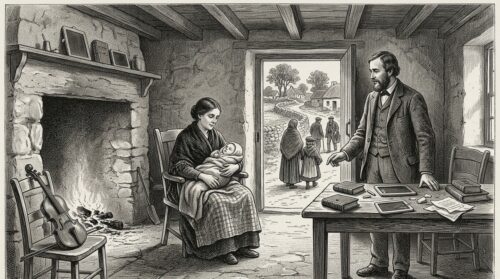
Séamus “Clan” Clandillon was born near Gort, County Galway, on 6 June 1878 into a household closely connected with education. His father, William A. Clandillon, was a national school teacher, while his mother, Joanna Little, also came from a family shaped by work, migration and service. The countryside surrounding Gort preserved a strong inheritance of Irish-language speech, traditional singing and local storytelling. These influences entered Clandillon’s life early and later guided his work as a teacher, musician, civil servant and broadcaster. The child born in rural Galway would eventually help determine how the newly independent state presented Irish culture through radio.
Champion Born

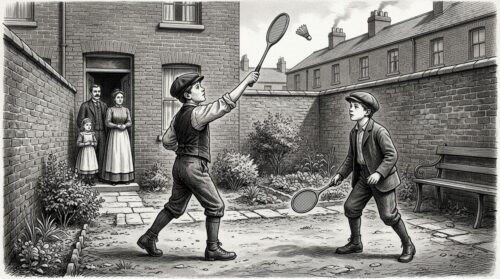
Joseph Francis Devlin, later known throughout international badminton as Frank Devlin, was born at 11 Wellington Place in Dublin on 19 January. He was the son of Joseph Edmund Devlin, a government official, and his wife, Elizabeth. Nothing surrounding the arrival of the child suggested that he would become one of the most successful competitors in the history of his sport. Badminton remained largely associated with private clubs, schools and middle-class recreation, but the game was developing rapidly. Devlin’s extraordinary ability would eventually carry an Irish player from domestic competition to sustained success at the most prestigious championship in the badminton world.

Folklorist Dies

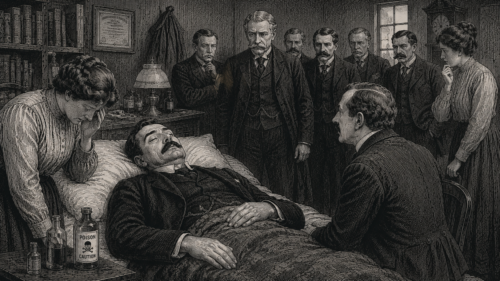
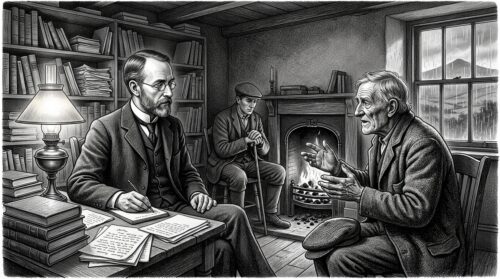
William Larminie, poet, scholar and collector of traditional Irish stories, died from pneumonia at his home in Bray, County Wicklow, on 19 January. He was fifty years old. Born in Castlebar, County Mayo, in 1849, Larminie had devoted much of his later life to literature, philosophy and the preservation of oral storytelling. His death removed an important figure from the developing Irish cultural revival at a time when scholars and writers were turning increasingly towards the Irish language, mythology and folklore. He was survived by his elderly mother and was buried in the churchyard at Enniskerry.

League Endorsed

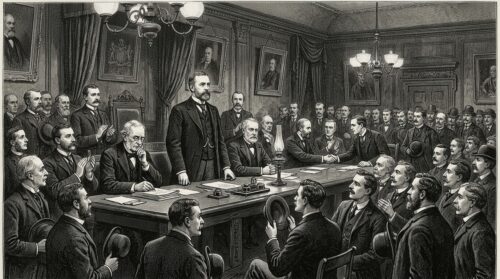
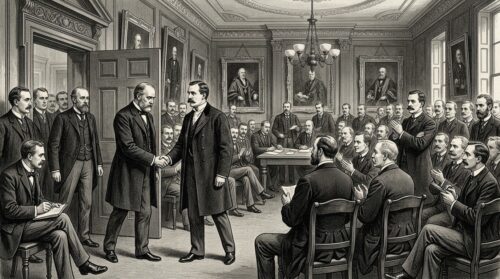
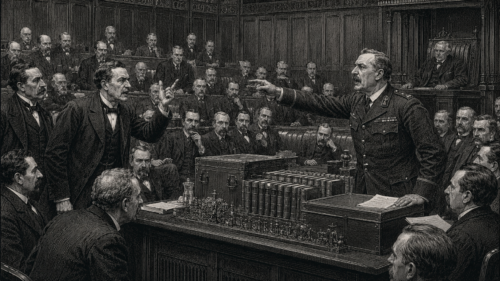
The United Irish League’s campaign for nationalist unity received an important endorsement from parliamentary representatives gathered at Dublin’s Mansion House on 17 January. By appearing together and advancing negotiations for reunion, members of the rival nationalist factions acknowledged the popular demand that had grown around the League since its establishment by William O’Brien in 1898. The organisation had begun chiefly as a campaign for land reform and the enlargement of uneconomic holdings, but its branches increasingly called upon politicians to end the quarrels created by the fall of Charles Stewart Parnell and restore a united parliamentary movement.

Rivals Reconcile

Parnellite and anti-Parnellite representatives appeared together at Dublin’s Mansion House on 17 January in the most important public demonstration of nationalist reconciliation since the political rupture of 1890. Men who had spent nearly a decade attacking one another from platforms, newspapers and election committees now entered the same civic chamber under intense public scrutiny. Their presence did not erase the bitterness created by the fall of Charles Stewart Parnell, but it offered supporters visible evidence that reunion had become possible. The gathering converted private discussions and cautious approaches into a public acknowledgement that continued division was damaging the wider nationalist cause.