Archived: 12 October 2026
Abstract
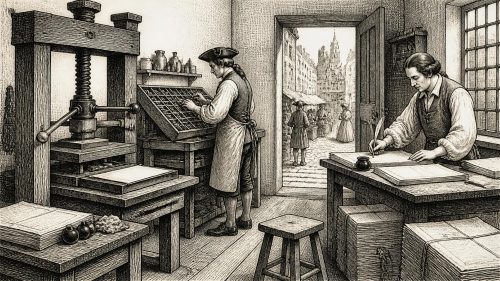
In 1776, Ireland, though a separate kingdom, was deeply affected by Britain’s war with the American colonies. An embargo on provisions exposed dependence on imperial trade, while the Tumultuous Risings Act targeted Whiteboy rural unrest rooted in land, tithe and tenancy grievances. Newspapers expanded political debate: Finn’s Leinster Journal printed the Declaration of Independence in August, and the Hibernian Magazine cautiously reproduced Paine’s Common Sense. Arthur Young’s travels recorded ports, linen districts and farms alongside poor roads, insecure smallholders and poverty. The year intensified awareness of inequality, constitutional constraint and economic vulnerability, foreshadowing campaigns for free trade and legislative independence.
Read Article
Archived: 12 October 2026
Abstract
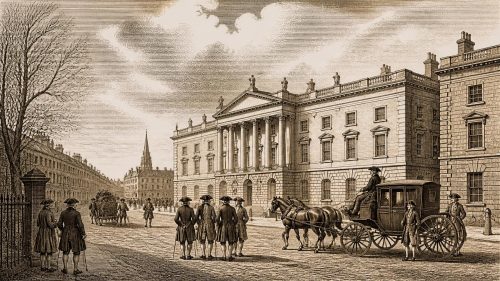
In 1775, the American war exposed tensions within Ireland’s restricted Protestant political order. Troop departures depleted the garrison, while authorities pragmatically tolerated Catholic recruitment despite penal disabilities. Atlantic links encouraged both loyalism and sympathy for the colonists, expressed in Dublin and Edmund Burke’s conciliation arguments. Henry Flood accepted office, weakening the Patriot interest, while Henry Grattan entered parliament through Charlemont patronage. Parliament managed supply and revenue under strong British influence. Catholics and Presbyterians remained disadvantaged, and debate connected religion, trade and constitutional constraints. War threatened linen markets and sharpened commercial grievances. Cultural life and tower damage reflected wider uncertainty locally.
Read Article
Archived: 12 October 2026
Abstract
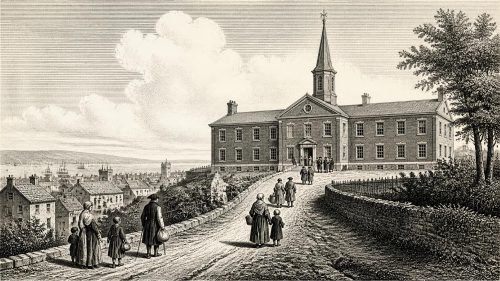
In 1774, Ireland saw developments reflecting urban growth, religious inequality and economic ambition. Belfast’s Charitable Society was incorporated, opened its Poor House and Infirmary, later Clifton House, and began admitting residents, providing elite-supervised relief amid poverty generated by commercial expansion. Parliament allowed Catholics to swear allegiance instead of supremacy, but preserved penal restrictions on property, education and political participation. In Armagh, Archbishop Richard Robinson’s infirmary and Royal School extended an Anglican institutional landscape. Legislation promoted Lagan navigation to link Belfast with inland trade, despite difficulties. Cultural landmarks included Thomas Leland’s History of Ireland, Oliver Goldsmith’s death, and Francis Beaufort’s birth.
Read Article

Archived: 12 October 2026
Abstract
In 1773, the killing of Art Ó Laoghaire near Carriganima exposed the unequal legal position of Catholics in Ireland. His feud with magistrate Abraham Morris, involving a horse and penal legislation, inspired Eibhlín Dubh Ní Chonaill’s enduring Irish-language lament. Morris’s acquittal and the disputed burial reinforced perceptions of unequal justice. Nationally, Lord Lieutenant Harcourt’s unsuccessful absentee-tax proposal revealed financial strain, landlord influence and limits on Dublin’s parliament. Linen, woollen promotion and trade sustained a diverse but dependent economy, while volunteer corps reflected Protestant local society. Goldsmith’s success and Leland’s contested history illustrated Ireland’s contribution to, and disputes within, British culture.
Read Article
Archived: 12 October 2026
Abstract
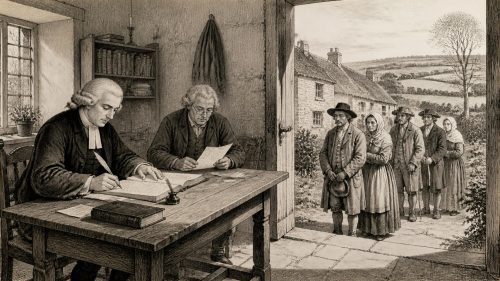
In 1766, Ireland’s Protestant authorities ordered a religious return distinguishing Protestant and Catholic householders and listing Catholic clergy. Conducted unevenly by Church of Ireland ministers, it revealed confessional inequality but survives only fragmentarily. In south Tipperary, Father Nicholas Sheehy, sympathetic to agrarian grievances associated with the Whiteboys, became a target of anxious magistrates and gentry. Acquitted of rebellion charges, he was convicted of murder despite disputed evidence and executed at Clonmel. Further executions followed. These events exposed a state classifying an excluded Catholic majority while repressing rural resistance amid commercialising agriculture, constitutional constraints, Protestant dominance, and fears of Catholic disloyalty.
Read Article
Archived: 12 October 2026
Abstract
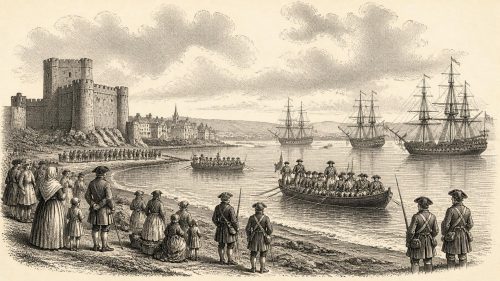
In February 1760, François Thurot’s French force of about 600 men captured Carrickfergus, requisitioned supplies and threatened Belfast, prompting local defences, negotiations and widespread mobilisation. The raiders departed on 26 February and were defeated two days later off the Isle of Man, where Thurot was killed. The episode exposed Ireland’s coastal vulnerability during the Seven Years’ War. In Dublin, Catholics established a committee to seek cautious relief from penal laws, supported by public debate. George II’s death brought George III’s accession, dissolution of parliament and electoral agitation. Rural insecurity, religious inequality and surviving Gaelic musical traditions also shaped Irish life.
Read Article

Archived: 12 October 2026
Abstract
John Rocque’s four-sheet Exact Survey of Dublin, completed in September 1756, provided an exceptionally detailed record of the capital’s streets, buildings, yards and commercial spaces. Prepared after his 1754 arrival and presented to the Lords Justices, it demonstrated Dublin’s growing administrative and economic importance. The map did not encompass Ireland or alter its entrenched inequalities. Daily life remained shaped by small-scale agriculture, unequal landholding, an expanding linen trade, Catholic disabilities and Protestant landlord power. Nevertheless, 1756 also saw political control shift in Dublin and war with France proclaimed in Ireland, exposing inherited structures to international pressure and closer governmental scrutiny.
Read Article

Archived: 13 October 2026
Abstract
In 1747, Ireland saw no single decisive event, but political, religious, cultural and social tensions were visible. George Stone became Church of Ireland archbishop of Armagh and a lord justice, strengthening Protestant administrative power under a restricted constitution. Catholic leadership changed through episcopal deaths and appointments, sustained by clerical and continental networks despite penal laws. John and Charles Wesley made their first Irish visits, while Edmund Burke helped found a Trinity debating club. Dublin’s Kelly riots exposed disputes over privilege and theatre authority. Proclamations addressed quarantine, rural crime, weavers’ unrest and rioting, reflecting hardship, trade and fragile order after famine.
Read Article
Archived: 13 October 2026
Abstract
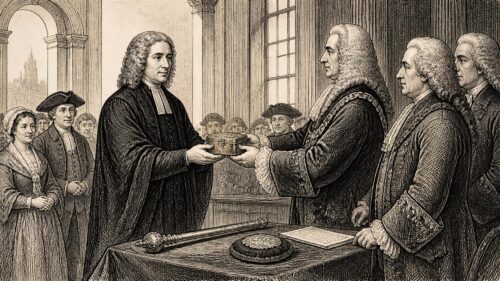
In 1730 Dublin Corporation granted Jonathan Swift the freedom of the city in a gold civic box, recognising the dean and author’s influence after the Drapier’s Letters. The ceremony illuminated Protestant-controlled municipal power, print culture and exclusion. During transition between viceroys, resident officials dominated administration; Ireland’s Parliament remained subordinate to Britain and restricted to propertied Protestants. Legislation against workers’ combinations exposed insecure urban labour and regulation of growing Dublin. Early toll roads signalled commercial development, while agriculture, linen production, markets and weather shaped livelihoods. Established Anglican authority contrasted with the restricted but enduring Catholic majority and disadvantaged Presbyterians, revealing inequality.
Read Article

Archived: 13 October 2026
Abstract
In 1728, Irish legislation disfranchised Roman Catholics, excluding the Catholic majority from parliamentary elections and legal employment while reinforcing Protestant Ascendancy within a constitutionally dependent kingdom. Parliament also contemplated replacing dilapidated Chichester House. A severe harvest failure intensified the 1727–29 subsistence crisis, raising grain prices and exposing tenants, labourers and smallholders to hunger despite local charitable relief. Efforts to promote tillage reflected tensions between grazing exports and food security. Emigration from Belfast to America signalled economic pressure. Brooking’s Dublin map portrayed civic confidence amid poverty. Esther Johnson’s death, Swift’s political writing, and Matthew Dubourg’s appointment marked cultural life that year.
Read Article
Archived: 13 October 2026
Abstract
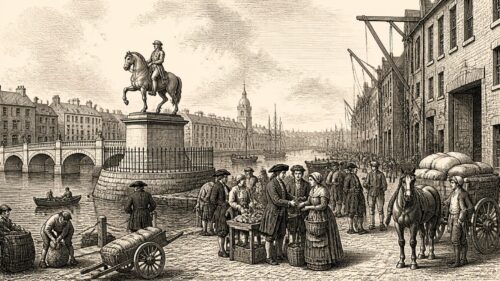
In 1722 George I authorised English ironmaster William Wood to mint up to 360 tons of copper halfpence and farthings for Ireland, initiating a controversy over currency, trade and political authority. Issued in London without Irish parliamentary consultation, the fourteen-year patent alarmed critics amid Ireland’s restricted autonomy following the 1720 Declaratory Act, although Swift’s attacks and parliamentary condemnation came later. Ireland’s rural economy, unequal imperial trade and unreliable small change formed its background. Executive government, policing proclamations and penal restrictions demonstrated state power. Dublin simultaneously celebrated Hanoverian rule with George I’s statue, while print culture widened constitutional unease more widely.
Read Article

Archived: 13 October 2026
Abstract
In 1721, Ireland’s proposed public bank collapsed amid post-South Sea Bubble distrust, disputes over credit, land, religious exclusion and dependence on Westminster, recently reinforced by the Declaratory Act. Although supporters sought cheaper loans and retained capital, the Commons rejected the scheme, first narrowly in October and decisively in December, preserving fragmented private finance. Land and influence remained central: Charles Butler regained Ormond estates under British sanction, William Ponsonby became Baron Bessborough, and Luke Gardiner acquired land developed as Henrietta Street. Linen exports linked rural households to imperial markets, while Catholic institutions endured restrictions. Government pursued disorder and imposed plague precautions.
Read Article
Archived: 13 October 2026
Abstract
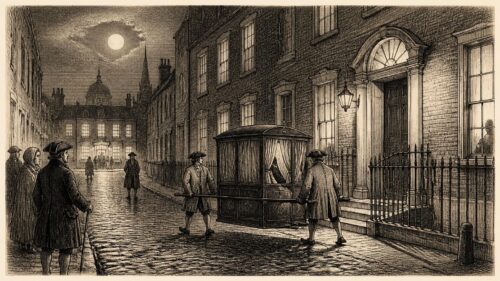
In 1717, Ireland remained a separate kingdom under Hanoverian rule, governed by a Protestant establishment that excluded most Catholics. Charles Paulet, Duke of Bolton, became lord lieutenant, while parliament renewed revenue and reinforced Protestant municipal control in Galway and Kilkenny. Colonel Henry Luttrell, a former Jacobite accused of betrayal, was murdered in Dublin; despite official rewards and proclamations, the crime remained unsolved. Authorities also pursued mutiny and armed disorder. Penal restrictions shaped Catholic and Presbyterian life. Hugh MacCurtin defended Irish antiquity in print. Rural society depended on vulnerable agricultural and export economies amid variable weather, reflecting an anxious political order.
Read Article
Archived: 31 October 2026
Abstract
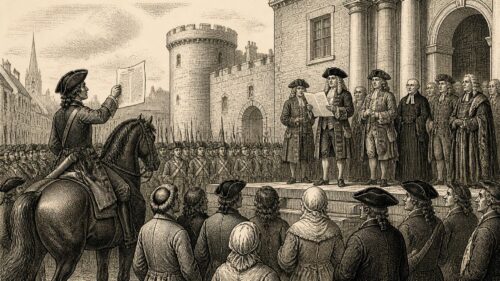
In 1714, Ireland experienced the formal succession from Queen Anne to George I, while Protestant rule remained insecure and unequal. A prorogued, restricted parliament left Dublin Castle dependent on proclamations, magistrates, clergy and military networks. Before and after Anne’s death, officials targeted robbery, Catholic arms and clergy, Jacobite recruitment, non-jurors, seditious print and rural violence, revealing fears rather than evidence of rebellion. George was proclaimed across Ireland on 6 August, followed immediately by Catholic disarmament and liturgical changes. Notices also regulated peace, foreign coin and public worship. The year’s records show Hanoverian authority consolidated through ritual, surveillance and penal control.
Read Article
Archived: 13 October 2026
Abstract
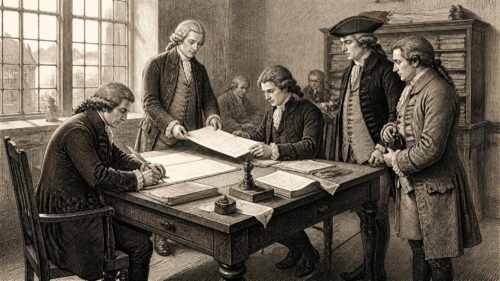
In 1708, Ireland’s new Registry of Deeds entered its first memorial, strengthening recorded property claims while serving a Protestant order shaped by confiscation and penal laws. During the French-backed Jacobite invasion scare, Dublin Castle issued anti-Catholic proclamations and detained clergy and gentlemen, though no rebellion followed. Parliament was prorogued under Lord Lieutenant Pembroke, while Thomas Wharton’s appointment foreshadowed change. Belfast Castle burned, killing three Donegall daughters and servants. Samuel Molyneux’s northern tour recorded contrasting landscapes, rebuilding, Belfast’s growth and Ulster’s developing linen trade. Thomas Milles became bishop of Waterford and Lismore in 1708, illustrating the Church of Ireland’s institutional authority.
Read Article
Archived: 13 October 2026
Abstract
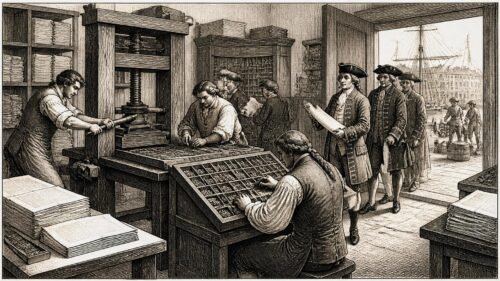
In 1705, Dublin Castle established the Dublin Gazette, printed by Edwin Sandys under official scrutiny, to circulate authorised news and restrain rumour. Ormond’s parliament, meeting from February to June under Queen Anne, imposed consumption duties and regulated tolls, measures, horse theft, debtors and mineral property amid wartime pressures. It strengthened penal supervision of Catholic clergy, restricting unregistered priests while the established Church of Ireland retained political privilege. Westminster permitted direct exports of specified Irish linen to English American plantations, encouraging linen while preserving English commercial control. Together, these measures expanded Protestant government through taxation, surveillance, economic regulation and controlled publicity.
Read Article
Archived: 13 October 2026
Abstract
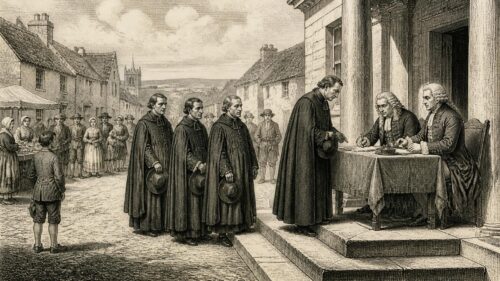
In 1704, Queen Anne’s Irish parliament enacted measures reinforcing Protestant political supremacy after the Williamite wars. The Popish Clergy Register required Catholic secular priests to register, provide sureties and remain locally confined, while excluding new clergy and threatening noncompliance with punishment. Its companion Popery Act restricted Catholic inheritance, education, conversion, office holding and family autonomy, though implementation varied. Parliament simultaneously encouraged Protestant immigrants, notably Huguenots, through selective naturalisation. Other statutes established Dublin’s coercive workhouse system and regulated credit, excise and livestock trade. These measures classified clergy, heirs, migrants and poor people, extending state supervision into worship, households, markets and streets.
Read Article
Archived: 13 October 2026
Abstract
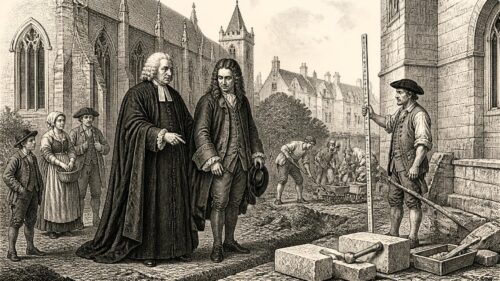
On 9 July 1701, St Patrick’s Cathedral granted Archbishop Narcissus Marsh ground to build a library beside St Sepulchre’s Palace, initiating Ireland’s first purpose-built public library, later known as Marsh’s Library. Its learned but socially restricted vision joined Protestant ecclesiastical power with Huguenot scholar Élie Bouhéreau. Meanwhile, Lord Lieutenant Rochester’s arrival reinforced English control over Irish administration, military recruitment and post-Williamite security. Catholic clergy faced uneven enforcement of banishment laws, while dissenters remained disadvantaged. Woollen export restrictions and Irish Sea trade shaped economic pressures. The Act of Settlement and James II’s death heightened Protestant fears of Jacobite and French threats.
Read Article
Archived: 14 October 2026
Abstract
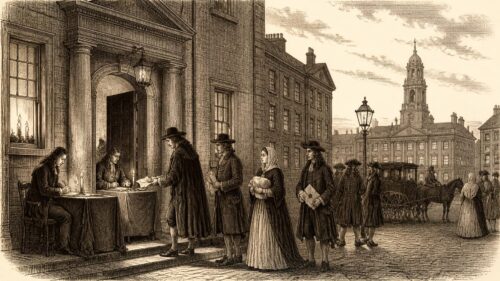
In 1700, the Act of Resumption required claimants to register interests in forfeited Irish estates at Chichester House, Dublin, producing over 3,000 claims involving families, creditors, tenants and purchasers. The process consolidated a post-Williamite Protestant order while exposing Catholic insecurity over land and rights. Ireland remained a separate but subordinate kingdom, governed through London-linked institutions amid confessional restrictions and commercial controls, notably woollen export limits. Agricultural life, regional trade and Dublin's growth continued under unequal conditions. Intellectual activity included Edward Lhuyd's antiquarian work, Ulster printing and George Berkeley's Trinity admission. Paperwork, property, religion and allegiance defined this unsettled post-war society.
Read Article

Archived: 14 October 2026
Abstract
In 1699, post-war Ireland remained shaped by land redistribution, Protestant security and contested trade. The Irish parliament concluded legislation imposing woollen export duties, supporting Church of Ireland clerical residences, protecting timber and regulating butter casks. Westminster's Woollen Act then barred most Irish wool and woollen exports to foreign markets, restricting a vital, widespread industry and encouraging, but not immediately replacing it with, linen. A parliamentary commission investigated Williamite forfeitures, reporting thousands attainted and over one million plantation acres affected, deepening uncertainty over titles. Anti-Catholic laws and proclamations restricted solicitors, arms and clerical jurisdiction. Dublin's print trade nevertheless demonstrated wider connections.
Read Article

Archived: 14 October 2026
Abstract
In 1695 Lord Capell’s Dublin parliament, under Poynings’ Law, consolidated Williamite rule after the Treaty of Limerick, reconciling Crown revenue needs with Protestant demands for fiscal influence. Amid fears of France, Jacobite exile and Catholic rebellion, it initiated religious exclusion. The Disarming Act required Catholics to surrender weapons and restricted ownership of horses, extending officials’ powers of search and control. The Foreign Education Act curbed Catholic teaching, overseas study and support, attaching severe civil and property penalties. Parliament also regulated property, trade, coinage and worship. Its legislation strengthened administration while making Catholic disability a durable foundation of the post-war settlement.
Read Article


