
Archived: 26 September 2026
Abstract
In 1041, Ireland remained politically fragmented despite Donnchad mac Briain’s claims to wider kingship. Leinster’s struggle between Murchad mac Dúnlainge and Uí Chennselaig brought raids, the death of Domnall Remur, Ferns’s burning, and Diarmait mac Maíl na mBó’s devastating retaliatory attack on Glenn Uisen. Rivalries also produced blinding, killings and sanctuary violations at Timahoe and Kildare, while assassinations, raids and battles disturbed Osraige, northern regions and Munster. Annals also record learned churchmen’s deaths, ecclesiastical organisation and church-building. Cattle raiding underpinned warfare and wealth, although farming, commerce and learning continued. The selective record portrays violence alongside resilient institutions, foreshadowing Diarmait’s dominance.
Read Article
Archived: 26 September 2026
Abstract
In 1040, Ireland remained politically divided after the decline of overarching high kingship. Donnchad mac Briain of Munster issued a Sunday law restricting theft, armed activity, labour and cattle movements, linking royal order with Christian observance. Rivalries continued through battle, assassination, imprisonment and raiding. Hiberno-Norse forces allied with a Mac Briain against Cerball mac Fáeláin, reflecting integrated Irish Sea politics. In Leinster, Diarmait mac Máel na mBó plundered churches and seized captives. Fires devastated Kildare, Kells, Downpatrick and other churches. Ecclesiastical leaders and scholars remained influential, while rural cattle wealth, ports, trade and warfare shaped society throughout this turbulent year.
Read Article

Archived: 26 September 2026
Abstract
In 1039, Ireland remained divided among competing provincial and regional rulers after the collapse of broadly accepted high kingship. Donnchad mac Gilla Pátraic, overking of Leinster and Osraige, led a destructive hosting through Meath to Knowth and Drogheda before dying during or soon after it. His death weakened Osraige’s wider authority and aided conditions for Diarmait mac Máel na mBó’s later ascent. Annals also record killings, blinding and contested lordships across Leinster, the midlands, Ulster and Connacht. Church leaders died, Clonard’s bell tower reportedly collapsed, and a solar eclipse was observed. Rural production, monasteries and Hiberno-Norse trading towns sustained society.
Read Article
Archived: 26 September 2026
Abstract
During 1038, Ireland remained fragmented, with rival dynasties contesting kingship, territory and influence. Local violence reached ecclesiastical centres: Orc Allaid Ua Ruadacáin was killed at Armagh by Clann Sínaig; Delbna defeated Uí Maine at Clonmacnoise during Ciarán’s feast; and Conchobar Ua Máelshechlainn’s Gailenga plundered Clonard. Killings, imprisonment and succession disputes affected Mide, Munster, Donegal and Dublin, where Ímar replaced Echmarcach. Rathlin was raided by Norse or Hiberno-Norse forces. Church obituaries reveal institutional networks and pilgrimage to Rome. Annals also note abundant fruit while stressing chronological uncertainty. Sacred settlements, central to worship, learning and economic life, proved vulnerable to regional feuds.
Read Article
Archived: 26 September 2026
Abstract
In 1037, Ireland remained a fragmented political landscape, where provincial kings, local dynasties and churches competed for power. Annals, despite differing dates and detail, record blinding, assassination, raiding and ecclesiastical violence across Leinster, Meath, Connacht and the north. Osraige’s Donnchad mac Gilla Pátraic displaced a Leinster rival, while Diarmait mac Máel na mBó strengthened his position and was linked to Waterford’s burning. Waterford’s ruler died amid internal and external conflict. Kings made pilgrimages, but churches were also plundered and sanctuary violated at Lorrha. Trade, farming and craft continued despite disorder. Exceptionally wet, stormy weather compounded an unstable year for communities.
Read Article
Archived: 26 September 2026
Abstract
In 1035, Ireland comprised competing regional kingdoms, with no universally accepted high king since 1022. Annals record raids, killings and church plundering, though clerical priorities obscure ordinary life. Donnchad mac Briain defeated Bréifne raiders after their attack on Clonfert, demonstrating the Shannon’s military importance. In Dublin, Sitriuc Silkbeard killed Waterford’s Ragnall ua Ímair and raided Ardbraccan; Mide’s Conchobar retaliated against Swords. Other conflicts involved Leinster, Mide and Donegal, often for cattle, captives and prestige. Churches were political and economic targets, while farming, craftsmanship, learning and trade continued. Archaeology reveals interconnected Gaelic and Hiberno-Norse communities, and annalistic dating remains sometimes uncertain.
Read Article
Archived: 26 September 2026
Abstract
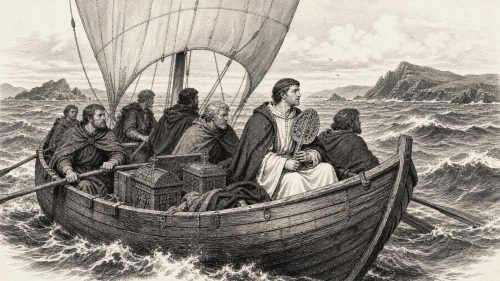
In 1034, Ireland lacked an uncontested high king, as regional dynasties, churches and maritime networks shaped a fragmented political landscape. Donnchad mac Briain of Munster ravaged Osraige, challenging its ruler’s expanding Leinster authority, while Flaithbertach Ua Néill resumed control of Ailech after his son’s death. Killings and treachery destabilised Connacht, Brega, Tethba and neighbouring regions. Ecclesiastical losses included leading figures at Cork, Mungret and Clonmacnoise, and Kells’s lector drowned returning from Scotland with companions and relics. Amlaíb, Dublin’s royal pilgrim, was killed en route to Rome. Annals reveal elite conflict and religious connections, while rural communities bore warfare’s economic burdens.
Read Article

Archived: 26 September 2026
Abstract
Irish annals portray 1033 as a fragmented year of regional rivalry, ecclesiastical authority and economic pressure. Donnchad mac Gilla Pátraic of Osraige asserted Leinster kingship by holding the Fair of Carman, a public demonstration of rule, clerical support, trade and legal order. In Mide, Ua Máel Sechnaill conflicts brought battlefield deaths, plundering and Murchad's assassination. Áed Ua Néill, heir designate to Ireland’s high-kingship, died, while killings destabilised Ciarraige, Éile, Munster and northern territories. Church obituaries and a reported bleeding shrine at Armagh underlined sacred authority. Cattle disease, farming and Hiberno-Norse maritime networks shaped everyday life amid political uncertainty across Ireland.
Read Article

Archived: 26 September 2026
Abstract
In 1032, annalistic records portray Ireland as a patchwork of competing lordships after the decline of island-wide kingship. Domnall ua Maíl Doraid of Cenél Conaill and Mathgamain Ua Riacáin of Brega were killed, while Mathgamain’s killer was blinded. Sitriuc of Dublin defeated neighbouring groups at the Boyne estuary. In Munster, Donnchad mac Briain married Ragnall’s daughter, reinforcing Norse-Gaelic connections amid regional tensions. Deaths of local rulers, officials and prominent churchmen reveal dispersed authority. The killing of Étrú Ua Conaing after violation of Emly underscored ecclesiastical protection. These fragmentary notices vividly depict warfare, alliance, church power, and political instability throughout Ireland.
Read Article
Archived: 26 September 2026
Abstract
In 1031 Ireland remained politically fragmented after Brian Bóruma, as northern, southern and Hiberno-Norse rulers pursued power through raids, booty and captives. Flaithbertach Ua Néill returned from Rome while Aed Ua Néill campaigned against Cenél Conaill. Dublin’s Sitriuc Silkbeard was linked to Ardbraccan’s devastating plunder, and Waterford’s king was killed in Dublin. Churches at Ardbraccan, Swords, Kildare, Cell Chomair and Clonfert suffered burning, robbery or violence. Donnchad mac Briain raided Osraige but lost men; conflict also afflicted the Déisi. Obituaries emphasised learning, hospitality, piety and ecclesiastical office, revealing society’s religious resilience amid warfare, trade and local rivalry throughout Ireland alike.
Read Article

Archived: 26 September 2026
Abstract
In 1030, Ireland remained divided among competing dynasties after Brian Bórama and Máel Sechnaill’s deaths. Annals record the killing of Tadc Ua Conchobair of Connacht, conflict and devastation in Mide, and northern rivalry culminating in Ruaidrí Ua Canannáin’s death. Flaithbertach Ua Néill travelled to Rome, while Tadc of Uí Cheinnselaig died on pilgrimage at Glendalough. Gormlaith’s death linked Leinster, Dublin and Munster dynasties. Ecclesiastical leaders, including successors of Ciarán, Tigernach and Comgall, died, alongside chief poet Cú Mara. Relic profanation, church attacks, maritime loss and a solar eclipse illustrate religion, learning, violence and observation shaping everyday political life across Ireland.
Read Article

Archived: 26 September 2026
Abstract
In 1029, Ireland remained divided among competing Gaelic dynasties, church centres and Hiberno-Norse Dublin. Mathgamain Ua Riagáin of Brega captured Amlaíb, Dublin’s prince, whose release required an exceptional ransom of cattle, horses, silver, gold, hostages and a renowned sword, demonstrating links between rural and maritime economies. Killings of rulers in Uí Fhailgi, Fernmag, Conaille, Connacht and Cenél Conaill exposed persistent succession disputes and regional rivalries. At Inis na Lainne, a fire killed nobles and Drumcliff’s superior. Pilgrimage and church patronage connected elites to wider Christianity, while the death of master craftsman Máel Brigte Ua Brolcháin attests to skilled ecclesiastical culture.
Read Article

Archived: 26 September 2026
Abstract
In 1028, Ireland remained politically fragmented after Brian Bórama and Máel Sechnaill, with power contested through raids, killings, hostages and cattle wealth. Cenél nEógain plundered Tír Conaill, while the Conaille killed regional rulers. Sitriuc Silkbeard, Hiberno-Norse king of Dublin, and Flannacán of Brega made a prestigious pilgrimage to Rome, signalling wider Christian connections and developments associated with Dublin’s cathedral. Severe Lent snow disrupted people and livestock. Ecclesiastical deaths, Duleek’s plundering, and Slane’s collapsed oratory reveal churches’ institutional importance and vulnerability. Conflicting annals record violent regional succession, especially Connacht’s Brian Ua Conchobair, portraying a literate, agrarian, martial society linked to Europe.
Read Article
Archived: 26 September 2026
Abstract
In 1027, Irish annals recorded a politically fragmented island where regional rulers, Dublin and monasteries shaped events. Donnchad mac Briain of Munster invaded Osraige, taking booty and captives, but suffered a costly defeat against local resistance. In Mide, forces of Sitriuc Silkbeard’s Dublin and Brega fought Mide, killing both Ráen ua Máel Sechnaill and Donnchad ua Duinn. Northern cattle raids and local conflicts underscored persistent border warfare. Deaths, pilgrimages and ecclesiastical successions linked Ireland to Iona, Rome and Cologne. The reported desecration of the Staff of Jesus demonstrated relics’ public importance. Warfare, trade, lordship and Christian learning were deeply interconnected.
Read Article

Archived: 26 September 2026
Abstract
In 1026, Ireland’s contested politics reflected the unsettled aftermath of Brian Bóruma and Máel Sechnaill’s deaths. Donnchadh mac Briain asserted Munster’s wider ambitions by taking hostages in Mide, Brega, Dublin, Leinster and Osraige, while hosting Patrick’s successor at Cenn Corad. Northern king Flaithbertach Ua Néill raided Mide, crossing ice to ravage Inis Mochta. Dublin remained a wealthy Hiberno-Norse power, alternately submitting and fighting. Leinster, Osraige and Mide saw killings, raids and shifting local leadership. Church offices, pilgrimages to Irish centres and Rome, and road building at Clonmacnoise demonstrate how religion, infrastructure and lordship sustained fragile regional power overall across Ireland.
Read Article

Archived: 26 September 2026
Abstract
In 1025, Ireland lacked a universally recognised high king after Máel Sechnaill mac Domnaill’s death, and authority was contested through campaigns, hostages, raids and alliances. Flaithbertach Ua Néill entered Brega and Dublin, securing Irish hostages, before Domnall Got countered and recovered Brega’s hostages. Violence included the killing of Brega’s ruler Gerr Gaela, Connacht heir Niall Ua Conchobair, and a Uí Fiachrach Aidne leader, alongside raids between Fernmag and Fir Manach. Termonfeckin was plundered and burned. Annals also recorded Munster rulers, pilgrims and numerous senior churchmen’s deaths, demonstrating churches’ political, economic and cultural importance amid fragmented regional rivalries throughout the island.
Read Article

Archived: 26 September 2026
Abstract
In 1024, Ireland remained fragmented after Máel Sechnaill’s death, with authority contested among provincial dynasties, Norse-Gaelic towns and church interests. Leinster suffered upheaval when Úgaire, king of Leinster, and Máel Mórda of Uí Cheinnselaig were killed during Donn Sléibe’s seizure and burning of a house; Donn Sléibe was later slain. Fighting marked Corann, Ulster and the midlands, while Irish forces raided Foreigners for hostages and wealth. Ecclesiastical deaths, pilgrimages and attacks on Slane and Kildare demonstrated churches’ scholarly, economic and political importance. Cúán ua Lothcháin, Ireland’s chief poet-historian, was murdered, emphasising the learned class’s prestige amid endemic violence and instability.
Read Article
Archived: 26 September 2026
Abstract
In 1023, Ireland experienced political fragmentation after Máel Sechnaill’s death. Rivalries destabilised Mide, where Domnall Ua Máel Sechnaill was killed, while Dublin’s Hiberno-Scandinavian rulers raided South Brega, killed Ainbíth Ua Cathasaigh, and seized King Donnchad Ua Duinn. Tadc son of Brian Bórama, a Munster dynastic rival, was killed by the Éile, allegedly at his half-brother Donnchad’s instigation. Connacht and northern kings also died in factional conflict. Clonmacnoise’s church lands were plundered of cattle. Annalists recorded January lunar and solar eclipses, spring drought, ecclesiastical deaths, and foreign rulers, revealing monastic learning and Ireland’s links across the Irish Sea and Christian Europe.
Read Article

Archived: 26 September 2026
Abstract
In 1022, the death of Máel Sechnaill mac Domnaill, king of Mide and foremost post-Clontarf claimant to Ireland’s high-kingship, exposed the weakness of island-wide authority. He died at Cró Inis on Lough Ennell, honoured by churches and remembered for royal generosity, though later accounts elaborate his final rites. His loss, following the death of his heir in 1021, intensified succession disputes. Warfare continued: Waterford’s Sitriuc was killed, Ulaid defeated Dublin at sea and attacked Airgialla, while regional rulers and heirs fell. Kildare was plundered, churchmen and poets died, and Irish kingship, trade, maritime power and ecclesiastical wealth remained closely intertwined.
Read Article

Archived: 26 September 2026
Abstract
In 1021 Máel Sechnaill mac Domnaill’s restored overkingship remained active but fragile. He raided Dublin’s foreigners and Cenél nEógain, while Úgaire of Leinster defeated Sitriuc Silkbeard’s Dubliners near Delgany. Northern raids, killings and local conflicts exposed contested lordship around Airgialla. The murder of Áed, Máel Sechnaill’s heir, and other elite deaths weakened succession prospects in Mide. Amalgaid of Armagh made a politically significant visitation to Munster, asserting Patrician authority. Ecclesiastical deaths, Branacán’s drowning in Lough Ennell, and a reported shower of wheat in Osraige coloured annalistic memory. The year foreshadowed intensified struggle following Máel Sechnaill’s death in 1022 for Ireland.
Read Article

Archived: 26 September 2026
Abstract
In 1019, five years after Clontarf, Ireland remained politically fragmented despite Máel Sechnaill’s high-kingship. Donnchad mac Briain survived a sword attack that severed his right hand, while the death of Munster’s heir Mathgamain weakened Dál Cais networks. Sitriuc Silkbeard’s Dubliners raided Kells, killing inhabitants and carrying off captives and spoils. Lightning burned Kildare, and attackers violated Durrow’s stone church to seize and kill Mael Muad. Dynastic killings affected Ailech, Leinster and smaller kingdoms; northern raids, revenge killings and disease in Ára compounded insecurity. Annals portray churches as wealthy, vulnerable institutions and record interconnected sacred authority, warfare, succession and local life.
Read Article
Archived: 26 September 2026
Abstract
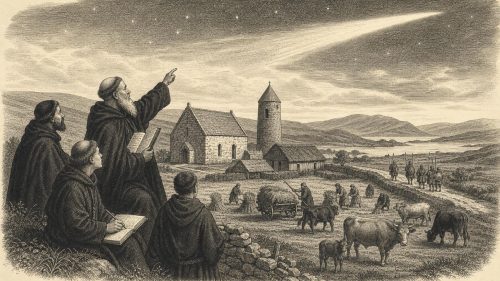
In 1018, four years after Clontarf, Ireland remained fragmented, as rival dynasties, Hiberno-Norse towns and local peoples pursued power through raiding, treachery and alliance. Máel Sechnaill’s authority in Mide was challenged when his steward and an allied king died during conflict in Fir Chell. Sitriuc Silkbeard of Dublin treacherously blinded Braen, son of Leinster’s Máel Mórda, ending his capacity to rule. Northern Uí Néill forces mobilised, while killings and plundering affected Gailenga, Tuatha Luigne and Óentreb. Ecclesiastical deaths reflected churches’ political and cultural importance; Waterford’s Norse king died. Annalists also recorded an autumn comet, revealing learned religious observation amid instability.
Read Article
Archived: 26 September 2026
Abstract
In 1017, three years after Clontarf, Ireland remained politically fragmented rather than settled under Máel Sechnaill mac Domnaill’s renewed overkingship. He defeated Dublin’s Hiberno-Scandinavian forces and Leinster men near Odhba, while dynastic killings eliminated several royal heirs and regional rulers in Ailech, Brega, Uí Méith and elsewhere. These internal conflicts reflected competitive succession among ruling kindreds. Church and learned communities also suffered: much of Glendalough burned, other ecclesiastical leaders died, and Inis Gaill Duib was destroyed as the scholar Anmchad drowned. Annals portray tense rebalancing, linking warfare, local lordship, monasteries, agriculture, and Dublin’s commercial power in post-Clontarf Ireland during 1017.
Read Article

Archived: 26 September 2026
Abstract
In 1016, two years after Clontarf, Máel Sechnaill mac Domnaill reasserted authority by taking Ulaid hostages, while Donnchad mac Briain raided Shannon islands, seized boats and consolidated Munster. Northern conflict between Ulaid and Dál Araide killed several rulers, and Osraige’s king slew Leinster and Uí Drona leaders at Leithglenn. Other regional dynastic deaths revealed fragmented power. Ecclesiastical life remained influential despite fires at Clonmacnoise, Clonfert, Kells and Downpatrick; church officers and the chief poet Mac Liag died. Raiding, hostage-taking and an autumn storm burdened communities. Annalistic peace meant relative stability after Clontarf, not an end to violence or political rivalry.
Read Article
Archived: 26 September 2026
Abstract
In 1015, Ireland remained unsettled after Clontarf, which had killed Brian Bóruma, Leinster’s Máel Mórda and key heirs. Máel Sechnaill mac Domnaill, aided by Flaithbertach Ua Néill, reasserted authority by plundering Leinster, taking cattle, tribute and hostages; later sources also associate campaigning with Dublin. In Munster, Donnchad mac Briain fought rivals while local kings suffered killings and deaths. Scarcity and dissension disrupted churches, with Emly vacated, Lorrha invaded and other sites plundered. Norse-Gaelic raiders seized 150 captives from western islands. Deaths, betrayals and interdynastic violence across Connacht, Bréifne and the north underscored a fragmented, dangerous political reconstruction after Brian's death.
Read Article

Archived: 26 September 2026
Abstract
In 1014, Ireland’s layered kingship faced conflict over Brian Boru’s overlordship of Dublin and Leinster. On Good Friday, 23 April, Brian’s coalition, including Máel Sechnaill, defeated Leinster, Dublin and overseas Scandinavian forces at Clontarf. The costly victory killed Brian, his son Murchad, grandson Tairdelbach, Máel Mórda of Leinster and Sigurðr of Orkney, but neither destroyed Dublin nor expelled Scandinavians. Armagh’s elaborate burial rites strengthened Brian’s Christian royal memory. Subsequent Munster rivalries, provincial raids and deaths exposed continuing instability after the battle. Máel Sechnaill resumed central political importance, while Dublin remained a vital Hiberno-Norse trading centre within the Irish Sea world.
Read Article

Archived: 26 September 2026
Abstract
In 1013, Brian Bórama’s Irish overlordship faced coordinated resistance from Leinster and Hiberno-Norse Dublin under Máel Mórda and Sitriuc Silkbeard. Warfare spread across Mide, Brega, Leinster and Munster: Máel Sechnaill suffered losses near Dublin but countered raids, while northern rivals increased pressure. Brian and his son Murchad conducted prolonged campaigns, devastating Leinster, taking captives and advancing towards Dublin. Dublin’s fleet burned Cork, though Munster forces killed prominent Dubliners. Church relics, ecclesiastical authority, agriculture and fortifications featured in the conflict. Annals portray a Christian, literate yet violent society. No settlement emerged; 1013 established the conditions for Clontarf’s decisive battle in 1014.
Read Article

Archived: 26 September 2026
Abstract
In 1012, Brian Bórama’s high-kingship remained powerful yet required constant military, religious and material reinforcement. Northern rulers Flaithbertach Ua Néill and Máel Sechnaill raided rival territories, burning centres and seizing cattle, captives and plunder, while succession fighting continued in Ulaid. Brian campaigned in Mag Muirtheimne, granting immunity to Patrick’s churches, and fortified Cenn Corad and other strategic sites. Armagh suffered a prolonged sickness that killed clergy, students and others. Heavy rainfall damaged cereal crops, worsening pressures on communities already exposed to armies. The annals portray rivalry, fragile overlordship and hardship, anticipating the crises that culminated at Clontarf two years later.
Read Article

Archived: 26 September 2026
Abstract
In 1011, Brian Bórama’s supremacy reached the north-west through a major campaign against Cenél Conaill. Forces led by Brian and his sons, allied with Flaithbertach Ua Néill and other rulers, raided, seized cattle and captives, and compelled Máel Ruanaid Ua Máel Doraid to submit at Cenn Corad. The events demonstrated both Brian’s wide influence and the negotiated, competitive character of Irish over-kingship. Máel Sechnaill remained within Brian’s political order, while Ulster’s dynastic conflicts continued. Deaths among royal heirs and prominent churchmen, illness near Armagh, and a plentiful nut harvest reveal a society shaped by warfare, ecclesiastical learning, disease, and resources.
Read Article

Archived: 26 September 2026
Abstract
In 1010 Brian Bóruma reinforced his contested supremacy by leading Munster forces north to Armagh and securing hostages from the northern Uí Néill, Ulaid and wider Leth Cuinn. The campaign demonstrated that overlordship required repeated negotiation, military display and guarantees. Connacht’s king Cathal mac Conchobair died penitently, while lesser rulers, an Ailech heir and other political figures also died or were killed. Church losses included Brian’s brother Marcán, senior cleric of Munster, Clonmacnoise bishop Conaing, and scholar-king Máel Suthain ua Cerbaill. An abbot suffered blinding. Annals also recorded a hot summer and fruitful autumn, underscoring rural resources sustaining political power.
Read Article




