
c.1640s
The 1640s section gathers all articles and images assigned to this period within Emerald Archives. Together, these records show how developments within Limerick interacted with political, economic, social and cultural changes across Ireland and the wider world. They reveal how public decisions, employment, transport, trade, conflict, migration, technology, religion and changing customs reached ordinary homes and communities. Some evidence records major events, while other material preserves quieter details of streets, workplaces and family life. As additional records are published and classified, this decade will expand automatically, providing a fuller picture of Limerick experience during these important years for future visitors.
1640 0 items
No published items are currently assigned to this period.
1641 0 items
No published items are currently assigned to this period.
1642 22 items
Nua Ruins
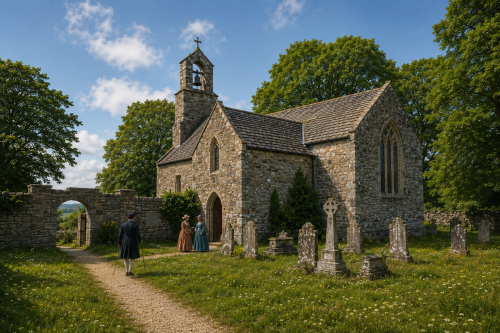
The old church near Holycross, County Limerick, was recorded as a ruin by 1642. In 1679, Rachael Bourchier, Countess of Bath, restored the building, just one year before her death. Thereafter it became known as the New Church, or Teampall Nua in Irish, and served local Church of Ireland parishioners. A belfry was added during the restoration, giving the structure a distinctive profile. Although the church later fell out of use and returned to ruin, its surviving walls, arched openings and graveyard remain important reminders of seventeenth-century religious life and the long history of worship at this historic site today.
View Image
Nua Ruins
The old church near Holycross, County Limerick, was recorded as a ruin by 1642. In 1679, Rachael Bourchier, Countess of Bath, restored the building, just one year before her death. Thereafter it became known as the New Church, or Teampall Nua in Irish, and served local Church of Ireland parishioners. A belfry was added during the restoration, giving the structure a distinctive profile. Although the church later fell out of use and returned to ruin, its surviving walls, arched openings and graveyard remain important reminders of seventeenth-century religious life and the long history of worship at this historic site today.
View Image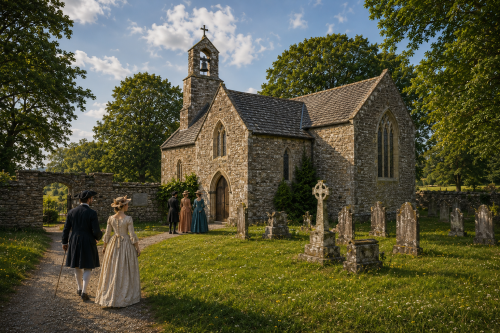
Nua Ruins
The old church near Holycross, County Limerick, was recorded as a ruin by 1642. In 1679, Rachael Bourchier, Countess of Bath, restored the building, just one year before her death. Thereafter it became known as the New Church, or Teampall Nua in Irish, and served local Church of Ireland parishioners. A belfry was added during the restoration, giving the structure a distinctive profile. Although the church later fell out of use and returned to ruin, its surviving walls, arched openings and graveyard remain important reminders of seventeenth-century religious life and the long history of worship at this historic site today.
View Image
Archival Silence
Lady Elizabeth Dowdall’s Limerick story ends abruptly after the defence of Kilfinny Castle in 1642. The surviving account states that nothing certain is known about what happened to her afterwards. This disappearance from the record is striking because her two narratives preserve such a forceful image of command, authorship and resistance. A woman who described herself confronting siege, loss and political violence then passes almost completely from view. For Limerick historians, that silence is itself important. It reveals how documentary survival can illuminate one moment vividly while leaving the remainder of a life obscured by missing records and changing priorities.
View Article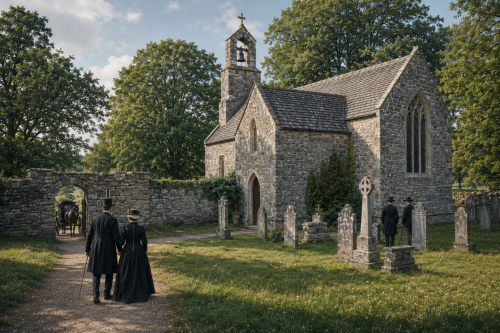
Nua Ruins
The old church near Holycross, County Limerick, was recorded as a ruin by 1642. In 1679, Rachael Bourchier, Countess of Bath, restored the building, just one year before her death. Thereafter it became known as the New Church, or Teampall Nua in Irish, and served local Church of Ireland parishioners. A belfry was added during the restoration, giving the structure a distinctive profile. Although the church later fell out of use and returned to ruin, its surviving walls, arched openings and graveyard remain important reminders of seventeenth-century religious life and the long history of worship at this historic site today.
View Image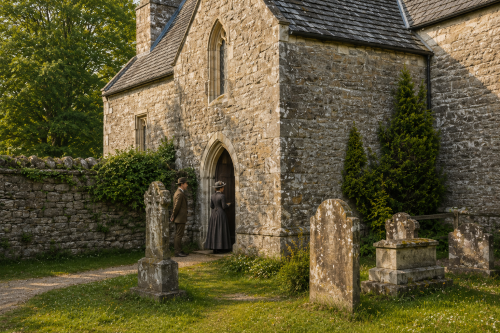
Nua Ruins
The old church near Holycross, County Limerick, was recorded as a ruin by 1642. In 1679, Rachael Bourchier, Countess of Bath, restored the building, just one year before her death. Thereafter it became known as the New Church, or Teampall Nua in Irish, and served local Church of Ireland parishioners. A belfry was added during the restoration, giving the structure a distinctive profile. Although the church later fell out of use and returned to ruin, its surviving walls, arched openings and graveyard remain important reminders of seventeenth-century religious life and the long history of worship at this historic site today.
View Image
Literary Inheritance
Lady Elizabeth Dowdall’s place in Limerick history was shaped partly by a literary inheritance. Her mother, Anne Southwell, was a poet whose surviving manuscripts contain verse, letters, theological reflections and other writings. Elizabeth later became associated with Kilfinny Castle in County Limerick, where her own account of rebellion would preserve a woman’s perspective on violence and command. The connection between mother and daughter is therefore more than genealogical. It links two generations of women who used manuscript writing to record thought and experience, although their subjects differed and Elizabeth’s surviving work emerged from immediate danger rather than sustained literary activity.
View Article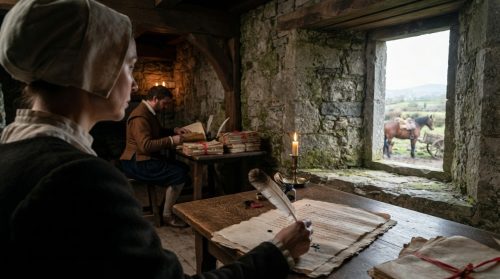
Written Command
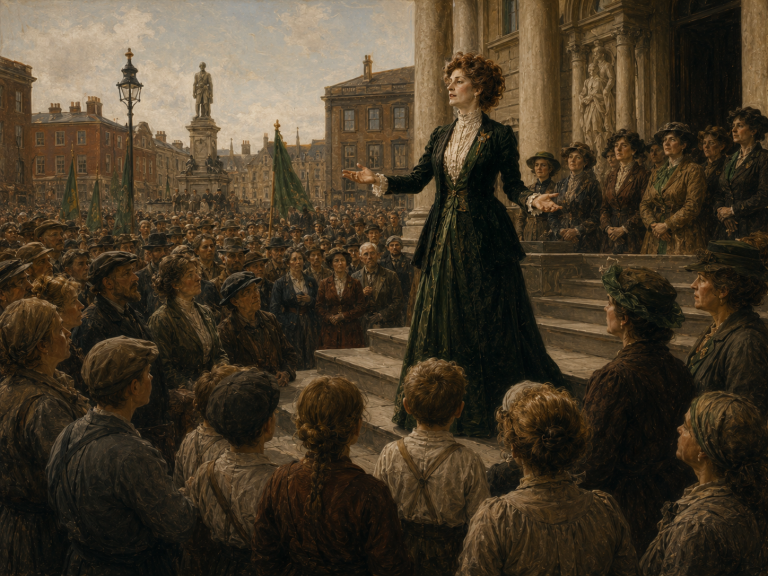
Limerick’s connection with Lady Elizabeth Dowdall survives not only through the siege of Kilfinny Castle, but through two remarkable accounts created in 1642. These texts provide unusually direct evidence of a woman describing military crisis within County Limerick. The first was a formal deposition, written by a scribe and completed with Dowdall’s autograph signature. Three days later, she produced a first-person narration in her own handwriting. Read together, the documents reveal more than events surrounding the castle. They show how authorship, format and purpose could shape the presentation of authority, loss and resistance during one of Ireland’s most disruptive rebellions.
View Article
Nua Ruins
The old church near Holycross, County Limerick, was recorded as a ruin by 1642. In 1679, Rachael Bourchier, Countess of Bath, restored the building, just one year before her death. Thereafter it became known as the New Church, or Teampall Nua in Irish, and served local Church of Ireland parishioners. A belfry was added during the restoration, giving the structure a distinctive profile. Although the church later fell out of use and returned to ruin, its surviving walls, arched openings and graveyard remain important reminders of seventeenth-century religious life and the long history of worship at this historic site today.
View Image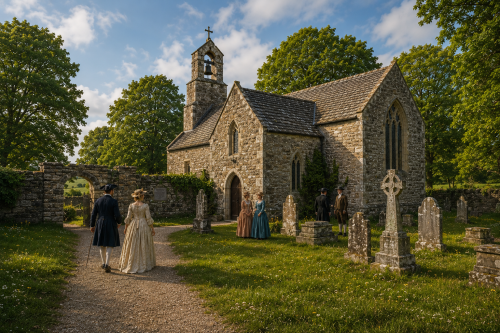
Nua Ruins
The old church near Holycross, County Limerick, was recorded as a ruin by 1642. In 1679, Rachael Bourchier, Countess of Bath, restored the building, just one year before her death. Thereafter it became known as the New Church, or Teampall Nua in Irish, and served local Church of Ireland parishioners. A belfry was added during the restoration, giving the structure a distinctive profile. Although the church later fell out of use and returned to ruin, its surviving walls, arched openings and graveyard remain important reminders of seventeenth-century religious life and the long history of worship at this historic site today.
View Image
Contested Violence
Among the most troubling claims attached to Lady Elizabeth Dowdall’s defence of Kilfinny Castle is the report that captured opponents were hanged. Biographical accounts describe it as reputed that she personally executed several rebels during the siege. Her surviving narrative uses collective language, stating that she and Captain Francis Courtney killed and hanged many adversaries while conducting operations in County Limerick. That wording confirms that executions formed part of her own representation of the conflict, but it does not identify every victim, circumstance or person issuing orders. The distinction matters when assessing responsibility within a violent and partisan wartime account.
View Article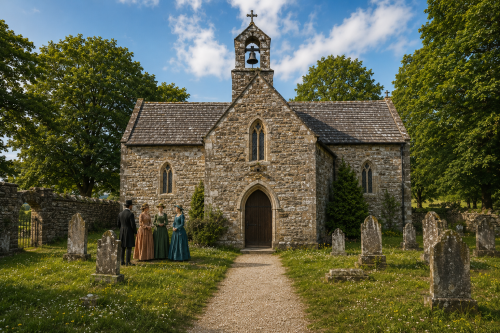
Nua Ruins
The old church near Holycross, County Limerick, was recorded as a ruin by 1642. In 1679, Rachael Bourchier, Countess of Bath, restored the building, just one year before her death. Thereafter it became known as the New Church, or Teampall Nua in Irish, and served local Church of Ireland parishioners. A belfry was added during the restoration, giving the structure a distinctive profile. Although the church later fell out of use and returned to ruin, its surviving walls, arched openings and graveyard remain important reminders of seventeenth-century religious life and the long history of worship at this historic site today.
View Image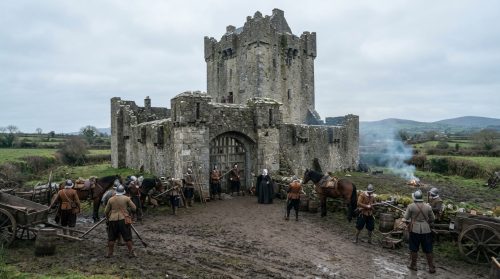
Castle Defiance
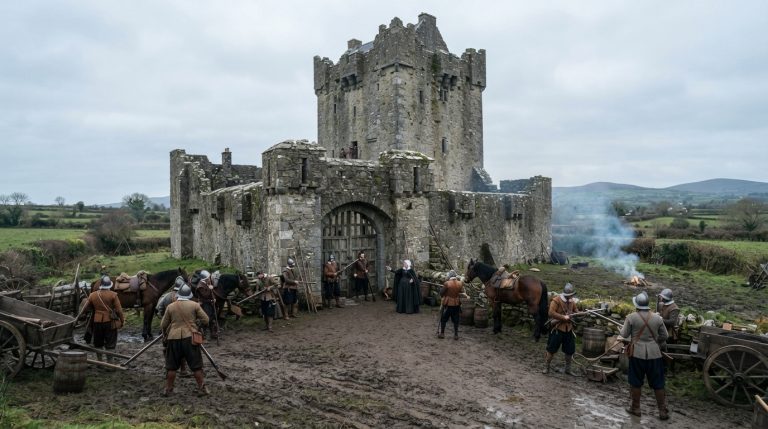
In County Limerick, Kilfinny Castle became the setting for one of the most striking episodes of the Irish Rebellion of 1641. Lady Elizabeth Dowdall, an English-born noblewoman married into the Dowdall family, commanded the castle’s defence during 1642. Her surviving accounts place a woman at the centre of military decision-making in a period usually narrated through male commanders. She organised resistance against repeated assaults, directed those within the stronghold, and refused demands for surrender until artillery made continued defence impossible. Kilfinny therefore occupies an unusual place in Limerick history: a rural fortress remembered chiefly through its female defender and writer.
View Article
Nua Ruins
The old church near Holycross, County Limerick, was recorded as a ruin by 1642. In 1679, Rachael Bourchier, Countess of Bath, restored the building, just one year before her death. Thereafter it became known as the New Church, or Teampall Nua in Irish, and served local Church of Ireland parishioners. A belfry was added during the restoration, giving the structure a distinctive profile. Although the church later fell out of use and returned to ruin, its surviving walls, arched openings and graveyard remain important reminders of seventeenth-century religious life and the long history of worship at this historic site today.
View Image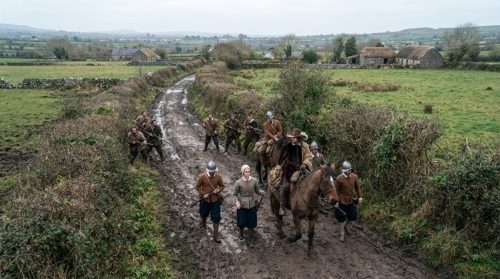
Fatal Journey
County Limerick’s experience of the Irish Rebellion of 1641 can also be traced through the death of Sir John Dowdall, husband of Lady Elizabeth Dowdall of Kilfinny Castle. According to the article, he was ambushed in 1641 while travelling to defend Newcastle West, a moment that linked the fate of one household to the wider collapse of order across west Limerick. His death mattered because it removed the head of the Kilfinny estate just as violence was spreading. It left Elizabeth confronting siege conditions, widowhood and estate defence simultaneously, sharpening the significance of subsequent events at the castle in 1642.
View Article
Siege Artillery
Kilfinny Castle in County Limerick became a test of endurance during the upheavals following the Irish Rebellion of 1641. The biographical account states that Lady Elizabeth Dowdall commanded its defence in 1642 while Confederate Irish forces maintained a siege lasting forty weeks. Rather than describing a single clash, this tradition presents a prolonged struggle involving isolation, repeated pressure and dwindling prospects of relief. Dowdall reportedly organised resistance to four separate attacks before artillery altered the balance decisively. The duration attributed to the siege makes Kilfinny an important Limerick example of warfare conducted around fortified households rather than solely across battlefields.
View Article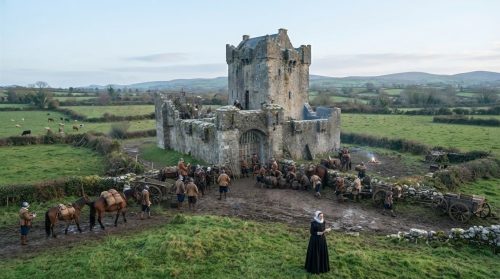
Kilfinny Memory
Kilfinny Castle gives Lady Elizabeth Dowdall’s story its enduring place within County Limerick. The building was more than the setting for a dramatic siege; it was the household, estate centre and defensive position around which her surviving testimony was organised. In 1642, Dowdall commanded resistance there against Confederate Irish forces during the upheavals following the rebellion of 1641. Four attacks were reportedly resisted before cannon made surrender unavoidable. Although later retellings emphasise her personality, the castle itself shaped every decision. Its walls offered protection, concentrated authority and turned a rural residence into a military landmark remembered locally across subsequent centuries.
View Article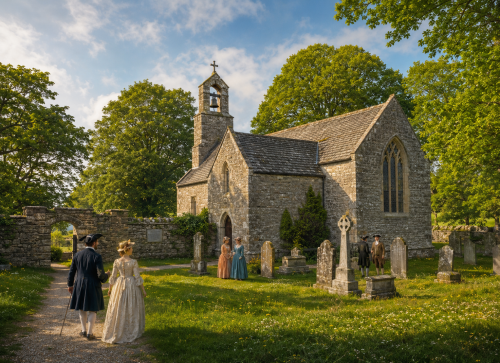
Nua Ruins
The old church near Holycross, County Limerick, was recorded as a ruin by 1642. In 1679, Rachael Bourchier, Countess of Bath, restored the building, just one year before her death. Thereafter it became known as the New Church, or Teampall Nua in Irish, and served local Church of Ireland parishioners. A belfry was added during the restoration, giving the structure a distinctive profile. Although the church later fell out of use and returned to ruin, its surviving walls, arched openings and graveyard remain important reminders of seventeenth-century religious life and the long history of worship at this historic site today.
View Image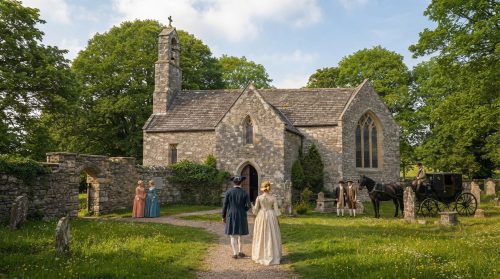
Nua Ruins
The old church near Holycross, County Limerick, was recorded as a ruin by 1642. In 1679, Rachael Bourchier, Countess of Bath, restored the building, just one year before her death. Thereafter it became known as the New Church, or Teampall Nua in Irish, and served local Church of Ireland parishioners. A belfry was added during the restoration, giving the structure a distinctive profile. Although the church later fell out of use and returned to ruin, its surviving walls, arched openings and graveyard remain important reminders of seventeenth-century religious life and the long history of worship at this historic site today.
View Image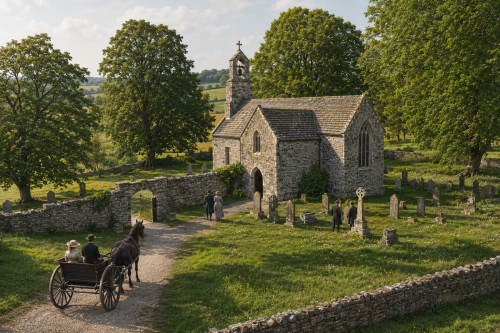
Nua Ruins
The old church near Holycross, County Limerick, was recorded as a ruin by 1642. In 1679, Rachael Bourchier, Countess of Bath, restored the building, just one year before her death. Thereafter it became known as the New Church, or Teampall Nua in Irish, and served local Church of Ireland parishioners. A belfry was added during the restoration, giving the structure a distinctive profile. Although the church later fell out of use and returned to ruin, its surviving walls, arched openings and graveyard remain important reminders of seventeenth-century religious life and the long history of worship at this historic site today.
View Image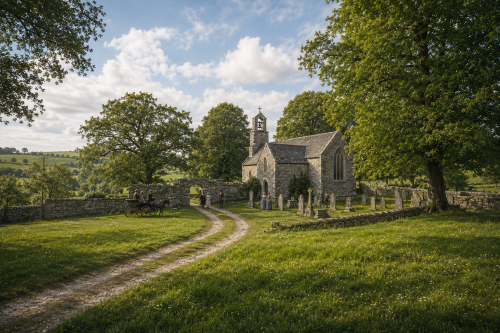
Nua Ruins
The old church near Holycross, County Limerick, was recorded as a ruin by 1642. In 1679, Rachael Bourchier, Countess of Bath, restored the building, just one year before her death. Thereafter it became known as the New Church, or Teampall Nua in Irish, and served local Church of Ireland parishioners. A belfry was added during the restoration, giving the structure a distinctive profile. Although the church later fell out of use and returned to ruin, its surviving walls, arched openings and graveyard remain important reminders of seventeenth-century religious life and the long history of worship at this historic site today.
View Image
Dynastic Daughters
Kilfinny Castle’s history extended beyond Lady Elizabeth Dowdall’s defence through the marriages of her five daughters: Anne, Elizabeth, Jane, Bridget and Honora. Each entered a different landed family, carrying the Dowdall connection into networks reaching across County Limerick, Cork, Meath and England. Their marriages demonstrate how one household’s influence could continue after rebellion had transformed its property and security. Although none became known as a writer like their mother or grandmother, their family alliances preserved the Dowdall name within political, military and aristocratic circles. For Limerick history, the daughters reveal the quieter dynastic legacy behind the celebrated siege narrative enduringly.
View Article1643 0 items
No published items are currently assigned to this period.
1644 0 items
No published items are currently assigned to this period.
1645 0 items
No published items are currently assigned to this period.
1646 0 items
No published items are currently assigned to this period.
1647 0 items
No published items are currently assigned to this period.
1648 0 items
No published items are currently assigned to this period.
1649 0 items
No published items are currently assigned to this period.