c.1904
50 archived items
January 0 items
No published items are currently assigned to this period.
February 0 items
No published items are currently assigned to this period.
March 0 items
No published items are currently assigned to this period.
April 0 items
No published items are currently assigned to this period.
May 0 items
No published items are currently assigned to this period.
June 0 items
No published items are currently assigned to this period.
July 0 items
No published items are currently assigned to this period.
August 0 items
No published items are currently assigned to this period.
September 0 items
No published items are currently assigned to this period.
October 0 items
No published items are currently assigned to this period.
November 0 items
No published items are currently assigned to this period.
December 0 items
No published items are currently assigned to this period.
Month Unspecified50 items
Limerick Boycott
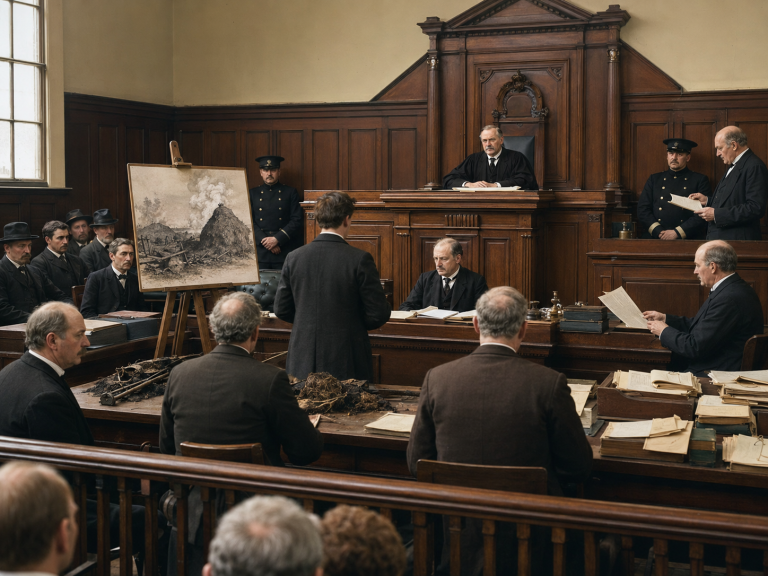
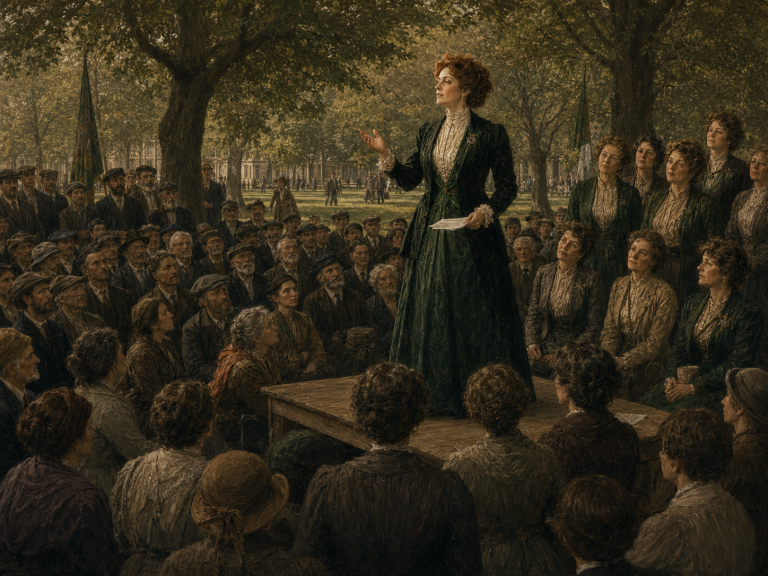
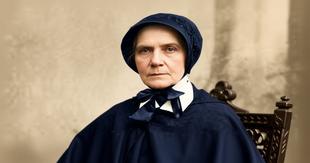
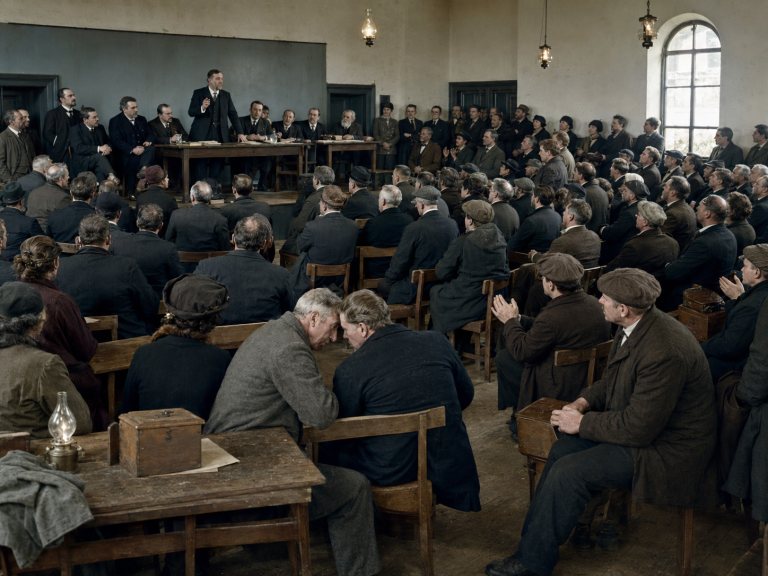
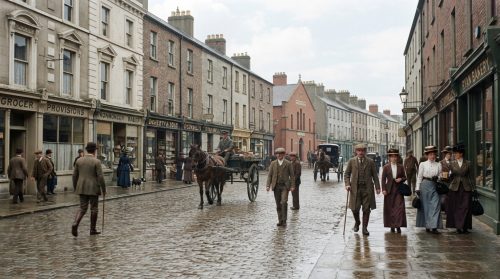
On 11 and 18 January 1904 Father John Creagh delivered forceful sermons at Mount Saint Alphonsus that ignited a campaign against Limerick’s small Jewish community. His addresses combined long standing Christian antisemitic imagery with accusations about dishonest trade and moral corruption aimed at Jewish shopkeepers. In the city’s tense economic climate these claims carried weight because Creagh was a respected Redemptorist priest. News reports, police letters and Jewish communal correspondence recorded immediate threats, stone throwing and organised withdrawal of custom. The events became known locally as the Limerick boycott or pogrom and they marked a severe rupture in civic relations.
View Article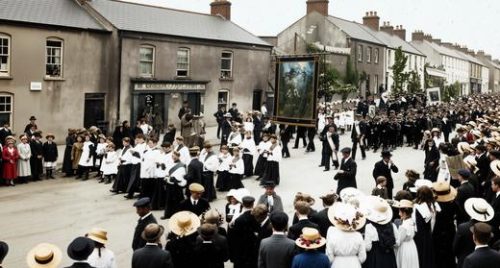
Limerick Boycott
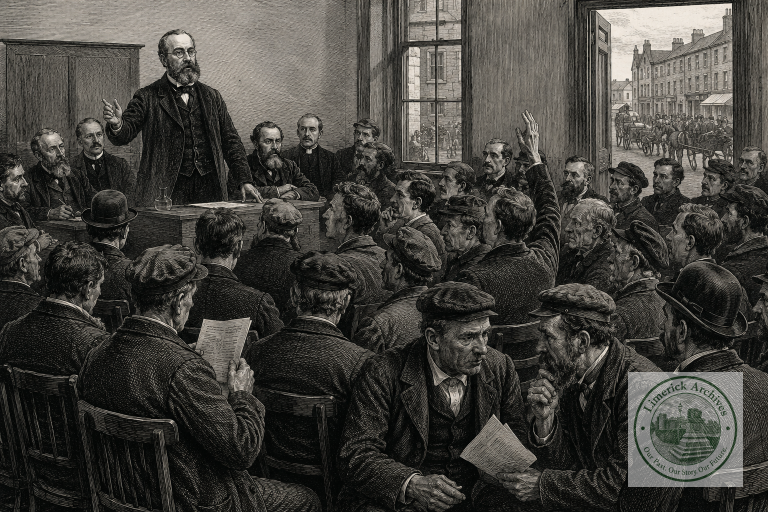
The Limerick Pogrom refers to an organised campaign of antisemitic intimidation and economic boycott centred in Limerick city that began after two sermons by Father John Creagh on 11 January 1904 and continued through 1906. Creagh’s speeches at Mount Saint Alphonsus accused Jewish traders of unscrupulous practices and urged Christians to withdraw custom. Immediate consequences included stone‑throwing at shops, street assaults, threats, and many Catholics refusing to trade with Jewish shopkeepers. Contemporary newspapers, Jewish communal reports and police correspondence document the sermon dates and the pattern of harassment that followed. Officials, clergy, affected families recorded incidents in letters and reports.
View Article