Limerick Boycott(c.1900s)
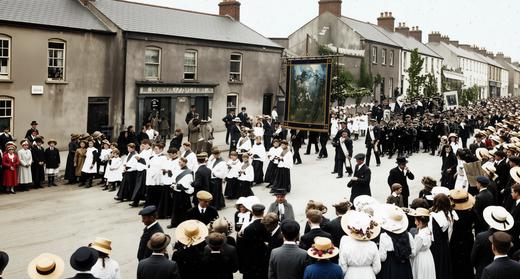
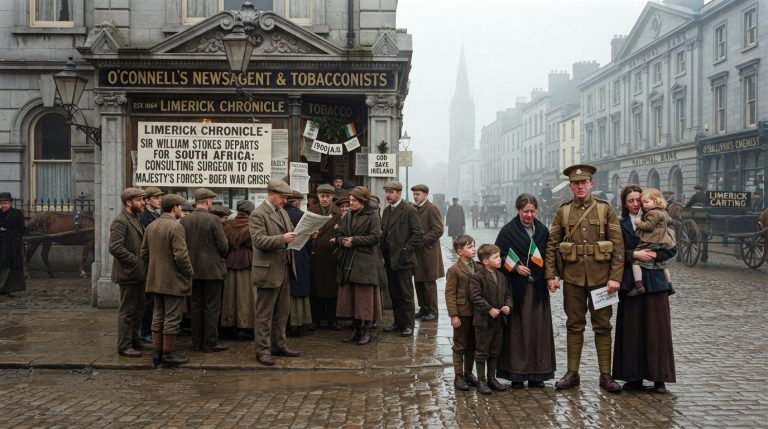
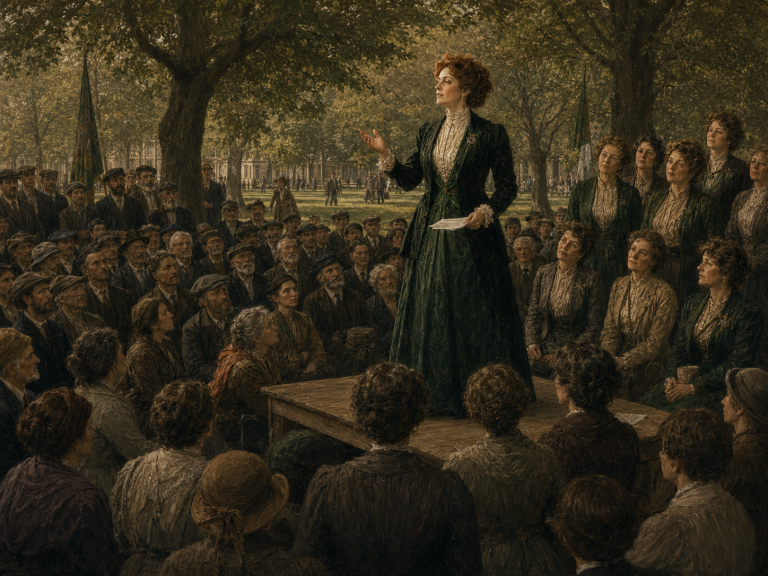
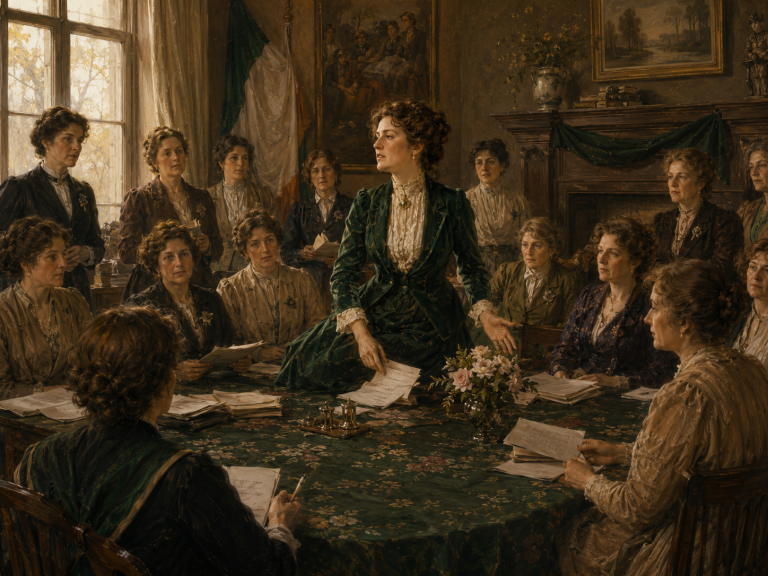
The Limerick Pogrom refers to an organised campaign of antisemitic intimidation and economic boycott centred in Limerick city that began after two sermons by Father John Creagh on 11 January 1904 and continued through 1906. Creagh’s speeches at Mount Saint Alphonsus accused Jewish traders of unscrupulous practices and urged Christians to withdraw custom. Immediate consequences included stone‑throwing at shops, street assaults, threats, and many Catholics refusing to trade with Jewish shopkeepers. Contemporary newspapers, Jewish communal reports and police correspondence document the sermon dates and the pattern of harassment that followed. Officials, clergy, affected families recorded incidents in letters and reports.
Before 1904 Limerick’s Jewish community was small but established, concentrated around Henry Street and Colooney Street and numbering roughly one hundred seventy persons in the 1901 census. Merchants, peddlers and small shopkeepers operated modest businesses while the Hebrew congregation maintained a synagogue and burial ground. Rabbi Yitzchak Levin’s reports and letters to Dublin and London detailed rapid loss of custom after 11 January and described assaults on Jewish residents. Within months some families reported forced departures. By the 1911 census the Jewish population had declined noticeably, though subsequent arrivals partially offset earlier losses. Some families emigrated to Britain and America.
Contemporaries and later historians debated whether the term pogrom accurately describes the Limerick events. Critics emphasise that unlike Eastern European pogroms there was no systematic killing or large‑scale property destruction, while defenders stress organised communal pressure, public sermons and episodes of targeted violence. Responses included condemnatory national newspaper articles, interventions by public figures such as Michael Davitt, and correspondence published in the Jewish Chronicle and local press. Church authorities later distanced themselves from Creagh’s actions. Archival records show instances of official disapproval alongside evidence of local sympathy for the boycott and complicity in harassment. These materials assist researchers assessing causes.
Primary records that document the episode survive across multiple repositories. Contemporary editions of the Limerick Leader and Limerick Chronicle provide dated reports and editorials; issues of the Jewish Chronicle contain Rabbi Levin’s accounts and community correspondence. Royal Irish Constabulary memoranda and police reports record disturbances; magistrates’ court files include charges, summonses and witness statements. The 1901 and 1911 censuses supply demographic evidence. Mount Saint Alphonsus and Redemptorist confraternity minutes preserve sermon notices and meeting discussion. Synagogue minute books and burial registers record membership and deaths. Letters sent to national politicians and newspapers capture appeals and debates over response and responsibility.
Remembering the Limerick boycott matters for local memory and Irish social history. Researchers should consult contemporary newspapers for dated reporting, Rabbi Levin’s letters and the Jewish Chronicle for community testimony, and police and court files for legal outcomes and witness statements. The 1901 and 1911 censuses show demographic change. Redemptorist confraternity and Mount Saint Alphonsus records illuminate clerical activity. Synagogue burial registers and minute books assist family tracing. Limerick Corporation minutes record civic reaction, while private letters and diaries in local archives reveal economic impact. Careful use of primary sources permits nuanced assessment of scale and motive and consequence today.
Primary Sources
- Limerick Leader, 18 January 1904 editorial and subsequent reports (issues January–April 1904).
- Limerick Chronicle, 19 January 1904 report of disturbances around Henry Street and Colooney Street.
- The Jewish Chronicle, reports and letters concerning Limerick, issues January–April 1904 (including Rabbi Y. Levin’s accounts).
- Letters from Rabbi Yitzchak Levin reporting the boycott to the Chief Secretary and Jewish communal authorities, January 1904 (contemporary published correspondence and manuscript letters in Jewish communal archives).
- Royal Irish Constabulary reports and correspondence concerning public order in Limerick, January–June 1904 (police district returns and memoranda held in the National Archives of Ireland).
- Magistrates’ court records for Limerick city, January–December 1904: charges, summonses and witness statements relating to assaults and public disorder (Limerick courthouse archives / National Archives).
- 1901 Census of Ireland returns for Limerick city (enumeration of Jewish households, National Archives of Ireland, Census 1901). Source Link
- 1911 Census of Ireland returns for Limerick city (comparison of Jewish population and household entries, National Archives of Ireland). Source Link
- Mount Saint Alphonsus / Redemptorist confraternity minutes and records, January 1904 (sermon notices and confraternity meeting minutes held in Redemptorist community or diocesan archive).
- Synagogue minute books, burial registers and congregational records for the Limerick Hebrew congregation, 1898–1912 (membership lists, burial entries and congregation correspondence held in local Jewish communal archives or the Irish Jewish Museum archive).