
c.1898
16 archived items
January 11 items
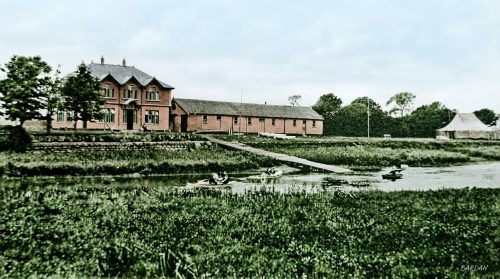
Boat Club
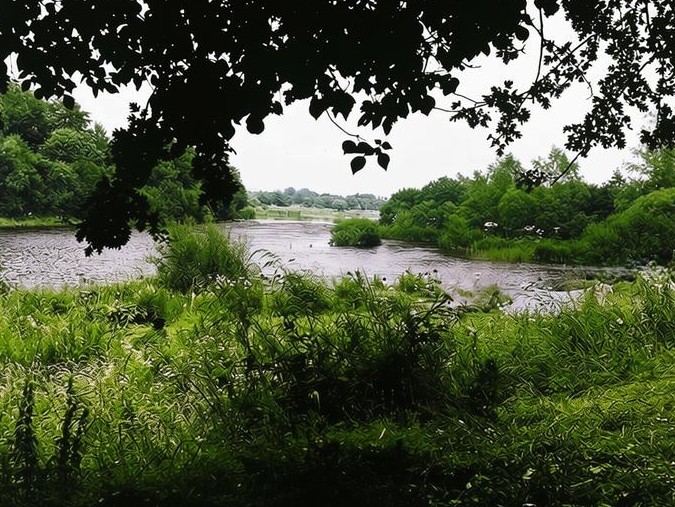
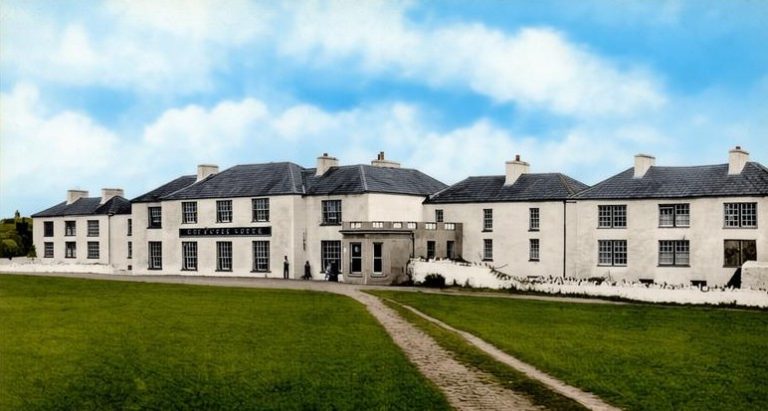
Athlunkard Boat Club was founded in 1898, taking its name from its home beside O’Dwyer Bridge at the end of Athlunkard Street. By the 1930s, the club was already firmly woven into Limerick’s rowing tradition, with a proud record on the water. Its greatest distinction came through the Senior Eight Championship, which Athlunkard won twice, in 1913 and 1923. That achievement made it the only Limerick club to secure the title on two occasions. Its riverside presence and competitive success gave Athlunkard Boat Club a lasting place in the sporting history of the city and the wider Shannon rowing community.
View Image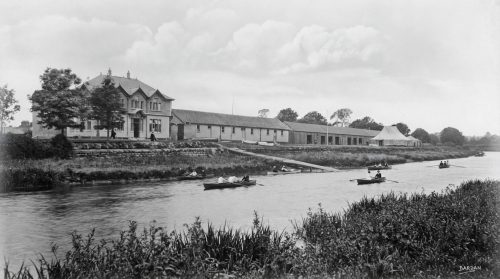
Boat Club
Athlunkard Boat Club was founded in 1898, taking its name from its home beside O’Dwyer Bridge at the end of Athlunkard Street. By the 1930s, the club was already firmly woven into Limerick’s rowing tradition, with a proud record on the water. Its greatest distinction came through the Senior Eight Championship, which Athlunkard won twice, in 1913 and 1923. That achievement made it the only Limerick club to secure the title on two occasions. Its riverside presence and competitive success gave Athlunkard Boat Club a lasting place in the sporting history of the city and the wider Shannon rowing community.
View Image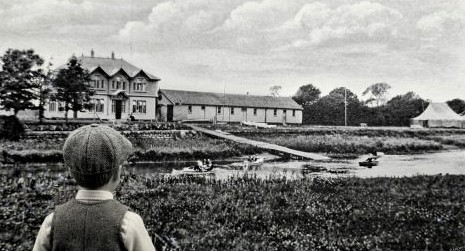
Boat Club
Athlunkard Boat Club was founded in 1898, taking its name from its home beside O’Dwyer Bridge at the end of Athlunkard Street. By the 1930s, the club was already firmly woven into Limerick’s rowing tradition, with a proud record on the water. Its greatest distinction came through the Senior Eight Championship, which Athlunkard won twice, in 1913 and 1923. That achievement made it the only Limerick club to secure the title on two occasions. Its riverside presence and competitive success gave Athlunkard Boat Club a lasting place in the sporting history of the city and the wider Shannon rowing community.
View Image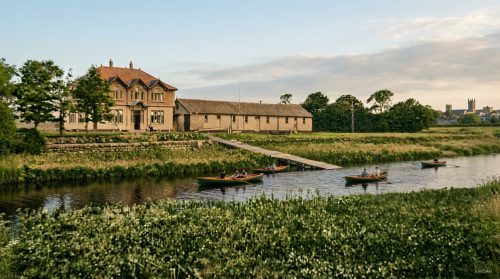
Boat Club
Athlunkard Boat Club was founded in 1898, taking its name from its home beside O’Dwyer Bridge at the end of Athlunkard Street. By the 1930s, the club was already firmly woven into Limerick’s rowing tradition, with a proud record on the water. Its greatest distinction came through the Senior Eight Championship, which Athlunkard won twice, in 1913 and 1923. That achievement made it the only Limerick club to secure the title on two occasions. Its riverside presence and competitive success gave Athlunkard Boat Club a lasting place in the sporting history of the city and the wider Shannon rowing community.
View Image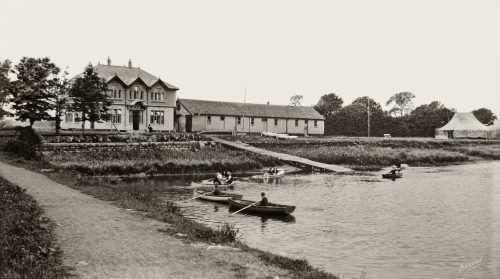
Boat Club
Athlunkard Boat Club was founded in 1898, taking its name from its home beside O’Dwyer Bridge at the end of Athlunkard Street. By the 1930s, the club was already firmly woven into Limerick’s rowing tradition, with a proud record on the water. Its greatest distinction came through the Senior Eight Championship, which Athlunkard won twice, in 1913 and 1923. That achievement made it the only Limerick club to secure the title on two occasions. Its riverside presence and competitive success gave Athlunkard Boat Club a lasting place in the sporting history of the city and the wider Shannon rowing community.
View Image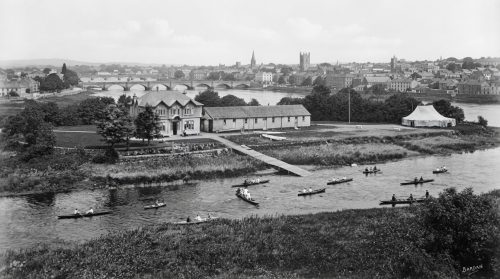
Boat Club
Athlunkard Boat Club was founded in 1898, taking its name from its home beside O’Dwyer Bridge at the end of Athlunkard Street. By the 1930s, the club was already firmly woven into Limerick’s rowing tradition, with a proud record on the water. Its greatest distinction came through the Senior Eight Championship, which Athlunkard won twice, in 1913 and 1923. That achievement made it the only Limerick club to secure the title on two occasions. Its riverside presence and competitive success gave Athlunkard Boat Club a lasting place in the sporting history of the city and the wider Shannon rowing community.
View Image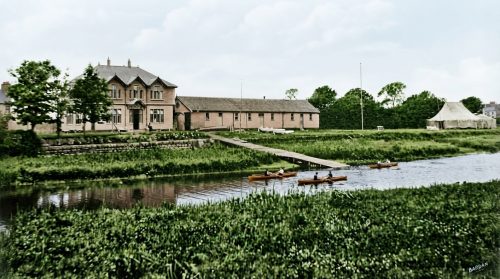
Boat Club
Athlunkard Boat Club was founded in 1898, taking its name from its home beside O’Dwyer Bridge at the end of Athlunkard Street. By the 1930s, the club was already firmly woven into Limerick’s rowing tradition, with a proud record on the water. Its greatest distinction came through the Senior Eight Championship, which Athlunkard won twice, in 1913 and 1923. That achievement made it the only Limerick club to secure the title on two occasions. Its riverside presence and competitive success gave Athlunkard Boat Club a lasting place in the sporting history of the city and the wider Shannon rowing community.
View Image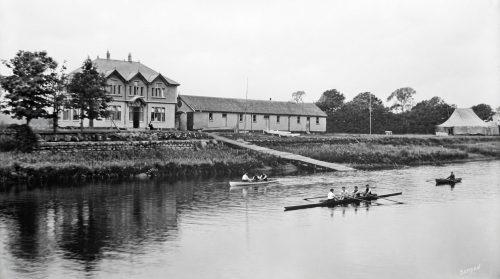
Boat Club
Athlunkard Boat Club was founded in 1898, taking its name from its home beside O’Dwyer Bridge at the end of Athlunkard Street. By the 1930s, the club was already firmly woven into Limerick’s rowing tradition, with a proud record on the water. Its greatest distinction came through the Senior Eight Championship, which Athlunkard won twice, in 1913 and 1923. That achievement made it the only Limerick club to secure the title on two occasions. Its riverside presence and competitive success gave Athlunkard Boat Club a lasting place in the sporting history of the city and the wider Shannon rowing community.
View Image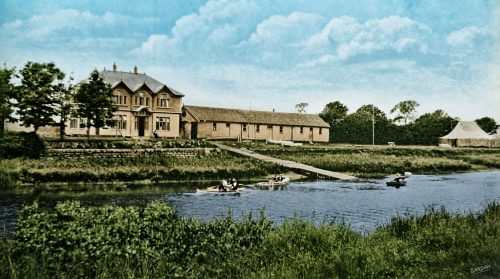
Boat Club
Athlunkard Boat Club was founded in 1898, taking its name from its home beside O’Dwyer Bridge at the end of Athlunkard Street. By the 1930s, the club was already firmly woven into Limerick’s rowing tradition, with a proud record on the water. Its greatest distinction came through the Senior Eight Championship, which Athlunkard won twice, in 1913 and 1923. That achievement made it the only Limerick club to secure the title on two occasions. Its riverside presence and competitive success gave Athlunkard Boat Club a lasting place in the sporting history of the city and the wider Shannon rowing community.
View Image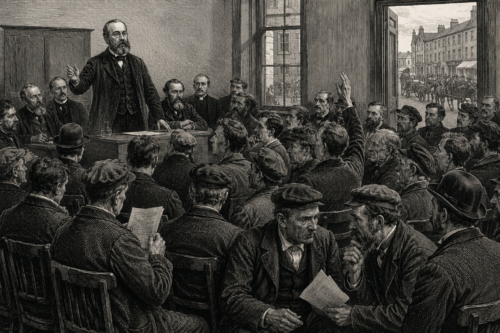
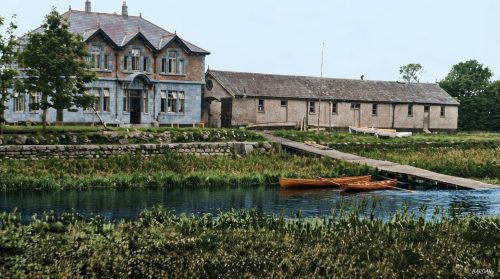
Boat Club
Athlunkard Boat Club was founded in 1898, taking its name from its home beside O’Dwyer Bridge at the end of Athlunkard Street. By the 1930s, the club was already firmly woven into Limerick’s rowing tradition, with a proud record on the water. Its greatest distinction came through the Senior Eight Championship, which Athlunkard won twice, in 1913 and 1923. That achievement made it the only Limerick club to secure the title on two occasions. Its riverside presence and competitive success gave Athlunkard Boat Club a lasting place in the sporting history of the city and the wider Shannon rowing community.
View ImageFebruary 0 items
No published items are currently assigned to this period.
March 0 items
No published items are currently assigned to this period.
April 0 items
No published items are currently assigned to this period.
May 0 items
No published items are currently assigned to this period.
June 1 item

Mortgage Fetter
A mortgage dispute involving County Limerick auctioneer John Browne and Patrick Ryan, a farmer of Ryaninch in County Tipperary, reached the Irish courts in 1900 after Browne sought £62 10s in commission from the sale of Ryan’s property. What appeared to be an ordinary contractual claim raised a larger question about the limits placed upon mortgage lenders. Browne relied upon a separate agreement connected with a £200 loan, but Ryan argued that its terms improperly burdened his right to redeem the mortgaged land and recover complete control once the debt had been repaid.
View ArticleJuly 0 items
No published items are currently assigned to this period.
August 0 items
No published items are currently assigned to this period.
September 0 items
No published items are currently assigned to this period.
October 0 items
No published items are currently assigned to this period.
November 0 items
No published items are currently assigned to this period.
December 0 items
No published items are currently assigned to this period.
Month Unspecified4 items
Limerick Triumph
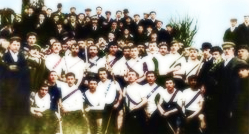
Limerick’s first All Ireland senior hurling success came from the 1897 championship, although the decider was played on 20 November 1898 at Jones’ Road in Dublin. The county was represented by the Kilfinane club, who had won the county championship and proceeded as the county team under the GAA practice of the time. Kilfinane defeated Tullaroan of Kilkenny by a score recorded as 3-4 to 2-4, earning Limerick its inaugural national hurling title. Denis Grimes of Kilfinane captained the team and is named in contemporary reports and later county histories. Newspaper match accounts and GAA handbooks corroborate this outcome locally.
View Article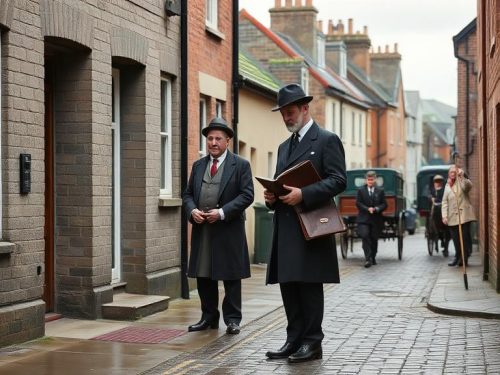
Rate Burdens
Limerick’s ratepayers financed a growing range of municipal responsibilities during the nineteenth and early twentieth centuries. Following the Municipal Corporations Act 1840, the Corporation levied a borough rate using the rating arrangements established under poor-law legislation. Until 1853, municipal finances were handled through one Borough Fund. The Limerick Improvement Act then created the General Purposes Fund and the Improvement Fund, each supported by a separate rate. This reorganisation divided routine civic obligations from improvement expenditure and made the destination of local taxation easier to identify. It also created enduring records of what Limerick residents collectively funded over many changing decades.
View Article
Holdings Enlarged
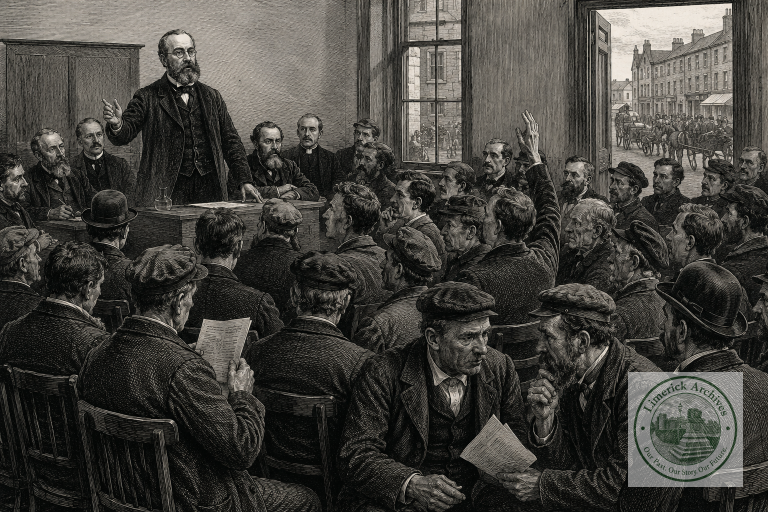
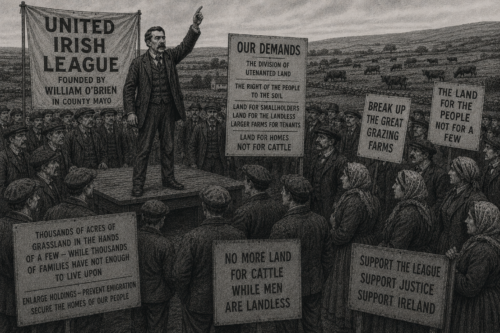
Campaigners are demanding that uneconomic smallholdings be enlarged through the redistribution of extensive grazing land. The United Irish League argues that thousands of rural families remain confined to farms too small or too poor to provide a secure livelihood while nearby grasslands support cattle but comparatively few people. Its organisers want owners and large occupiers to release untenanted land so that neighbouring holdings may be expanded. In County Limerick, where the size and quality of a farm often determine whether a family can remain at home, the proposal will be judged as both an agricultural reform and a defence against emigration.
View Article