Plassey Origins(c.1750s)
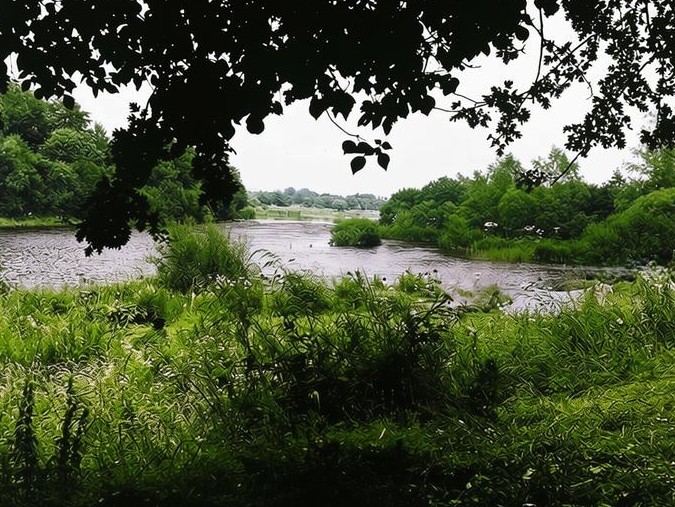
Plassey, a name deeply woven into Limerick’s landscape, owes its origins to a connection between local history and the far-flung events of British imperial expansion. Situated on the banks of the River Shannon, the Plassey estate would later become the heart of the University of Limerick campus. Yet its story begins in the mid-eighteenth century, when the echoes of the 1757 Battle of Plassey in Bengal, India, reached the quiet townlands outside the city, shaping the identity of this prominent Limerick location.
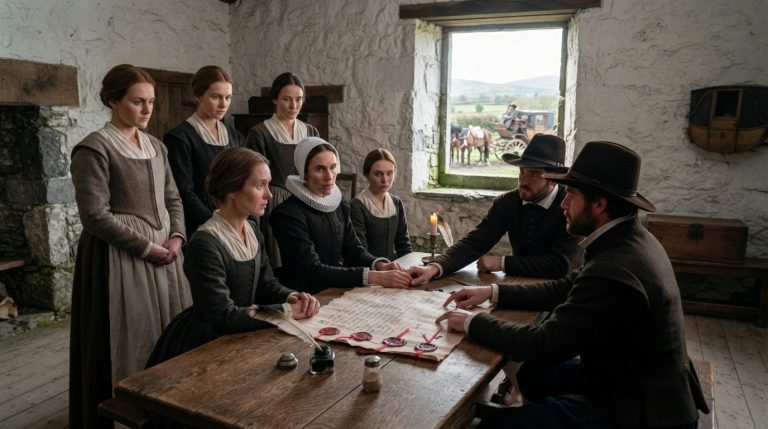
The estate’s naming is directly linked to Thomas Maunsell, an officer in the East India Company who fought alongside Robert Clive at the Battle of Plassey. In 1762, seeking to commemorate his service and the British victory in Bengal, Maunsell purchased the townland of Sreelane and constructed a Georgian country villa, bestowing upon the estate the name “Plassey.” This act reflected the fashion among returning imperial officers to celebrate their colonial careers through the landscapes of home, embedding distant events into the Irish countryside.
Contrary to persistent local myth, Robert Clive—known as Baron Plassey—never owned or resided at the Limerick Plassey estate. While Clive himself did acquire land in County Clare just across the River Shannon around 1760, he had no direct involvement with the Plassey estate or its Georgian villa. The Maunsell family’s tenure at Plassey, and the estate’s subsequent history, are distinct from Clive’s legacy, yet the conflation of their stories reflects Limerick’s longstanding fascination with imperial connections and the allure of great names.
Plassey’s identity has evolved considerably since its eighteenth-century origins. The estate became a significant local landmark and, in later years, the historic house and grounds were incorporated into the University of Limerick. This transformation brought an international dimension to Limerick’s educational and cultural life, with the name “Plassey” serving as a daily reminder of the city’s layered connections to global history. The campus stands as a testament to how Limerick’s landscape has been shaped by both local endeavour and distant events.
The legacy of Plassey is visible in the place names, buildings, and stories that persist in Limerick. The estate’s name continues to spark curiosity and debate, linking the city to the tides of empire while anchoring it firmly in local memory. Plassey’s journey from colonial commemoration to educational centre reflects the ways in which history is continually rewritten by those who inhabit its landscapes, ensuring that the name remains a living part of Limerick’s heritage.
Primary Sources
- Indenture of Sale, Sreelane Townland to Thomas Maunsell, 1762, Registry of Deeds, Dublin, Book 211, Page 178.
- East India Company service records, Thomas Maunsell, British Library, IOR/L/MIL/9/85.
- Letters of Thomas Maunsell to family, 1760s, Maunsell Family Papers, Limerick City Museum.
- Valuation of Plassey Estate, Limerick, Griffith’s Valuation, 1850s, National Archives of Ireland.
- Local oral history interview, “The Maunsells of Plassey,” Limerick County Library, 1980. (Primary source requiring further verification.)