
Archived: 13 October 2026
Abstract
In 1738, Ireland experienced a wet, delayed farming season, documented in Cathal Ó Conchubhair’s Irish-language diary through delayed harvests and turf work, exposing rural dependence on weather, fuel and mixed crops. Samuel Madden urged Protestant landlords to promote estate management, agriculture, flax, education and manufacture, though his improvement scheme preserved inequalities. Parliament remained prorogued while government addressed robbery through proclamations and rewards. The deaths of harper Turlough O’Carolan and Dublin educator Thomas Sheridan marked losses. Roxborough Castle’s construction and Richard Montgomery’s birth reflected investment and Protestant Atlantic opportunities. The year revealed social division, economic ambition and environmental vulnerability without famine.
Read Article
Archived: 15 October 2026
Abstract
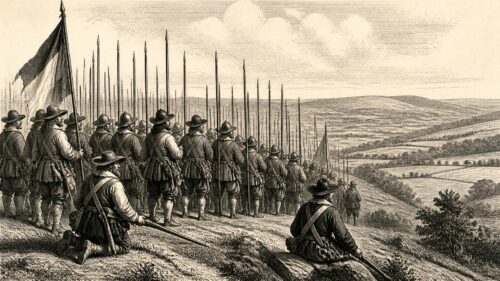
In 1646, the Catholic Confederation reached its military zenith but became divided over peace with Charles I. Owen Roe O’Neill’s victory over Scottish Covenanters at Benburb, Preston’s Connacht operations, and the capture of Bunratty strengthened hopes of securing Catholic religious and political guarantees. The First Ormond Peace, agreed secretly with the royalist lord lieutenant, offered insufficient protections and provoked clerical, military and popular resistance. Papal nuncio Giovanni Battista Rinuccini led opposition, overthrowing the agreement and remodelling Confederate government. A failed advance on Dublin exposed rivalries, weak supply and divided command. Kilkenny’s Catholic print culture also articulated suffering, rights and legitimacy.
Read Article
Archived: 16 October 2026
Abstract
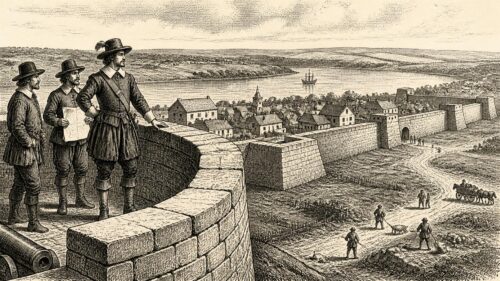
1619 was marked by surveys, construction and institutional change rather than a single national event. Captain Nicholas Pynnar’s inspection of Ulster Plantation estates assessed fortifications, settlers, farms, mills, arms and compliance, revealing uneven progress and persistent Irish presence. At Londonderry, newly completed walls demonstrated Crown authority, but sparse population, incomplete gates and inadequate watch shelter exposed vulnerability. A May deadline sought removal of Irish occupants from undertakers’ lands, though implementation proved limited. Estate houses, churches, schools and mills advanced colonial order. Dublin saw administrative government, episcopal succession and Ireland’s first medical book printed, foreshadowing enduring social and confessional tensions ahead.
Read Article

