Archived: 26 September 2026
Abstract
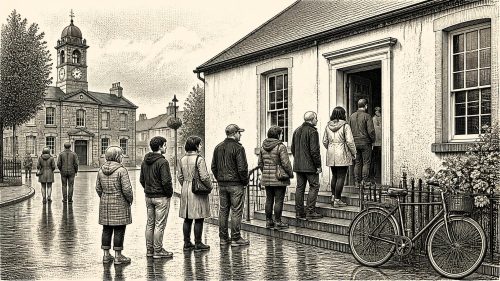
Ireland’s 2024 combined constitutional rebuff, electoral change and social pressures. In March, voters rejected Family and Care amendments, citing unclear wording and limited practical value. Simon Harris succeeded Leo Varadkar as Taoiseach, while local, European and November general elections produced fragmented representation; government formation remained unresolved. Population growth and migration intensified housing, service and international-protection accommodation shortages despite construction and economic resilience. Cuan expanded domestic-violence provision. Ireland recognised Palestine, challenged UK legacy legislation, and Northern Ireland’s Executive returned. Cultural achievements included Cillian Murphy’s Oscar. Education initiatives and a stormy year highlighted environmental concerns, reinforcing tensions between activity and inadequate capacity.
Read Article
Archived: 8 October 2026
Abstract
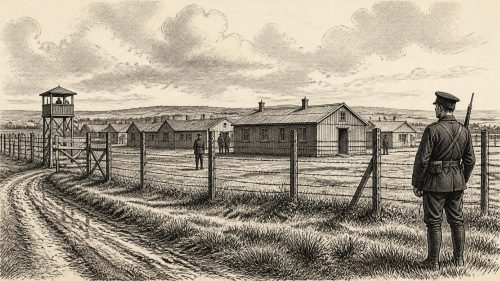
In 1957, Ireland faced economic decline, emigration and renewed border violence. The IRA’s failed Brookeborough attack killed Seán South and Fergal O’Hanlon, while subsequent violence prompted de Valera’s Fianna Fáil government, elected in March, to intern republicans at the Curragh. Despite constitutional commitment to unity, Dublin prioritised state authority. T. K. Whitaker’s analysis of protectionism, weak exports and unemployment initiated preparation for economic reform, alongside IMF and World Bank membership. Social legislation addressed health insurance, mental treatment, married women’s legal status and Gaeltacht employment. The Fethard-on-Sea boycott exposed religious intolerance, while theatre censorship and railway closures reflected rural contraction nationwide.
Read Article

Archived: 8 October 2026
Abstract
In 1940, neutral Éire faced danger as German victories transformed its strategic position. De Valera defended neutrality, expanded emergency powers and rejected Britain’s unity proposal, judging it insecure and incompatible with sovereignty. The government suppressed IRA activity, while Seán Russell died during an abortive German-backed mission. On 26 August, German bombs killed three women at Campile creamery, Ireland’s first fatal Luftwaffe raid. Shortages prompted censorship, restrictions and compulsory tillage to strengthen food security. Northern Ireland mobilised for Britain, with Belfast industry expanding and John Miller Andrews succeeding Craigavon. The Bell appeared, while in December John Charles McQuaid became Dublin’s archbishop.
Read Article
Archived: 9 October 2026
Abstract
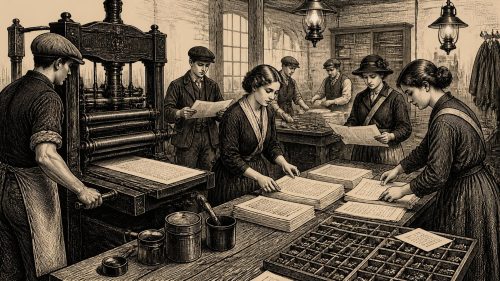
In 1916, Ireland was transformed by the Easter Rising, launched in Dublin after plans for German arms support failed and Eoin MacNeill’s countermand limited mobilisation. Rebels proclaimed a republic from the GPO, but British artillery, street fighting and fires devastated the city, killing many civilians. Pearse surrendered on 29 April; martial law, secret courts martial, executions, arrests and internment subsequently increased republican sympathy and organisation. Casement was executed in August. Meanwhile, Irish soldiers fought and died at the Somme, while Home Rule negotiations between Redmond, Carson and Lloyd George collapsed. Changes reflected a divided society with an altered political future.
Read Article
Archived: 10 October 2026
Abstract
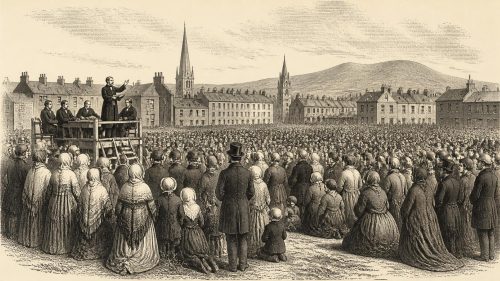
In 1859, post-Famine Ireland displayed religious revival, political restriction, migration and uneven modernisation. The Ulster Evangelical revival, rooted in earlier prayer meetings, reached peak visibility through mass gatherings, conversions and controversy, strengthening Protestant culture while provoking clerical criticism. Westminster elections operated under a narrow property franchise, leaving most people excluded. Dublin saw the launch of The Irish Times and the National Gallery’s foundation stone. The Pomona’s wreck off Wexford killed 424, highlighting emigrants’ perils. Railways reached Enniskillen and linked Tralee with Killarney, yet rural hardship deepened. Meanwhile, Fenian reorganisation abroad connected secret republicanism with Ireland’s diaspora and future political conflict.
Read Article
Archived: 14 October 2026
Abstract
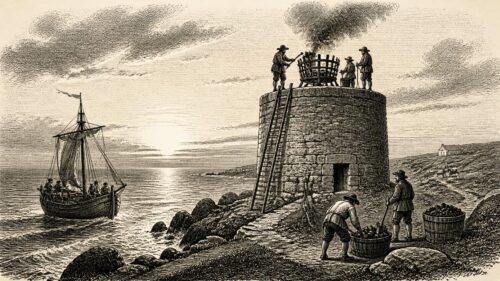
In 1665, Ireland’s Restoration government strengthened its political, economic and institutional framework. The Act of Explanation addressed competing land claims after conquest, requiring many Cromwellian grantees to surrender interests while restricting Catholic restitution. Ormond supervised this fraught settlement, while Michael Boyle’s appointment as lord chancellor reinforced Protestant authority. Dublin’s mayor became lord mayor, reflecting the capital’s growing administrative importance. Charles II authorised Sir Robert Reading’s six coastal lighthouses, linking navigation, commerce and royal privilege during the Second Anglo-Dutch War. Land insecurity affected wider society, investment and local life. These measures established enduring structures while leaving conflict, inequality and uncertainty unresolved.
Read Article
Archived: 14 October 2026
Abstract
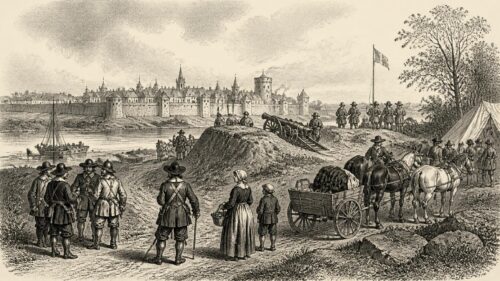
In 1649, the second Ormond peace united Confederate Catholics and royalists against the English Commonwealth, but exclusion of Owen Roe O’Neill exposed deep divisions. Ormond’s defeat by Michael Jones at Rathmines on 2 August secured Dublin for parliament, enabling Oliver Cromwell’s landing with the New Model Army and naval support. At Drogheda in September and Wexford in October, stormings produced exceptional killings, including civilians and clergy, and devastated resistance and trade. O’Neill’s death further weakened opposition. Cromwell failed to take Waterford before winter, but the year transformed the war, creating conditions for the later Cromwellian conquest and settlement in Ireland.
Read Article
Archived: 17 October 2026
Abstract
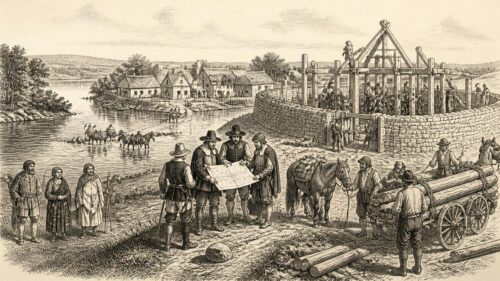
In 1610, James I’s government advanced the Plantation of Ulster, converting confiscated land into surveyed, conditional estates across Armagh, Cavan, Coleraine, Donegal, Fermanagh and Tyrone. English and Scottish undertakers, Crown servitors and selected Irish grantees received terms, while Gaelic communities endured dispossession, tenancy and presence. Building obligations required fortified houses and bawns, and new settlements depended upon labour, materials and commerce. In Cavan, William Bailie’s Tonergie grant and Belturbet’s plantation foundation illustrated emerging centres of authority and trade. Similar title-based policies reached Wexford. Protestant settlement expanded without rapid Catholic conversion, while writers Barnabe Rich and Geoffrey Keating represented contrasting voices.
Read Article
Archived: 17 October 2026
Abstract
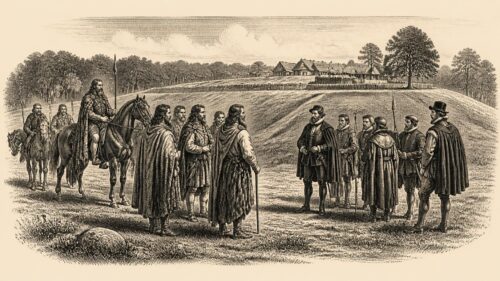
In 1578 Tudor efforts to impose plantation, taxation, courts and provincial authority provoked continuing conflict across Ireland. At Mullaghmast, Francis Cosby allegedly murdered about seventy unarmed O’Mores, deepening resistance to the Laois plantation. Rory Óg O’More raided neighbouring districts before crown-aligned forces killed him in summer; his displayed head symbolised coercion, not pacification. Fiach MacHugh O’Byrne made precarious submissions while surviving attempted ambushes. Lord Justice William Drury combined bargains, judicial tours and religious pressure, securing temporary agreements with Desmond and other lords. Conflict also touched Connacht, while learned Gaelic households endured and Smerwick Harbour received a wrecked Frobisher expedition vessel.
Read Article
Archived: 19 October 2026
Abstract
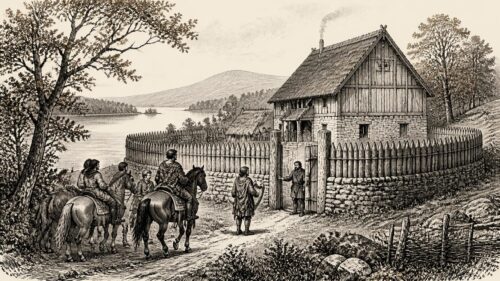
In 1481, Ireland’s annals recorded conflict, patronage and administration across politically fragmented lordships. On 5 October, Toirdelbach Mag Uidhir was treacherously killed by kinsmen in his Fermanagh castle, alongside several companions; his learning, hospitality and bardic generosity were widely mourned. Tír Eógain endured warfare among O’Neill factions, producing raids, killings, captures and the mutilation of Patrick Savage. Other deaths commemorated aristocratic patrons, poets and clerics, demonstrating the importance of learning, pilgrimage and religious institutions. Killings in Wexford reflected local rivalries, while the English lordship’s 1481–82 business addressed lands, castles, church property, revenues and urban privileges, revealing uneven but governmental authority.
Read Article

Archived: 20 October 2026
Abstract
In 1442, James Butler, earl of Ormond, resumed the Irish lieutenancy, governing through fragile alliances rather than centralised power. In the north-west, Énrí and Eóghan Ó Néill secured assistance from the English settlement and compelled Neachtain Ó Domhnaill to cede Castlefin, Cenél Moen and Inis Eógain’s tribute. Other struggles involved Enniskillen, Oriel, Ulster raiding and Wicklow warfare. After Muircheartach Caomhánach’s killing, his father won prisoners and compensation from Wexford. Obituaries recorded lords and clergy, while Ormond rental accounts reveal farming, rents and seigneurial justice. Together, the sources portray a connected, contested Ireland shaped by castles, kinship, tribute, negotiation and authority.
Read Article
Archived: 20 October 2026
Abstract
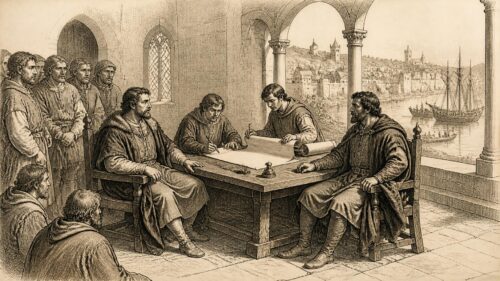
In 1422 Irish politics operated through local lordships, alliances, hostages, land and warfare. At Youghal, Ormond granted Desmond a life interest in 240 acres, securing revenues and services while retaining rights. In Tír Conaill, Toirdhealbhach Ó Domhnaill retired to Assaroe, succeeded by Niall Garbh, whose campaigns asserted authority across Ulster and into Connacht. Eóghan Ó Néill’s ransom and subsequent alliances demonstrated hostage diplomacy’s importance. Offaly’s An Calbhach defeated Meath forces near Trim, amid wider frontier fighting. Raids damaged crops, cattle, homes, churches and learned people. Henry V’s death brought Henry VI’s minority, while regional powers continued negotiating, raiding and fighting.
Read Article
Archived: 21 October 2026
Abstract
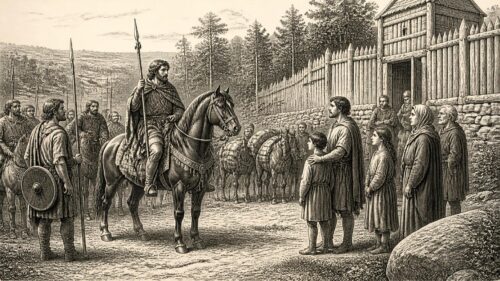
In 1416, Ireland remained divided among Gaelic rulers, Anglo-Irish magnates and the Dublin-centred English lordship. Art Mór MacMurrough defeated Wexford’s English settlers, securing booty and hostages in a peace settlement, while alliances involving Talbots and Butlers complicated ethnic divisions. Annals record his death in 1416, though conflicting evidence places it in 1417, creating uncertainty over succession. Raids, feuds and battles affected Connacht, Breifne and Fermanagh. Friar Brian Mac Donnchadha rebuilt Sligo’s Dominican monastery after fire. Another blaze on Church Island destroyed books, precious objects and instruments, illustrating losses to Gaelic learning. Church offices and legal expertise nevertheless endured amid violence.
Read Article
Archived: 21 October 2026
Abstract
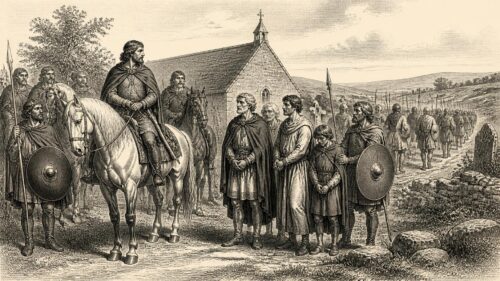
In 1414 Ireland experienced overlapping warfare, political manoeuvre, disaster and disease. Murchad Ó Conchobair and Fergal Ruad Mac Eochagáin defeated English forces from Meath at Cill Echi, killing prominent clergy and nobles and securing ransoms. In Tír Eógain, hostage exchanges restored Domhnall Ó Néill, while Mac Diarmata lordship changed hands. Fighting between Mac Murchadha rulers and Wexford forces brought capture, burning, plunder and further hostages. Sir John Stanley died, John Talbot became lieutenant and arrived late in the year. A candle fire destroyed Sligo’s Dominican monastery; a dean died; plague was reported in Meath and Leinster. Annalistic discrepancies require caution.
Read Article
Archived: 21 October 2026
Abstract
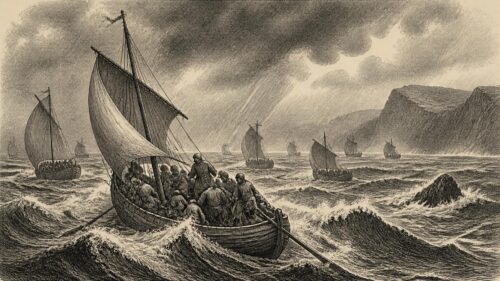
In 1413, Ireland remained politically fragmented, with Gaelic lords, Anglo-Irish interests, towns and churches exercising local power. Limerick suffered a destructive fire attributed by annals to an unnamed woman. Roscommon Castle became the focus of rival military operations, while raids and victories in Meath and Leinster demonstrated continuing frontier warfare. Tuathal Ó Máille’s returning fleet was wrecked near Scotland, causing extensive loss of life. At Lough Conn, violation of church sanctuary led to restitution of land. Annals also recorded lordly deaths, legal learning and Henry V’s accession, portraying a connected yet dangerous society shaped by warfare, religion, trade and reputation.
Read Article
Archived: 21 October 2026
Abstract
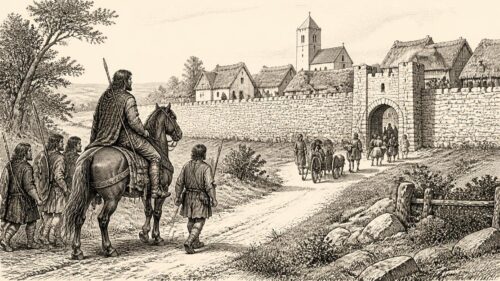
In 1405, Art Mór Mac Murchadha Caomhánach devastated County Wexford and burned Carlow and Tristledermot, demonstrating the vulnerability of English lordship towns and routes in Leinster. His campaign reflected conflicts over land, tribute, jurisdiction and authority, despite earlier interventions by Richard II. Government continued through appointments and James Butler, earl of Ormond’s deputyship, although his death added uncertainty. Elsewhere, warfare over dues in Moylurg killed Tadc Mac Diarmata and prompted succession. Annals also record local feuds, gallowglasses, learned men’s deaths, monastic burials and an early reference to uisce beatha. Ireland remained politically fragmented, culturally sophisticated and shaped by local power.
Read Article
Archived: 21 October 2026
Abstract
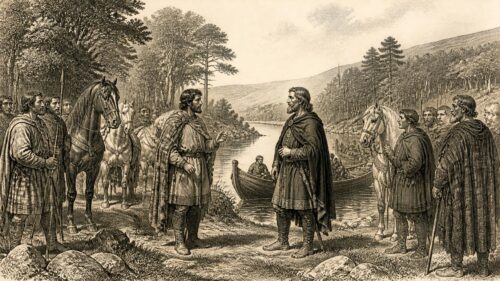
Ireland in 1401 was shaped by competing Gaelic, Anglo-Irish, ecclesiastical and Dublin-based authorities. In Connacht, Thomas Burke’s death produced rival Mac Williams, while Conchobar Anabaidh succeeded in Uí Maine and fighting engulfed Lough Key and Muintir Eolais. Leinster suffered reciprocal devastation between Art Mac Murchadha and Dublin’s forces, alongside a local western plague. Northern politics centred on a peace at Caol Uisce between Niall Óg Ó Néill and Toirdelbach Ó Domhnaill, though annals differ over its date and later violence exposed continuing dynastic tensions. Church and chancery institutions remained influential but geographically limited. The year revealed fragile, locally negotiated power.
Read Article
Archived: 23 October 2026
Abstract
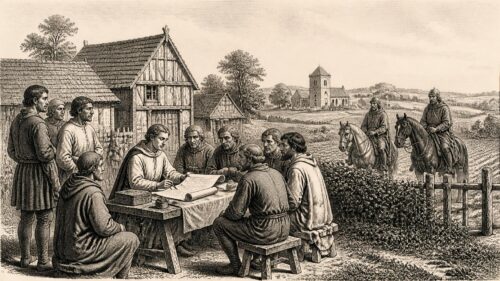
In 1354, Ireland experienced executions, warfare, dynastic killings, deaths and administrative inquiry amid the aftermath of plague. Annals recorded Mac Murchada’s execution by the Galls, followed by wider conflict, while Clann Aedha Buidhe and Dundalk’s Galls heavily defeated Aodh Ó Néill. Local struggles killed rulers in Laois and Connacht, although Domhnall Ó Dubhda succeeded his father in Uí Fhiachrach. Bishops and learned ollamhs also died. Justiciar Thomas de Rokeby governed through courts and inquiries, including valuation of the Pembroke estates at Wexford. Tenant complaints of poverty and high prices reveal hardship. The year demonstrates fragmented authority, cross-community alliances and insecurity.
Read Article

Archived: 23 October 2026
Abstract
In 1331, authority in Ireland was asserted, evaded and fought over in several very different places at once. At Dublin, Edward III’s government sent a new justiciar and issued ambitious instructions for reform. In Leinster, raiders captured a royal castle and struck at the estates of the archbishop of Dublin. In Connacht, a lord abandoned secular rule for the monastery just as an army burned through his son’s territory. The surviving records do not create a complete national narrative: they are annals, administrative measures and later compilations, each with its own priorities. Yet together they show a lordship in which
Read Article

Archived: 26 September 2026
Abstract
In 1203, conflict over Connacht revealed Ireland’s overlapping Gaelic, Anglo-Norman and royal authorities. William de Burgh campaigned from Munster and Meath, fortifying Mílec and ravaging western Connacht, including Clonfert and Clonmacnoise. King John curbed him by removing Limerick from his control; Meiler fitz Henry and Walter de Lacy enforced submission and mediated Connacht’s dynastic disputes. Cathal Crobderg Ua Conchobair retained his kingship despite rivalry with Toirrdelbach, son of Ruaidrí. Elsewhere, dynastic killings and warfare continued. Contemporary annals report famine, worsened by plunder, while churches remained vulnerable targets yet vital centres of learning, shelter, diplomacy and legitimacy. Connacht’s future remained unresolved.
Read Article

Archived: 26 September 2026
Abstract
In 1169 Diarmait Mac Murchada, seeking to recover Leinster, recruited Cambro-Norman mercenaries from Wales. Robert FitzStephen’s force landed at Bannow, joined Irish allies, captured Wexford and received land, creating a fortified coastal foothold. Diarmait’s subsequent campaign devastated Osraige and secured renewed submission, but prompted High King Ruaidrí Ua Conchobair to negotiate hostages and require dismissal of the foreigners. Ireland remained politically sophisticated, with competing kingdoms, active ports, rural economies and reforming Church institutions. The newcomers initially served an Irish king, not Henry II. Yet grants of territory and Diarmait’s continuing ambitions established a durable bridgehead, enabling larger interventions after 1169.
Read Article
Archived: 28 October 2026
Abstract
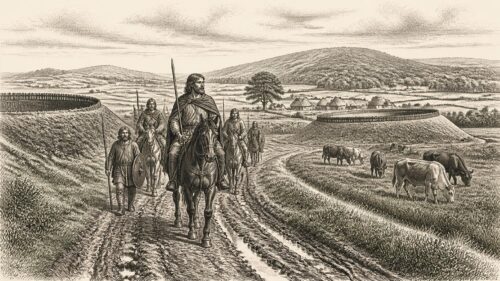
In 905, the Annals of Ulster record Flann Sinna, king of Tara, leading an expedition into strategically important Osraige, amid rivalry with Munster and instability within its ruling dynasty. The source does not specify fighting or outcomes, but the march demonstrated royal pressure in a region linking Leinster and Munster. Máel Ciaráin, bishop of Lann Léire, and Lachtnán, abbot of Ferna, died, highlighting ecclesiastical succession and local power. In the north, Cenél nÉogain prevented battle between Domnall and Niall, sons of Áed Findliath. These sparse notices reveal interconnected kingship, church institutions, rural resources, diplomacy, and tensions preceding wider conflict soon.
Read Article
Archived: 18 September 2026
Abstract
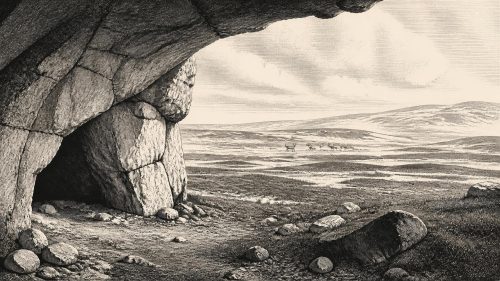
Around 33,200 calibrated years before present, Ireland lay within the climatically unstable Late Pleistocene, although no evidence can identify conditions in 31,280 BCE precisely. Ice sheets, sea levels and coastlines changed unevenly, while later glaciation destroyed much terrestrial evidence. Castlepook Cave in County Cork preserves Ireland’s richest relevant fauna, including mammoth, giant deer, reindeer, bear and hyena, accumulated across extended periods rather than a single moment. Redating places some remains in MIS 3, supporting intermittent animal occupation. A reportedly cut-marked reindeer bone may indicate human visitation, but remains contested and cannot demonstrate settlement. Evidence remains fragmentary, not an annual narrative.
Read Article

