Archived: 21 October 2026
Abstract
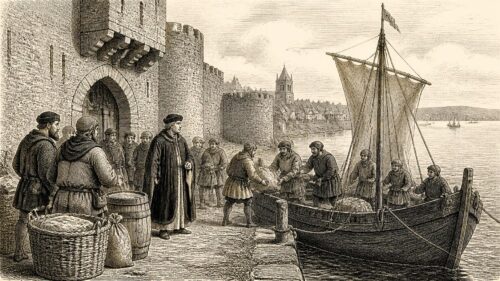
In 1396, Richard II’s charter granted Galway’s provost and burgesses annual election of a sovereign, restricted retail trade to resident burgesses, and extended Drogheda’s liberties, for £6 13s 4d. Building on 1395 murage, it strengthened defence, commerce and civic government, while preserving Roger Mortimer’s seigneurial rights. The charter reflected insecurity in Connacht, where rival dynasties raided, fought and burned Sligo, while O’Tooles defeated English forces in Leinster. Off Aran, Ó Máille raiders drowned when their plunder-laden ship sank. Church life saw Thomas Sparkford appointed to Waterford and Lismore, and scholar-herenagh Matthew Ó Luinín’s death, illustrating enduring ecclesiastical and learned traditions.
Read Article
Archived: 21 October 2026
Abstract
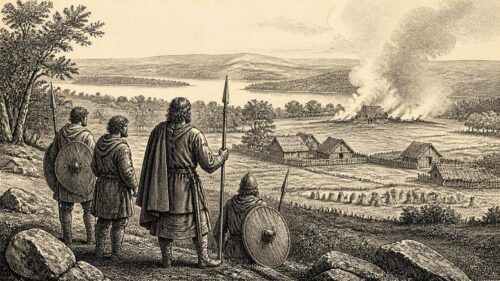
In 1377, Ireland’s regional lordships experienced warfare, fortification, religious loss and constitutional change. Clann Cuilein defeated Richard Burke’s Clanricarde force in Thomond, while Ruaidhrí Ó Conchobair overcame an alliance of Mac William Burke and Uí Maine at Roscommon. In Moylurg, war between Mac Diarmata and Ruaidhrí brought killings and the burning of crops and buildings, before peace and compensation. John O’Ferrall built Lissardowlin Castle in Annaly. Assaroe monastery burned, and prominent clerics and lords died. Edward III’s death, Richard II’s succession, and Robert Wikeford’s chancellorship affected Dublin government, whose authority coexisted with powerful local networks and military retinues across Ireland.
Read Article

Archived: 24 October 2026
Abstract
In 1318, defeats at Dysert O’Dea and Faughart reshaped Ireland without bringing peace. Richard de Clare’s death ended his family’s attempt to dominate Thomond, enabling Gaelic rulers to regain regional control. Edward Bruce’s death near Dundalk ended the Scottish-backed invasion, though it exposed weaknesses within English lordship. Warfare intensified the Great Famine’s effects: requisitioning, ruined crops, disease, disrupted trade and severe weather produced acute hardship. Political alliances crossed Gaelic, settler and Scottish communities, reflecting local interests rather than national divisions. Connacht remained unstable amid dynastic conflict. Alexander de Bicknor arrived as Dublin’s archbishop and justiciar, inheriting a weakened, impoverished lordship.
Read Article

Archived: 24 October 2026
Abstract
In 1313, Thomond faced a contested O’Brien succession after Diarmait Cléirech Ó Briain died and was buried in the Franciscan habit at Ennis. Donnchad Ó Briain asserted his claim through destructive campaigns in Uaithne and Ara, while Muirchertach Ó Briain entered from Connacht, defeated his rivals and ravaged the Limerick district. Their conflict ended in a territorial partition, though warfare resumed in 1314. Regional struggles involved O’Brien factions, Mac Conmaras and Anglo-Irish magnates, notably Richard de Clare and the de Burghs. In Dublin, acting justiciar Edmund Butler held a feast and knighted thirty men, asserting royal authority amid political instability.
Read Article
Archived: 24 October 2026
Abstract
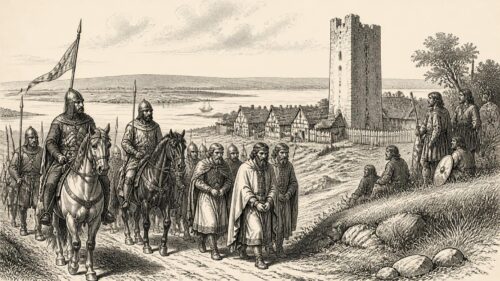
In 1311, conflict at Bunratty in Thomond brought rival Uí Bhriain branches, Richard de Clare, William Liath de Burgh and forces from Connacht and Meath into shifting alliances. Although de Clare’s side suffered heavier losses, it captured de Burgh and northern nobles, briefly altering regional power. Thomond endured further killings, including King Donnchad Ó Briain’s murder, contested succession, hostage agreements and later fighting. Raids also struck the Dublin marches, exposing weak governmental control. Church appointments in Dublin and Armagh revealed competing royal, papal and local interests. Deaths, raids and scarcity heightened insecurity, foreshadowing vulnerabilities later exploited during the Bruce invasion.
Read Article

Archived: 24 October 2026
Abstract
1287 in Ireland was marked by succession, local violence and deaths without island-wide upheaval. Thomas de Clare, lord of Thomond, died on 29 August, leaving his six-year-old heir Gilbert and placing lands under wardship. His death altered but did not end contested power around the Shannon; Toirrdelbach Ó Briain later raided Ormond and Limerick. In Connacht, Diarmait Midech Mac Diarmata and Gilla na nÉc Ó Mannacháin died alongside lesser rulers and clerics. Archdeacon Florint Ó Gibealláin was praised for learning. Máel Sechlainn Mag Oirechtaig was killed in revenge for broken loyalty. Misdated de Burgh campaigns belong to 1291, not 1287.
Read Article

Archived: 24 October 2026
Abstract
In 1284, Irish politics was shaped by local conflict, succession and contested lordship rather than an island-wide crisis. In Thomond, Toirdelbach Ó Briain killed his rival Donnchad, strengthening his position and troubling Thomas de Clare’s Bunratty lordship. In Connacht, Simon d’Exeter’s death provoked raids, while losses suffered by Holy Trinity Island and Boyle Abbey were repaid; Fiachra Ó Flainn burned Dunmore. King Cathal mac Conchobair Ruaid demolished Kilcolman Castle, challenging fortified authority. Elphin saw rapid episcopal changes after two deaths. Killings of northern chiefs further demonstrate fragile regional power, where kinship, churches, compensation and strongholds shaped political control across Ireland.
Read Article
Archived: 24 October 2026
Abstract
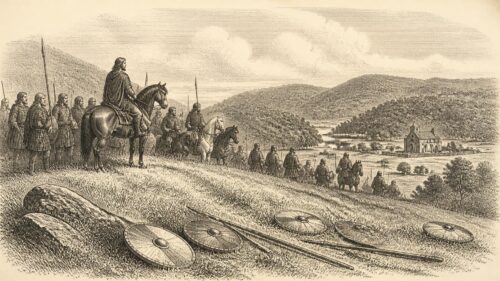
In 1281, Domhnall Óg Ó Domhnaill of Tír Conaill was defeated and killed at Disert-da-chrioch by Áed Buide Ó Néill’s forces, supported by the English of Ulster, devastating his wider political coalition. His son Áed succeeded him. Connacht saw fighting between the Barretts and Cusacks, while Tadhg Mac Diarmada of Moylurg died. In Thomond, rival Ó Briain factions accepted division and Thomas de Clare’s overlordship, enabling relative peace and Quin Castle’s completion. Richard de Burgh assumed Ulster and Connacht. Dublin strengthened administration under Stephen de Fulbourn, reopened its mint, and established one at Waterford, expanding royal revenue and fiscal capacity.
Read Article
Archived: 25 October 2026
Abstract
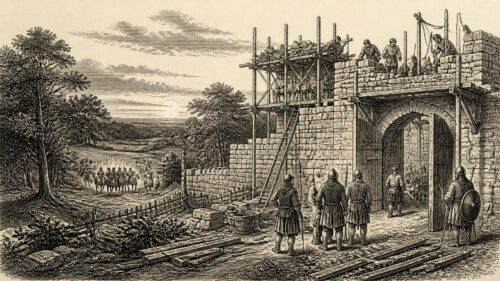
In 1280 Ireland saw conflicts exposing authority. In Thomond, Thomas de Clare’s attempt to establish a castle at Cuinche, near Quin, was devastated by a night attack led by Tairdelbach and Domnall Ó Briain; de Clare escaped to Bunratty, though Quin was completed later. In Connacht, Áed Muimhnech Ó Conchobair was killed during dynastic struggle, and Cathal Ó Conchobair gained kingship. Máel Sechlainn Ó Conchobair was ransomed for 400 cattle and 20 horses, illustrating livestock’s political value. Annals noted deaths of churchmen and Desmond barons. Together, these events reveal contested lordship, resilient Gaelic power, dynastic rivalry, and embedded religious institutions.
Read Article
Archived: 25 October 2026
Abstract
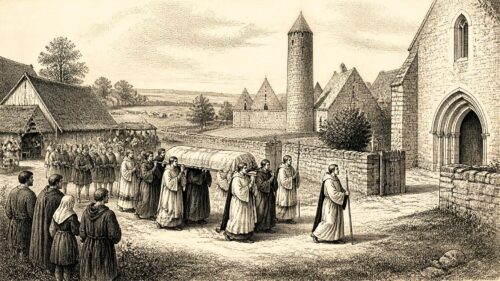
In 1279, Ireland’s fragmented political and religious worlds were marked by leadership changes, local violence and expanding lordly authority. Archbishop Tomaltach Ó Conchobair of Tuam died after two decades in office, while killings among Connacht kindreds exposed persistent dynastic rivalry. Robert of Ufford’s administration strengthened castles at Roscommon, Rindown and Athlone, increasing demands upon surrounding communities and anticipating monetary reform. In Thomond, Thomas de Clare pursued settlement and castle-building at Quin amid Ó Briain resistance and continued campaigning. Elsewhere, aristocratic penitential burial, monastic patronage, learned tradition and a Tipperary land lease demonstrate ecclesiastical, cultural and agricultural life alongside conflict daily.
Read Article
Archived: 25 October 2026
Abstract
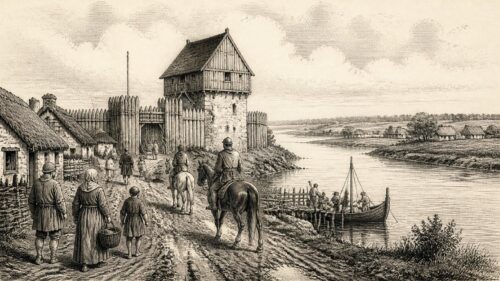
In 1278, Thomas de Clare’s ambitious lordship of Thomond provoked sustained conflict. On 11 May, he executed the displaced king Brian Ruad Ó Briain at Bunratty, allegedly with assistance from Brian’s captains. Brian’s son Donnchad later defeated de Clare’s forces at Quin, where a church was burned and many died. Connacht suffered violent succession struggles: King Tadc Ó Conchobair was killed, followed by further dynastic murders and Áed Muimnech’s contested accession. Violent deaths also affected regional rulers. Bishop Thomas Ó Cuinn died, while Cashel’s archbishop visited England. These events revealed authority’s dependence on alliances, hostages, resources and force across Ireland.
Read Article

Archived: 25 October 2026
Abstract
In 1277, authority in Ireland was contested through dynastic rivalry, warfare, castles and law. In Thomond, Brian Ruad Ó Briain allied with Thomas de Clare, holder of Edward I’s grant to Thomond, against his nephew Toirrdelbach. Defeated, Brian sought refuge at Bunratty but was seized and executed on de Clare’s orders. In Connacht, Irish forces led by an Ó Conchobair and Domnall Ó Domnaill demolished Roscommon Castle, challenging royal control. Irish people reportedly offered 7,000 marks for English common law, seeking legal protections. The year also recorded ecclesiastical continuity and local raiding, illustrating Ireland’s plural, unstable political order throughout society.
Read Article

Archived: 26 September 2026
Abstract
In 1215, Ireland remained politically fragmented: King John controlled ports, towns, castles and lordships, while Irish kings and kindreds retained power. Magna Carta concerned England, but John’s crisis affected Ireland, prompting efforts to raise revenue and reconcile magnates, notably Walter de Lacy. Royal rule relied on fines, hostages, castles and negotiated claims, while frontier insecurity persisted. Geoffrey de Marisco became justiciar. Irish forces under Áed Ua Néill defeated Ulster’s settlers. New Ross gained limited shipping rights, Cratloe was granted, and Armagh’s archbishop attended Lateran IV. Warfare, commerce, church reform and regional rivalries showed Ireland connected to John’s dominions yet divided.
Read Article
Archived: 26 September 2026
Abstract
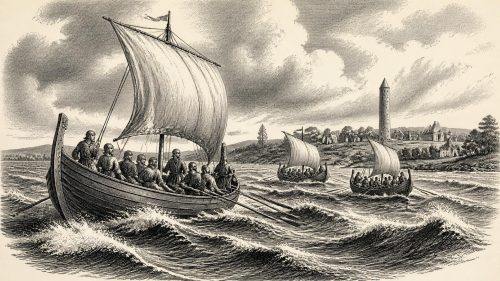
In 1190, Ireland’s politics combined dynastic conflict, local warfare, diplomacy and religious patronage. In Connacht, Cathal Crobderg and Cathal Carrach Ua Conchobair negotiated an inconclusive truce at Clonfert, mediated by churchmen, before a storm on Lough Ree drowned Cathal Crobderg’s son and leading followers. Rival branches of the dynasty remained violent. In Desmond, Domnall mac Carthaig defeated foreign raiders, recovered their spoil and secured peace with Domnall Mór Ua Briain of Thomond. Foundations or endowments at Knockmoy and possibly Killone demonstrated rulers’ religious and political ambitions. Anglo-Norman lordships expanded, but Gaelic rulers and institutions remained decisive across much of Ireland.
Read Article

Archived: 26 September 2026
Abstract
In 1149, competing Irish rulers pursued authority through raids, alliances, hostages and ceremonial submission. Toirdelbach Ua Conchobair maintained Connacht, while Muirchertach Mac Lochlainn expanded northern influence, receiving hostages from Tigernán Ua Ruairc, Diarmait Mac Murchada and Ulaid leaders, and mediating at Dublin. Warfare devastated Ulaid, Brega and ecclesiastical settlements, bringing cattle, captives and damage to churches. Munster forces under Toirdelbach Ua Briain raided Connacht and destroyed Dún Gaillimhe. Fires affected Clonmacnoise, Derry and Inis Mic Dairen; churchmen also died. Annals reveal pastoral wealth, displacement and the vulnerability of communities sustaining contested kingship. No ruler commanded uncontested authority across the island.
Read Article

Archived: 26 September 2026
Abstract
In 1060, Donnchad mac Briain, weakened by earlier defeats, apparently submitted to Diarmait mac Maíl na mBó of Leinster, transferring treasure and acknowledging his supremacy, though Ireland remained politically fragmented. Diarmait’s family projected power through Dublin and the Irish Sea. Ecclesiastical centres were contested and vulnerable: Armagh’s abbacy provoked armed conflict, Kells and Leighlin burned, and Clonmacnoise suffered a raid. Regional rulers died or were killed, while religious figures, notably Conn na mBocht, were remembered for charity and administration. A plentiful mast crop supported pig husbandry within a rural economy where cattle, churches and trading towns underpinned wealth and authority.
Read Article

Archived: 26 September 2026
Abstract
In 1055, Ireland lacked an uncontested high king, as provincial dynasties, churches and alliances competed for power. Toirdelbach Ua Briain defeated his cousin Murchad in Corcu Modruad, weakening Munster’s ruler Donnchad; raids, casualties and Kilfenora’s burning marked the campaign. Allied with Toirdelbach, Áed Ua Conchobair raided western Mide, taking spoil and captives. Gilla Pátraic of Osraige died and was succeeded by Domnall. Church leaders fought over Martarthech, where Armagh prevailed. Ecclesiastical deaths illustrate influential religious networks. Farming, cattle wealth, raiding, and Dublin’s trade underpinned politics, while 1055 foreshadowed Toirdelbach’s eventual ascendancy. Annals differ on details but confirm broad nationwide developments.
Read Article

Archived: 26 September 2026
Abstract
In 1054, described by annalists as a year of warfare, Donnchad mac Briain’s Munster faced attacks from Leinster, Osraige, Dublin and Connacht, while his nephew Tairdelbach Ua Briain challenged him internally. Diarmait mac Máel na mBó’s forces burned strongholds near Emly, aided by Dublin’s Norse-Gaelic resources; Connacht raided Thomond. Northern Ireland also saw killings and local conflicts. Deaths of bishops, ecclesiastics, scholars and rulers underscored links between political and religious power. Cattle-raiding reflected economic and military authority. Annals recorded natural wonders and a Scots-English battle. Despite Donnchad’s survival, alliances around Diarmait and Tairdelbach shifted power decisively in Munster against him.
Read Article

Archived: 26 September 2026
Abstract
In 1051 Ireland remained politically fragmented, with regional kings dependent on kinship, warfare, tribute and control of inauguration sites. Áed Ua Conchobair expanded Connacht power by blinding a rival, defeating opponents, resisting Donnchad mac Briain and felling the Dál Cais inauguration tree at Mag Adhair. Munster, the Déisi, Uí Failge and Tulach Óg saw killings, expulsions and disputed succession. Raids demonstrated cattle’s economic and political value, while churches mediated aftermaths of violence. Laidcnén Ua Leocháin and his wife undertook pilgrimage to Rome, dying abroad. Ireland also sheltered Harold Godwinson, demonstrating aristocratic Christianity, maritime connections and involvement in Irish Sea politics.
Read Article

Archived: 26 September 2026
Abstract
In 1049, Ireland lacked an uncontested ruler, as provincial kings pursued authority through alliances, hostages, warfare and submission. Ulaid, Leinster and perhaps Norse-Gaelic forces invaded Mide seeking Brega hostages; Conchobar Ua Maelsechlainn killed captives, prompting widespread burning of churches and fortresses. Donnchad mac Briain received Leinster and Osraige’s hostages, signalling temporary southern supremacy. Dynastic killings affected several regions. At Armagh, Amalgaid’s death brought an orderly Clann Sínaig succession, while other church leaders died. Bréifne burned Roscommon around this period. An Irish-based fleet raided Wales and England. Warfare burdened rural communities, despite continuing agriculture, trade, urban craft and monastic learning networks.
Read Article
Archived: 26 September 2026
Abstract
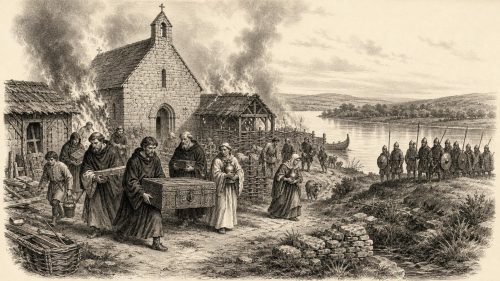
In 1045, Irish annals depict a politically fragmented island ruled by competing Gaelic dynasties and Hiberno-Norse Dublin. Deaths of regional kings destabilised succession, while Ímar of Dublin killed Ulaid forces and heir Ragnall Ua hEochada on Rathlin. Ulaid retaliated or pressured Dublin by burning Swords and Fingal. Muirchertach Ua Néill’s raid in Brega ended in tidal disaster at Casán Linne. Munster saw aristocratic killings and rivalry beneath Donnchad mac Briain. Churches at Clonfert and elsewhere suffered violence, fire and exactions, despite their influence. A crop failure compounded insecurity, although farming, Dublin trade, monastic institutions and scholarly annal-writing sustained durable networks.
Read Article
Archived: 26 October 2026
Abstract
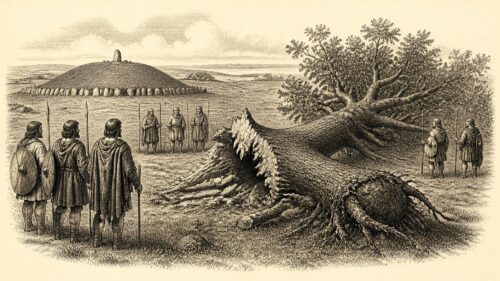
In 982, Máel Sechnaill mac Domnaill, king of Tara, raided Dál Cais territory and uprooted the Tree of Mag Adair, an inauguration symbol challenging Brian’s growing Munster power. Annalistic dating varies, but several sources connect these events with 982. Munster forces raided Osraige, gaining booty but suffering losses, while Ímar of Waterford plundered or destroyed Kildare, exposing the wealth and vulnerability of major churches. Deaths and killings among rulers in Leinster, Ulster, Connacht and smaller kingdoms highlighted unstable successions. The year reveals Ireland as interconnected competing lordships, where raids, sacred sites, ecclesiastical wealth and dynastic authority shaped political power throughout.
Read Article
Archived: 28 October 2026
Abstract
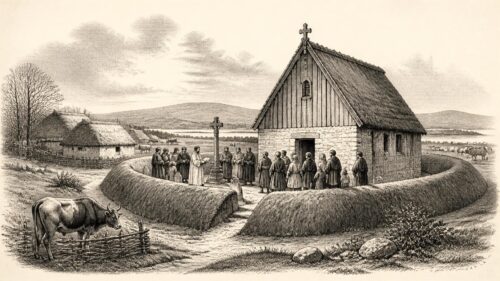
In 898, annalistic records portray Ireland as a landscape of vulnerable regional kingships and influential churches. Aidíth son of Laigne, king of Ulaid, was killed by his associates, probably amid intensified rivalry after military defeat, although motives and successor remain unknown. Cairpre, superior of Lann Léire at Dunleer, died, marking transition within a powerful ecclesiastical community. A reported shower of blood at Ard Cianachta was recorded as an extraordinary, possibly portentous phenomenon. In Corcu Bascinn, west Clare, King Flann son of Cathrannach died and his brother Lennán succeeded, illustrating dynastic continuity. Divergent annalistic chronologies require caution in dating these events.
Read Article

Archived: 7 October 2026
Abstract
About 32,000 calibrated years before AD 1950, Ireland lay within the climatically unstable Late Pleistocene. Derryvree, County Fermanagh, preserves freshwater organic sediments between glacial tills, demonstrating an interval of ice-free, treeless wetland amid advancing ice. Its plants indicate sedges, mosses and hardy herbs in tundra-like, periglacial conditions. Cave remains show that cold-adapted fauna, including reindeer, giant deer, mammoth and hyaena, reached Ireland during wider MIS 3, though not necessarily together. A potentially cut-marked Castlepook reindeer bone suggests, but does not establish, Upper Palaeolithic human presence. Evidence supports environmental change and episodic animal movement, not settlement, society, trade or recorded events.
Read Article

Archived: 7 October 2026
Abstract
Thirty thousand years BCE is not a recorded Irish event but an approximate point within Marine Isotope Stage 3, reconstructed from limited environmental evidence. Derryvree, County Fermanagh, preserves wetland sediments between tills, dated by BIRM-166 within a calibrated range. They indicate an ice-free interval with cold, open tundra vegetation, freshwater and seasonal biological activity before later glaciation. Greenland records place the period near a cold stadial, although local conditions varied. Castlepook Cave documents diverse Ice Age fauna, not a simultaneous community. Possible early human activity remains unconfirmed; no secure settlement exists. These archives depict an ecologically inhabited, repeatedly glaciated Ireland.
Read Article

Archived: 7 October 2026
Abstract
Around 30,167 BCE, Ireland’s history is reconstructed from environmental evidence rather than recorded events. At Derryvree, County Fermanagh, organic freshwater deposits between glacial tills, dated broadly to this interval, reveal tundra vegetation, pools and severe periglacial conditions during an ice-free phase. Castlepook Cave, County Cork, preserves diverse cold-stage fauna, including mammoth, reindeer and giant deer, although its mixed deposits span a long period. A marked reindeer bone may indicate human carcass processing, but remains unconfirmed and does not demonstrate settlement. Changing ice margins, sea levels and regional conditions shaped a fragmented Late Pleistocene landscape across the island and through time.
Read Article
Archived: 7 October 2026
Abstract
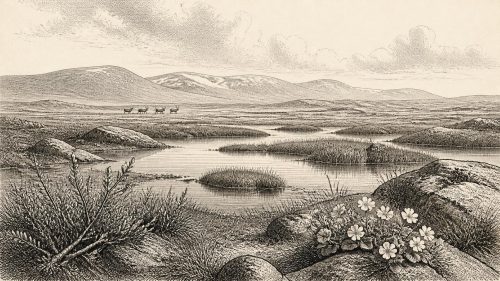
Around 30,169 BCE, Ireland’s history is reconstructed from environmental evidence rather than events. Derryvree, County Fermanagh, preserves organic sediments between glacial tills, dated approximately 30,500 radiocarbon years BP, indicating an ice-free freshwater tundra landscape with grasses, sedges, mosses, juniper and low shrubs. Climate and ice extent fluctuated during MIS 3, producing strong regional variation before the Last Glacial Maximum. Castlepook Cave, County Cork, yielded mammoth, reindeer, giant deer, hyaena and other fauna, demonstrating connections with north-west Europe. A possible tool mark suggests transient human activity, but sustained occupation remains unproven. These records reveal ecological richness, not a precise annual history.
Read Article

Archived: 6 October 2026
Abstract
Thirty thousand one hundred and seventy-four BCE is a calendar label within Marine Isotope Stage 3, not a datable event. Derryvree, County Fermanagh, preserves freshwater sediments between glacial tills, showing a locally ice-free, cold, treeless wetland during a broadly dated interval. Plant, insect and pollen remains indicate sedges, grasses, mosses, herbs and shallow pools, rather than forest or settlement. Castlepook Cave, County Cork, holds long-accumulated remains of mammoth, giant deer, reindeer, bears and hyaenas, demonstrating varied fauna but not a contemporary community. No secure evidence confirms human occupation. These fragmentary deposits document changing habitats before Last Glacial Maximum ice growth.
Read Article
Archived: 6 October 2026
Abstract
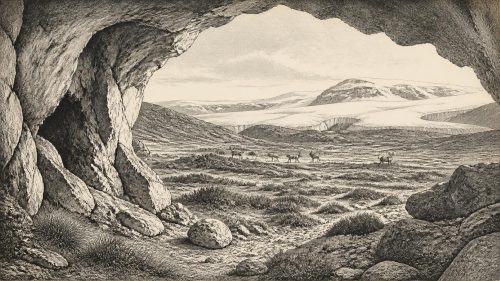
Thirty-thousand years BCE is a modern label, not a recoverable Irish historical year; evidence supports only broad Late Glacial reconstructions. Around 32,000 calibrated years BP, Ireland experienced unstable, severe cooling as the British–Irish Ice Sheet expanded, reshaping coasts, drainage and habitats. Ice-free areas, if present, held sparse tundra and steppe-tundra vegetation supporting varied fauna, documented in cave deposits including Castlepook, Cork. These assemblages include reindeer, hyaena and mammoth but may mix different periods. A possibly cut-marked Castlepook reindeer bone suggests unconfirmed early human visitation, not settlement. Secure Irish human evidence is far later. Caves and landforms preserve vital environmental evidence.
Read Article
Archived: 6 October 2026
Abstract
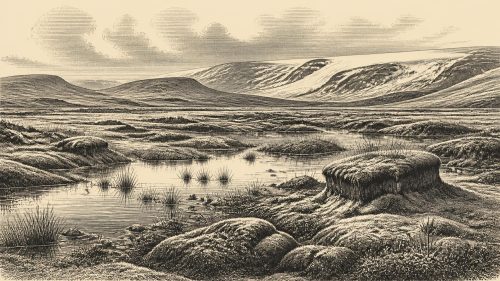
30,188 BCE is a label for a Late Pleistocene horizon, not a recoverable Irish year. Derryvree, County Fermanagh, preserves a sequence of glacial till, freshwater organic sediments and later till, demonstrating an ice-free interval between glacier advances. Radiocarbon dating places it broadly within MIS 3, although calibration prevents annual precision. Mosses, sedges and insects indicate cold, treeless wet tundra. Castlepook Cave records cold-stage fauna, but not a single contemporaneous community. Ireland’s ice sheet was expanding unevenly, while sea crossings remained uncertain. No evidence identifies human occupation, social institutions, farming or technology at date. Derryvree documents environmental change before renewed glaciation.
Read Article





