Archived: 18 September 2026
Abstract
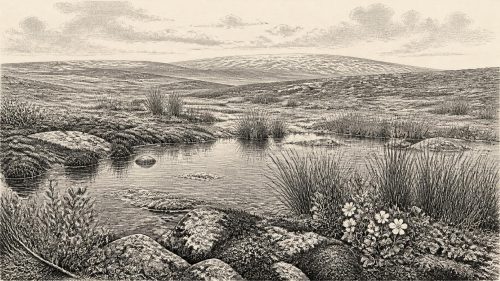
About 31,306 BCE, Ireland lay within the climatically unstable Late Pleistocene, although no precise event can be dated to that year. At Derryvree, County Fermanagh, freshwater silts between glacial tills, radiocarbon-dated broadly to 34,950–29,750 BCE, preserve a temporary periglacial wetland. Bogbean, mosses, sedges, grasses, juniper, insects and other fossils indicate open, treeless tundra-like ground with pools and seasonal thaw. Castlepook Cave, County Cork, records cold-stage mammals, including mammoth, giant deer, reindeer and hyaena, across a long timespan. No secure human settlement is known; a possible cut-marked bone remains uncertain. Advancing ice later overwhelmed such local ecosystems, preceding the glacial maximum.
Read Article
Archived: 18 September 2026
Abstract
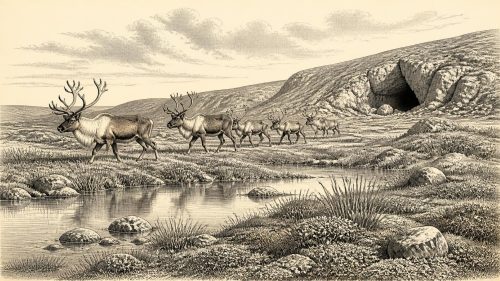
Around 33,300 calibrated years ago, Ireland lay within the climatically unstable MIS 3 Ice Age. Derryvree sediments in Fermanagh indicate treeless tundra-like wetlands and freshwater during an interval before renewed glaciation, while Crag Cave calcite records episodically milder conditions. Although severe, this period preceded island-wide coverage by the later British–Irish Ice Sheet. Castlepook Cave in County Cork preserved reindeer, mammoth, giant deer, carnivores and cold-adapted small mammals, revealing open tundra-steppe habitats. A reindeer femur bearing a possible stone-tool cut-mark may represent Ireland’s earliest human trace, but cannot prove permanent occupation. Evidence remains fragmentary, range-based and vulnerable to later glacial disturbance.
Read Article
Archived: 18 September 2026
Abstract
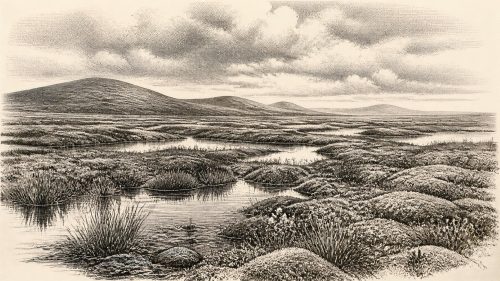
At the notional date 31,308 BCE, Ireland’s past is reconstructed from sediments and fossils rather than historical records. Derryvree, County Fermanagh, preserves an ice-free interval between glacial advances, dated broadly to 36,900–31,700 calibrated years before present. Its freshwater deposits indicate open tundra, wetland plants, seasonal growth and severe periglacial conditions. Castlepook Cave, County Cork, contains mixed remains of mammoth, giant deer, reindeer, predators and other cold-stage fauna, demonstrating repeated animal access. A marked reindeer femur, dated about 33,000 years ago, may indicate human butchery, yet lacks secure context. Ireland was a climatically shifting habitat, not a society or settled nation.
Read Article

Archived: 18 September 2026
Abstract
Around 31,309 BCE, Ireland experienced unstable Late Pleistocene conditions during Marine Isotope Stage 3, not a precisely recoverable historical year. Derryvree, County Fermanagh, preserves freshwater sediments between glacial tills, indicating a treeless, waterlogged tundra-like landscape during an ice-free interval. Castlepook Cave, County Cork, contains pre-Last Glacial Maximum remains of reindeer, mammoth, giant deer, bear and spotted hyaena, demonstrating connections with wider European fauna. Possible stone-tool damage on a reindeer bone suggests, but does not establish, human presence. No settlement, culture or economy can be identified. Later glaciation, erosion and sea-level rise severely fragmented Ireland’s deep-time archaeological record in many places.
Read Article
Archived: 18 September 2026
Abstract
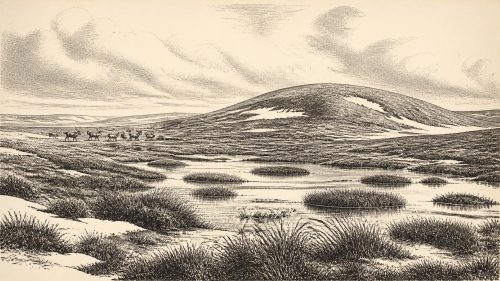
Around 31,310 BCE, Ireland’s history is reconstructed from environmental evidence rather than written records. Derryvree in County Fermanagh preserves freshwater sediments between glacial tills, indicating a cold, treeless tundra wetland during part of MIS 3, when local ice retreated before returning. Its radiocarbon date spans a broad calibrated interval encompassing the notional year, not a precise event. Castlepook Cave in Cork records diverse cold-stage fauna, including reindeer, mammoth and hyaena, accumulated over time. A possibly butchered reindeer bone suggests human activity, but not settlement. Uneven ice-sheet growth, changing sea levels and limited evidence preclude island-wide conclusions about conditions or occupation.
Read Article
Archived: 18 September 2026
Abstract
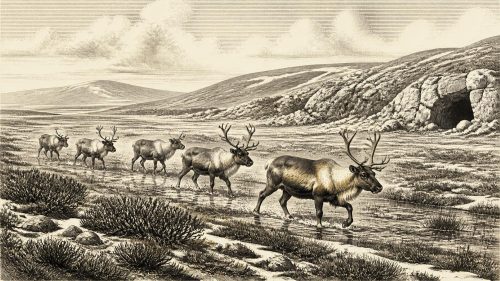
Labelled 31,311 BCE, this period in Ireland belongs to Marine Isotope Stage 3 and cannot be dated as a precise historical year. Castlepook, or Mammoth, Cave in County Cork produced a reindeer femur, broadly dated to about 31,000 BCE, whose possible stone-tool cut mark may indicate early human carcass processing. The disturbed cave deposits instead chiefly document diverse cold-stage fauna, including mammoth, deer, carnivores and small mammals. Derryvree, County Fermanagh, preserves buried freshwater sediments showing intermittent ice-free tundra wetlands. Ireland remained climatically variable, with shifting ice, coastlines and animal ranges. No settlements, tools, polity or sustained human occupation are established.
Read Article
Archived: 18 September 2026
Abstract
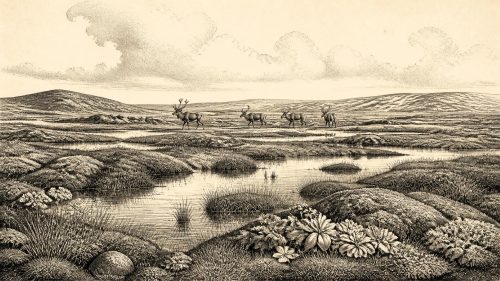
31,312 BCE is a modern label for a broad MIS 3 interval, not a precisely recoverable Irish year. At Derryvree, County Fermanagh, freshwater organic sediments between glacial tills indicate a local ice-free episode, supporting tundra vegetation including bogbean, mountain-avens and lesser clubmoss. The site records cold, wet, treeless conditions, though regional environments varied. Castlepook Cave, County Cork, preserves remains of mammoth, giant deer, reindeer, hyaena and other Ice Age animals, showing intermittent access from north-west Europe. A possibly cut-marked reindeer bone may indicate brief Upper Palaeolithic human activity, but no settlement is proven. Later advancing ice buried and reshaped landscapes.
Read Article
Archived: 18 September 2026
Abstract
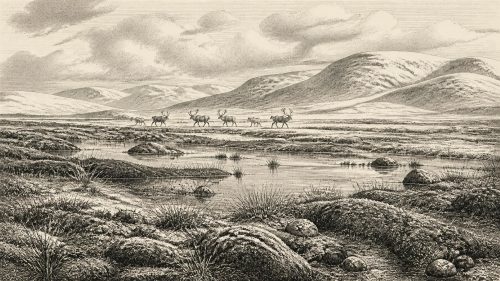
Around 31,313 BCE, Ireland lay within the unstable cold conditions of Marine Isotope Stage 3, not recorded history. Roadworks at Derryvree, County Fermanagh, exposed organic freshwater silts between glacial tills, dated broadly to 36,900–31,700 calibrated years BP. They indicate a treeless, frost-affected tundra wetland during an interval between ice advances. Elsewhere, Crag Cave records intermittent milder conditions, while Castlepook Cave preserves diverse fauna, including mammoth, reindeer, giant deer, hyaena and bear. A marked reindeer femur may indicate human butchery, but remains unconfirmed. No secure evidence supports permanent settlement, society, belief, or political organisation; the period is understood through environmental evidence.
Read Article
Archived: 18 September 2026
Abstract
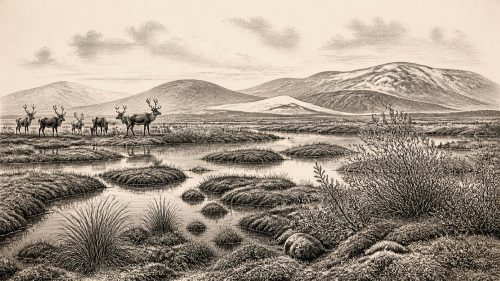
31,314 BCE is a modern label rather than a recoverable Irish year. Derryvree, County Fermanagh, preserves a freshwater organic layer between glacial deposits, dated broadly within late Marine Isotope Stage 3, indicating locally ice-free, treeless wetland amid an increasingly unstable cold climate. Castlepook Cave, County Cork, contains a complex, multi-period fauna including mammoth, giant deer, reindeer, bear and hyaena. A marked reindeer femur may indicate exceptionally early human handling, but its context prevents firm conclusions about settlement or hunting. Ireland was environmentally dynamic as ice expanded; human presence remains possible, not established during this poorly resolved interval of deep prehistory.
Read Article

Archived: 18 September 2026
Abstract
Around 31,315 BCE, the landmass that became Ireland lay within an unstable Late Pleistocene glacial landscape, not a defined country. Derryvree, County Fermanagh, preserves freshwater sediments between tills, dated broadly to this period, indicating treeless tundra wetlands, seasonal thaw and later renewed ice. Castlepook Cave, County Cork, contains a long-lived assemblage of mammoth, giant deer, reindeer, bear, hyaena and other cold-climate fauna, demonstrating intermittent ecological richness but not a single contemporary community. A possibly cut-marked reindeer bone may indicate transient human activity, yet no secure occupation evidence survives. Evidence supports environmental change, not settled populations, institutions or precise annual history.
Read Article

Archived: 18 September 2026
Abstract
At the notional date of 31,316 BCE, Ireland lay within the climatically unstable MIS 3 Late Pleistocene, with open, treeless vegetation, changing ice margins and lower seas. Castlepook Cave in north County Cork preserves a complex faunal archive, including reindeer, mammoth, giant deer, predators and small cold-adapted mammals, demonstrating episodic animal access to southern Ireland. Revised dating has qualified earlier conclusions about their survival. A reindeer femur bearing a possible stone-tool cut may indicate human carcass processing about 33,000 years ago but lacks associated artefacts or occupation evidence. It therefore suggests, rather than proves, Palaeolithic visitors, settlement or human presence.
Read Article
Archived: 18 September 2026
Abstract
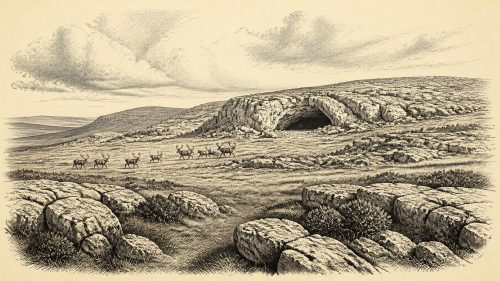
About 33,300 years ago, Ireland was in Marine Isotope Stage 3, shortly before Last Glacial Maximum ice cover reshaped the island. Southern caves, especially Castlepook in north Cork, preserve remains of reindeer, mammoth, giant deer, hyaena and fauna, indicating cool, open habitats. Lower sea levels altered coastlines and may have facilitated animal and human movement. A cut-marked reindeer femur may represent Ireland’s earliest evidence of human carcass processing, but it proves neither settlement nor hunting. Dating remain uncertain. Later glaciation and rising seas destroyed or submerged evidence, leaving a record of a fauna-bearing landscape and possible human visits to Ireland.
Read Article
Archived: 18 September 2026
Abstract
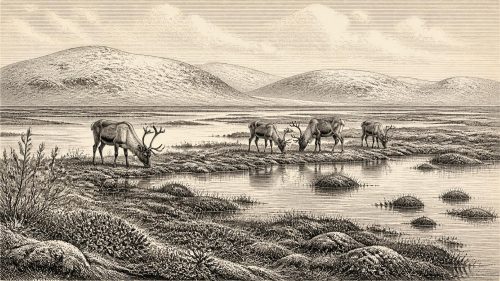
31,318 BCE is a modern label within an uncertain MIS 3 interval, not a recoverable Irish historical year. At Derryvree, County Fermanagh, freshwater organic sediments between glacial tills record an ice-free phase, broadly 36,900–31,700 calibrated years BP. Fossils indicate cold, treeless, wet tundra-like ground, while successive ice advances and retreats made conditions regionally variable. Southern cave deposits show that diverse Ice Age mammals reached Ireland over MIS 3. A cut-marked Castlepook reindeer bone may indicate brief human activity, but proves neither settlement nor continuous occupation. Lower seas changed coastlines, yet travel routes remain uncertain. Later glaciation destroyed or buried evidence.
Read Article
Archived: 18 September 2026
Abstract
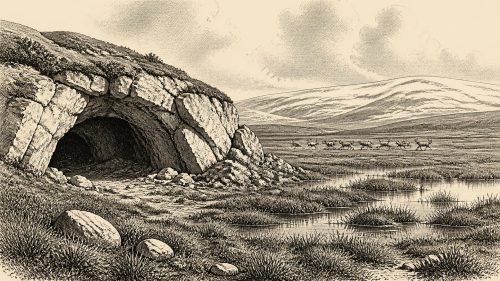
About 31,319 BCE is best understood as a broad Late Pleistocene, MIS 3 reference, not a precisely dated Irish event. Ireland experienced unstable, increasingly cold conditions as the British–Irish Ice Sheet expanded, altering coasts, habitats and access routes. Fragmentary sediments indicate tundra wetlands, while Castlepook Cave preserves remains of mammoth, reindeer, giant deer, predators and Arctic-adapted species, demonstrating intermittent continental fauna. Its deposits span different periods and were disturbed, so they cannot prove contemporaneous communities. A cut-marked reindeer bone may indicate butchery by people, but confirms neither settlement nor continuity. Later glaciation erased much evidence; caves retain the clearest record.
Read Article
Archived: 18 September 2026
Abstract
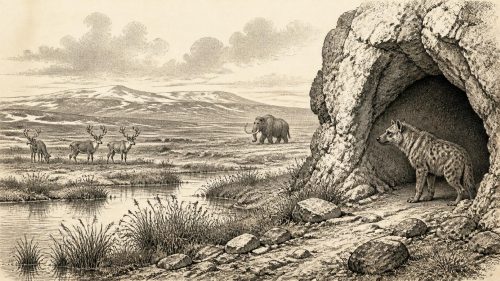
About 31,320 BCE, Ireland lay within the Late Pleistocene’s unstable Marine Isotope Stage 3, before the Last Glacial Maximum. Ice margins, sea levels and coastlines changed, producing varied cold environments rather than a uniformly ice-covered island. At Derryvree, Fermanagh, freshwater sediments between glacial tills preserve evidence of tundra-like wetlands, including mosses, sedges, dwarf willow and insects, during an ice-free interval. Castlepook Cave, Cork, yielded mammoth, reindeer, giant deer, predators and scavengers, including hyena-marked bone, though deposits are chronologically mixed. No settled human community is securely evidenced; possible cut marks remain uncertain. Ireland’s history is dynamic glacial landscapes and faunal archives.
Read Article
Archived: 18 September 2026
Abstract
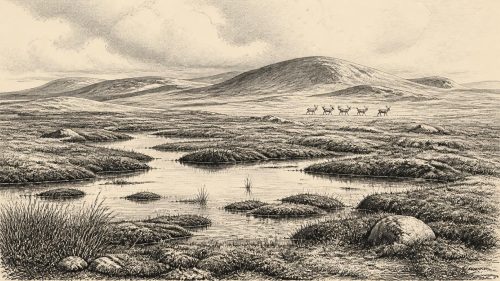
At approximately 31,321 BCE, Ireland lay in the unstable cold conditions of Marine Isotope Stage 3, not entirely under a uniform ice sheet. The date is only a broad calibrated approximation, linked to the BIRM-166 freshwater deposit at Derryvree, Fermanagh. Silts between glacial tills record locally ice-free tundra, wetlands, plants, insects and animals before renewed glaciation. Castlepook Cave, Cork, preserves diverse fauna, including mammoth, reindeer, giant deer, hyaena and cold-adapted species, accumulated across a lengthy period. A possibly cut-marked reindeer bone suggests transient human presence, not settlement. Advancing British-Irish ice later reshaped landscapes and obscured this ecologically varied pre-maximum world.
Read Article
Archived: 18 September 2026
Abstract
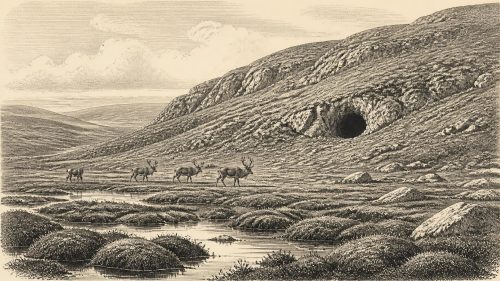
31,322 BCE is a modern label for a Late Pleistocene interval, best understood through uncertain dated ranges rather than year-specific history. Derryvree silts in Fermanagh indicate cold, treeless tundra-like wetlands, while Castlepook Cave, County Cork, preserves fauna including reindeer, mammoth, giant deer and predators. A reindeer femur bears a possible fresh-bone stone-tool incision, potentially indicating Upper Palaeolithic human activity. However, disturbed cave contexts and absent associated hearths, tools or settlements prevent stronger conclusions. Ireland was varied as ice expanded, with traces often erased by glaciation. No community, polity, culture or occupation is proven; humans remain a plausible but unconfirmed presence.
Read Article
Archived: 18 September 2026
Abstract
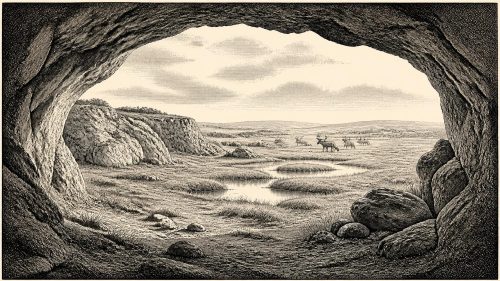
31,323 BCE is a retrospective label within climatically unstable Marine Isotope Stage 3, not a precisely datable Irish event. Environmental records from Crag Cave and northern deposits indicate fluctuating conditions, including milder phases, wetlands and open cold-country habitats. Castlepook Cave, County Cork, preserves remains of mammoth, reindeer, giant deer, hyaena and fauna, demonstrating productive Ice Age ecosystems before the Last Glacial Maximum. A marked reindeer femur may show butchery with a stone edge and early human visitation. However, lacking associated tools, hearths or settlements, it cannot prove population, society or occupation. Ireland’s history remains environmental, while human presence is unresolved.
Read Article

Archived: 18 September 2026
Abstract
31,324 BCE is an editorial date within a broad Late Pleistocene range, not a datable Irish year. At Derryvree near Maguiresbridge, Fermanagh, freshwater sediments later sealed beneath ice preserve pollen, plants, mosses and insects indicating an ice-free, treeless, waterlogged tundra with wetland niches. Castlepook Cave, Cork, contains remains of reindeer, mammoth, giant deer, predators and other cold-stage fauna, although cave deposits span long periods and may be disturbed. A marked reindeer femur may record butchery by humans, but cannot prove settlement. Ireland was regionally variable during MIS 3; later glaciation destroyed much evidence, leaving only fragmentary ecological and human traces.
Read Article

Archived: 18 September 2026
Abstract
At 31,325 BCE, Ireland was a climatically unstable Late Pleistocene fringe, not a landscape uniformly covered by ice. Derryvree, County Fermanagh, preserves sediments indicating cold, treeless tundra wetlands with freshwater ecosystems before later glaciation. Crag Cave, County Kerry, records intermittent calcite growth, showing milder MIS 3 episodes when liquid water circulated underground. Castlepook Cave, County Cork, contains a complex fauna including mammoth, reindeer, hyaena and other species, demonstrating habitable open environments. A cut-marked reindeer bone may indicate Upper Palaeolithic butchery, but lacks associated artefacts or occupation evidence. No political or settled human society can be inferred; environmental change remains record.
Read Article
Archived: 18 September 2026
Abstract
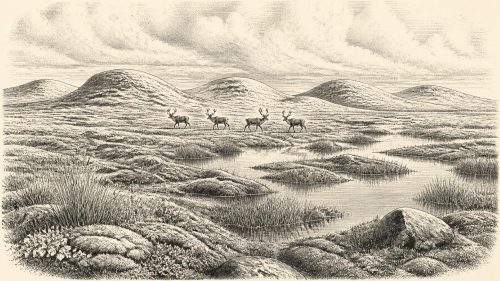
31,326 BCE is a modern label for later Marine Isotope Stage 3, not a recoverable Irish year. Derryvree, County Fermanagh, preserves freshwater sediments between tills, indicating an ice-free, cold tundra wetland during a broadly dated interval. Castlepook Cave, County Cork, contains MIS 3 remains of reindeer, mammoth, hyaena and other open-country fauna, although disturbed deposits prevent a single ecological snapshot. A cut-like mark on a reindeer femur may indicate early human butchery, but remains contested and cannot prove settlement. Glaciation and changing sea levels obscured evidence. Secure Irish human presence is far later; permanent society is unproven for this period.
Read Article
Archived: 18 September 2026
Abstract
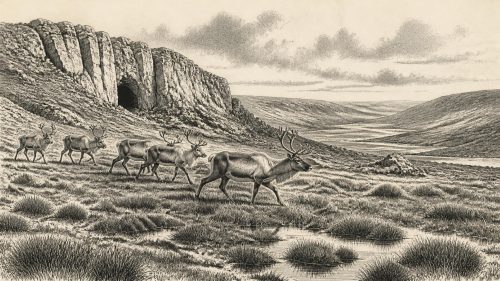
The modern label 31,327 BCE cannot identify a discrete Irish event, but denotes a fluctuating cold phase of Late Pleistocene MIS 3. Castlepook Cave near Doneraile, County Cork, yielded a reindeer femur bearing a stone-tool cut, potentially Ireland’s earliest claimed human evidence. Its age, provenance and interpretation remain uncertain, as early excavations and changing radiocarbon methods limit precision. Ireland comprised open, seasonal tundra-like habitats amid shifting ice and lower seas, supporting reindeer, mammoth, hyaena and fauna. Derryvree deposits indicate treeless environments between glacial advances. No settlement is proven: any visitors were mobile foragers, while cave processes may have redistributed bones.
Read Article
Archived: 18 September 2026
Abstract
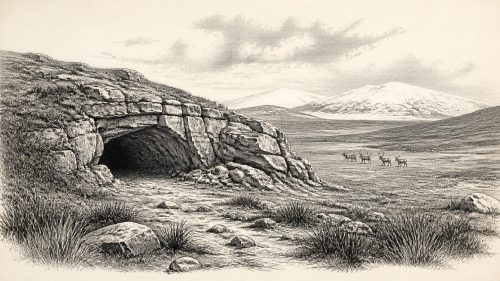
31,328 BCE is a label for a fluctuating later MIS 3 environment, not a recorded Irish event. Ireland experienced cold conditions as ice expanded before the Last Glacial Maximum, while southern habitats at times supported mammoth, giant deer, reindeer, bears, hyaenas and cold-adapted fauna. Castlepook Cave, County Cork, preserves mixed deposits spanning periods, making it valuable but limited. A reindeer femur bearing a possible stone-tool cut mark may indicate Ireland’s earliest human activity, though it lacks context and associated artefacts. Human presence may have been intermittent. No evidence supports settlements, polities, trade or population continuity; environmental change dominates the period.
Read Article

Archived: 18 September 2026
Abstract
Around 31,329 BCE, Ireland lay within the unstable late Ice Age. Derryvree in County Fermanagh preserves freshwater sediments between glacial tills, dated broadly to this interval, showing ice-free, tundra-like wetlands with Arctic-alpine plants. Castlepook Cave in north Cork yielded Late Pleistocene remains including mammoth, reindeer, giant deer, predators and lemmings, demonstrating changing open-country habitats but not a single contemporary fauna. A cut-marked reindeer femur may indicate Upper Palaeolithic butchery, yet no secure evidence confirms permanent human settlement. Environmental change, advancing ice and later erosion shaped a fragmentary record, while political, social and cultural history remain unknowable for this remote period.
Read Article
Archived: 18 September 2026
Abstract
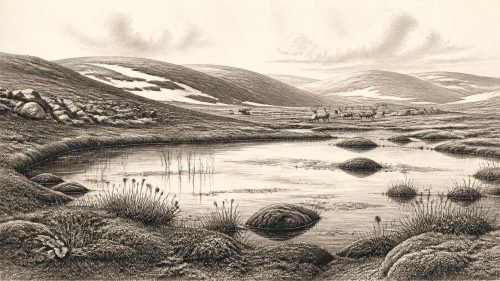
31,330 BCE is a notional date within the climatically unstable Late Pleistocene, not a recoverable Irish historical year. At Derryvree, County Fermanagh, freshwater silts beneath glacial till, broadly dated to 36,900–31,700 cal BP, preserve evidence of mosses, sedges, insects and open periglacial wetlands. Ireland experienced uneven glacial build-up, with ice, exposed terrain and changing coastlines varying regionally. Castlepook Cave, County Cork, contains mixed Late Pleistocene remains of mammoth, reindeer, giant deer, hyena and other fauna, demonstrating episodically viable cold-country habitats. A possibly cut-marked reindeer femur may indicate brief human activity, but cannot prove settlement. None proves agriculture or permanent population.
Read Article
Archived: 18 September 2026
Abstract
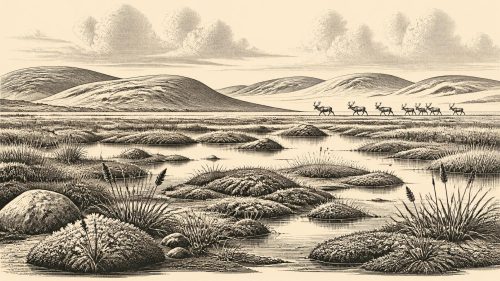
31,331 BCE is best understood as part of later Marine Isotope Stage 3, not a recoverable year in Irish history. Derryvree sediments in Fermanagh record a cold, treeless freshwater wetland between glacial advances, supporting plants, insects and seasonal animal life. Crag Cave speleothems in Kerry indicate episodic milder conditions before cave-water deposition ceased around 32,100 years ago as climate cooled. Ice growth, lowered sea levels and shifting coastlines produced uneven regional environments. Castlepook Cave preserves cold-stage fauna and a contested possible cut-marked reindeer bone, but no secure evidence of human occupation. Ireland’s record is chiefly environmental, fragmented by later glaciation.
Read Article

Archived: 18 September 2026
Abstract
About 31,332 BCE, Ireland lay within the fluctuating Late Pleistocene climate of Marine Isotope Stage 3, before the Last Glacial Maximum. Derryvree deposits in Fermanagh indicate treeless, periglacial tundra, wetlands and pronounced seasonality, with locally productive habitats between glacial episodes. Castlepook Cave in Cork preserved a diverse, time-mixed fauna including mammoth, reindeer, giant deer, bears, wolves, hyaenas, foxes and lemmings. A deeply incised reindeer femur may record stone-tool use and fleeting human activity, but cannot prove settlement. Low sea levels altered regional connections, while later glaciation obscured evidence. The period is understood through environmental and faunal traces, not historical events.
Read Article

Archived: 18 September 2026
Abstract
Labelled 31,333 BCE, this period in Ireland can only be placed broadly within Late Pleistocene Marine Isotope Stage 3. Derryvree, County Fermanagh, preserves freshwater silts between glacial tills, dated broadly to 36,900–31,700 calibrated years BP. They indicate locally ice-free, periglacial wetlands with mosses, sedges, aquatic plants, dwarf willow and open tundra, not woodland. Cave assemblages, especially Castlepook in Cork, document varied cold-stage fauna, including reindeer, mammoth, predators and scavengers, though not as a single contemporary community. A possibly butchered reindeer bone suggests Ireland’s earliest human activity, but proves neither settlement nor society. Environmental instability preceded expanding ice-sheet cover across Ireland.
Read Article

Archived: 18 September 2026
Abstract
31,334 BCE is a label for a dated Late Pleistocene interval, not a recorded Irish year. BIRM-166, an organic freshwater deposit beneath tills at Derryvree, Fermanagh, indicates a cold, treeless tundra-like wetland during MIS 3, although it cannot define conditions island-wide or precisely date events. Ireland’s ice extent, coastlines and accessibility changed and remain uncertain. Castlepook Cave, Cork, preserves a cold-stage fauna, including mammoth, reindeer and spotted hyaena, accumulated over periods. A marked reindeer femur may indicate human butchery around 31,000 BCE, but proves neither hunting nor settlement. The evidence instead shows an connected, changing landscape potentially visited by people.
Read Article
Archived: 18 September 2026
Abstract
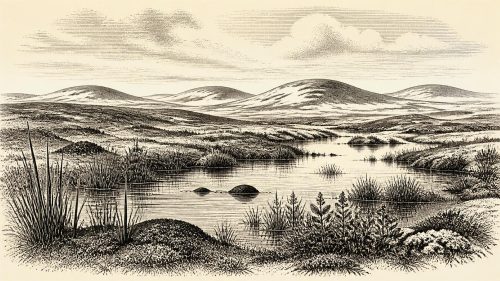
Around 31,335 BCE, Ireland was a cold, unstable, largely open Ice Age landscape, not uniformly ice-covered but shaped by glaciers, periglacial processes and shifting sea levels. Freshwater sediments at Derryvree, County Fermanagh, dated broadly to this period, preserve bogbean, sedges and other evidence of wetland habitats within treeless tundra-like terrain. Cave remains from Castlepook, County Cork, indicate large mammals including mammoth, reindeer, giant deer, hyaena and wolf in suitable open country. Possible tool marks on a reindeer bone may indicate brief human visits, but cannot prove settlement. Evidence remains fragmentary, local and unsuitable for reconstructing specific events, societies or politics.
Read Article





