Archived: 24 October 2026
Abstract
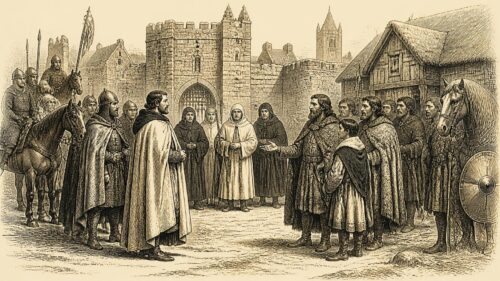
In 1295, Ireland remained divided among Anglo-Irish lordships, Gaelic kingdoms and church lands, where authority depended on negotiation, hostages and armed force. At Kilkenny, Richard de Burgh, the Red Earl, was released after hostages guaranteed a settlement with John fitz Thomas FitzGerald. Thomas fitz Maurice, acting as royal keeper, secured temporary submissions from Wicklow groups through fines and hostages. John Wogan became justiciar, tasked with preparing Irish resources for Edward I’s Scottish war. Annals also record dynastic killings, contested successions, plunder and expulsions in northern and southern regions, revealing persistent regional conflict despite royal efforts to restore order and stability.
Read Article

Archived: 24 October 2026
Abstract
A year recorded through a single campaign The surviving Irish annals make 1286 look, at first sight, like a year dominated by one extraordinary movement of armed power. Their central notice is a mórshluaiged, or great hosting, led by the Earl of Ulster into Connacht. The earl was Richard de Burgh, later famous as the Red Earl: lord of Connacht through his inheritance and one of the greatest magnates in the English lordship of Ireland. Yet the evidence must be handled closely. No source supplies a day, a route, a battle-site, a list of troops or a full explanation for
Read Article
Archived: 25 October 2026
Abstract
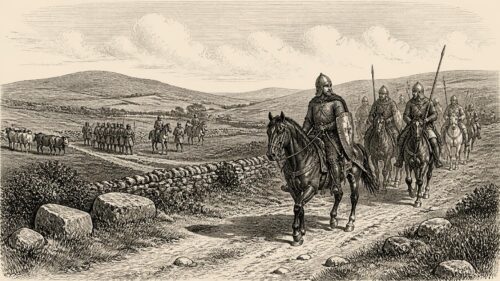
In 1273, Irish authority remained fragmented among royal officials, settler magnates and Gaelic dynasties. Jordan d’Exeter’s raid in Corann provoked a failed Connacht pursuit, killing several members of ruling and learned families. Elsewhere, Conchobar Buidhe Ó Ruairc of Brefne and Eochaid Mac Mathghamhna of Oriel were killed, while expulsions altered power in western Connacht. Maurice FitzGerald’s expedition into Thomond obtained O’Brien hostages and submission, though not lasting conquest. Geoffrey de Geneville arrived as justiciar, strengthening royal administration without eliminating regional independence. Richard de Carew died, and a Barry charter granted Cahirduggan church to Ballybeg Priory, illustrating ecclesiastical patronage amid warfare.
Read Article

Archived: 25 October 2026
Abstract
In 1248, military and political struggle linked northern and western Ireland across contested regions. Justiciar John FitzGeoffrey compelled Cenél nEógain to give hostages, then built a bridge over the Bann and a castle near Coleraine, strengthening royal leverage without securing conquest. Maurice FitzGerald intervened in Tír Conaill, backing Gofraid Ó Domnaill, whose rival was later killed. In Connacht, revolts, raids, cattle seizures, island warfare and a reverse in Connemara exposed limits to colonial power. Meanwhile, Fedlimid Ó Conchobair endowed Kilmore’s Augustinians, Armagh’s primate returned from Rome, and Henry III addressed baronial liberties, demonstrating intertwined warfare, lordship, church patronage and administration.
Read Article

Archived: 26 September 2026
Abstract
In 1211, King John’s Irish lordship remained fragile despite his previous campaign against the de Lacys. John de Gray, royal justiciar, sought to consolidate control through castles, garrisons, revenue collection and alliances, as recorded in the Irish Pipe Roll. At Athlone, Richard de Tuit and eight others died when a new tower collapsed, highlighting frontier tensions and disputes over church land. In the north, Áed Méith Ua Néill repelled foreign forces at Narrow Water, demonstrating organised resistance. Irish rulers negotiated through hostages and temporary agreements. Royal power expanded through administration and fortification, but Ireland remained a patchwork of competing jurisdictions.
Read Article

Archived: 26 September 2026
Abstract
In 1204, Ireland remained politically fragmented, with King John’s authority strongest in Anglo-Norman towns, castles and lordships. Justiciar Meiler fitz Henry curbed William de Burgh’s Connacht ambitions, while Cathal Crobhdearg Ua Conchobair negotiated terms to preserve part of his kingdom. In Ulster, John de Courcy’s displacement enabled the de Lacys’ rise, though royal law sought to regulate the outcome. Annals record raids, church plundering, Doire’s burning and Domnall Mac Carthaig’s southern victory. Ecclesiastical disputes at Iona demonstrated clerical power. Dublin fortifications, authorised fairs, and Duiske’s foundation linked royal administration, commerce, settlement and religious patronage amid continuing local conflict across Ireland.
Read Article

Archived: 26 September 2026
Abstract
In 1197 John de Courcy extended his Ulster lordship, building Kilsanctan castle and raiding Ciannachta and the Derry region. After King Flaithbertach Ua Máeldoraid died, de Courcy defeated his successor Echmarcach Ua Dochartaig, killed many Cenél Conaill warriors and seized cattle, though north-western control remained contested. Churches were targets, protectors of authority and repositories of treasure, illustrated by Derry altar’s robbery and punishment. Dynastic warfare also afflicted Thomond and Connacht. Limerick received borough liberties under John, while Archbishop John Cumin contested ecclesiastical property with the justiciar. The year revealed fragmented power, enduring Gaelic resistance, and incomplete conquest across medieval Ireland.
Read Article

Archived: 26 September 2026
Abstract
In 1196, Ireland comprised competing regional lordships, churches and Anglo-Norman centres rather than a unified polity. Armagh’s canonry and precinct were burned, while conflict nearby saw Ruaidrí Mac Duinn Shléibhe’s mixed force defeated and Muirchertach Mac Lochlainn killed despite sacred guarantees. Sanctuary violations, retaliatory killings and dynastic successions demonstrated insecure local power. In Munster, Domnall Mac Carthaigh defeated English forces, challenged Limerick, attacked castles and negotiated over Cork, amid conflicts involving Irish and settler allies. Raids reached Louth and the midlands. Religious institutions remained politically influential, providing oaths, burial and retirement. Annalistic evidence depicts uneven disruption, not an island-wide crisis.
Read Article

Archived: 26 September 2026
Abstract
In 1177 Anglo-Norman expansion widened beyond footholds in Leinster, Meath and ports. John de Courcy secured Downpatrick, raiding eastern Ulaid but not conquering Ulster. Henry II’s Oxford council assigned Ireland to his son John and redistributed strategic lordships and speculative grants in Cork and Limerick, asserting authority. Anglo-Norman expeditions into Connacht and Munster encountered resistance, scorched supplies and limited success. Irish dynastic rivalries continued alongside invasion, while church institutions mediated violence and suffered attack. Synodal activity, disasters and deaths of learned figures illuminate religious and economic life. Ireland remained politically fragmented, yet conquest’s frontier and ambitions decisively expanded across Ireland.
Read Article

Archived: 26 September 2026
Abstract
In 1164, Ireland remained politically divided yet interconnected by kingship, churches and Irish Sea networks. High-king Muirchertach Mac Lochlainn sustained authority through alliances, tribute and ecclesiastical patronage, despite northern raids and rebellion. Rival Ruaidrí Ua Conchobair built a major fortified residence at Tuam, while Munster and Leinster saw raids, dynastic killings and blinding. At Derry, royal and clerical resources created an exceptionally large Columban church, amid wider links with Iona and the Isles. Fires damaged several religious centres. Somerled’s Scottish expedition included Dublin forces. Agriculture, livestock, skilled labour and learning underpinned society, although conflict and disaster exposed persistent deep instability.
Read Article

Archived: 26 September 2026
Abstract
In 1156, the death of Toirdelbach Ua Conchobair ended a career of contested island-wide authority and prompted succession struggles. Ruaidrí Ua Conchobair secured Connacht through hostage-taking and blinding rivals, while Muirchertach Mac Lochlainn expanded northern power by compelling submissions in Ulaid, Leinster and Osraige. Warfare and shifting alliances destabilised Mide, involving Leinster, Bréifne and Dublin forces. Power depended on hostages, tribute, raids and military expeditions, despite ecclesiastical protections. Toirdelbach’s burial at Clonmacnoise and gifts affirmed royal patronage. Fires damaged churches, religious reform continued, and learning suffered losses. A plentiful harvest was followed by severe frost, underscoring the year’s political uncertainty.
Read Article

Archived: 26 September 2026
Abstract
In 1148, Irish politics combined rivalry, raiding and shifting alliances with major ecclesiastical reform. Tairdelbach Ua Conchobair, king of Ireland with opposition, campaigned in Mide, while Muirchertach Mac Lochlainn intervened in Ulaid, where changing rulers, hostages and a relic-sanctioned peace reflected unstable power. Tigernán Ua Ruairc survived an assassination attempt, and Dublin’s Hiberno-Norse king Óttar was killed. At Inispatrick, Malachy Ua Morgair gathered bishops and clergy, advancing diocesan reform and plans for papal pallia. He consecrated Cnoc na Seangan, while Baltinglass Abbey was founded. Malachy died at Clairvaux, but his reforms helped shape the 1152 settlement at Kells-Mellifont in Ireland.
Read Article
Archived: 26 September 2026
Abstract
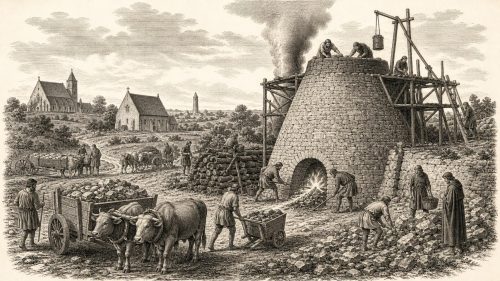
In 1145, Ireland’s contested high-kingship produced widespread warfare, recalled by annalists as a trembling sod. Tairdelbach Ua Conchobair of Connacht faced rebellion from Tigernán Ua Ruairc of Bréifne, Munster offensives and instability in Mide. In the north, Muirchertach Mac Lochlainn regained Cenél nÉogain with support from Cenél Conaill and Airgialla, establishing a powerful rival centre. Campaigns involved battles, cattle raids, burnings, captives and naval conflict on the Shannon, where Connacht defeated Munster and Limerick forces. Amid turmoil, Armagh’s church built a large limekiln, demonstrating ecclesiastical resources, reform and continuing organised construction. The year reshaped, but did not settle, Irish supremacy.
Read Article

Archived: 26 September 2026
Abstract
In 1122, Tairdelbach Ua Conchobair of Connacht emerged as Ireland’s foremost overking, exploiting northern weakness after Domnall Ua Lochlainn’s death. He secured Munster’s division through submission, capture and installation of rival rulers, campaigned in Mide and towards Lough Erne, and received Leinster-Dublin recognition. Nevertheless, northern raids, Ulaid dynastic conflict and midlands warfare showed authority remained contested. Annals also record cattle raiding’s human and economic burden, revealing rural wealth and royal logistics. Ecclesiastical life saw relic discovery at Lann, prominent clerical deaths, pilgrimage, learning and gradual reform alongside older offices. Connacht’s ascendancy was influential, but Ireland remained politically fragmented in practice.
Read Article
Archived: 26 September 2026
Abstract
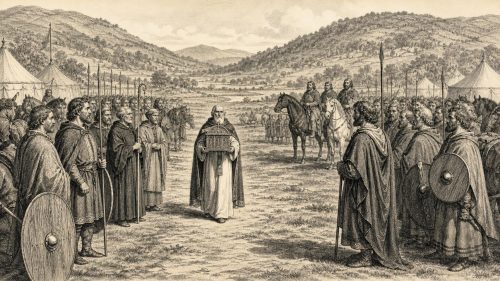
In 1113, Ireland was dominated by rivalry between Muirchertach Ua Briain of Munster and Domnall Ua Lochlainn of Ailech, whose coalitions threatened conflict. Domnall expelled Donnchad Ua hEochada and partitioned Ulaid, while Muirchertach mobilised Leinster and Connacht forces in response. On two occasions Cellach, successor of Patrick at Armagh, prevented battle, ultimately securing a year’s truce with the sacred Bachall Ísu. The events demonstrated Armagh’s ecclesiastical authority amid church reform. Local dynastic killings, cattle mortality, pilgrimage deaths on Croagh Patrick, and shrine-work at Clonmacnoise also reveal instability, devotion, economic vulnerability, and patronage. Neither overking prevailed before Muirchertach’s illness in 1114.
Read Article

Archived: 26 September 2026
Abstract
In 1111 Ireland remained divided among competing rulers, notably Muirchertach Ua Briain in the south and Domnall Ua Lochlainn in the north, while Tairdelbach Ua Conchobair extended Connacht’s influence. Raids, hostage-taking, dynastic conflict and attacks on churches, including Clonmacnoise, demonstrated political instability. The Synod of Ráith Bressail, attended by leading clerics and royal patrons, promoted ecclesiastical discipline and a territorial diocesan framework under Armagh and Cashel, though implementation was uneven. A Meath synod also negotiated church boundaries. Ulaid’s conflict with Cenél nÉogain, harsh winter conditions, and fires at several settlements further affected society, trade and rural livelihoods across Ireland broadly.
Read Article

Archived: 26 September 2026
Abstract
In 1102, Ireland experienced negotiated truces rather than unity, as Muirchertach Ua Briain and Domnall Ua Lochlainn balanced competing claims to national authority. Armagh held hostages securing their one-year agreement, although raids and killings continued across Ulster, Connacht, Bréifne and Meath. Muirchertach also confronted Magnus Barelegs’ fleet before forging a marriage alliance with Magnus’s son Sigurd, and linked his dynasty to Norman rebel Arnulf de Montgomery. Churches served as guarantors, learning centres and targets for attack. Rural communities bore warfare’s economic burden, while ports sustained Irish Sea trade. These fragile personal settlements reorganised conflict, preceding renewed campaigns thereafter in 1103.
Read Article

Archived: 26 September 2026
Abstract
In 1101, Ireland remained divided between Muirchertach Ua Briain of Munster and Domnall Ua Lochlainn of Aileach, neither an uncontested high king. Muirchertach enhanced his authority by granting Cashel’s royal site to the Church, supporting reform and weakening Éoganachta claims. His coalition’s circuit through Connacht and the north destroyed Aileach, extracted hostages, and ravaged communities, yet failed to defeat Domnall. Local cattle raids, dynastic killings and church attacks continued. Armagh secured release of Ulaid king under sacred oaths. Seaborne raiders plundered Inis Cathaig amid Scandinavian pressure. Good harvests coexisted with cattle disease, while religious and learned institutions sustained collective memory.
Read Article

Archived: 26 September 2026
Abstract
In 1098, Ireland remained divided among competing kings, with Muirchertach Ua Briain’s northern campaign checked by Domnall Ua Lochlainn, while succession disputes devastated Meath, Leinster, Connacht and other regions. Cenél nEógain defeated Cenél Conaill, and Ulaid captured three ships of unnamed Isles foreigners, probably linked to Magnus Barelegs’ western expedition. Deaths of reformer Domnall Ua hÉnna and numerous bishops, scholars and clerics highlighted active religious networks and emerging church reform. Rain, fertility and heavy snow shaped rural life; fires damaged Cork and Clonmacnoise. The chronicles depict political fragmentation, local violence, maritime connections, learning, pilgrimage and resilient ecclesiastical centres throughout Ireland.
Read Article

Archived: 26 September 2026
Abstract
In 1088, Muirchertach Ua Briain’s Munster faced renewed rivals after his father’s death. While he campaigned in Leinster, Connacht forces defeated Munster fleets, and his brother Diarmait’s coastal raid ended disastrously after relics were seized. Leinster’s attack on Waterford failed, while southern townsmen suffered defeat near Cork. Domnall Ua Lochlainn secured Connacht’s submission from Ruaidrí Ua Conchobair, then led a northern-Connacht invasion deep into Munster, devastating settlements and destroying Kincora, the Ua Briain stronghold. Raiding damaged cattle-based rural livelihoods, while ports supplied maritime power. Scholarly and dynastic deaths reflected Ireland’s fractured kingship and interlinked political, ecclesiastical, commercial and agricultural worlds.
Read Article

Archived: 26 September 2026
Abstract
In 1078, northern Ireland experienced interconnected but largely local political upheavals. Conchobar Ua Briain, a Munster prince ruling at Telach Óc, was treacherously killed with his wife, weakening Uí Briain influence in Cenél nÉogain. Airgialla's overking Lethlobar Ua Laidcnén also died violently, while conflicts involved Fernmag, Uí Chremthainn, Conaille, Uí Méith and other northern groups. Donn Sléibe Ua hEochada was deposed in Ulaid and sought Tairdelbach Ua Briain's protection. Tairdelbach's wide but limited supremacy rested on alliances, hostages and dependants. Ecclesiastical deaths and evidence of farming, trade and recent scarcity reveal the social foundations beneath dynastic violence and political rivalry.
Read Article
Archived: 26 September 2026
Abstract
In 1006, Brian Bórama demonstrated the reach yet limits of his Irish overlordship by leading a broad coalition from Munster, Leinster, Mide, Connacht and Dublin through the north. His circuit secured Ulaid hostages and satisfied Armagh's claims, strengthening royal and ecclesiastical legitimacy, but Cenél Conaill and Cenél nEógain withheld submission. Provincial violence continued, including killings of regional kings, revealing unstable local rule. The deaths of Armagh churchmen underline clerical institutions' importance. A mild, food-rich winter offered relief after scarcity, while the army's passage burdened rural communities. Dublin's participation reflected its growing military, commercial and maritime value within Brian's negotiated supremacy.
Read Article

Archived: 26 September 2026
Abstract
Brian Boru’s northern campaign of 1005 demonstrated his contested claim to high-kingship over Ireland. After establishing dominance in the south and securing Máel Sechnaill’s submission, he led an army, including Gaelic and Norse-Irish forces, to Armagh and Ulaid. At Patrick’s altar he gave twenty ounces of gold, strengthening ties with Armagh’s primatial church; the Book of Armagh associated him with title imperator Scotorum. His expedition sought hostages from northern dynasties, but accounts differ over whether Cenél Conaill and Cenél nEógain submitted. Ulaid suffered dynastic killings, external attacks and scarcity that dispersed its population. The year showed kingship dependent on campaigns.
Read Article

Archived: 26 September 2026
Abstract
In 1004, Brian Bórama’s claim to supremacy over Ireland remained ambitious but incomplete. Having subordinated Máel Sechnaill of Mide, he faced determined northern resistance from Cenél nEógain. The Annals of Ulster record that they obstructed his intended circuit of Ireland. At Cráeb Tulcha on 14 September, Cenél nEógain defeated Ulaid; Ulaid king Eochaid mac Ardgar and Ailech king Áed Ua Néill died, destabilising both powers. Traditions associate this period with Brian’s expedition to Armagh, demands for hostages, and gold offering, linking political display with ecclesiastical authority. Annals record clerical deaths, regional killings, Dublin’s burning, and Máel Sechnaill’s injury, revealing insecurity.
Read Article
Archived: 26 October 2026
Abstract
Annals conventionally place 993 amid a major mortality of people, cattle and bees, though its cause, scale and chronology remain uncertain. This crisis threatened subsistence, wealth and ecclesiastical resources. Political violence killed several local rulers in the midlands, Connacht and west, revealing fragmented lordship and Máel Sechnaill’s interventions. Brian of Munster led a naval expedition from Lough Ree towards Bréifne, while Mide suffered devastation and Dublin’s Norse-Gaelic politics remained unsettled. Meanwhile, Muirecán, Patrick’s successor, visited Cenél nÉogain and publicly affirmed Áed’s royal standing. The notices portray interconnected warfare, church authority, riverine mobility and vulnerable rural life throughout Ireland in 993.
Read Article
Archived: 27 October 2026
Abstract
In 915, Ireland experienced interconnected political, religious and military pressures rather than a decisive battle. Óengus, Flann Sinna’s designated heir, died, weakening the ageing king of Tara, while Domnall of Ailech died in penitence, confirming his half-brother Niall Glúndub’s northern prominence. Flann’s sons Donnchad and Conchobor rebelled in Mide, but Niall’s army secured their submission and a truce with Brega, enhancing his influence. Scandinavian forces based at Waterford Harbour plundered Munster churches and settlements. Deaths of leading clerics and the treacherous wounding of a local king reveal institutional and regional instability. The year foreshadowed later succession conflicts and Viking warfare.
Read Article
Archived: 27 October 2026
Abstract
In 912, Irish annals centre on Cernachán son of Duiligén, who removed a captive from Armagh’s sanctuary and who was then killed at Loch Cerr. Niall son of Áed, king of Ailech, drowned Cernachán there, asserting Patrick’s church protection and northern Uí Néill authority. The episode reveals sanctuary, kinship and violence within fragmented kingship. Nearby notices record Niall’s campaigning, conflict between Brega and Leinster, clerical deaths and an accidental fire at Armagh. Annals also describe wet, dark weather and an appearance of Halley’s Comet. Maritime entries show Ulaid fleets, Welsh captives, ransom networks and Scandinavian activity across the Irish Sea.
Read Article
Archived: 28 October 2026
Abstract
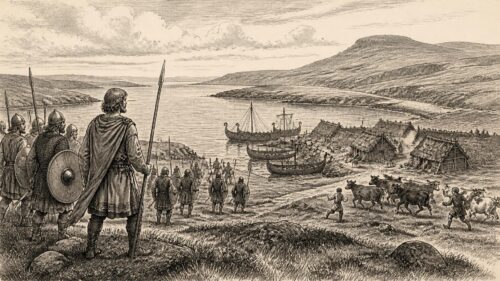
In 866, Áed Findliath, king of Tara, attacked Scandinavian longphuirt in Cenél nÉogain and Dál Araidi, defeated their forces at Lough Foyle, seized livestock and claimed 240 deaths. The campaign damaged northern maritime bases connected to wider Irish Sea networks, though its scope remains uncertain. Meanwhile, Dublin-associated rulers Amlaíb and Auisle raided Pictish Fortriu, taking hostages. In the west, jarl Tomrar plundered Clonfert, exposing monastic vulnerability despite later miraculous accounts of his death. Ecclesiastical notices underline church institutions’ importance. These events portray Ireland as a politically fragmented, interconnected maritime society, where warfare, trade, religious centres and agricultural resources shaped power.
Read Article
Archived: 1 November 2026
Abstract
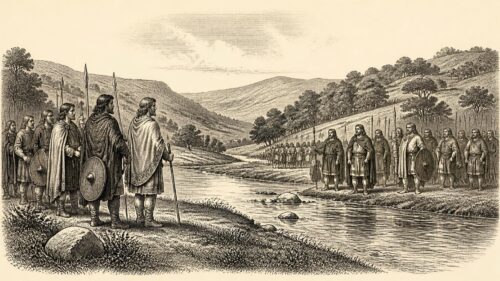
In 733, Áed Allán of Cenél nEógain again fought Cenél Conaill at Mag Itha in the Finn valley, killing Conaing of Fánad and many others, strengthening his northern position. The annals place this conflict within wider rivalry among Northern Uí Néill dynasties, without proving an immediate all-Ireland kingship. Elsewhere, Dúngal violated sanctuary on Tory Island, while succession and deaths exposed instability in Dál Riata. Killings, defeats and contested authority at Tailtiu and Tlachtga reflected regional insecurity. Obituaries from Clonmacnoise and Armagh, Donnchad Midi’s birth, and a remarkable cow recorded at Delg Inis reveal intertwined political, ecclesiastical, maritime and pastoral worlds.
Read Article
Archived: 1 November 2026
Abstract
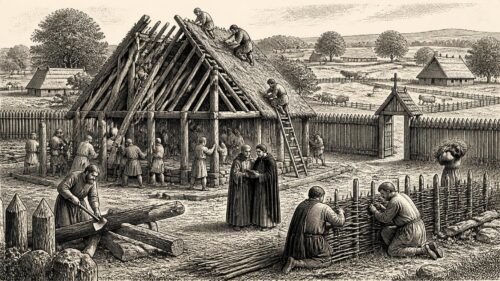
In 708, Cill Dara, modern Kildare, suffered a destructive fire, although annals provide no cause, casualties or details of damage. The disaster followed the death of its bishop, Mael Dóbarchon, and required resources and patronage for recovery. Congal Cennmagair of Cenél Conaill, a leading Uí Néill overking, also died suddenly, prompting Fergal of Cenél nEógain’s accession around 708–709. Obituaries for the abbots of Iona and Lorrha demonstrate ecclesiastical networks extending across Ireland and the Irish Sea. These events reveal a rural, politically fragmented society dependent on churches, agriculture, kinship, tribute and personal leadership, vulnerable to fire, death and shifting alliances.
Read Article


