
Archived: 26 September 2026
Abstract
In 1032, annalistic records portray Ireland as a patchwork of competing lordships after the decline of island-wide kingship. Domnall ua Maíl Doraid of Cenél Conaill and Mathgamain Ua Riacáin of Brega were killed, while Mathgamain’s killer was blinded. Sitriuc of Dublin defeated neighbouring groups at the Boyne estuary. In Munster, Donnchad mac Briain married Ragnall’s daughter, reinforcing Norse-Gaelic connections amid regional tensions. Deaths of local rulers, officials and prominent churchmen reveal dispersed authority. The killing of Étrú Ua Conaing after violation of Emly underscored ecclesiastical protection. These fragmentary notices vividly depict warfare, alliance, church power, and political instability throughout Ireland.
Read Article
Archived: 26 September 2026
Abstract
In 1031 Ireland remained politically fragmented after Brian Bóruma, as northern, southern and Hiberno-Norse rulers pursued power through raids, booty and captives. Flaithbertach Ua Néill returned from Rome while Aed Ua Néill campaigned against Cenél Conaill. Dublin’s Sitriuc Silkbeard was linked to Ardbraccan’s devastating plunder, and Waterford’s king was killed in Dublin. Churches at Ardbraccan, Swords, Kildare, Cell Chomair and Clonfert suffered burning, robbery or violence. Donnchad mac Briain raided Osraige but lost men; conflict also afflicted the Déisi. Obituaries emphasised learning, hospitality, piety and ecclesiastical office, revealing society’s religious resilience amid warfare, trade and local rivalry throughout Ireland alike.
Read Article

Archived: 26 September 2026
Abstract
In 1030, Ireland remained divided among competing dynasties after Brian Bórama and Máel Sechnaill’s deaths. Annals record the killing of Tadc Ua Conchobair of Connacht, conflict and devastation in Mide, and northern rivalry culminating in Ruaidrí Ua Canannáin’s death. Flaithbertach Ua Néill travelled to Rome, while Tadc of Uí Cheinnselaig died on pilgrimage at Glendalough. Gormlaith’s death linked Leinster, Dublin and Munster dynasties. Ecclesiastical leaders, including successors of Ciarán, Tigernach and Comgall, died, alongside chief poet Cú Mara. Relic profanation, church attacks, maritime loss and a solar eclipse illustrate religion, learning, violence and observation shaping everyday political life across Ireland.
Read Article

Archived: 26 September 2026
Abstract
In 1029, Ireland remained divided among competing Gaelic dynasties, church centres and Hiberno-Norse Dublin. Mathgamain Ua Riagáin of Brega captured Amlaíb, Dublin’s prince, whose release required an exceptional ransom of cattle, horses, silver, gold, hostages and a renowned sword, demonstrating links between rural and maritime economies. Killings of rulers in Uí Fhailgi, Fernmag, Conaille, Connacht and Cenél Conaill exposed persistent succession disputes and regional rivalries. At Inis na Lainne, a fire killed nobles and Drumcliff’s superior. Pilgrimage and church patronage connected elites to wider Christianity, while the death of master craftsman Máel Brigte Ua Brolcháin attests to skilled ecclesiastical culture.
Read Article

Archived: 26 September 2026
Abstract
In 1028, Ireland remained politically fragmented after Brian Bórama and Máel Sechnaill, with power contested through raids, killings, hostages and cattle wealth. Cenél nEógain plundered Tír Conaill, while the Conaille killed regional rulers. Sitriuc Silkbeard, Hiberno-Norse king of Dublin, and Flannacán of Brega made a prestigious pilgrimage to Rome, signalling wider Christian connections and developments associated with Dublin’s cathedral. Severe Lent snow disrupted people and livestock. Ecclesiastical deaths, Duleek’s plundering, and Slane’s collapsed oratory reveal churches’ institutional importance and vulnerability. Conflicting annals record violent regional succession, especially Connacht’s Brian Ua Conchobair, portraying a literate, agrarian, martial society linked to Europe.
Read Article
Archived: 26 September 2026
Abstract
In 1027, Irish annals recorded a politically fragmented island where regional rulers, Dublin and monasteries shaped events. Donnchad mac Briain of Munster invaded Osraige, taking booty and captives, but suffered a costly defeat against local resistance. In Mide, forces of Sitriuc Silkbeard’s Dublin and Brega fought Mide, killing both Ráen ua Máel Sechnaill and Donnchad ua Duinn. Northern cattle raids and local conflicts underscored persistent border warfare. Deaths, pilgrimages and ecclesiastical successions linked Ireland to Iona, Rome and Cologne. The reported desecration of the Staff of Jesus demonstrated relics’ public importance. Warfare, trade, lordship and Christian learning were deeply interconnected.
Read Article

Archived: 26 September 2026
Abstract
In 1026, Ireland’s contested politics reflected the unsettled aftermath of Brian Bóruma and Máel Sechnaill’s deaths. Donnchadh mac Briain asserted Munster’s wider ambitions by taking hostages in Mide, Brega, Dublin, Leinster and Osraige, while hosting Patrick’s successor at Cenn Corad. Northern king Flaithbertach Ua Néill raided Mide, crossing ice to ravage Inis Mochta. Dublin remained a wealthy Hiberno-Norse power, alternately submitting and fighting. Leinster, Osraige and Mide saw killings, raids and shifting local leadership. Church offices, pilgrimages to Irish centres and Rome, and road building at Clonmacnoise demonstrate how religion, infrastructure and lordship sustained fragile regional power overall across Ireland.
Read Article

Archived: 26 September 2026
Abstract
In 1025, Ireland lacked a universally recognised high king after Máel Sechnaill mac Domnaill’s death, and authority was contested through campaigns, hostages, raids and alliances. Flaithbertach Ua Néill entered Brega and Dublin, securing Irish hostages, before Domnall Got countered and recovered Brega’s hostages. Violence included the killing of Brega’s ruler Gerr Gaela, Connacht heir Niall Ua Conchobair, and a Uí Fiachrach Aidne leader, alongside raids between Fernmag and Fir Manach. Termonfeckin was plundered and burned. Annals also recorded Munster rulers, pilgrims and numerous senior churchmen’s deaths, demonstrating churches’ political, economic and cultural importance amid fragmented regional rivalries throughout the island.
Read Article

Archived: 26 September 2026
Abstract
In 1024, Ireland remained fragmented after Máel Sechnaill’s death, with authority contested among provincial dynasties, Norse-Gaelic towns and church interests. Leinster suffered upheaval when Úgaire, king of Leinster, and Máel Mórda of Uí Cheinnselaig were killed during Donn Sléibe’s seizure and burning of a house; Donn Sléibe was later slain. Fighting marked Corann, Ulster and the midlands, while Irish forces raided Foreigners for hostages and wealth. Ecclesiastical deaths, pilgrimages and attacks on Slane and Kildare demonstrated churches’ scholarly, economic and political importance. Cúán ua Lothcháin, Ireland’s chief poet-historian, was murdered, emphasising the learned class’s prestige amid endemic violence and instability.
Read Article
Archived: 26 September 2026
Abstract
In 1023, Ireland experienced political fragmentation after Máel Sechnaill’s death. Rivalries destabilised Mide, where Domnall Ua Máel Sechnaill was killed, while Dublin’s Hiberno-Scandinavian rulers raided South Brega, killed Ainbíth Ua Cathasaigh, and seized King Donnchad Ua Duinn. Tadc son of Brian Bórama, a Munster dynastic rival, was killed by the Éile, allegedly at his half-brother Donnchad’s instigation. Connacht and northern kings also died in factional conflict. Clonmacnoise’s church lands were plundered of cattle. Annalists recorded January lunar and solar eclipses, spring drought, ecclesiastical deaths, and foreign rulers, revealing monastic learning and Ireland’s links across the Irish Sea and Christian Europe.
Read Article

Archived: 26 September 2026
Abstract
In 1022, the death of Máel Sechnaill mac Domnaill, king of Mide and foremost post-Clontarf claimant to Ireland’s high-kingship, exposed the weakness of island-wide authority. He died at Cró Inis on Lough Ennell, honoured by churches and remembered for royal generosity, though later accounts elaborate his final rites. His loss, following the death of his heir in 1021, intensified succession disputes. Warfare continued: Waterford’s Sitriuc was killed, Ulaid defeated Dublin at sea and attacked Airgialla, while regional rulers and heirs fell. Kildare was plundered, churchmen and poets died, and Irish kingship, trade, maritime power and ecclesiastical wealth remained closely intertwined.
Read Article

Archived: 26 September 2026
Abstract
In 1021 Máel Sechnaill mac Domnaill’s restored overkingship remained active but fragile. He raided Dublin’s foreigners and Cenél nEógain, while Úgaire of Leinster defeated Sitriuc Silkbeard’s Dubliners near Delgany. Northern raids, killings and local conflicts exposed contested lordship around Airgialla. The murder of Áed, Máel Sechnaill’s heir, and other elite deaths weakened succession prospects in Mide. Amalgaid of Armagh made a politically significant visitation to Munster, asserting Patrician authority. Ecclesiastical deaths, Branacán’s drowning in Lough Ennell, and a reported shower of wheat in Osraige coloured annalistic memory. The year foreshadowed intensified struggle following Máel Sechnaill’s death in 1022 for Ireland.
Read Article

Archived: 26 September 2026
Abstract
In 1019, five years after Clontarf, Ireland remained politically fragmented despite Máel Sechnaill’s high-kingship. Donnchad mac Briain survived a sword attack that severed his right hand, while the death of Munster’s heir Mathgamain weakened Dál Cais networks. Sitriuc Silkbeard’s Dubliners raided Kells, killing inhabitants and carrying off captives and spoils. Lightning burned Kildare, and attackers violated Durrow’s stone church to seize and kill Mael Muad. Dynastic killings affected Ailech, Leinster and smaller kingdoms; northern raids, revenge killings and disease in Ára compounded insecurity. Annals portray churches as wealthy, vulnerable institutions and record interconnected sacred authority, warfare, succession and local life.
Read Article
Archived: 26 September 2026
Abstract
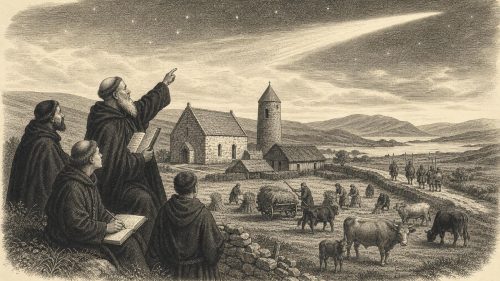
In 1018, four years after Clontarf, Ireland remained fragmented, as rival dynasties, Hiberno-Norse towns and local peoples pursued power through raiding, treachery and alliance. Máel Sechnaill’s authority in Mide was challenged when his steward and an allied king died during conflict in Fir Chell. Sitriuc Silkbeard of Dublin treacherously blinded Braen, son of Leinster’s Máel Mórda, ending his capacity to rule. Northern Uí Néill forces mobilised, while killings and plundering affected Gailenga, Tuatha Luigne and Óentreb. Ecclesiastical deaths reflected churches’ political and cultural importance; Waterford’s Norse king died. Annalists also recorded an autumn comet, revealing learned religious observation amid instability.
Read Article
Archived: 26 September 2026
Abstract
In 1015, Ireland remained unsettled after Clontarf, which had killed Brian Bóruma, Leinster’s Máel Mórda and key heirs. Máel Sechnaill mac Domnaill, aided by Flaithbertach Ua Néill, reasserted authority by plundering Leinster, taking cattle, tribute and hostages; later sources also associate campaigning with Dublin. In Munster, Donnchad mac Briain fought rivals while local kings suffered killings and deaths. Scarcity and dissension disrupted churches, with Emly vacated, Lorrha invaded and other sites plundered. Norse-Gaelic raiders seized 150 captives from western islands. Deaths, betrayals and interdynastic violence across Connacht, Bréifne and the north underscored a fragmented, dangerous political reconstruction after Brian's death.
Read Article

Archived: 26 September 2026
Abstract
In 1013, Brian Bórama’s Irish overlordship faced coordinated resistance from Leinster and Hiberno-Norse Dublin under Máel Mórda and Sitriuc Silkbeard. Warfare spread across Mide, Brega, Leinster and Munster: Máel Sechnaill suffered losses near Dublin but countered raids, while northern rivals increased pressure. Brian and his son Murchad conducted prolonged campaigns, devastating Leinster, taking captives and advancing towards Dublin. Dublin’s fleet burned Cork, though Munster forces killed prominent Dubliners. Church relics, ecclesiastical authority, agriculture and fortifications featured in the conflict. Annals portray a Christian, literate yet violent society. No settlement emerged; 1013 established the conditions for Clontarf’s decisive battle in 1014.
Read Article

Archived: 26 September 2026
Abstract
In 1010 Brian Bóruma reinforced his contested supremacy by leading Munster forces north to Armagh and securing hostages from the northern Uí Néill, Ulaid and wider Leth Cuinn. The campaign demonstrated that overlordship required repeated negotiation, military display and guarantees. Connacht’s king Cathal mac Conchobair died penitently, while lesser rulers, an Ailech heir and other political figures also died or were killed. Church losses included Brian’s brother Marcán, senior cleric of Munster, Clonmacnoise bishop Conaing, and scholar-king Máel Suthain ua Cerbaill. An abbot suffered blinding. Annals also recorded a hot summer and fruitful autumn, underscoring rural resources sustaining political power.
Read Article

Archived: 26 September 2026
Abstract
In 1008, Irish annals recorded no battle but revealed pressures shaping Brian Boru's overkingship. Chronological discrepancies require caution, yet Inisfallen and Ulster agree on a severe winter, ecclesiastical deaths and political violence. Muiredach son of Matudán, heir designate of Ulaid, was killed by his own people, exposing dynastic division amid northern rivalries. The deaths of abbots and coarbs, including Ferdomnach of Colum Cille's familia, prompted transitions in institutions controlling land, relics, learning and legitimacy. Frost and snow from January to Easter threatened livestock, farming and communications. Together, events illuminate a weather-vulnerable society governed through churches, dynasties, tribute, negotiation and force.
Read Article

Archived: 26 September 2026
Abstract
In 1004, Brian Bórama’s claim to supremacy over Ireland remained ambitious but incomplete. Having subordinated Máel Sechnaill of Mide, he faced determined northern resistance from Cenél nEógain. The Annals of Ulster record that they obstructed his intended circuit of Ireland. At Cráeb Tulcha on 14 September, Cenél nEógain defeated Ulaid; Ulaid king Eochaid mac Ardgar and Ailech king Áed Ua Néill died, destabilising both powers. Traditions associate this period with Brian’s expedition to Armagh, demands for hostages, and gold offering, linking political display with ecclesiastical authority. Annals record clerical deaths, regional killings, Dublin’s burning, and Máel Sechnaill’s injury, revealing insecurity.
Read Article

Archived: 26 September 2026
Abstract
In 1003, Brian Bórama sought to turn his newly acquired high-kingship into authority, relying on cooperation with Máel Sechnaill of Mide. Their northern Connacht expedition was checked by the Northern Uí Néill, demonstrating limits to Brian’s power. Brian deposed Leinster’s Donnchad and installed Máel Mórda, holding provincial hostages as guarantees. Across Ireland, raids, killings and disputed successions showed persistent instability. Ecclesiastical deaths and sanctuary violations emphasised churches’ political importance, while learned figures preserved claims and status. Uncertainly dated northern warfare further revealed regional fragmentation. Ireland was consolidating under Brian, yet rule remained dependent on force, alliances, tribute and religious legitimacy.
Read Article
Archived: 26 October 2026
Abstract
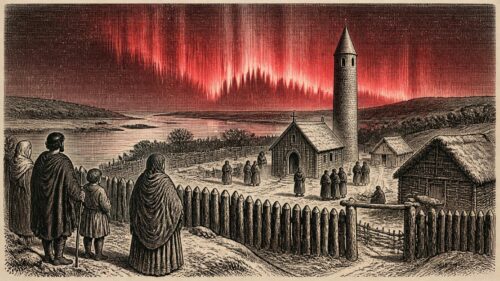
In 992, Irish annals record Máel Sechnaill mac Domnaill’s cattle-taking expedition into Connacht, demonstrating Mide’s military reach and the central value of livestock. Brian son of Cennétig subsequently led Munster and Connacht forces into Mide, apparently as a restrained but purposeful show of strength. Regional politics were further marked by deaths and probable violence among rulers in Tethba, Uí Diarmata and Corcu Baiscinn. Ecclesiastical succession affected Clonfert, Clonmacnoise and Inis Cathaig, institutions entwined with wealth and power. The records also illuminate rural dependence on livestock, Ireland’s trade connections, and a blood-red sky observed on St Stephen’s night, possibly an aurora.
Read Article
Archived: 26 October 2026
Abstract
In 975, uneven annalistic evidence records a pressured Ireland where political, maritime, ecclesiastical, cultural and environmental concerns intersected. In Munster, Mathgamain mac Cennétig’s army killed Cormac son of Faelán, demonstrating his contested authority. Ímar escaped overseas while an island stronghold, possibly near Limerick, was retaken, confirming continuing Irish Sea rivalry. Cináed ua hArtacáin, renowned chief poet, died, depriving learned culture of an influential custodian of history and place-lore. Fogartach, abbot of Daire, died, and Ferdal of Rechru was killed by heathens. Exceptionally wet weather damaged crops, worsening vulnerability amid conflict, mobility and competition for resources across the island's linked communities.
Read Article
Archived: 26 October 2026
Abstract
Annals for 966 record a major defeat of the Uí Ruairc alliance at Boirenn in north Clare by Comaltán Ua Cléirigh and Máel Sechnaill son of Arcda, with Taichlech Ua Gadhra among the dead. Fergal Ua Ruairc, king of Connacht, was killed by Domnall of Brega, exposing unstable regional kingship. Leinster also suffered disputed royal losses, while Armagh lost both Patrick’s successor Muiredach and its bishop, Cathasach. Conflicting chronicles complicate dating of Domnall Ua Néill’s campaigns against Leinster and Dublin. The records portray fragmented Ireland, where dynastic warfare, church offices, cattle wealth, famine’s shadow, and Dublin’s trade shaped political power.
Read Article
Archived: 27 October 2026
Abstract
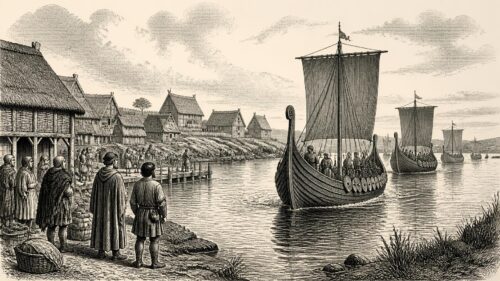
For Ireland, 937 is best understood through a small but unusually revealing cluster of annalistic notices. The record does not offer a single national narrative: it reports deaths, killings and a storm in several provinces, while also preserving Ireland’s connection to one of the most consequential battles of tenth-century Britain. Its most striking Irish political notice is the death of Conaing son of Niall, described in the Annals of Ulster as rígdamna Érenn, ‘heir designate of Ireland’. The phrase did not mean that a settled succession would automatically follow. Rather, it signalled that Conaing stood within the narrow, competitive circle
Read Article
Archived: 27 October 2026
Abstract
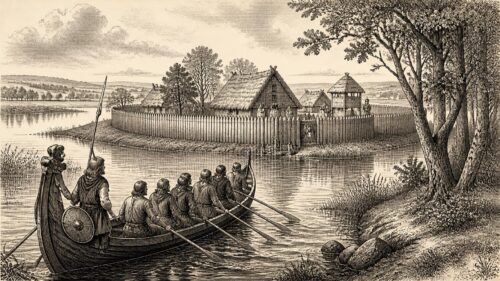
In 935, Amlaíb mac Gofraid, king of Dublin, demonstrated Scandinavian power by sacking Lagore and Knowth in Brega during one week, threatening inland centres. He sought dominance among Irish Scandinavian settlements, reportedly capturing a Limerick rival and installing Haraldr there. Norsemen killed Cinaed mac Cairpre, chief of Uí Chennselaig, with many followers in Leinster. Annals record deaths of abbots and church leaders, underlining monasteries’ political and economic roles, while a notice of abundant oak mast reflects dependence on woodland resources and pig forage. Differing annalistic chronologies complicate dating, but collectively these events reveal interconnected violence, lordship, ecclesiastical succession, and subsistence.
Read Article
Archived: 27 October 2026
Abstract
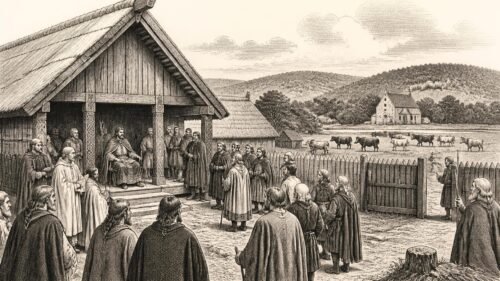
In 925, Connacht underwent a decisive dynastic change after Cathal son of Conchobar, king since about 900, died in penitence. His son Domnall and other leading men were treacherously killed by their kinsman Tadc, who assumed the kingship and founded a durable ruling line. Annalistic chronology requires caution, but modern scholarship dates these events to 925. Elsewhere, Dubgall, king of Ulaid, was killed by his own people, while Lorcán, king of Brega, died in old age. These events exposed fragile regional kingship beneath Tara’s limited overlordship, amid church influence, rural continuity, Dublin’s maritime power, and competing dynastic interests across Ireland.
Read Article
Archived: 28 October 2026
Abstract
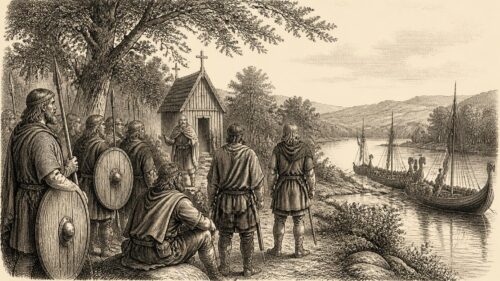
In 892, Riaccán son of Dúngal, of Osraige’s ruling dynasty, defeated Scandinavian forces associated with Waterford, Wexford and St Mullins, demonstrating local resistance along vital river routes. The annals’ reported two hundred heads signal a major victory but not a precise casualty total. Ireland remained politically fragmented under Flann Sinna’s loose overkingship; Tigernán of Bréifne also died. Obituaries for Máel Brigte of Clonmacnoise and Máel Corgais of Lorrha underline churches’ religious, economic and political importance. On 11 November, the Martinmas storm destroyed trees, houses and oratories. These notices portray a society dependent on vulnerable waterways, lordships, monasteries and rural resources.
Read Article

